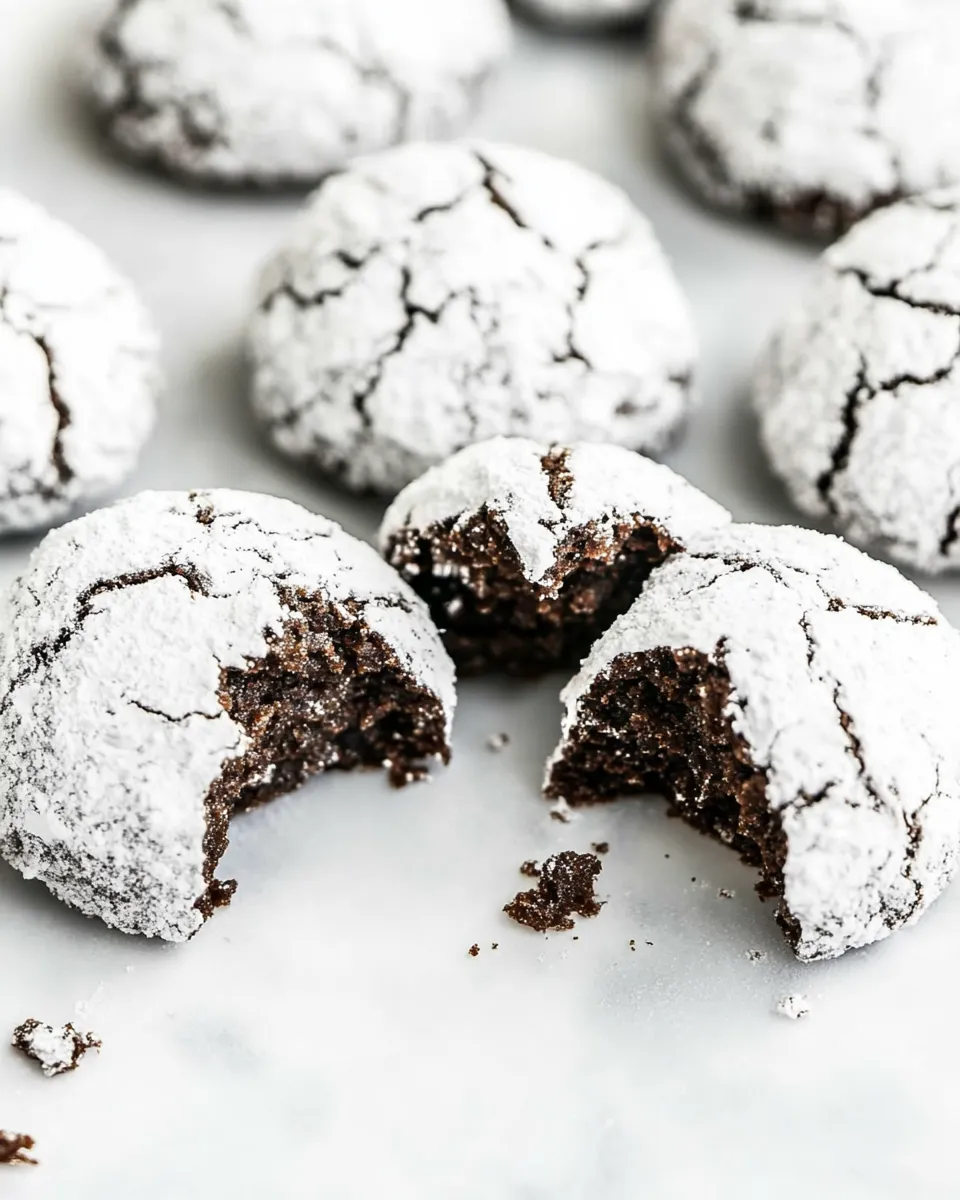
Chocolate Amaretti Cookies
These Chocolate Amaretti Cookies are my go-to when I want something chewy, chocolatey, and impossibly simple. They marry the almond-forward flavor of classic amaretti with Dutch-process cocoa for a deep chocolate hit. The result: crisp-edged cookies with cracked, powdered-sugar tops and a tender, slightly chewy interior.
I like this recipe because it’s unfussy. There are no yolks, no butter, and only a few ingredients you probably already have. The technique is straightforward: dry mix, fold in beaten whites, portion, dust, and bake low and slow. Small changes in technique make a big difference in texture, and I’ll point those out as we go.
If you bake often, you’ll appreciate how forgiving these cookies are. They travel well, store at room temperature for days, and pair beautifully with coffee or a sweet wine. Below you’ll find clear ingredient notes, the exact steps I use, troubleshooting tips, tool recommendations, and a few variations to tailor them to your holiday cookie plate.
Ingredient Notes

Before you mix anything, spend 60 seconds reading the ingredient list. A few simple choices will determine how these cookies turn out. I’ll keep notes short and practical so you can prep confidently.
Ingredients
- 2 cups (180g) almond flour or very finely ground almonds, sifted — Provides structure and the classic amaretti almond flavor; sifted ensures a fine, even dough.
- 1 cup (200g) granulated sugar — Sweetens and helps create the crackled top; it also affects spread, so measure carefully.
- 3 tablespoon (15g) Dutch-process cocoa powder powder — Gives deep chocolate flavor and a darker crumb; Dutch-process will be more mellow than natural cocoa.
- pinch salt — Balances sweetness and brightens chocolate and almond notes.
- 2 large egg whites (about 60 grams) — Whipped to soft peaks, they lighten the dough and give the cookies lift and chew.
- 1/4 teaspoon lemon juice — Stabilizes the whipped egg whites so they hold air better while you mix.
- 1/2 teaspoon almond extract — Intensifies the almond profile; a little goes a long way.
- confectioners’ sugar, as needed — For dusting and the signature cracked, snowy look; also prevents sticking when you roll the balls.
Chocolate Amaretti Cookies: From Prep to Plate
- Preheat oven to 300°F. If you have two matching heavyweight, light- to medium-colored baking sheets, stack them (one inside the other) and line the top sheet with parchment paper or a silicone baking mat; otherwise line a single baking sheet.
- In a large bowl, whisk together 2 cups (180g) sifted almond flour, 1 cup (200g) granulated sugar, 3 tablespoons (15g) Dutch-process cocoa powder, and a pinch of salt until evenly combined.
- In a separate bowl or the bowl of a stand mixer fitted with the whisk attachment, whisk 2 large egg whites and 1/4 teaspoon lemon juice until soft peaks form.
- Add the beaten egg whites and 1/2 teaspoon almond extract to the dry ingredients. Stir with a spatula or spoon until the mixture comes together into a soft, sticky dough; knead briefly with your hands if necessary to fully combine.
- Place confectioners’ sugar in a shallow bowl or plate. Lightly dust your hands with confectioners’ sugar.
- Using a small cookie scoop or a teaspoon, portion the dough into about 1-inch balls. Roll each portion between your hands to smooth, then roll each ball in confectioners’ sugar to coat.
- Arrange the coated balls on the prepared baking sheet(s), leaving about 1 inch of space between cookies.
- Bake in the preheated 300°F oven. If using the stacked double baking sheets, bake 30–35 minutes; if using a single sheet, begin checking at about 25 minutes. Bake until the tops are cracked and the bottoms are just starting to darken.
- Remove the baking sheet from the oven and let the cookies sit on the sheet for a few minutes, then transfer them to a wire rack to cool completely.
- Store cooled cookies at room temperature in an airtight container or bag for up to 5 days.
Why This Recipe Works
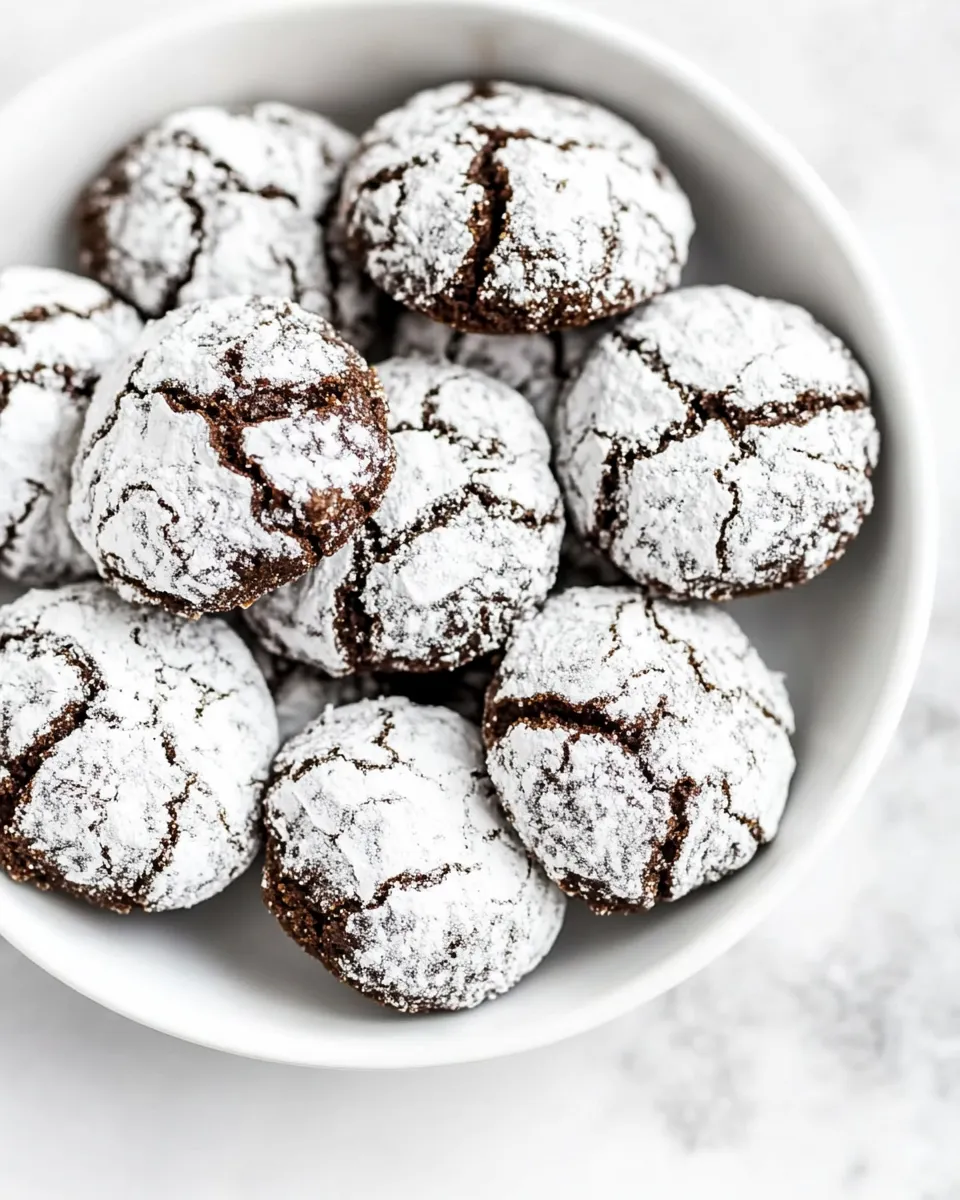
There are three simple design choices at the heart of these cookies: almond flour as the primary dry ingredient, whipped egg whites for lift and chew, and a low oven temperature to preserve texture.
Almond flour provides fat and flavor without gluten. That means the cookies won’t develop an elastic structure; instead they rely on the whipped whites to add lift and a tender crumb. Whipping the whites to soft peaks traps air but keeps enough moisture so the final texture is chewy, not marshmallowy. The lemon juice helps those whites stabilize, so the batter doesn’t deflate while you scoop and coat.
Baking at 300°F keeps the exterior from setting too quickly and allows the interior to develop that chewy, slightly dense texture typical of amaretti. Stacking two baking sheets is a professional trick: the extra metal acts as a heat buffer, preventing over-browning on the bottoms while the tops crack beautifully.
Quick Replacement Ideas
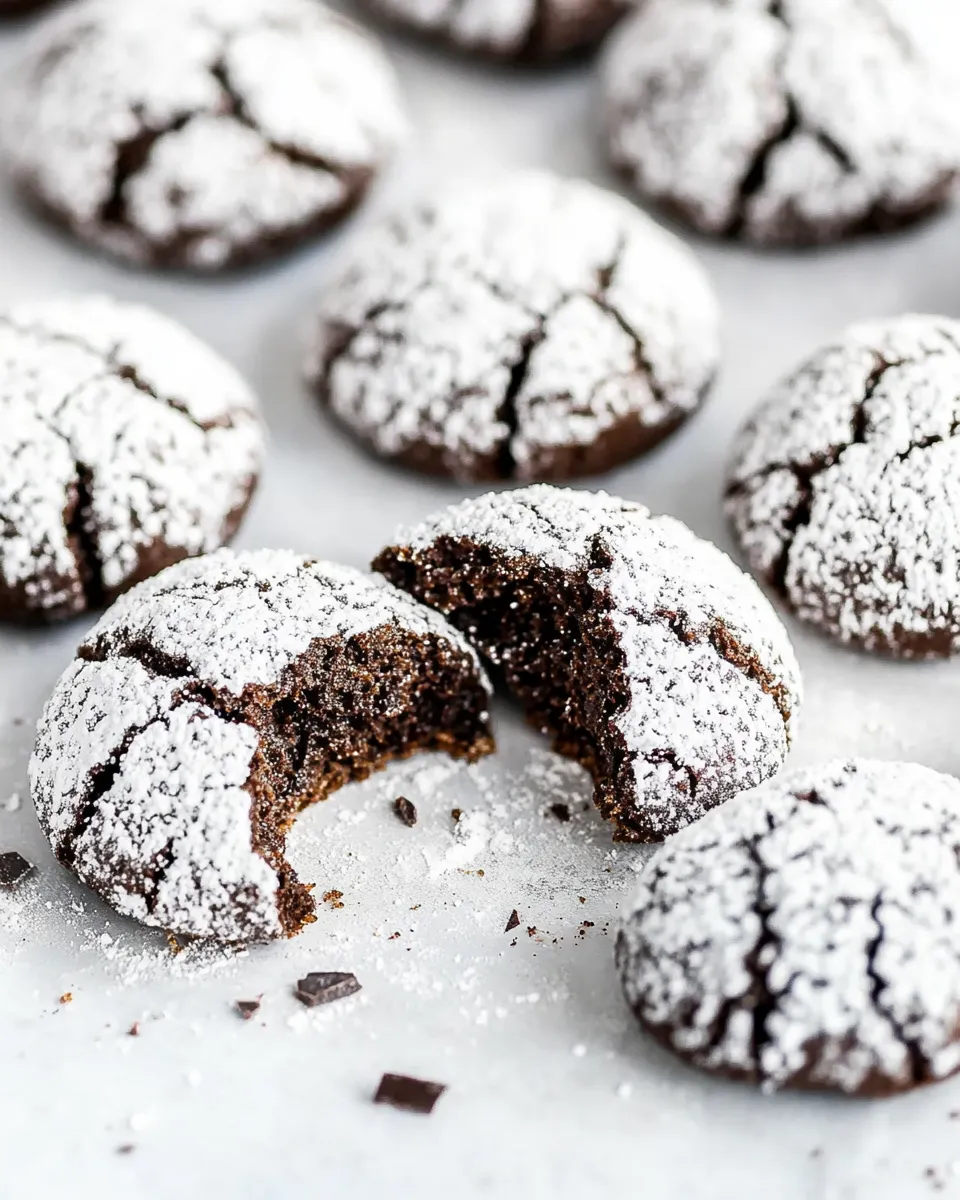
- Almond flour substitute — Use very finely ground almonds if you don’t have boxed almond flour. Expect slightly more texture.
- Sugar swap — Granulated sugar is important for structure and crackle. If you must use a different sweetener, the texture will change.
- Cocoa notes — If you only have natural cocoa, the cookies will be brighter and a bit more acidic; they’ll still work but the flavor will shift.
- Extract options — If you prefer, omit almond extract and add a tiny splash of vanilla instead; the cookies will be less explicitly almond-forward.
- Egg-white-free option — Not recommended here; the egg whites are the leavening and binding agent for these cookies.
Tools of the Trade
- Stand mixer or a sturdy bowl and whisk — For whipping egg whites to soft peaks.
- Baking sheets — Two matching heavyweight sheets if you have them; stacking helps prevent bottom over-browning.
- Parchment paper or a silicone baking mat — Ensures easy release and even browning.
- Small cookie scoop or teaspoon — For uniform portions; the cookies bake more evenly when similar in size.
- Wire rack — For cooling so cookies don’t steam on the baking sheet.
Don’t Do This
- Don’t skip sifting or checking your almond flour — Clumps can leave dry pockets in the dough.
- Don’t over-whip the egg whites — Soft peaks are the target. Over-whipping makes them dry and more likely to deflate.
- Don’t bake on dark pans without the double-sheet trick — Dark pans absorb more heat and will brown the bottoms too quickly.
- Don’t skip the confectioners’ sugar coating — It creates the signature crackled top and prevents sticking while rolling.
- Don’t crowd the baking sheet — Give each cookie about an inch of space for even air circulation and consistent cracking.
Holiday-Friendly Variations
- Double chocolate — Stir a small amount of finely chopped chocolate into the dough just before portioning for pockets of melted chocolate.
- Orange and almond — Add a little orange zest to the dough (no extra measurements provided here) to brighten the chocolate and complement the almond extract.
- Sea-salt finish — After cooling, sprinkle a pinch of flaky sea salt on a few cookies for contrast.
- Dusted cocoa — For a darker finish, dust cookies with a light dusting of cocoa in addition to confectioners’ sugar.
Pro Perspective

Small technique tweaks separate good cookies from great ones. Whip the whites to soft peaks — you want them glossy and billowy but still able to fold into the dry mix without collapsing. When you fold, use a spatula and a light hand; you’re aiming for a cohesive dough, not a whipped mousse.
Portion consistently. A small cookie scoop gives you uniform cookies and predictable baking times. If the dough feels too wet to roll, dust your hands lightly with confectioners’ sugar or chill the dough briefly — a cold dough is easier to shape.
Watch the bottoms. The double-sheet method buys you that extra few minutes of color control; without it, pull the sheet a little earlier. The cookies are done when the tops are cracked and set and the bottoms are only just beginning to show color.
Prep Ahead & Store
Make-ahead
You can make the dough and keep it refrigerated for a short period if you need to prep ahead. If the dough is chilled, allow it to come close to room temperature before portioning so it’s easier to roll.
Storage
- Room temperature — Store cooled cookies in an airtight container at room temperature for up to 5 days. Layer with parchment to prevent sticking.
- Freezing dough — Portion the dough, roll into balls, and freeze on a tray until solid. Transfer to a bag, then bake from frozen, adding a couple of minutes to the bake time.
- Freezing baked cookies — Freeze baked, cooled cookies in a single layer on a tray, then transfer to a sealed container or bag. Thaw at room temperature before serving.
Ask the Chef
If your cookies are spreading too much, check your almond flour and sugar measurements and make sure your oven isn’t too hot. If they’re dense and not cracking, the whites may not have been whipped enough or may have been deflated while folding. For extra crackle, make sure each ball is well coated in confectioners’ sugar and that you don’t crowd the sheet.
Want a chewier interior? Slightly larger portion sizes and a marginally longer bake (watch the bottoms) will help. Prefer them crisp? Bake a touch longer until the bottoms are more deeply colored.
Hungry for More?
If you enjoyed these Chocolate Amaretti Cookies, try adapting the same method to other nut-based cookies: swap in different nut flours or add complementary flavors like citrus zest, spices, or a coffee hit. This dough is a great template — straightforward, forgiving, and endlessly adaptable.
Bake once or twice and you’ll see how tiny technique changes affect texture. Keep notes. And most of all, enjoy the process — these cookies make a small, joyful batch any time you need one.

Chocolate Amaretti Cookies
Ingredients
Ingredients
- 2 cups 180 g almond flour or very finely ground almonds, sifted
- 1 cup 200 g granulated sugar
- 3 tablespoon 15 g Dutch-process cocoa powder powder
- pinch salt
- 2 large egg whites about 60 grams
- 1/4 teaspoon lemon juice
- 1/2 teaspoon almond extract
- confectioners’ sugar as needed
Instructions
Instructions
- Preheat oven to 300°F. If you have two matching heavyweight, light- to medium-colored baking sheets, stack them (one inside the other) and line the top sheet with parchment paper or a silicone baking mat; otherwise line a single baking sheet.
- In a large bowl, whisk together 2 cups (180g) sifted almond flour, 1 cup (200g) granulated sugar, 3 tablespoons (15g) Dutch-process cocoa powder, and a pinch of salt until evenly combined.
- In a separate bowl or the bowl of a stand mixer fitted with the whisk attachment, whisk 2 large egg whites and 1/4 teaspoon lemon juice until soft peaks form.
- Add the beaten egg whites and 1/2 teaspoon almond extract to the dry ingredients. Stir with a spatula or spoon until the mixture comes together into a soft, sticky dough; knead briefly with your hands if necessary to fully combine.
- Place confectioners’ sugar in a shallow bowl or plate. Lightly dust your hands with confectioners’ sugar.
- Using a small cookie scoop or a teaspoon, portion the dough into about 1-inch balls. Roll each portion between your hands to smooth, then roll each ball in confectioners’ sugar to coat.
- Arrange the coated balls on the prepared baking sheet(s), leaving about 1 inch of space between cookies.
- Bake in the preheated 300°F oven. If using the stacked double baking sheets, bake 30–35 minutes; if using a single sheet, begin checking at about 25 minutes. Bake until the tops are cracked and the bottoms are just starting to darken.
- Remove the baking sheet from the oven and let the cookies sit on the sheet for a few minutes, then transfer them to a wire rack to cool completely.
- Store cooled cookies at room temperature in an airtight container or bag for up to 5 days.