
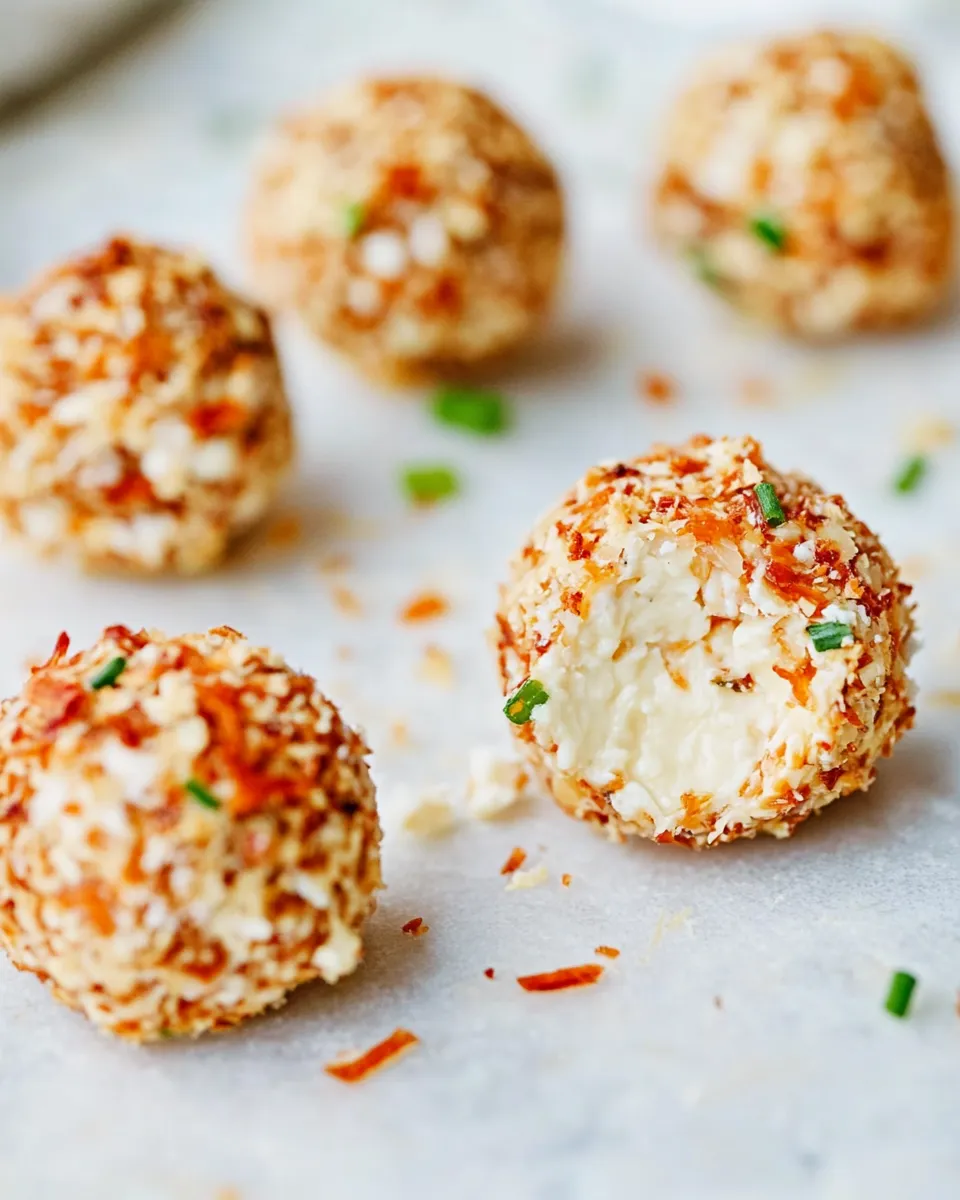
Caramelized Onion Goat Cheese Truffles
I fell for these truffles the first time I tasted one: a soft, tangy center flecked with deep-brown caramelized onion and a delicate crunch on the outside. They feel like something fancy you’d serve at a dinner party, but they’re honest and straightforward to make. You can stretch the prep into an afternoon project, or put everything together in a focused hour and have impressive bites on the table.
This recipe balances three textures: the melting creaminess from the cheeses, the jammy sweetness of slowly browned onions, and the nutty snap of toasted almonds. The flavors are simple—onion, thyme, butter, and parsley—but when you give the onions time to go deep brown, the result is savory, slightly sweet, and utterly addictive.
I’ll walk you through the why and how, show practical swap options that don’t overcomplicate things, and point out the little traps that can make or break these truffles. There’s nothing fussy here—just a few good techniques that yield reliable, impressive results.
Ingredient Rundown

Ingredients
- 8 oz goat cheese — Provides tangy, bright flavor and a soft base for the truffle centers.
- 8 oz cream cheese — Smooths the goat cheese, helps the centers hold their shape once chilled.
- 1 small onion, sliced thinly — The heart of the flavor; will be slowly caramelized to add sweetness and depth.
- 3 tablespoons butter — Used to gently cook and flavor the onions as they caramelize.
- 2 teaspoons brown sugar — Helps the onions reach a deeper, richer caramel color and rounded sweetness.
- 1 teaspoon thyme, dried — A warm, herbal note that pairs naturally with onions and goat cheese.
- salt to taste — Essential for balancing sweetness and bringing out savory notes.
- black pepper to taste — Adds the final seasoning lift; freshly cracked is best if you have it.
- 1/2 cup flat leaf parsley, fresh, chopped — Brightens and freshens the cheese mixture so the truffles don’t feel heavy.
- 1 cup almonds — Toasted and pulsed into crumbs to give a crunchy coating and a warm, nutty flavor.
Caramelized Onion Goat Cheese Truffles in Steps
- Line a baking sheet with parchment paper and set aside.
- Place the 1 cup almonds in a dry skillet over medium heat. Stir or swirl the pan frequently until the almonds are toasted and fragrant (about 4–7 minutes). Remove from heat.
- Transfer the toasted almonds to a food processor and pulse until they form chunky crumbs (do not over-process into powder). Pour the almond crumbs onto a plate and set aside.
- In a large skillet over medium-low heat, melt 3 tablespoons butter. Add the thinly sliced small onion and cook, stirring occasionally, for 20–30 minutes until the onions are soft and turning golden brown. You should hear a quiet sizzle as they caramelize.
- When the onions are starting to brown, stir in 1 teaspoon dried thyme and continue cooking until the onions are a deep brown.
- Once deeply caramelized, stir in 2 teaspoons brown sugar and season with salt and black pepper to taste. Remove the skillet from the heat and let the onions cool slightly.
- (No need to clean the food processor.) Add 8 oz goat cheese and 8 oz cream cheese to the food processor and blend until smooth and well combined.
- Add the slightly cooled caramelized onions to the cheese mixture and process again until mostly smooth.
- Transfer the cheese-onion mixture to a bowl and stir in 1/2 cup chopped flat-leaf parsley. Taste and adjust salt and black pepper if needed.
- Using two spoons or a small cookie scoop, portion the mixture into 24 even balls and place them on the prepared baking sheet.
- Roll each cheese ball in the toasted almond crumbs until fully coated, pressing gently so the crumbs adhere. Return the coated truffles to the baking sheet.
- Chill the truffles in the refrigerator until firm (at least 1 hour). Store in the refrigerator until ready to serve.
Why It Deserves a Spot

These truffles hit a rare sweet spot: they look elegant, taste complex, and aren’t difficult to make. The slow-cooked onions are the linchpin; they transform inexpensive ingredients into a flavor that feels crafted. The goat cheese brings brightness and character, while the cream cheese keeps the texture silky and scoopable.
They work across occasions: cut them smaller for cocktail parties, plate them with crackers and fruit for a casual gathering, or serve a few with a green salad for a light, sophisticated starter. The coating of almonds makes them feel finished and easy to handle—no sticky hands, just a pleasant crunch with every bite.
Swap Guide
- Cheese balance: If you prefer less tang, lean more on cream cheese and less on goat cheese in the mixture; the recipe’s equal parts are a guideline for bright, balanced truffles.
- Herb tweak: If thyme isn’t your favorite, you can emphasize the parsley more for a greener finish—no new ingredients required.
- Nut coating options: The recipe calls for almonds—if you already have them on hand, toast and pulse them as directed. If you decide to omit the nuts, consider chilling the balls longer so they hold shape cleanly.
- Onion intensity: Caramelize the onion longer for a deeper, almost jam-like savor, or pull them earlier for a lighter, sweeter bite.
Tools & Equipment Needed
- Large skillet — for slow caramelizing of the onion.
- Dry skillet — to toast the almonds without oil.
- Food processor — to combine cheeses and pulse toasted almonds; the recipe uses it twice.
- Baking sheet lined with parchment — a chilled-ready surface for shaping and cooling the truffles.
- Small cookie scoop or two spoons — for portioning even balls.
- Mixing bowl and spatula — for final folding in parsley and seasoning adjustments.
- Refrigerator space — to chill truffles until firm (at least 1 hour).
Steer Clear of These
Don’t rush the onions. Searing them over high heat or attempting to speed the process will risk burning and give bitter notes. Aim for a slow, patient caramelization over medium-low heat so the sugars develop and the texture becomes jammy.
Avoid over-processing the almonds into powder. The coating should be crumbly and crunchy—if the almonds go too fine, the exterior turns pasty and loses that welcome texture contrast. Pulse them until you have chunky crumbs.
Finally, don’t skip chilling. The cheeses need to firm up so the truffles hold their shape. Trying to coat or move them while still warm will create a mess and uneven results.
Nutrition-Minded Tweaks
If you want to lighten these up a bit without changing the character dramatically, opt for lower-fat cream cheese in place of full-fat cream cheese. The goat cheese contributes a lot of the flavor, so you can reduce richness slightly and still retain the overall profile.
Another approach is portion control: make smaller truffles. The recipe yields 24 moderate-sized balls—reducing each ball by half gives you more counts per batch and helps manage calorie intake when serving alongside other party foods.
Trim back the butter slightly if you’re watching saturated fat—use the listed amount but be attentive while cooking so you don’t add more. Because you’re relying on the onions to deliver the bulk of the flavor, efficient caramelization will keep you from feeling like you need to over-butter for mouthfeel.
Cook’s Notes
On caramelizing
Low and slow is the mantra. Stir the onions occasionally and scrape up the fond from the pan to keep everything moving. If the pan looks dry before the onions are ready, add a splash of water to deglaze rather than more butter; that helps prevent burning while encouraging even browning.
On processor texture
If you prefer visible ribbons of onion in each truffle, pulse fewer times when you add the slightly cooled onions to the cheese. For truly smooth centers, blend until mostly uniform as the directions indicate.
Seasoning
Taste before you scoop. The cheeses mute flavor slightly when cold, so adjust salt and pepper while the mixture is still at room temperature to get it just right.
Freezer-Friendly Notes
These truffles freeze well if handled correctly. After coating, flash-freeze them on the baking sheet until solid, then transfer to a freezer-safe container with layers separated by parchment. Thaw in the refrigerator overnight before serving to retain texture. Keep in mind that freezing can dull the brightness of fresh parsley; add a pinch of fresh parsley after thawing if you want to revive that green note.
For shorter storage, keep them refrigerated in an airtight container for up to 5 days. They’re best within the first couple of days when the almond coating is at peak crunch.
Your Questions, Answered
Q: Can I make the onion mixture ahead of time? A: Yes. Caramelized onions can be made a day or two ahead, cooled, and refrigerated. Warm them slightly before adding to the cheeses so they fold in easily and distribute evenly.
Q: How do I keep the truffles from being too soft? A: Chill thoroughly. If the mixture feels loose when scooped, give it a tighter chill for 30–60 minutes before portioning. The cream cheese firms up nicely when cold.
Q: Can I skip the almonds? A: You can, though the nuts add texture and flavor. If skipping, chill longer and consider rolling in finely chopped parsley or toasted breadcrumbs from pantry staples to add structure.
Q: How long will leftovers stay good? A: Stored in an airtight container in the refrigerator, expect them to be flavorful for about 4–5 days. The almond coating will soften over time, so if crunchy texture is crucial, plan to serve them sooner rather than later.
Final Bite
Caramelized Onion Goat Cheese Truffles are one of those recipes that feel like a party trick but are quietly reliable. With just a little patience for the onions and a few simple machine steps, you get a snack that’s texturally interesting and rich in layered flavors. Whether you’re bringing them to a gathering or laying out a small plate for two, they reward careful seasoning and a calm kitchen tempo.
Make them once and you’ll find any number of reasons to make them again. They’re easy to scale, simple to plate, and flexible enough to sit comfortably alongside wine, crackers, or a crisp fall salad. Enjoy the process—especially the slow caramelization; it’s where the magic lives.

Caramelized Onion Goat Cheese Truffles
Ingredients
Ingredients
- 8 ozgoat cheese
- 8 ozcream cheese
- 1 smallonionsliced thinly
- 3 tablespoonsbutter
- 2 teaspoonsbrown sugar
- 1 teaspoonthymedried
- saltto taste
- black pepperto taste
- 1/2 cupflat leaf parsleyfresh chopped
- 1 cupalmonds
Instructions
Instructions
- Line a baking sheet with parchment paper and set aside.
- Place the 1 cup almonds in a dry skillet over medium heat. Stir or swirl the pan frequently until the almonds are toasted and fragrant (about 4–7 minutes). Remove from heat.
- Transfer the toasted almonds to a food processor and pulse until they form chunky crumbs (do not over-process into powder). Pour the almond crumbs onto a plate and set aside.
- In a large skillet over medium-low heat, melt 3 tablespoons butter. Add the thinly sliced small onion and cook, stirring occasionally, for 20–30 minutes until the onions are soft and turning golden brown. You should hear a quiet sizzle as they caramelize.
- When the onions are starting to brown, stir in 1 teaspoon dried thyme and continue cooking until the onions are a deep brown.
- Once deeply caramelized, stir in 2 teaspoons brown sugar and season with salt and black pepper to taste. Remove the skillet from the heat and let the onions cool slightly.
- (No need to clean the food processor.) Add 8 oz goat cheese and 8 oz cream cheese to the food processor and blend until smooth and well combined.
- Add the slightly cooled caramelized onions to the cheese mixture and process again until mostly smooth.
- Transfer the cheese-onion mixture to a bowl and stir in 1/2 cup chopped flat-leaf parsley. Taste and adjust salt and black pepper if needed.
- Using two spoons or a small cookie scoop, portion the mixture into 24 even balls and place them on the prepared baking sheet.
- Roll each cheese ball in the toasted almond crumbs until fully coated, pressing gently so the crumbs adhere. Return the coated truffles to the baking sheet.
- Chill the truffles in the refrigerator until firm (at least 1 hour). Store in the refrigerator until ready to serve.
Equipment
- Baking Sheet
- Parchment Paper
- Dry Skillet
- Food Processor
- Large Skillet
- Plate
- small cookie scoop or two spoons
- Refrigerator
Notes
*alternatively, you can use cupcake liners