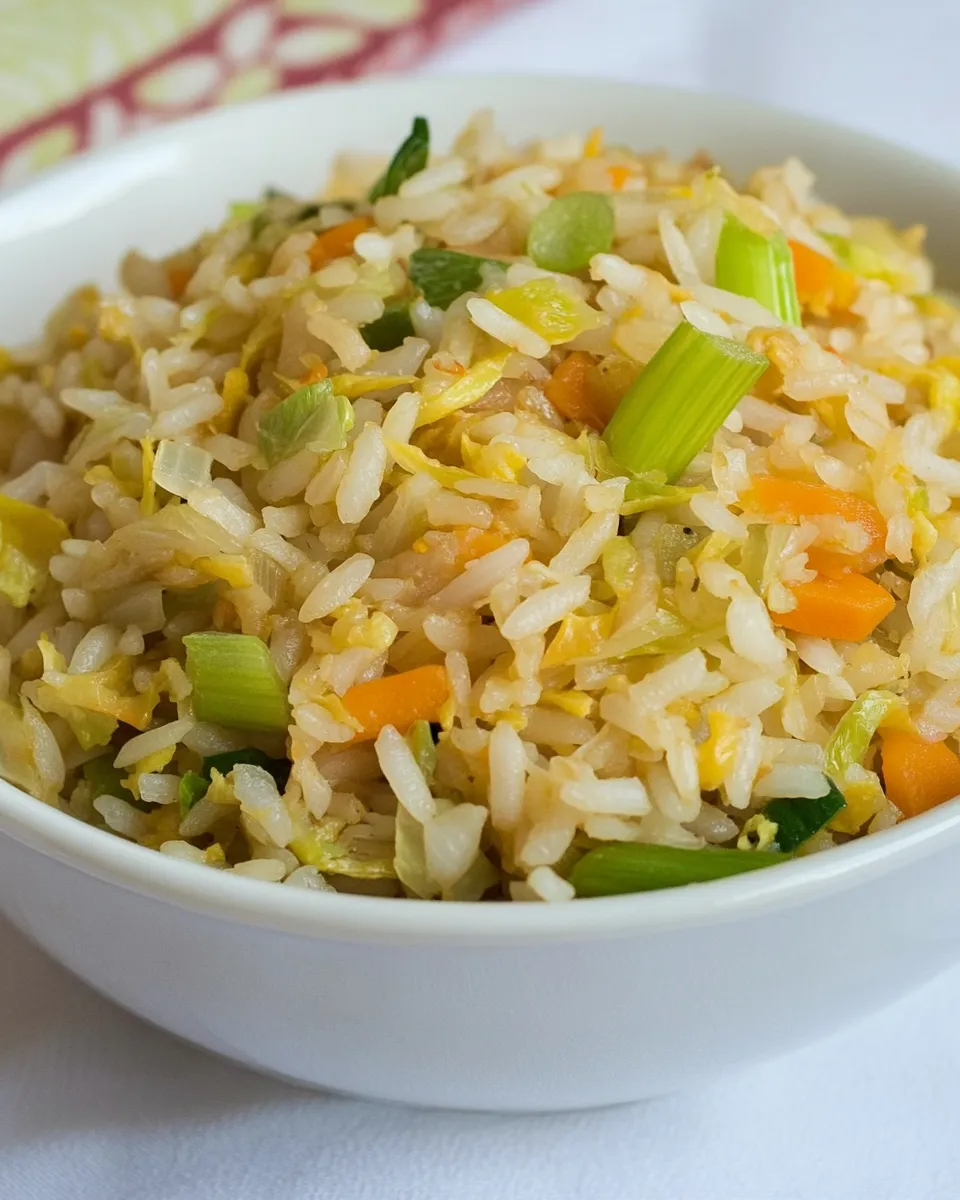
Cabbage Fried Rice Recipe
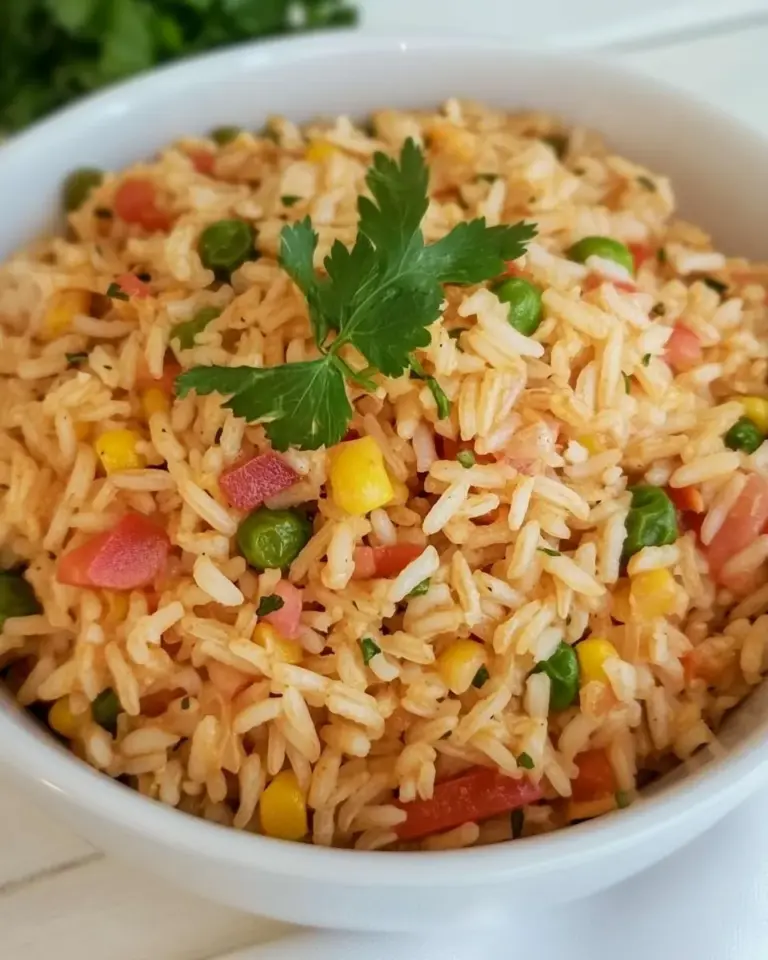
I make this cabbage fried rice when I need something fast, satisfying, and a little different from the usual takeout. It’s humble but confident: crunchy cabbage, sweet carrot, soft pockets of jasmine rice, a hit of butter and sesame oil. It’s the kind of dish that eats like comfort and cleans out the crisper at the same time.
This recipe moves quickly. Prep is straightforward and the high-heat sauté gives the cabbage a lovely caramel edge without turning it limp and mushy. There’s no fuss—just a hot pan, a good spatula, and steady stirring. It’s reliable for busy weeknights and forgiving when you’re improvising with what’s on hand.
Read through the ingredient checklist, follow the method in order, and keep a hot pan—those are the real tricks. I’ll also share why I love this version, sensible equipment choices, common mistakes to avoid, and a few practical swaps and storage tips so you can make this more often without stress.
Ingredient Checklist

- 1 small or 1/2 large green cabbage (about 8 cups), finely sliced — the base of the dish; slices wilt and caramelize for texture and bulk.
- 1 large carrot, 1 cup peeled and grated — adds sweetness, color, and a tender crunch when grated.
- 1 medium onion, 1 cup, finely diced — builds savory depth; dice small so it softens quickly.
- 2 Tbsp cooking oil — neutral oil that tolerates very high heat; helps the vegetables sear without burning.
- 3 cups cooked Jasmine rice — use day-old or cooled rice for best separation; measure after cooking.
- 2 Tbsp unsalted butter — melts into the vegetables for richness and a glossy finish.
- 2 Tbsp Soy Sauce — primary seasoning and umami; adds color and depth.
- 1 tsp sesame oil, this gives the rice an authentic Asian aroma & flavor — powerful, so it’s used sparingly as a finishing flavor note.
- 1/4 tsp salt, or to taste or no salt at all! — optional depending on your soy sauce and preferences.
- 1/8 tsp freshly ground black pepper, or to taste — a small amount brightens the dish; add more if you like peppery heat.
Method: Cabbage Fried Rice
- Prepare the vegetables and rice: finely slice 1 small (or 1/2 large) green cabbage (about 8 cups), peel and grate 1 large carrot (about 1 cup), and finely dice 1 medium onion (about 1 cup). Measure 3 cups cooked Jasmine rice.
- If your rice is not already cooked, cook Jasmine rice according to package instructions, cool slightly, then measure 3 cups cooked rice before proceeding.
- Heat a large heavy-bottomed skillet or wok over very high heat until hot. Add 2 Tbsp cooking oil and swirl to coat the pan.
- Add the sliced cabbage, grated carrot, and diced onion to the hot pan. Sauté over very high heat, stirring constantly, until the cabbage is wilted and beginning to turn a little golden, about 7–10 minutes (the vegetables will shrink to about 1/3–1/2 their original volume). If the pan begins to burn, reduce heat slightly but keep it hot.
- Add 2 Tbsp unsalted butter to the pan and stir until melted. Add the 3 cups cooked Jasmine rice and break up any clumps, stirring to combine with the vegetables. Cook 1–2 minutes to heat the rice through.
- Stir in 2 Tbsp Soy Sauce and 1 tsp sesame oil. Add 1/4 tsp salt (or omit) and 1/8 tsp freshly ground black pepper (or to taste). Stir well, taste, and adjust salt or pepper if desired.
- Remove from heat and serve immediately.
Reasons to Love Cabbage Fried Rice
This recipe is economical, fast, and forgiving. Cabbage is inexpensive and abundant, and it stretches the rice into a full meal without feeling like a filler. The texture is key: you get a contrast between tender rice and crisped edges on the cabbage. That crunch keeps every bite interesting.
It’s also an excellent canvas. The seasoning list is short—soy sauce and sesame oil—but those two ingredients do most of the heavy lifting. Butter rounds everything out and gives the rice a silky mouthfeel. The dish requires minimal hands-on time and delivers satisfying results every time.
Finally, it’s weeknight-friendly and scales easily. Make a double batch for lunches, or scale down for one. It’s great as a main for a light dinner or a hearty side when you want something simple but substantial.
Flavor-Forward Alternatives
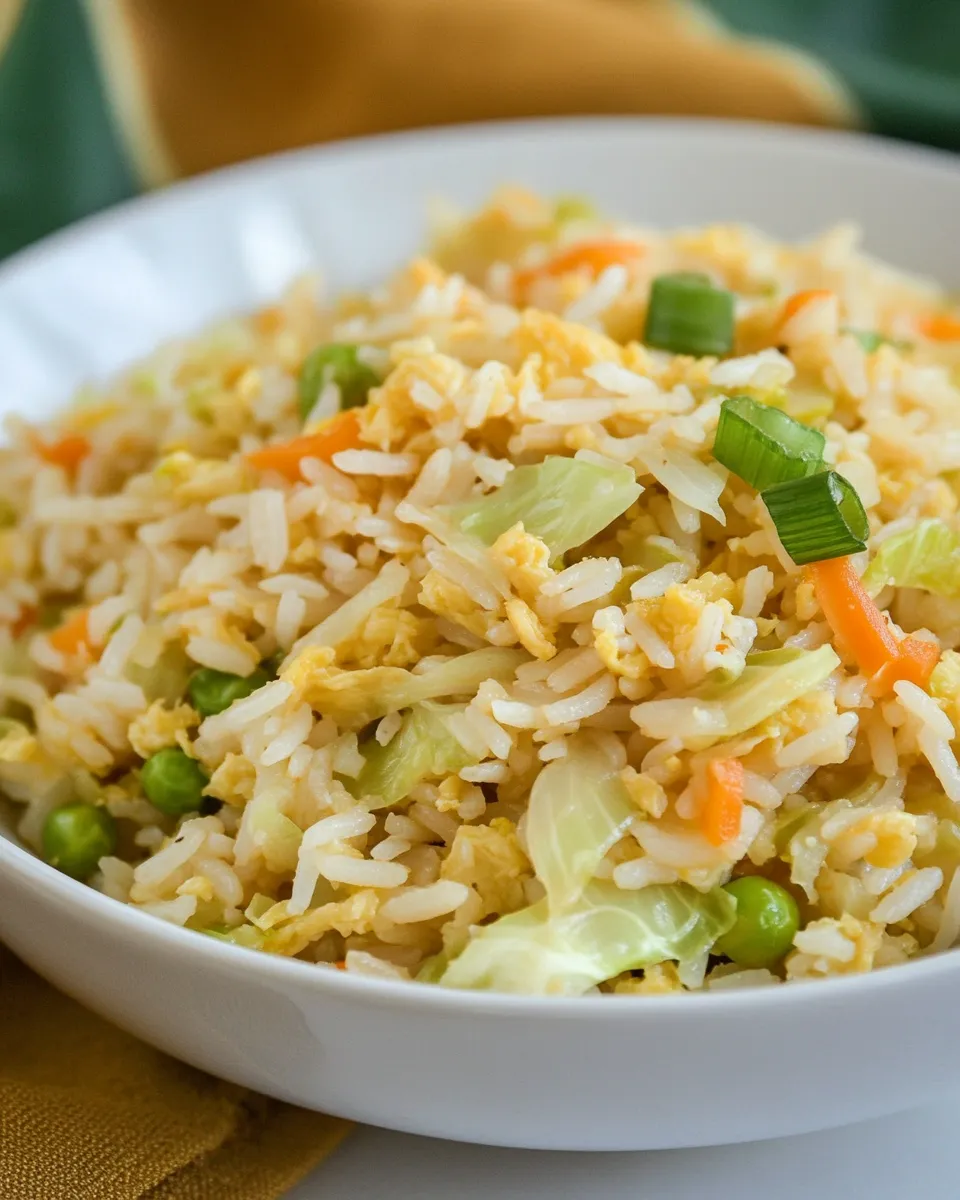
Want to push the flavor? Here are ideas that don’t require a full rewrite of the method. Keep quantities consistent; add these elements sparingly and to taste.
- Add a soft scrambled egg or a couple of fried eggs on top for protein and richness.
- Stir in a splash of rice vinegar or a squeeze of lime at the end to brighten the flavors.
- For heat, use chili flakes or a drizzle of chili oil right before serving; sesame oil is strong, so balance accordingly.
- Finish with fresh herbs like scallions or cilantro for a fresher profile—chopped and sprinkled on top just before serving.
- Toast sesame seeds and sprinkle them on for nuttiness and texture contrast.
Before You Start: Equipment
Good equipment makes this recipe easy. Use a large heavy-bottomed skillet or a wok—something that holds heat and gives the vegetables room to move. A crowded pan steams instead of sears, so choose a vessel with plenty of surface area.
Have a sturdy spatula or wooden spoon for constant stirring; you’ll be moving the vegetables quickly over high heat. A box grater for the carrot and a sharp knife for the cabbage and onion speeds prep. If you have a splatter screen, it helps with very hot oil but isn’t required.
Mistakes Even Pros Make
1) Going in with a cold pan. If the pan isn’t hot enough, the vegetables will sweat and become soggy rather than searing. Preheat until it’s really hot.
2) Overcrowding the pan. Too many vegetables reduce the pan temperature and trap steam. Work in batches if necessary.
3) Using freshly cooked, steaming rice. Hot, sticky rice clumps and turns mushy. Use cooled or day-old jasmine rice and measure it after cooking to match the recipe.
4) Over-seasoning early. Soy sauce is added at the end in this recipe. Taste and adjust gradually—salt can amplify as the dish rests briefly after cooking.
In-Season Swaps
When cabbage isn’t at its peak, swap in other sturdy vegetables that hold up to high heat. Shredded Brussels sprouts substitute well for similar texture and bite. Thinly sliced fennel adds a sweet-anise note if you want something subtler.
Root vegetables like thinly sliced parsnip or daikon can work for winter variations—just give them a touch more time to soften. In summer, throw in a handful of shredded cucumber or snap peas at the end for a fresh, crisp lift instead of swaps that need full cooking.
Little Things that Matter
Keep these small details in mind. Use jasmine rice for its fragrance; it’s part of the profile. Grate the carrot rather than slicing it—grated carrot blends in and cooks quickly. When adding butter, let it melt and briefly bubble; the fat helps the rice take on gloss and flavor without making it greasy.
Constant stirring over high heat creates those tiny caramelized bits that taste like a cross between roasted and sautéed vegetables. If you like a touch more crunch, remove the pan from heat a little earlier. If you prefer softer results, cook the vegetables a minute or two longer—but stop before they become limp.
Shelf Life & Storage
Cool leftovers quickly, then store in an airtight container in the refrigerator for 3–4 days. Reheat gently in a skillet over medium heat with a splash of water or oil to revive texture; microwaving works too but can make it softer.
To freeze, portion into airtight containers or freezer bags and freeze for up to 1 month. Thaw overnight in the fridge before reheating. Note: texture will shift slightly after freezing, so this is best for when convenience trumps crispness.
Handy Q&A
Q: Can I make this vegetarian or vegan? A: The recipe is vegetarian as written. To make it fully vegan, swap the unsalted butter for a neutral oil or a vegan butter alternative and keep the sesame oil for flavor.
Q: Can I add meat or tofu? A: Yes. Cook small pieces of protein separately in the hot pan, then remove and add back in when you add the rice so the meat or tofu stays juicy and not overcooked.
Q: What if my rice clumps? A: Break clumps up before adding. If clumping persists, stir vigorously in the pan and use the back of your spatula to press and separate while heating for 1–2 minutes.
Q: Is the sesame oil required? A: It’s used as a finishing oil for aroma and flavor. You can omit it, but the dish will lose that characteristic toasted sesame note.
The Takeaway
This Cabbage Fried Rice is practical, quick, and adaptable. It uses simple ingredients, turns out reliably when you respect the heat, and suits weeknights, meal prep, and last-minute dinners. Keep the rice cool, the pan hot, and taste before you finish. A few small decisions—grating the carrot, using butter at the end, and a final dash of sesame oil—make a big difference.
Make it your own: add an egg, toss in a handful of herbs, or keep it plain and excellent. It’s one of those recipes that rewards care and forgives improvisation. I hope it becomes one of your go-to quick dinners, too.
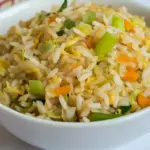
Cabbage Fried Rice Recipe
Ingredients
Ingredients
- 1 small or 1/2 large green cabbage (about 8 cups), finely sliced
- 1 large carrot 1 cup peeled and grated
- 1 medium onion 1 cup, finely diced
- 2 Tbspcooking oil
- 3 cupscooked Jasmine rice *
- 2 Tbspunsalted butter
- 2 TbspSoy Sauce
- 1 tspsesame oil this gives the rice an authentic Asian aroma & flavor
- 1/4 tspsalt or to taste or no salt at all!
- 1/8 tspfreshly ground black pepper or to taste
Instructions
Instructions
- Prepare the vegetables and rice: finely slice 1 small (or 1/2 large) green cabbage (about 8 cups), peel and grate 1 large carrot (about 1 cup), and finely dice 1 medium onion (about 1 cup). Measure 3 cups cooked Jasmine rice.
- If your rice is not already cooked, cook Jasmine rice according to package instructions, cool slightly, then measure 3 cups cooked rice before proceeding.
- Heat a large heavy-bottomed skillet or wok over very high heat until hot. Add 2 Tbsp cooking oil and swirl to coat the pan.
- Add the sliced cabbage, grated carrot, and diced onion to the hot pan. Sauté over very high heat, stirring constantly, until the cabbage is wilted and beginning to turn a little golden, about 7–10 minutes (the vegetables will shrink to about 1/3–1/2 their original volume). If the pan begins to burn, reduce heat slightly but keep it hot.
- Add 2 Tbsp unsalted butter to the pan and stir until melted. Add the 3 cups cooked Jasmine rice and break up any clumps, stirring to combine with the vegetables. Cook 1–2 minutes to heat the rice through.
- Stir in 2 Tbsp Soy Sauce and 1 tsp sesame oil. Add 1/4 tsp salt (or omit) and 1/8 tsp freshly ground black pepper (or to taste). Stir well, taste, and adjust salt or pepper if desired.
- Remove from heat and serve immediately.
Equipment
- large heavy-bottomed skillet or wok
Notes
*Or
1 cup uncooked Jasmine rice with 1 Tbsp unsalted butter and 1/2 tsp salt