
Buttered Red Potatoes with Dill
I love a simple side that arrives at the table smelling like comfort and looking like effort—this one does both. Small red potatoes get a quick boil, a butter bath in a hot skillet, and a final hit of fresh dill and Parmesan. It’s an easy recipe that reads fancy on a menu but requires almost nothing from the cook.
No elaborate mise en place. No tricky timing. The method leans on good technique—don’t overboil, let the bottoms brown, finish off with herb and cheese—and it rewards you with crisp edges, tender centers, and a bright herb finish. I reach for this dish when friends are coming over and when I need a reliable side to pair with roasted chicken, grilled fish, or a hearty stew.
If you want a recipe that’s forgiving, fast, and crowd-pleasing, this is it. Keep a little extra butter and cheese close by; people will ask for seconds.
What to Buy

Ingredients
- 2 lb baby red potatoes — cut into 1″ pieces, quartered or into eighths if larger; they cook quickly and hold their shape.
- 1 tsp salt for water — seasons the potatoes internally while they boil.
- 4 Tbsp unsalted butter — provides the skillet browning and rich flavor; start unsalted so you can control seasoning.
- Garlic salt to taste — the primary surface seasoning; add gradually and taste.
- 2-3 Tbsp fresh dill, chopped — folded in at the end for bright, anise-like freshness.
- 1/3 – 1/2 cup Parmesan Cheese, shredded — melts slightly into the hot potatoes for a salty, umami finish.
Buttered Red Potatoes with Dill: How It’s Done
- Place the 2 lb baby red potatoes (cut into 1″ pieces, quartered or into eighths if larger) in a medium pot. Add warm water until the water level is 1/2″ above the potatoes, then stir in 1 tsp salt.
- Cover the pot and bring to a boil. Maintain a light boil and cook 10–12 minutes, or until a fork smoothly pierces the potatoes. Remove from heat and drain the potatoes well.
- While the potatoes drain, heat a large skillet over medium heat and melt 4 Tbsp unsalted butter.
- Transfer the drained potatoes to the skillet with the melted butter. Sprinkle garlic salt to taste over the potatoes and toss them to coat evenly in the butter. (You may sprinkle a little more garlic salt after tossing, if desired.)
- Let the potatoes sit undisturbed in the skillet for 2–3 minutes so the bottoms can brown.
- Turn the potatoes and let them sit another 2–3 minutes to brown the other side.
- When the potatoes are starting to turn golden on the second side, turn them one more time, sprinkle 2–3 Tbsp chopped fresh dill over the potatoes, and top with 1/3–1/2 cup shredded Parmesan cheese. Remove the skillet from heat and let the potatoes sit in the hot pan until the cheese melts slightly (about 1–2 minutes). Serve.
Why I Love This Recipe
This dish is honest and adaptable. The potatoes bring the substance, butter adds comfort, dill brightens the whole plate, and Parmesan ties it together with a savory finish. The texture contrast—crispy browned edges and creamy interiors—makes every bite interesting without extra work.
It’s also a forgiving recipe that scales easily. The steps are straightforward: boil, drain, butter-skillet, brown, finish. Because the potatoes are par-cooked in water, the skillet step becomes fast and focused on texture rather than cooking through. That means you can get perfectly tender potatoes with a golden sear even on a busy weeknight.
Finally, it’s a rare side that works equally well with both casual and more formal mains. Serve it at a picnic with grilled sausages or at a dinner party alongside roasted fish; it reads as thoughtful without taking you away from the rest of the meal.
Smart Substitutions
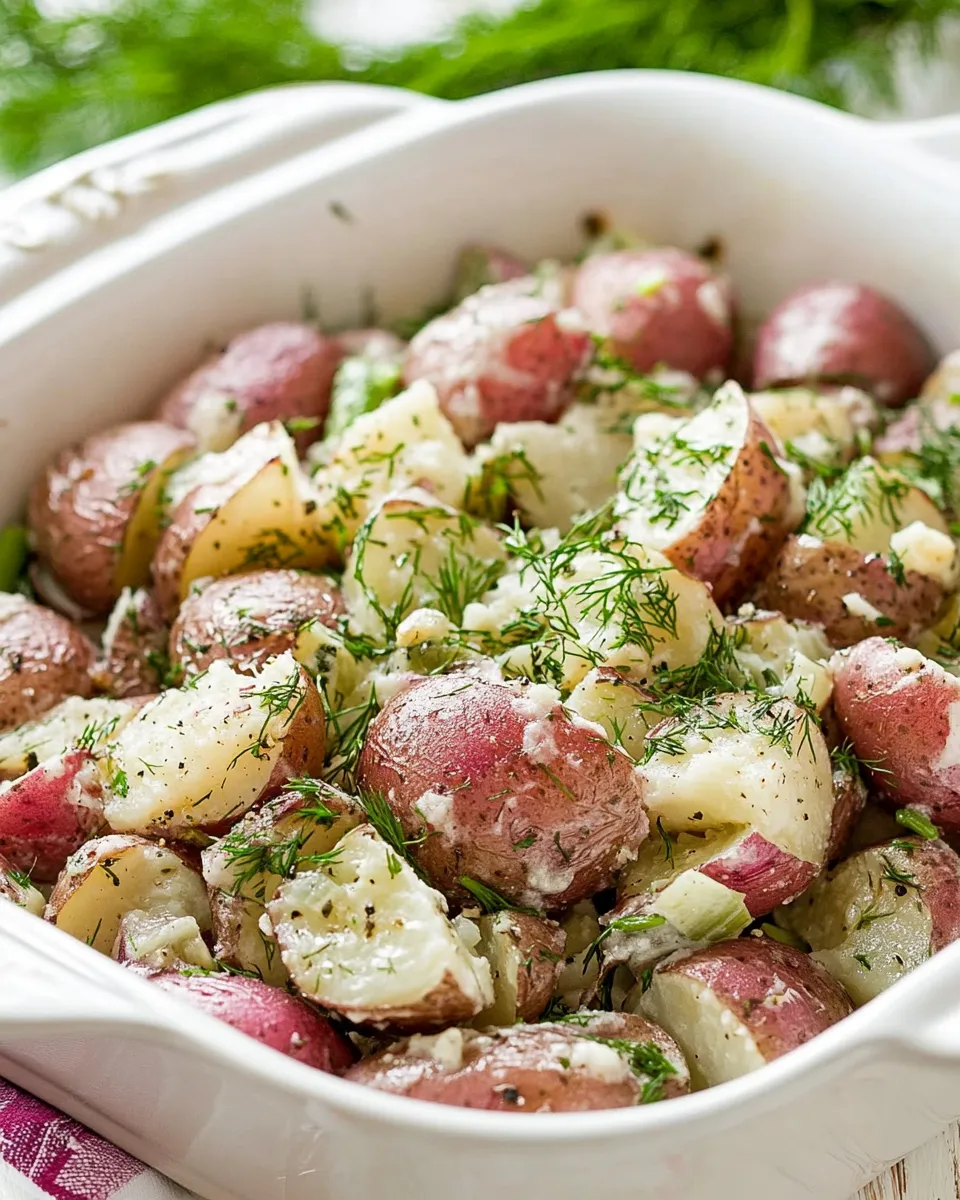
– If you only have salted butter available, use it but cut back on the garlic salt when seasoning the finished potatoes. The water salt is still needed for internal seasoning, so keep that 1 tsp in the pot.
– If you prefer a lighter finish, use the lower end of the Parmesan range (1/3 cup) and sprinkle the rest at the table. The recipe gives 1/3–1/2 cup, so stick within that range rather than creating a new quantity.
– If you want less sodium overall, skip the garlic salt and add a touch of the 1 tsp water salt to the cooking water only; rely on fresh dill and Parmesan for flavor contrast.
– To emphasize herb flavor without adding other herbs, increase the dill to the top end of the 2–3 Tbsp range; fresh dill is already part of the ingredient list, so this stays within the recipe’s items.
Gear Checklist
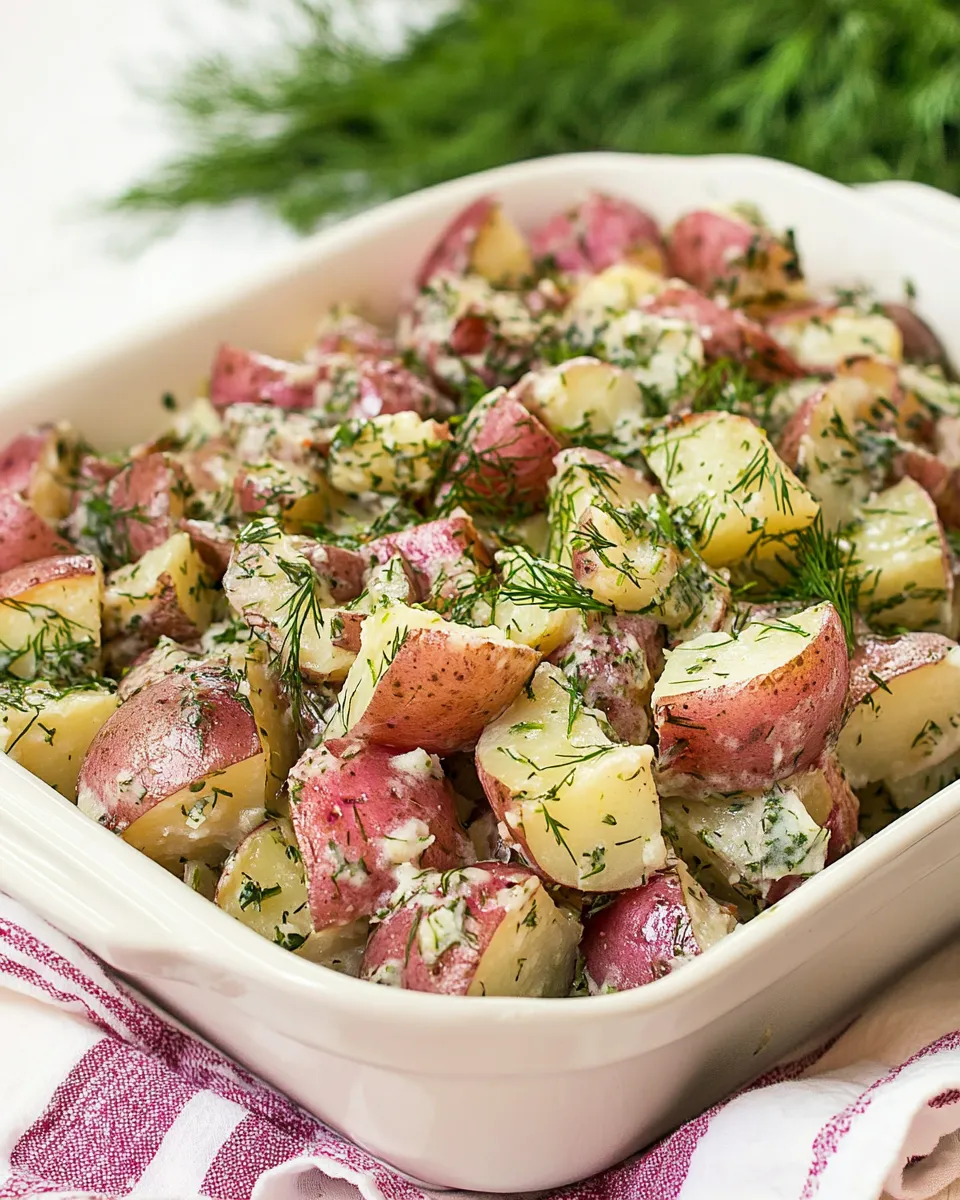
- Medium pot with a lid — to boil the potatoes evenly and quickly.
- Large skillet (preferably nonstick or well-seasoned cast iron) — for melting butter, browning, and finishing with dill and cheese.
- Colander — to drain the potatoes thoroughly so they crisp in the skillet.
- Wooden spoon or spatula — to turn potatoes gently so they keep their shape.
- Measuring spoons and cups — to keep the 1 tsp salt, 4 Tbsp butter, and 1/3–1/2 cup Parmesan consistent.
Easy-to-Miss Gotchas
– Don’t skip draining the potatoes well. Excess water in the pot will steam the potatoes in the skillet and prevent browning. Drain until the potatoes stop dripping into the sink.
– Keep the skillet at true medium heat. Too hot and the butter will scorch before the potatoes can brown; too low and you’ll soften the potatoes instead of getting a crisp edge. A consistent medium heat is what creates those golden patches.
– Be gentle when turning the potatoes. They’re tender after boiling and will break if you toss them too vigorously. Use a spatula to flip small batches if needed.
– Watch the cheese step. The Parmesan is meant to melt slightly from residual heat; if you leave the skillet on the burner, the cheese can over-melt or become clumpy. Remove the skillet from heat immediately after adding Parmesan and dill.
Seasonal Flavor Boosts
– In spring and early summer when dill is at its brightest, use the full 3 Tbsp and add it just before serving to preserve that fresh taste. The recipe already includes fresh dill, so amplify rather than replace.
– In colder months, you can nudge the Parmesan amount toward the 1/2 cup end for a richer, more comforting finish. Parmesan is already part of the ingredient list and is a natural winter boost.
– For a lighter summer plate, use the lower butter and Parmesan amounts called for in the recipe and emphasize the fresh dill to keep the dish bright.
Recipe Notes & Chef’s Commentary
Small details make a big difference here. Warm water in the pot shortens the time to a simmer and helps the potatoes come up to temperature without shocking them; it’s a small step that improves texture. Boiling with 1 tsp salt seasons the potatoes all the way through; don’t omit this unless you need a sodium-free version.
When moving the potatoes to the skillet, give the pan a gentle shake and spread them into an even layer. Leaving them undisturbed for those 2–3 minute intervals is intentional: it creates brown, caramelized faces on the potatoes that add both flavor and visual appeal. When those golden patches appear, you know the job is done.
I also recommend having the dill chopped and the Parmesan shredded before you begin the skillet step. That way the finish is quick and the potatoes rest in a hot pan long enough to melt the cheese slightly without losing texture.
Refrigerate, Freeze, Reheat
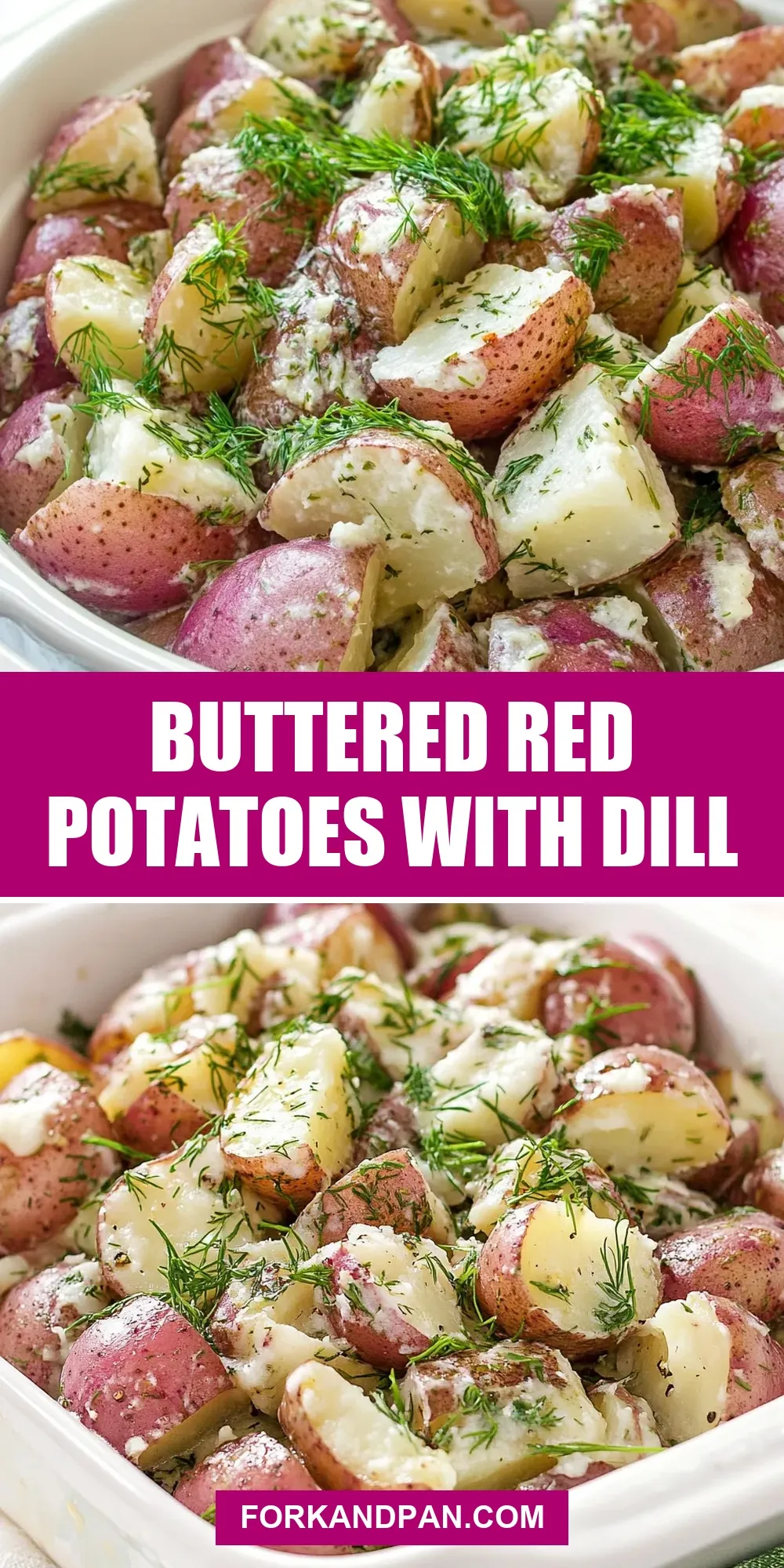
– Refrigerate: Cool the potatoes to room temperature, then place them in an airtight container. They keep well in the refrigerator for up to 3 days. Note that the browned edges will soften in the fridge, but flavor remains excellent.
– Freeze: This preparation doesn’t freeze particularly well because of the butter and fresh dill. If you must, freeze only the par-cooked potatoes (before the skillet step) for up to 1 month; thaw and finish in the skillet with fresh butter, dill, and Parmesan. That keeps the best texture.
– Reheat: Re-crisp in a skillet over medium heat with a small knob of butter. Avoid the microwave for reheating if you want to preserve texture; the microwave will make the potatoes soggy. Add a little extra fresh dill and a sprinkle of Parmesan after reheating.
Quick Questions
Q: Can I peel the potatoes?
A: Baby red potatoes have thin skins that add texture and flavor; I leave them on. If you prefer peeled potatoes, that’s fine but you’ll lose a bit of structure and color.
Q: How do I know the potatoes are done boiling?
A: A fork should pierce the pieces smoothly without resistance. The specified 10–12 minutes is a guideline—start checking at 10 minutes.
Q: Do I need to shake the skillet while browning?
A: No—let the potatoes sit undisturbed for 2–3 minutes per side to develop color. Gentle turning, not vigorous shaking, preserves the cooked shape.
Q: Can I add extra herbs?
A: The recipe confines itself to the ingredients listed; if you do add others, keep them minimal. Increasing the fresh dill to the top of the specified range is the safest way to add more herb character while staying within the recipe’s ingredient list.
Ready, Set, Cook
– Prep time: 5–10 minutes (wash and cut potatoes, chop dill, shred Parmesan).
– Cook time: ~15 minutes active after the boil (10–12 minutes boil + skillet time).
– Serve: Straight from the skillet, warm, with any extra Parmesan at the table.
Final practical tip: mise en place makes this quick. Have the dill and Parmesan ready before you transfer the potatoes to the skillet so the finish is seamless. Follow the steps in order, keep an eye on heat, and you’ll end up with buttery, herb-kissed potatoes that disappear fast.
Buttered Red Potatoes with Dill
Ingredients
Ingredients
- 2 lbbaby red potatoes cut into 1" pieces, quartered or into 1/8'ths if larger.
- 1 tspsalt for water
- 4 Tbspunsalted butter
- Garlic salt to taste
- 2-3 Tbspfresh dill chopped
- 1/3 - 1/2 cupParmesan Cheese shredded
Instructions
Instructions
- Place the 2 lb baby red potatoes (cut into 1" pieces, quartered or into eighths if larger) in a medium pot. Add warm water until the water level is 1/2" above the potatoes, then stir in 1 tsp salt.
- Cover the pot and bring to a boil. Maintain a light boil and cook 10–12 minutes, or until a fork smoothly pierces the potatoes. Remove from heat and drain the potatoes well.
- While the potatoes drain, heat a large skillet over medium heat and melt 4 Tbsp unsalted butter.
- Transfer the drained potatoes to the skillet with the melted butter. Sprinkle garlic salt to taste over the potatoes and toss them to coat evenly in the butter. (You may sprinkle a little more garlic salt after tossing, if desired.)
- Let the potatoes sit undisturbed in the skillet for 2–3 minutes so the bottoms can brown.
- Turn the potatoes and let them sit another 2–3 minutes to brown the other side.
- When the potatoes are starting to turn golden on the second side, turn them one more time, sprinkle 2–3 Tbsp chopped fresh dill over the potatoes, and top with 1/3–1/2 cup shredded Parmesan cheese. Remove the skillet from heat and let the potatoes sit in the hot pan until the cheese melts slightly (about 1–2 minutes). Serve.
Equipment
- Medium pot
- Large Skillet
- Colander