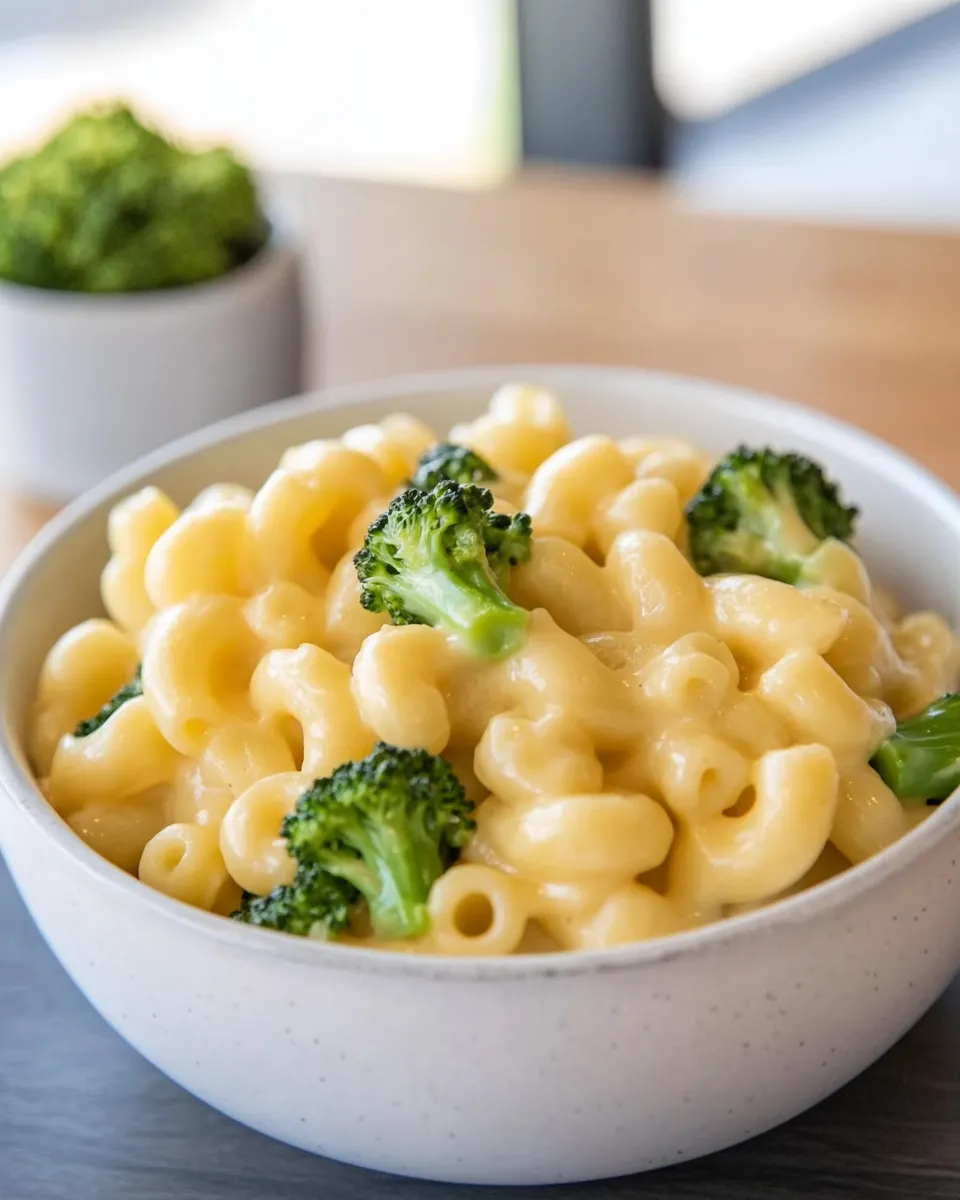
Broccoli Mac and Cheese
This is the kind of dinner I make when I want comfort without the fuss. It’s wholesome, creamy, and just cheesy enough to satisfy everyone at the table. Broccoli adds color, texture, and a little nutrition that makes this feel more like a proper meal than a guilty pleasure.
I like that it comes together quickly and that the components are forgiving — pasta, a simple béchamel-based cheese sauce, and steamed broccoli. Little swaps and timing adjustments let you tailor it to whatever you have on hand, and it reheats beautifully for lunches the next day.
Below I walk through the ingredients, the exact method, common mistakes to avoid, and pro tips for the best texture. If you want to tweak it for spring greens or a winter casserole, I’ve included seasonal ideas too.
Ingredient Breakdown

Ingredients
- 8 oz (225 g) macaroni — The pasta body: pick a shape that holds sauce (elbows, small shells). Cook al dente so it doesn’t turn mushy when mixed with the sauce.
- 2 tablespoons unsalted butter — Fat for the roux; unsalted lets you control the final seasoning.
- 2 tablespoons all-purpose flour — Thickener for the sauce. Cooked briefly with butter to avoid a raw flour taste.
- 1 and ½ cups milk — The liquid base. Whole milk gives the creamiest result; 2% works fine if you prefer lighter texture.
- 1 teaspoon dijon mustard — Brings a subtle tang that brightens the cheese and rounds the flavor.
- ¼ teaspoon nutmeg — A whisper of warmth that complements the dairy. Use sparingly.
- 1 teaspoon garlic powder — Convenient garlic flavor without the moisture fresh garlic adds. Adjust to taste.
- ½ teaspoon salt — Baseline seasoning. You may need a touch more depending on the cheese.
- ¼ teaspoon ground black pepper — Freshly ground is best for aroma; adds a little bite.
- 2 cups broccoli florets — Steamed until just tender. Keeps color and texture when tossed with sauce.
- 2 cups cheese such as cheddar, Monterey Jack, or Colby — Grated or shredded so it melts easily. Pick one you enjoy eating on its own for best flavor.
Method: Broccoli Mac and Cheese
- Bring a large pot of water to a boil, add the macaroni, and cook until al dente according to the package directions. Before draining, reserve a small amount of the pasta cooking water, then drain the pasta and set it aside.
- While the pasta cooks, steam the broccoli florets in a steamer basket over simmering water (or in a covered pan with a small amount of water) until bright green and just tender, about 4–5 minutes. Drain and set aside.
- In a large pan or pot over medium heat, melt the butter. Add the flour and cook, whisking constantly, for about 1 minute to form a roux.
- Gradually whisk in the milk until the mixture is smooth. Add the Dijon mustard, nutmeg, garlic powder, salt, and ground black pepper. Continue to whisk as the sauce heats to a gentle simmer and thickens.
- Remove the pan from the heat or lower to very low, then add the shredded/grated cheese in batches, whisking after each addition until the sauce is smooth and the cheese is fully melted.
- Add the cooked macaroni and steamed broccoli to the cheese sauce. Stir gently to combine and coat everything evenly. If the sauce is too thick, thin it with a little of the reserved pasta cooking water until you reach the desired consistency.
- Taste and adjust seasoning if needed, then serve immediately.
Why Cooks Rave About It
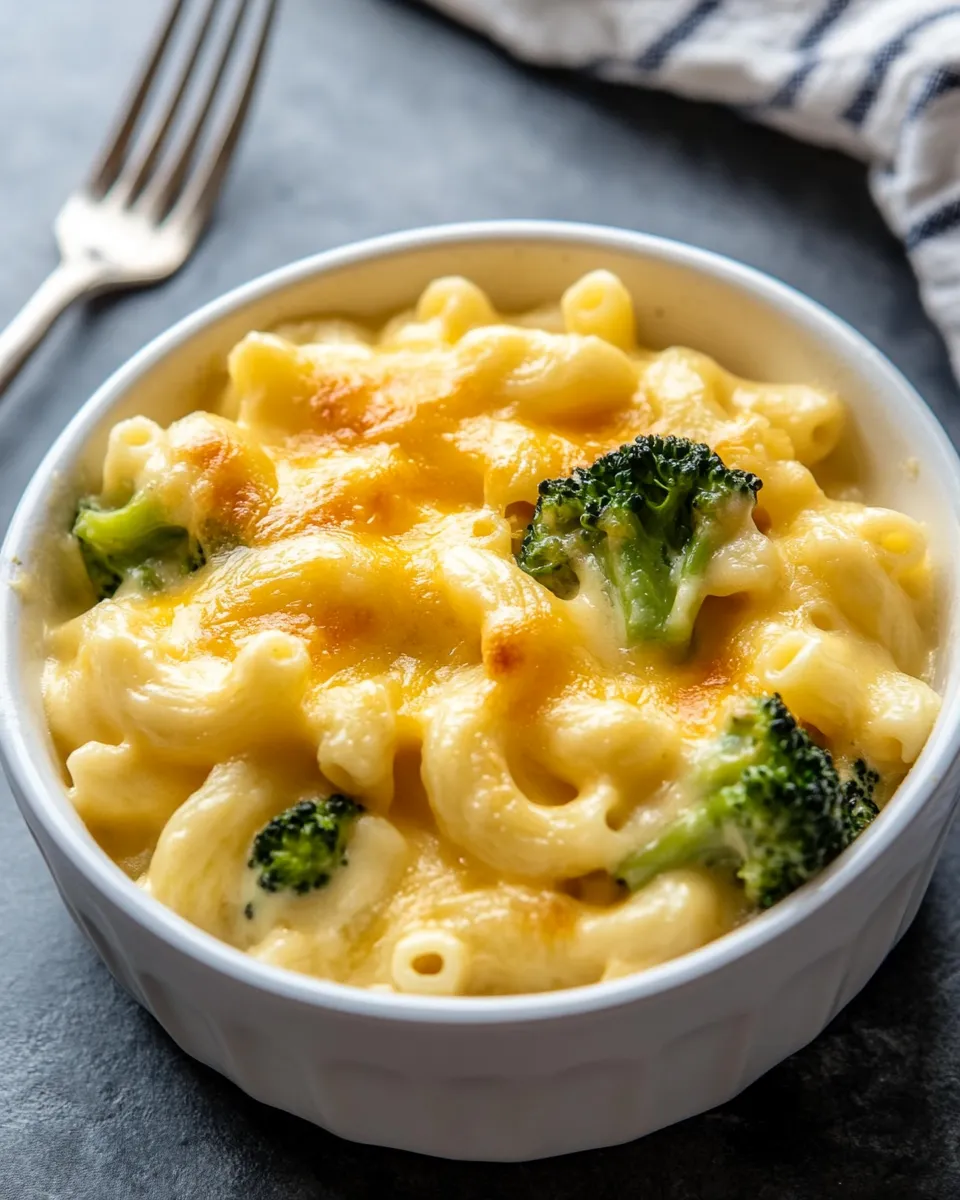
This dish hits comfort cuisine notes without demanding complicated technique. The sauce is a classic, reliable base: butter, flour, milk, and cheese — nothing exotic, and that’s the point. The Dijon and nutmeg are small additions that make a big difference. They keep the flavor lively and prevent the dish from tasting one-dimensional.
Broccoli is the ideal partner here. It brightens the plate and brings a little bite that contrasts with the creamy sauce. When you steam the florets until they’re just tender, you keep their color and texture, and the result feels homey and balanced rather than heavy.
Ingredient Swaps & Substitutions
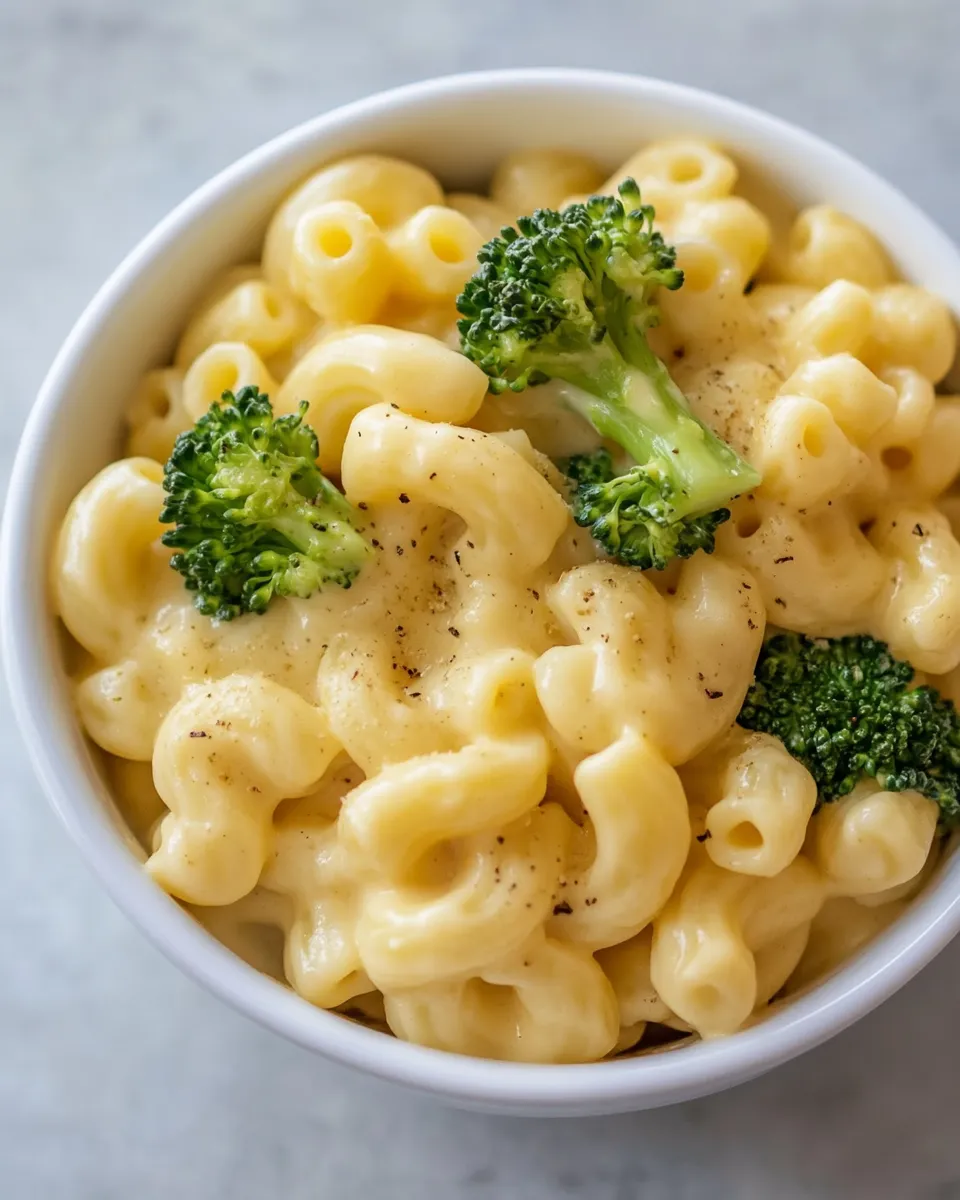
- Pasta — Any short pasta works. Use small shells or cavatappi if you want more nooks for sauce. If you must, whole wheat will work but expect a firmer bite.
- Milk — Swap to a mix of milk and half-and-half for extra richness. For a lighter version, use low-fat milk, though the sauce will be thinner.
- Cheese — Cheddar gives sharpness; Monterey Jack melts smoothly; Colby is milder. A blend of two types often delivers the best texture and flavor. Avoid pre-shredded bags if you can; anti-caking agents can affect melting.
- Dijon — If you don’t have Dijon, a teaspoon of yellow mustard or a splash of Worcestershire will add depth, though Dijon is preferable.
- Broccoli — Substitute with cauliflower florets or a mix of peas and spinach for a different vegetable profile.
Must-Have Equipment
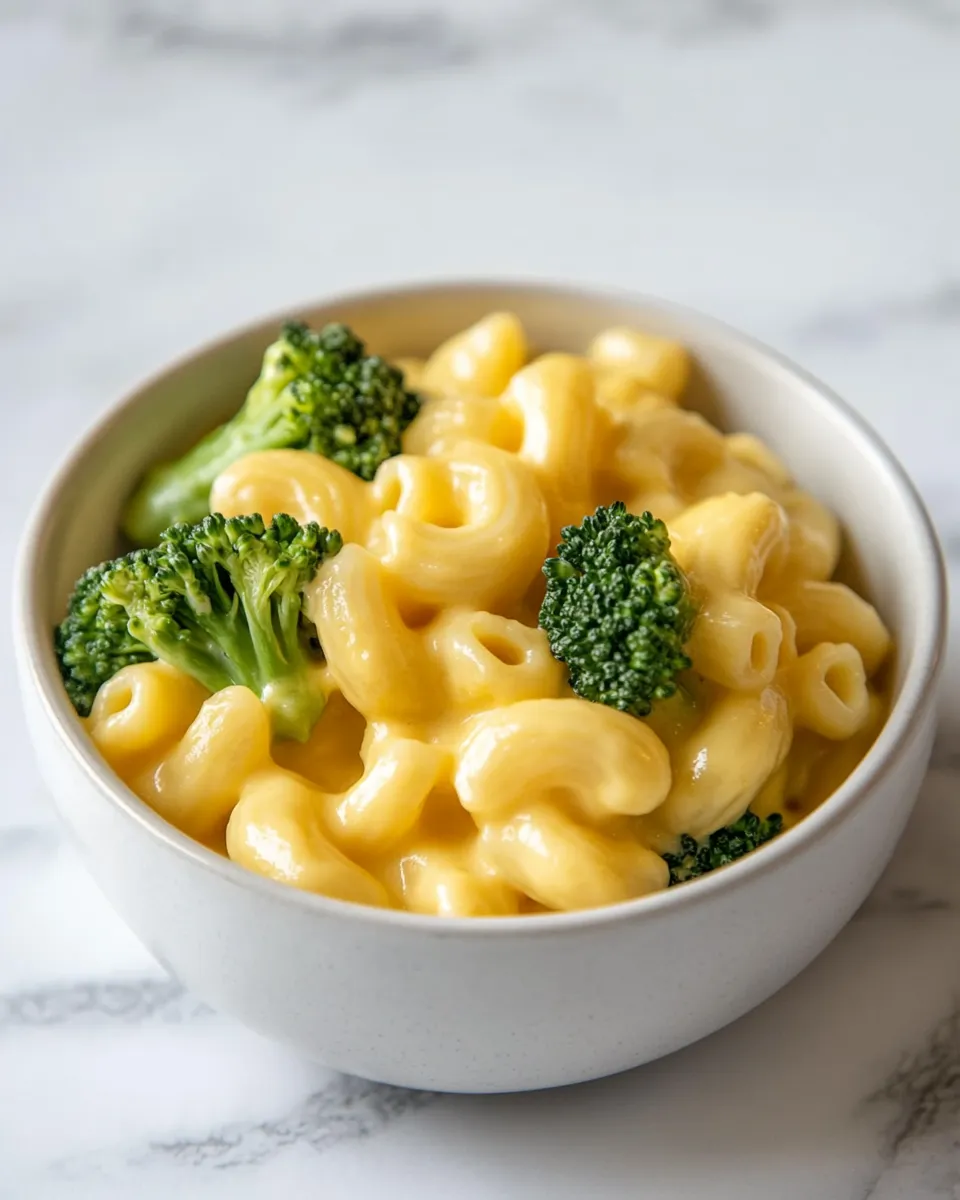
- Large pot for boiling pasta — Big enough for the macaroni to move freely; prevents starchy water from making the pasta gummy.
- Steamer basket or a pan with a tight-fitting lid — For quick, even steaming of the broccoli.
- Large saucepan or medium pot — For making the roux and cheese sauce. A heavy-bottomed pan helps prevent scorching.
- Whisk — Essential for smoothing the roux and preventing lumps when adding milk.
- Grater — Freshly shredded cheese melts best. A box grater or food processor grating disk works fine.
Frequent Missteps to Avoid
- Overcooking the pasta. It should be al dente. Pasta cooked too long will become mushy once mixed with the sauce and held for any time.
- Skipping the roux step or not cooking the flour long enough. That raw flour flavor will carry through unless the flour is cooked briefly in the butter first.
- Adding cold milk all at once. Pour gradually while whisking so the sauce stays smooth and lump-free.
- Using pre-shredded cheese. The anti-caking agents can make the sauce grainy and less silky. Fresh-shredded cheese melts more consistently.
- Steaming broccoli until falling apart. Aim for tender-crisp to keep structure and color.
- Over-salting before you add the cheese. Many cheeses are salty; taste and adjust at the end.
Spring–Summer–Fall–Winter Ideas
Spring
Add blanched asparagus tips or baby peas in place of or alongside the broccoli. A handful of fresh herbs — chives or tarragon — brightens the dish and keeps it light.
Summer
Toss in grilled corn kernels and a sprinkle of smoked paprika for a slightly smoky, sunny twist. Serve with a crisp tomato salad on the side.
Fall
Stir in roasted butternut squash cubes and swap half the cheddar for Gruyère to add nutty warmth. Top with lightly toasted pepitas for crunch.
Winter
Melt in a spoonful of Dijon and a pinch more nutmeg, and mix in wilted spinach or roasted Brussels sprouts. This version pairs well with roasted chicken or a simple green salad.
Pro Perspective
Keep heat moderate when making the sauce. Once the milk reaches a simmer and the roux starts to thicken it will continue to cook off heat, so you don’t need a rolling boil. Low, controlled heat gives a silky texture and prevents breaking.
When melting the cheese, remove the pan from direct heat or lower it very low. Adding cheese on intense heat can cause the proteins to seize and the sauce to become grainy. Add cheese in batches and whisk gently until smooth.
Reserve pasta water. That starchy water is magic for adjusting the sauce’s consistency and helps the sauce cling to the pasta.
Refrigerate, Freeze, Reheat
Refrigerate: Store leftovers covered in the fridge for up to 3–4 days. The sauce firms as it cools, so reseal tightly to prevent drying.
Freeze: You can freeze portions in airtight containers for up to 2 months, but expect some texture change in the broccoli after thawing. If freezing, undercook the pasta slightly before assembling; it will hold up better when reheated.
Reheat: The best reheating method is stovetop. Gently warm portions in a skillet over low heat with a splash of milk or reserved pasta water, stirring until smooth. Microwaving works in a pinch—stir halfway through and add a little liquid to restore creaminess.
Broccoli Mac and Cheese Q&A
Q: Can I make this gluten-free?
A: Yes. Use a gluten-free all-purpose flour for the roux or a cornstarch slurry (mix 1 tablespoon cornstarch with 1 tablespoon cold water, whisk into warm milk). Choose gluten-free pasta to match.
Q: My sauce separated. What went wrong?
A: Separation usually happens from overheating the cheese—either the heat was too high when the cheese went in or the sauce was boiling. Cool the pan slightly and whisk gently. If it’s grainy, a splash of warm milk and patient whisking can help smooth it out.
Q: Can I make this ahead?
A: You can prepare components ahead: steam the broccoli and cook the pasta, but keep them separate. Reheat the sauce and combine everything just before serving for the best texture.
Q: Is there a baked option?
A: Yes. After combining pasta, broccoli, and sauce, transfer to a buttered baking dish. Top with extra cheese and breadcrumbs, then bake at 350°F (175°C) until bubbly and golden, about 20–25 minutes.
Let’s Eat
Serve this Broccoli Mac and Cheese hot from the stove. A simple green salad or roasted chicken complements it well. For crunch, sprinkle panko breadcrumbs toasted in a little butter over the top. Leftovers make a satisfying lunch—just loosen with a splash of milk when reheating.
It’s an approachable recipe that rewards attention to a few small details: don’t overcook the pasta, temper the milk slowly, and keep heat low when melting the cheese. Do those things and you’ll have a creamy, vibrant mac and cheese that feels both comforting and fresh. Enjoy.
Broccoli Mac and Cheese
Ingredients
Ingredients
- ?8 oz 225 gmacaroni
- ?2 tablespoonsunsalted butter
- ?2 tablespoonsall-purpose flour
- ?1 and 1/2 cupsmilk
- ?1 teaspoondijon mustard
- ?1/4 teaspoonnutmeg
- ?1 teaspoongarlic powder
- ?1/2 teaspoonsalt
- ?1/4 teaspoonground black pepper
- ?2 cupsbroccoli florets
- ?2 cupscheesesuch as cheddar Monterey Jack, or Colby
Instructions
Instructions
- Bring a large pot of water to a boil, add the macaroni, and cook until al dente according to the package directions. Before draining, reserve a small amount of the pasta cooking water, then drain the pasta and set it aside.
- While the pasta cooks, steam the broccoli florets in a steamer basket over simmering water (or in a covered pan with a small amount of water) until bright green and just tender, about 4–5 minutes. Drain and set aside.
- In a large pan or pot over medium heat, melt the butter. Add the flour and cook, whisking constantly, for about 1 minute to form a roux.
- Gradually whisk in the milk until the mixture is smooth. Add the Dijon mustard, nutmeg, garlic powder, salt, and ground black pepper. Continue to whisk as the sauce heats to a gentle simmer and thickens.
- Remove the pan from the heat or lower to very low, then add the shredded/grated cheese in batches, whisking after each addition until the sauce is smooth and the cheese is fully melted.
- Add the cooked macaroni and steamed broccoli to the cheese sauce. Stir gently to combine and coat everything evenly. If the sauce is too thick, thin it with a little of the reserved pasta cooking water until you reach the desired consistency.
- Taste and adjust seasoning if needed, then serve immediately.
Equipment
- Large Pot
- steamer basket or covered pan
- large pan or pot
- Whisk
- Colander
Notes
Make sure that you don’t overcook the pasta, you need it to be just al dente.
Steam the broccoli before adding it to the pasta, either in a separate pot, over the pasta, or in the microwave.
The most popular choice of cheese is cheddar, don’t use extra sharp or aged cheddar. Go for medium or sharp cheddar, other great choices are Monterey Jack, Mozzarella, Fontina, or Colby.
For a silky smooth rich sauce, get a block of cheese instead of the pre-grated stuff. The store grated cheese doesn’t melt very well as it contains anti-caking agents.
When reheating mac and cheese, add a splash of water as the sauce will be too thick.
You can make this in the Instant Pot if you prefer, check out myInstant Pot broccoli mac and cheese.