Boozy Caramel French Toast Casserole
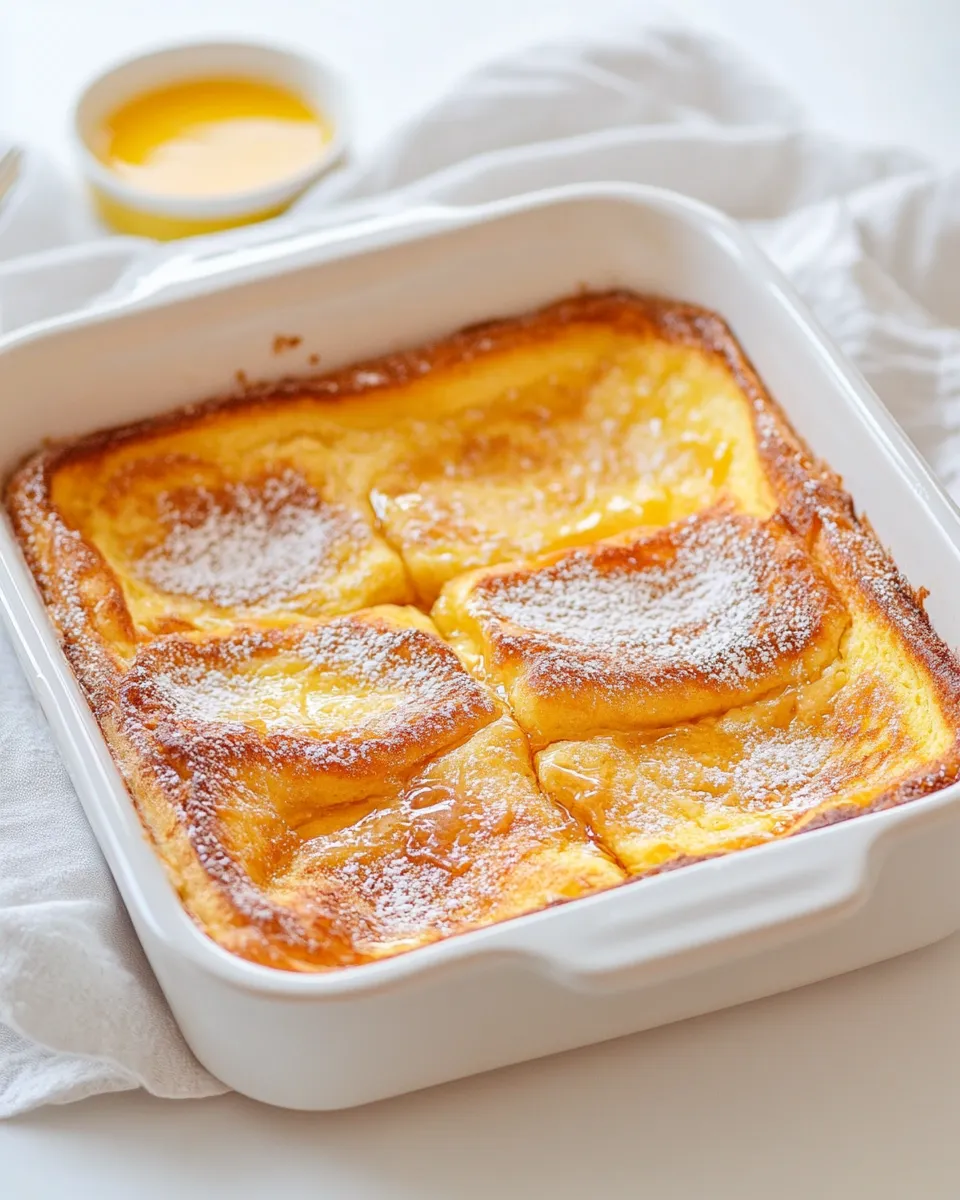
This casserole is exactly the kind of breakfast that feels like a celebration without the fuss. Layers of brioche soaked in an orange- and Grand Marnier-spiked custard rest on a buttery caramel base. Warm, slightly boozy, and indulgent, it’s made to be served hot and savored—the kind of dish you make when the morning deserves an occasion.
It bakes up in one pan and plays nicely with downtime: you can assemble it the night before and bake it the next morning. The caramel base firms up as it cools, so the texture shifts from syrupy to sliceable—both are great, but the casserole is at its best when warm.
Below you’ll find a clear ingredient list that uses only what this recipe needs, followed by step-by-step directions exactly as written for reliable results. I’ll also walk through smart swaps, gear to have on hand, troubleshooting, storage, and reheating so you can make this with confidence.
The Ingredient Lineup

- ½ cup (1 stick) unsalted butter, plus more for greasing the pan — for the caramel and to grease the baking dish so nothing sticks.
- ¾ cup (packed) light brown sugar — gives the caramel its deep, molasses-sweet flavor and helps the base set.
- 2 tablespoons light corn syrup — smooths the caramel and reduces crystallization for a glossy finish.
- 1⅓ lbs brioche (you’ll likely need two loaves but you won’t use it all) — soft, rich bread soaks up the custard without falling apart; slice about 1½-inch thick.
- 5 large eggs — the custard’s structure; whisk until smooth for an even set.
- 1½ cups half-and-half — provides creaminess without being too heavy; it’s the primary liquid in the custard.
- 1 teaspoon vanilla extract — rounds and deepens the custard flavor.
- 3 tablespoons Grand Marnier — the “boozy” element: orange liqueur gives a fragrant lift and a warm note.
- 1 teaspoon orange zest — fresh citrus brightness to balance the caramel and liqueur.
- ¼ teaspoon salt — enhances sweetness and balances flavors.
Directions: Boozy Caramel French Toast Casserole
- Grease a 9 x 13-inch (23 x 33 cm) baking dish with butter; set the dish aside.
- In a small saucepan over medium heat, combine ½ cup (1 stick) unsalted butter, ¾ cup packed light brown sugar, and 2 tablespoons light corn syrup. Whisk constantly until the mixture melts, becomes smooth, and just begins to bubble. Remove from heat and immediately pour the caramel into the prepared baking dish, tilting the dish to spread the caramel in an even layer across the bottom.
- Slice the brioche: if you like, trim off the crusts (this can be rough, it does not need to be perfect). Cut the bread into about 1½-inch (3.75 cm) thick slices. You may not need all the bread; set aside any extra.
- Arrange the brioche slices, flat side down, on top of the caramel in a single layer so the entire base of the pan is covered. Tear or trim slices as needed to fill gaps.
- In a medium bowl, whisk together 5 large eggs, 1½ cups half-and-half, 1 teaspoon vanilla extract, 3 tablespoons Grand Marnier, 1 teaspoon orange zest, and ¼ teaspoon salt until the mixture is smooth and uniform.
- Pour the egg-and-cream mixture evenly over the arranged bread. Press the bread slices down gently with a spatula or your hands so the custard soaks into the bread as much as possible.
- Cover the pan with plastic wrap and refrigerate for at least 20 minutes, or up to overnight, to allow the custard to fully soak into the bread.
- When ready to bake, remove the plastic wrap and place a rack in the middle of the oven. Preheat the oven to 350°F (175°C).
- Bake the casserole, uncovered, on the middle rack for 40 to 50 minutes, until the top is puffed and golden and the center is set (a knife inserted in the center should come out mostly clean).
- Let the casserole cool for a few minutes in the pan (it will deflate slightly), then serve hot—the caramel base will firm up as it cools, so it is best enjoyed warm.
Why Boozy Caramel French Toast Casserole is Worth Your Time
This casserole turns ordinary morning bread into something celebratory with very little active work. The caramel makes the bottom of every slice glossy and rich; the Grand Marnier and orange zest add a lift that keeps the sweetness from feeling cloying. It’s ideal for weekends, brunch guests, or a holiday morning where you want impressive results without babysitting a pan.
Practical benefits: you can assemble ahead, it feeds a crowd, and it slices cleanly once it cools a bit. Compared with making individual French toast slices on a skillet, this method is hands-off and consistent—no worrying about soggy middles or burnt outsides.
Ingredient Swaps & Substitutions
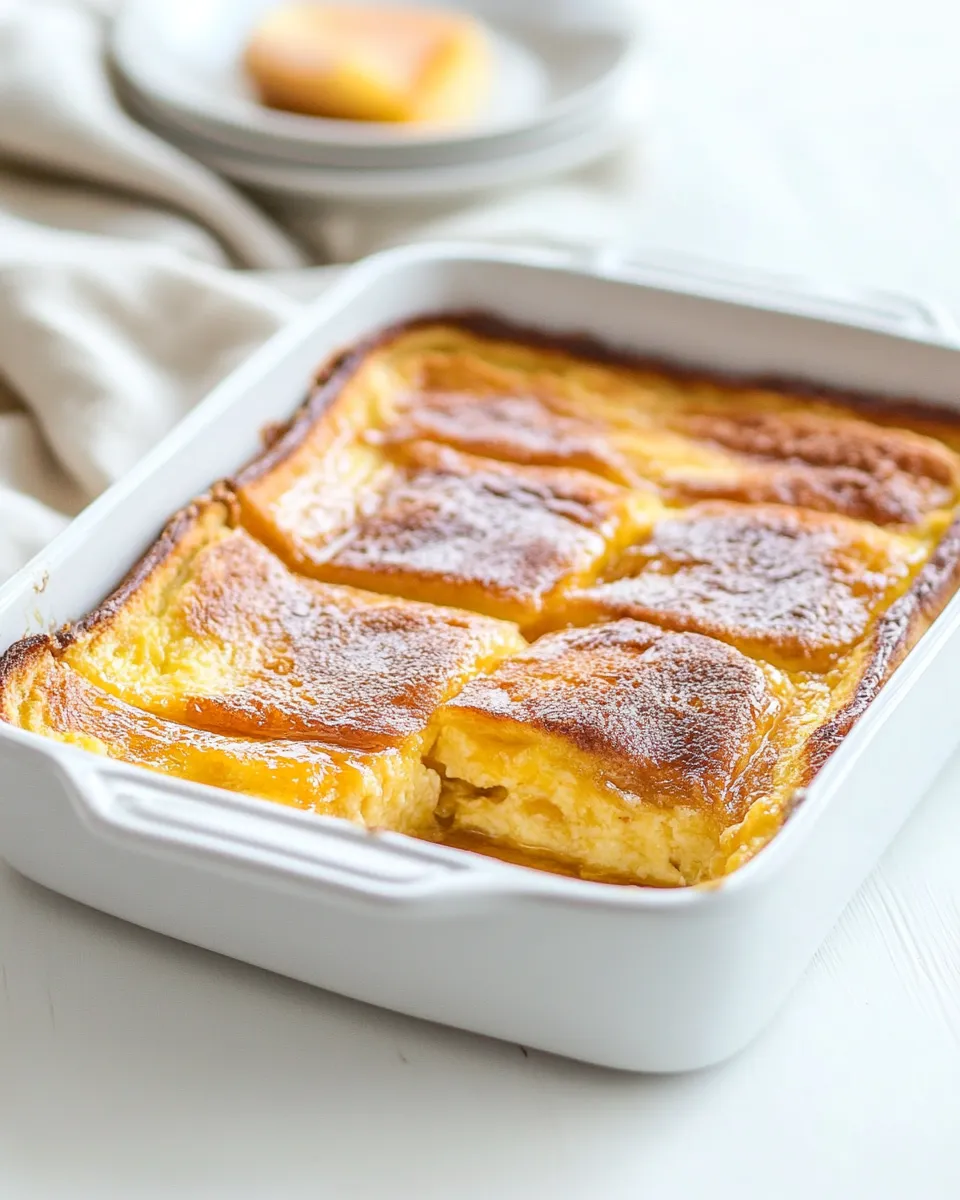
If you need to adapt what you have on hand, these swaps keep the spirit of the dish while addressing pantry limits or dietary needs.
– If you don’t have Grand Marnier, substitute another orange liqueur or omit it and add a touch more orange zest; the alcohol is optional for flavor. – Half-and-half can be swapped for a combination of milk and cream (about 1 cup whole milk + ½ cup heavy cream) for a similar richness. – If brioche isn’t available, challah or a sturdy country-style white loaf will work; choose an enriched bread so it soaks without disintegrating.
Kitchen Gear Checklist
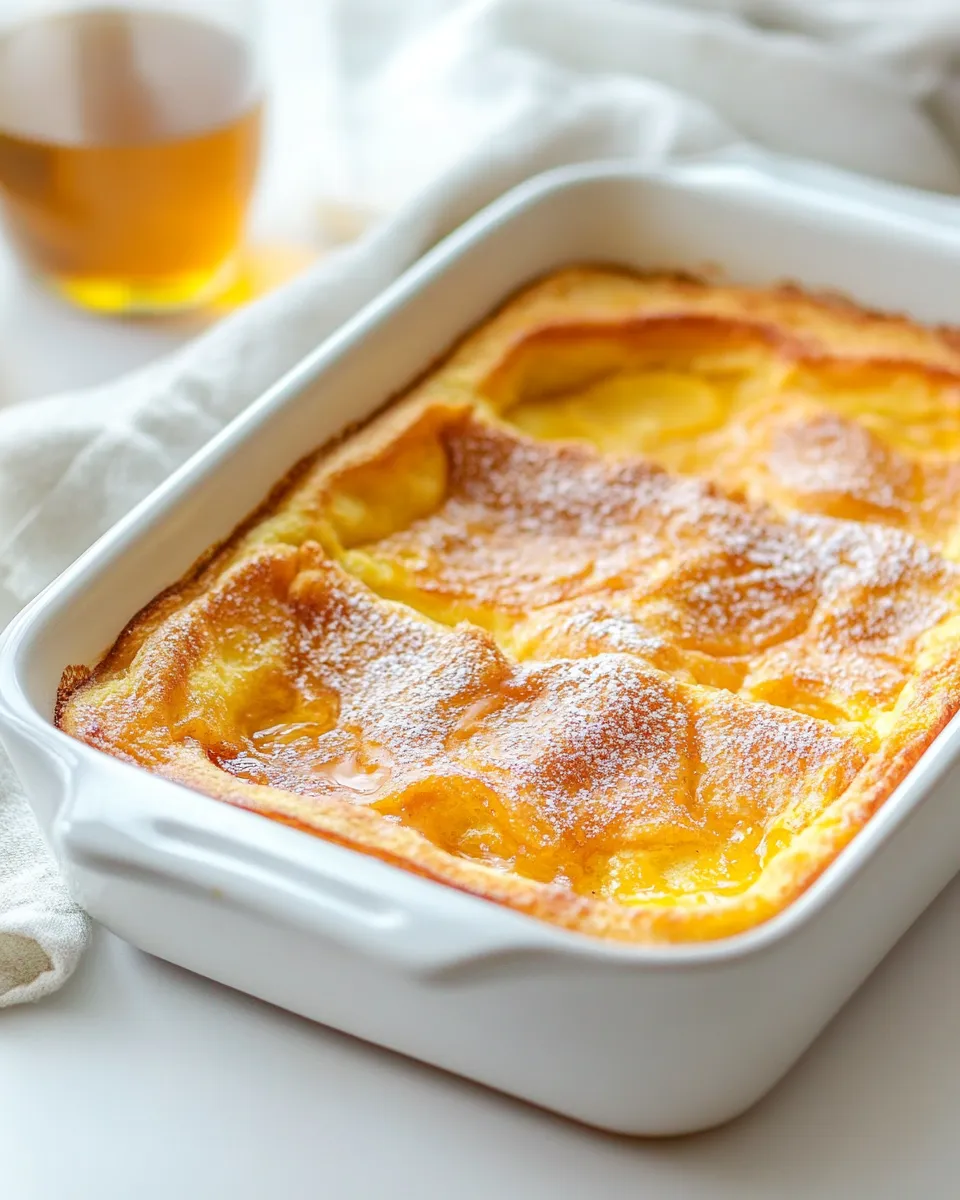
Minimal equipment needed. Have these items ready:
- 9 x 13-inch (23 x 33 cm) baking dish — the recipe’s specified pan; ensures proper depth for the caramel and bread layers.
- Small saucepan — to make the caramel base.
- Mixing bowl — medium, for the custard.
- Whisk — to fully combine eggs and dairy, preventing streaks.
- Spatula or hands — for pressing bread into the custard and spreading caramel.
- Plastic wrap — for chilling; helps the custard soak in evenly.
Problems & Prevention
Common issues are straightforward to prevent.
– Soggy center: make sure the casserole sets for the full 40–50 minutes at 350°F (175°C). A knife inserted in the center should come out mostly clean. If the center still jiggles after 50 minutes, tent with foil and bake another 5–10 minutes.
– Overly hard caramel: if the caramel cooks too long before pouring, it will set too firm. Watch for it to just begin to bubble, then remove from heat and pour immediately.
– Sticking: butter the pan well. The recipe calls for butter both in the caramel and for greasing; skip greasing at your peril.
Smart Substitutions
Make this bake work for you without changing textures dramatically.
– Dairy-free option: swap half-and-half for a full-fat non-dairy milk like coconut milk (use unsweetened to avoid extra sweetness); note the flavor will shift. – Lower alcohol: omit the Grand Marnier; add additional orange zest or a teaspoon of orange juice for brightness. – Bread texture: if your brioche is very fresh and soft, consider slightly stale slices or toast them briefly to help them hold up during soaking.
Cook’s Commentary
I make this casserole when I want something that reads fancy but practically assembles itself. Grand Marnier is a small, deliberate indulgence—three tablespoons go a long way. The caramel at the bottom is the dish’s anchor: it creates a slice that feels like caramelized bread pudding with a French toast soul. The overnight soak option is a lifesaver; it deepens the flavor and makes morning service seamless.
When I serve this, I keep the plate simple and let the casserole do the talking. Because the recipe is already flavored with orange and liqueur, garnishes are optional and often unnecessary. Warm slices, a coffee, and a sense of relaxed morning are enough.
Storage & Reheat Guide
Leftovers store well.
– In the refrigerator: cover the pan with plastic wrap or transfer slices to an airtight container and refrigerate for up to 3 days. The caramel will firm up as it cools.
– Reheating: return individual slices to a baking sheet and warm in a 325°F (160°C) oven for 10–12 minutes, or until heated through. You can also microwave a slice for 20–30 seconds, but the texture will be softer and the caramel may run.
– Freezing: you can freeze individual slices wrapped tightly in plastic and foil for up to 1 month. Thaw overnight in the refrigerator before reheating in the oven.
Quick Q&A
Q: Can I assemble this entirely the night before? A: Yes—cover and refrigerate after pouring the custard. Bake the next morning straight from the fridge; you may need the full 50 minutes to ensure the center sets.
Q: Can I use stale bread? A: Slightly stale brioche will soak up custard beautifully and often yields a better texture. Fresh bread works too; just press gently to help it absorb the custard.
Q: What if I don’t want alcohol? A: Omit the Grand Marnier and increase orange zest by another ½ teaspoon, or stir in a teaspoon of orange juice for acidity. The dish will still be flavorful.
See You at the Table
This casserole is one of those recipes that rewards planning and behaves beautifully for guests. It’s forgiving, scales up, and keeps the same comforting balance of caramel, citrus, and custard. If you make it, remember: warm is best. Let it rest just long enough to slice, then serve and enjoy the kind of breakfast that turns an ordinary morning into something cozy and a little bit special.

Boozy Caramel French Toast Casserole
Ingredients
Ingredients
- 1/2 cup 1 stickunsalted butter, plus more for greasing the pan
- 3/4 cup packed light brown sugar
- 2 tablespoonslight corn syrup
- 1 1/3 lbsbrioche you'll likely need two loaves but you won't use it all
- 5 large eggs
- 1 1/2 cupshalf-and-half
- 1 teaspoonvanilla extract
- 3 tablespoonsGrand Marnier
- 1 teaspoonorange zest
- 1/4 teaspoonsalt
Instructions
Instructions
- Grease a 9 x 13-inch (23 x 33 cm) baking dish with butter; set the dish aside.
- In a small saucepan over medium heat, combine ½ cup (1 stick) unsalted butter, ¾ cup packed light brown sugar, and 2 tablespoons light corn syrup. Whisk constantly until the mixture melts, becomes smooth, and just begins to bubble. Remove from heat and immediately pour the caramel into the prepared baking dish, tilting the dish to spread the caramel in an even layer across the bottom.
- Slice the brioche: if you like, trim off the crusts (this can be rough, it does not need to be perfect). Cut the bread into about 1½-inch (3.75 cm) thick slices. You may not need all the bread; set aside any extra.
- Arrange the brioche slices, flat side down, on top of the caramel in a single layer so the entire base of the pan is covered. Tear or trim slices as needed to fill gaps.
- In a medium bowl, whisk together 5 large eggs, 1½ cups half-and-half, 1 teaspoon vanilla extract, 3 tablespoons Grand Marnier, 1 teaspoon orange zest, and ¼ teaspoon salt until the mixture is smooth and uniform.
- Pour the egg-and-cream mixture evenly over the arranged bread. Press the bread slices down gently with a spatula or your hands so the custard soaks into the bread as much as possible.
- Cover the pan with plastic wrap and refrigerate for at least 20 minutes, or up to overnight, to allow the custard to fully soak into the bread.
- When ready to bake, remove the plastic wrap and place a rack in the middle of the oven. Preheat the oven to 350°F (175°C).
- Bake the casserole, uncovered, on the middle rack for 40 to 50 minutes, until the top is puffed and golden and the center is set (a knife inserted in the center should come out mostly clean).
- Let the casserole cool for a few minutes in the pan (it will deflate slightly), then serve hot—the caramel base will firm up as it cools, so it is best enjoyed warm.