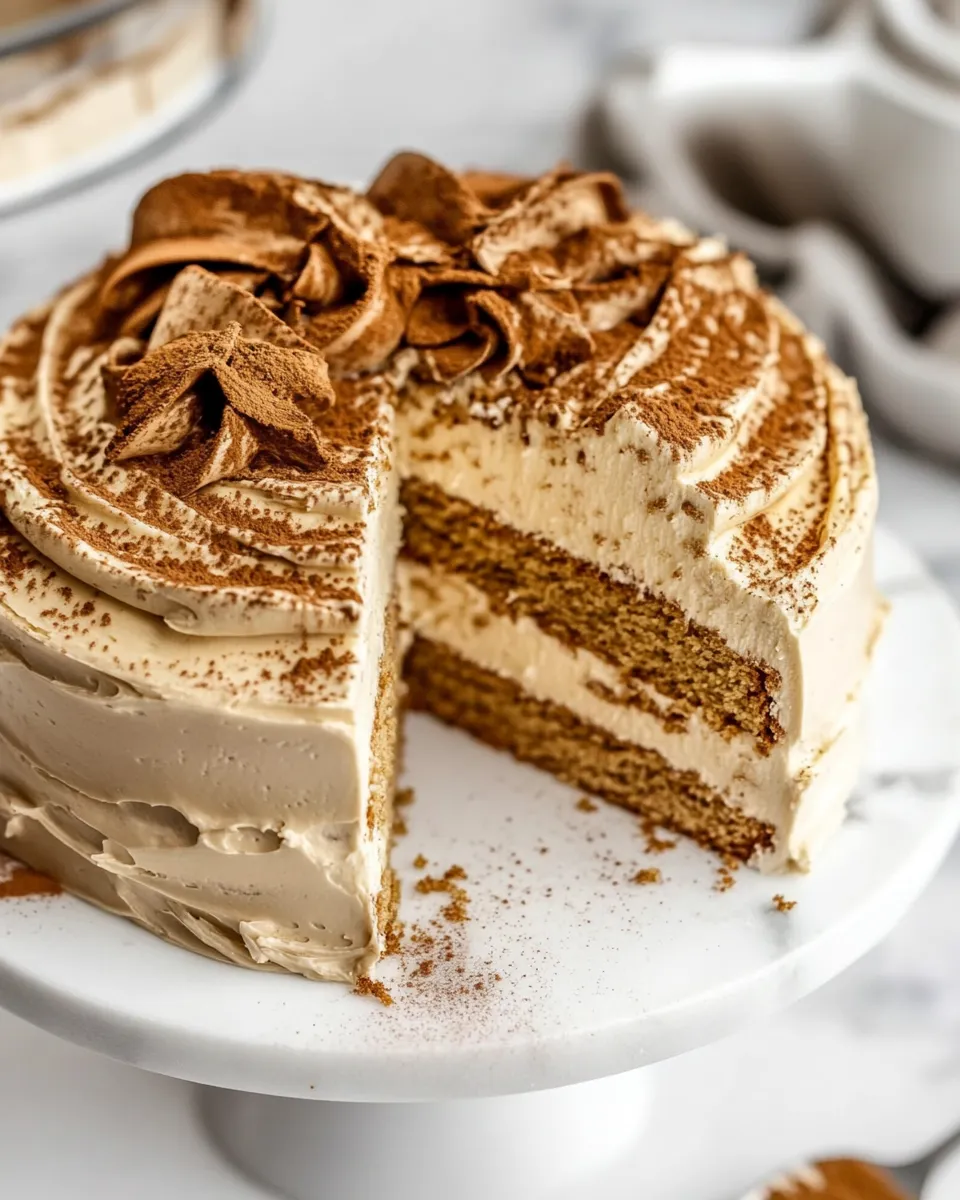
Biscoff Cake
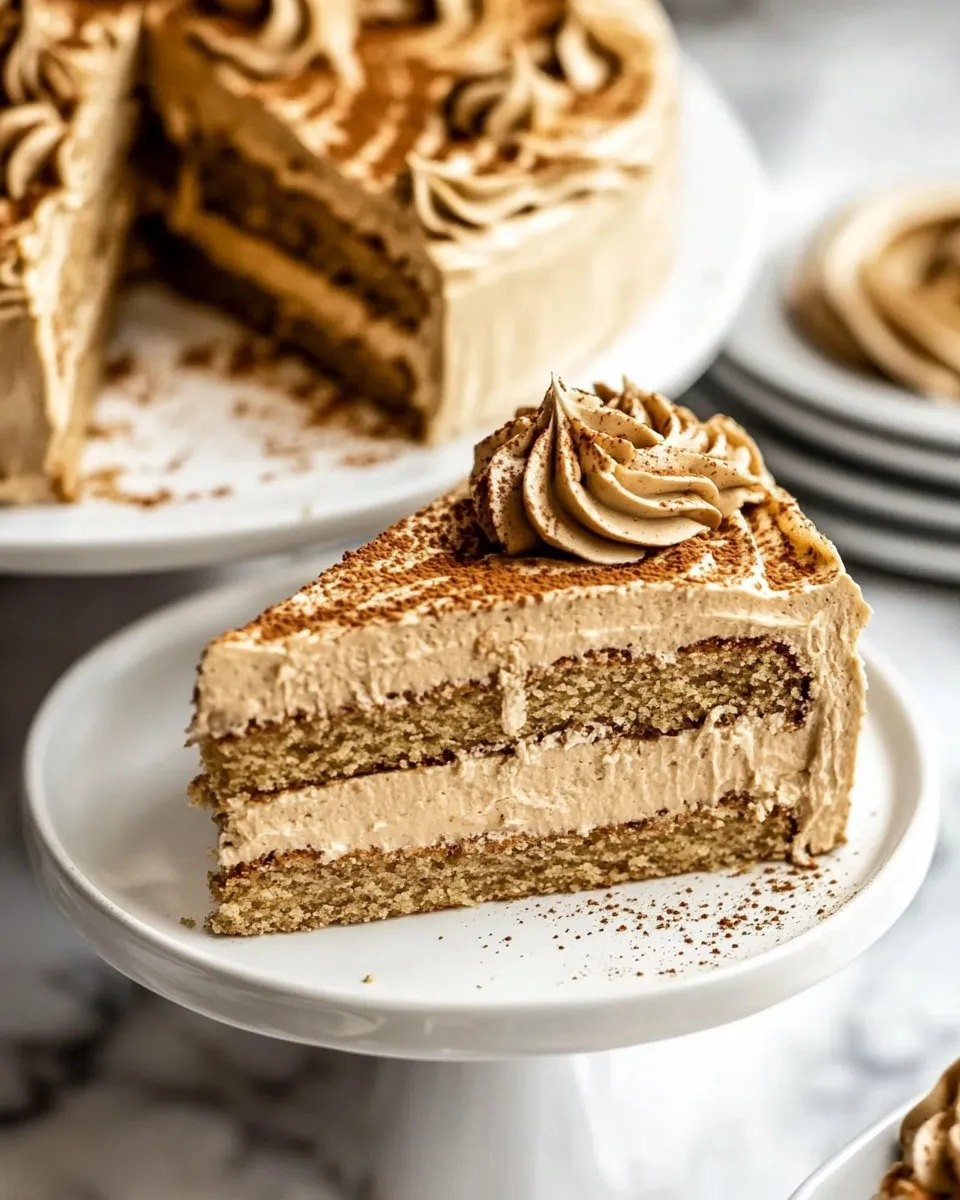
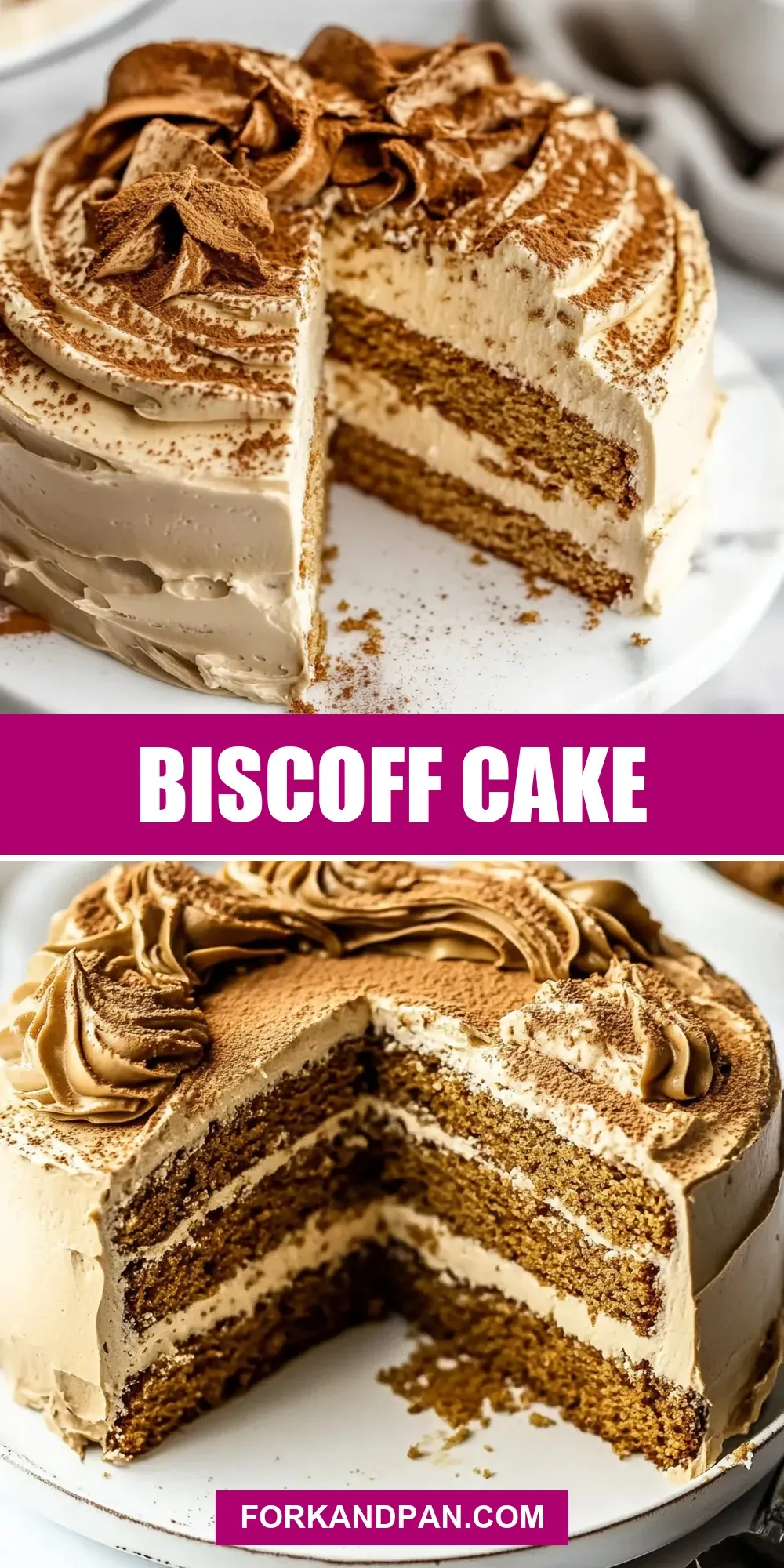
This Biscoff Cake is the sort of recipe I make when I want something that feels indulgent but doesn’t demand skill beyond a solid whisking and a patient oven. It balances a tender, buttery crumb with the deep, caramelized cinnamon flavor of cookie butter—both in the cake and the frosting—so every bite reads like a cozy, well-made dessert.
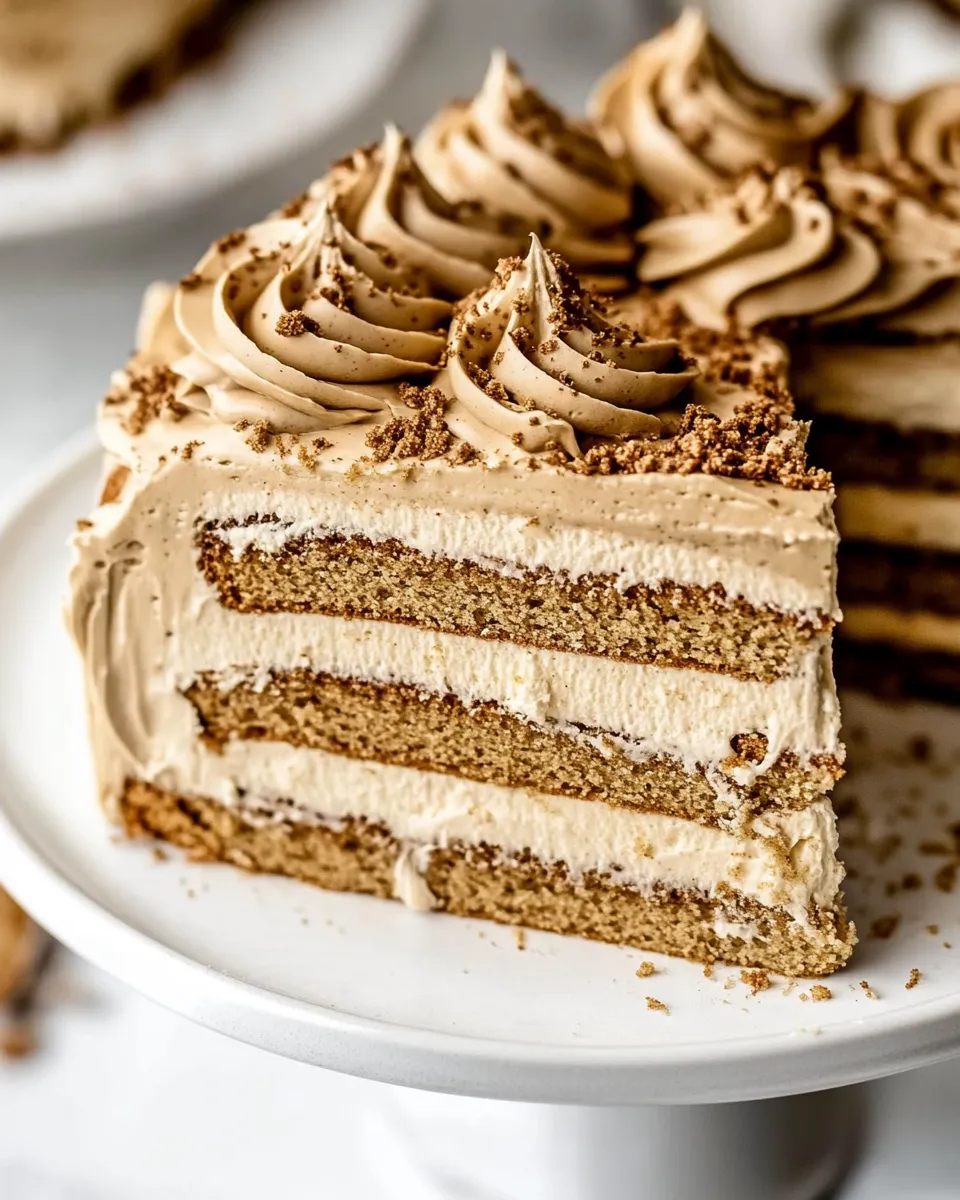
You’ll find this recipe straightforward: creamed butter and sugar, a touch of sour cream for tenderness, and cookie butter folded into both the batter and the frosting for a consistent flavor thread. The assembly includes a simple swirl of melted cookie butter and an optional sprinkle of crushed Biscoff for texture.
Follow the steps exactly for reliable results. I’ll walk you through ingredients, tools, common problems and quick fixes so you can get this on the table with confidence.
The Ingredient Lineup

- 2/3 cup unsalted butter, room temperature (150 grams) — creaming base for the cake; gives structure and flavor.
- 1 cup granulated sugar (200 grams) — sweetens and helps with cake aeration when creamed with butter.
- 1 teaspoon vanilla extract — rounds and lifts the cookie butter flavor.
- 3 large eggs, room temperature — binders and leavening support; add one at a time for even emulsification.
- 2 Tablespoons sour cream (30 grams) — adds moisture and a tender crumb.
- 14 oz container cookie butter, divided (400 grams) — central flavor; part goes into the batter, part into the buttercream, and reserve some for drizzling.
- 2 cups all-purpose flour (250 grams) — the cake’s structure; measure properly (spoon & level).
- 2 teaspoons baking powder — the main leavening agent for rise.
- 1 teaspoon kosher salt — balances sweetness and enhances flavor.
- ¾ cup whole milk, at room temperature (180 ml) — thins the batter for a tender crumb; room temp prevents curdling.
- 1/2 cup unsalted butter, slightly cold (115 grams) — for the buttercream; slightly cold pieces beat into a smooth frosting.
- 2 ½ – 3 1/2 cups powdered sugar (300-440 grams) — sweetens and sets the buttercream consistency; add to reach desired thickness.
- ½ cup cookie butter (from 14 oz container above, plus set aside some for additional drizzling at the end) (120 grams) — included here again to show how much goes into the frosting.
- 2-3 Tablespoons milk, any kind — adjusts frosting texture; add a tablespoon at a time.
- 2 Biscoff cookies, crushed (optional) — optional garnish for crunch and visual appeal.
Mastering Biscoff Cake: How-To
- Preheat oven to 350°F (175°C). Line the bottoms of two 8-inch (20 cm) cake pans with parchment paper and spray or grease the pans. Set pans aside.
- In a large bowl using an electric mixer or a stand mixer fitted with the paddle attachment, beat 2/3 cup unsalted butter (150 g) and 1 cup granulated sugar (200 g) on medium-high speed until light and fluffy, about 2–4 minutes.
- Add 1 teaspoon vanilla extract, then add the 3 large eggs one at a time, mixing each egg until incorporated before adding the next.
- Add 2 tablespoons sour cream (30 g) and 1/2 cup cookie butter (120 g) measured from the 14 oz container. Mix on medium speed until fully combined and smooth.
- In a separate bowl, whisk together 2 cups all-purpose flour (250 g), 2 teaspoons baking powder, and 1 teaspoon kosher salt.
- With the mixer on low speed, add the dry mixture and 3/4 cup whole milk (180 ml) to the batter in alternating additions, beginning and ending with the dry mixture (dry — milk — dry — milk — dry). Scrape the bowl as needed and mix just until no streaks of flour remain.
- Divide the batter evenly between the two prepared 8-inch pans, smoothing the tops. Bake for 22–27 minutes, or until a toothpick inserted into the center comes out clean or with a few moist crumbs.
- Remove the pans from the oven and let the cakes cool in the pans for 5–10 minutes. Run a knife around the edges if needed, then invert the cakes onto a wire cooling rack and remove the parchment. Cool completely before frosting.
- For the buttercream: cut 1/2 cup unsalted butter (115 g), slightly cold, into pieces. In a stand mixer fitted with the paddle attachment or using a hand mixer, combine the butter pieces, 2 1/2 cups powdered sugar (300 g), and 1/2 cup cookie butter (120 g) measured from the 14 oz container. Beat on low to start, then increase speed and beat until smooth.
- Add 2–3 tablespoons milk, one tablespoon at a time, and continue beating until the frosting is fluffy but thick and spreadable. If the frosting is too thin, add more powdered sugar up to 3 1/2 cups (440 g) until you reach the desired consistency.
- Reserve some of the remaining cookie butter from the 14 oz container for drizzling. Melt a few spoonfuls of the reserved cookie butter in the microwave in short bursts (5–10 seconds), stirring between bursts, until runny. Make sure any aluminum seal is removed from the container before microwaving.
- Assemble the cake: place one cooled cake layer on a serving plate or cake board. Spread a thin layer of buttercream on top of that layer. Spoon and smooth most of the melted cookie butter over the buttercream, leaving about a 1-inch border around the edge.
- Place the second cake layer on top. Apply a thin layer of frosting all over the cake to create a crumb coat. Refrigerate the cake for 20 minutes or place in the freezer for 10 minutes to set the crumb coat.
- After the crumb coat has set, add a final thicker layer of frosting and smooth as desired.
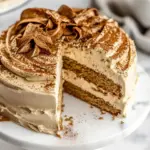
- Decorate: pipe decorative swirls of frosting around the outer top edge if desired. Drizzle the reserved melted cookie butter in lines across the top of the cake. Sprinkle the optional 2–3 crushed Biscoff cookies on top for garnish.
- Slice and serve. Store any leftovers covered at room temperature for up to 1 day or refrigerated for longer storage.
Why This Recipe Works
There are a few purposeful choices here that make the cake reliable. Creaming butter and sugar traps air which helps lift the cake; using eggs one at a time improves the emulsion so the batter stays stable. The sour cream is a small but important addition—it keeps the crumb tender and adds a slight tang that balances the sweetness of cookie butter.
Cookie butter is folded into both batter and frosting, which ensures the spice-caramel Biscoff profile runs through every component instead of feeling like an afterthought. Alternating dry ingredients and milk gives the batter a smooth structure without overworking gluten, so the cake stays tender and not chewy.
Easy Ingredient Swaps
- Unsalted butter — can be swapped for salted butter if that’s all you have; reduce added salt elsewhere or omit any extra salt to avoid over-salting.
- Whole milk — swap with any milk you have (2% or oat milk) but expect a slightly different crumb if using very low-fat milk.
- Sour cream — plain yogurt (full fat) works as a direct substitute for tenderness and tang.
- Cookie butter — if you don’t have cookie butter, a smooth Biscoff spread or speculoos spread is the target; for a different direction, a smooth peanut butter will change the profile but keeps texture similar.
- Powdered sugar — must keep powdered sugar for proper buttercream texture; caster or granulated sugar won’t substitute here.
Toolbox for This Recipe
- Two 8-inch (20 cm) cake pans, parchment paper and nonstick spray or extra butter for greasing.
- Stand mixer with paddle attachment or a reliable hand mixer.
- Mixing bowls and a whisk for dry ingredients.
- Spatula for scraping the batter and smoothing frosting.
- Wire cooling rack to cool the layers completely.
- Microwave-safe bowl or small saucepan for melting cookie butter for drizzling.
- Piping bag and tip (optional) for decorative frosting swirls.
Things That Go Wrong
Here are the most common issues and quick fixes I see:
Dense or flat cake
- Overmixing after adding flour can develop gluten; mix just until no streaks remain.
- Old baking powder can prevent rise—check freshness and measure carefully.
Frosting too runny or too firm
- If the buttercream is too thin after adding milk, add more powdered sugar up to 3 1/2 cups (440 g).
- If it’s too stiff, add a teaspoon of milk at a time until spreadable.
Melted cookie butter won’t drizzle smoothly
- Warm in very short microwave bursts and stir between each. Removing any foil or aluminum seal before heating prevents hot spots and safety issues.
Seasonal Flavor Boosts
- Fall: stir 1/2–1 teaspoon pumpkin pie spice into the batter for a pumpkin-spice leaning cake.
- Winter: add 1/4–1/2 teaspoon ground ginger and a pinch of cloves to echo holiday spice notes.
- Spring: fold in 1–2 teaspoons lemon zest to the frosting (not the batter) for a brighter finish that still lets cookie butter shine.
- Summer: top with toasted almonds or hazelnuts for a nutty contrast to the cookie butter.
Chef’s Notes
Bring eggs and milk to room temperature before starting—this helps them incorporate more easily and promotes an even rise. Measure flour by spooning it into the measuring cup and leveling it off to avoid a dense cake. When melting the reserved cookie butter for drizzle, keep the microwave bursts short and stir between each to prevent overheating. Always remove any aluminum seal from the cookie butter container before microwaving.
Cooling, Storing & Rewarming
Cool the layers completely before frosting—warm cakes will make the buttercream weep. Once assembled, the recipe notes: store leftovers covered at room temperature for up to 1 day or refrigerate for longer storage. If refrigerated, bring slices to room temperature before serving to soften the buttercream and let the flavors open up. For a quick warm slice, heat a single piece in the microwave for 8–10 seconds to take the chill off (watch carefully so it doesn’t get soggy).
Questions People Ask
- Can I make this ahead? Yes. Bake the layers a day ahead, wrap them tightly and refrigerate. Frost the next day after bringing layers to room temperature.
- How long will the cake keep? Refrigerated, 3–4 days covered. At room temperature, up to 1 day per the recipe note.
- Can I freeze it? You can freeze unfrosted layers wrapped well for up to 2 months. Thaw overnight in the fridge before bringing to room temp and frosting.
- Do I need to remove the aluminum seal from the cookie butter? Yes—remove any aluminum or foil seal before microwaving the cookie butter to melt for drizzling.
Ready to Cook?
This recipe reliably delivers a cake where cookie butter is unmistakably the star. It’s straightforward in both technique and timing: preheat, cream, alternate dry and milk, bake, cool, frost, and decorate. If you follow the steps and keep an eye on mixing times and temperatures, you’ll have a showstopping Biscoff Cake that’s suited to gatherings or an evening treat.
When you make it, leave a note about what you changed or what worked for you—I love hearing which swaps become new favorites. Happy baking.
Biscoff Cake
Ingredients
Ingredients
- 2/3 cupunsalted butter room temperature (150 grams)
- 1 cupgranulated sugar 200 grams
- 1 teaspoonvanilla extract
- 3 large eggs room temperature
- 2 Tablespoonssour cream 30 grams
- 14 oz containercookie butter divided (400 grams)
- 2 cupsall-purpose flour 250 grams
- 2 teaspoonsbaking powder
- 1 teaspoonkosher salt
- 3/4 cupwhole milk at room temperature (180 ml)
- 1/2 cupunsalted butter slightly cold (115 grams)
- 2 1/2 – 3 1/2 cupspowdered sugar 300-440 grams
- 1/2 cupcookie butter from 14 oz container above, plus set aside some for additional drizzling at the end (120 grams)
- 2-3 Tablespoonsmilk any kind
- 2 Biscoff cookies crushed (optional)
Instructions
Instructions
- Preheat oven to 350°F (175°C). Line the bottoms of two 8-inch (20 cm) cake pans with parchment paper and spray or grease the pans. Set pans aside.
- In a large bowl using an electric mixer or a stand mixer fitted with the paddle attachment, beat 2/3 cup unsalted butter (150 g) and 1 cup granulated sugar (200 g) on medium-high speed until light and fluffy, about 2–4 minutes.
- Add 1 teaspoon vanilla extract, then add the 3 large eggs one at a time, mixing each egg until incorporated before adding the next.
- Add 2 tablespoons sour cream (30 g) and 1/2 cup cookie butter (120 g) measured from the 14 oz container. Mix on medium speed until fully combined and smooth.
- In a separate bowl, whisk together 2 cups all-purpose flour (250 g), 2 teaspoons baking powder, and 1 teaspoon kosher salt.
- With the mixer on low speed, add the dry mixture and 3/4 cup whole milk (180 ml) to the batter in alternating additions, beginning and ending with the dry mixture (dry — milk — dry — milk — dry). Scrape the bowl as needed and mix just until no streaks of flour remain.
- Divide the batter evenly between the two prepared 8-inch pans, smoothing the tops. Bake for 22–27 minutes, or until a toothpick inserted into the center comes out clean or with a few moist crumbs.
- Remove the pans from the oven and let the cakes cool in the pans for 5–10 minutes. Run a knife around the edges if needed, then invert the cakes onto a wire cooling rack and remove the parchment. Cool completely before frosting.
- For the buttercream: cut 1/2 cup unsalted butter (115 g), slightly cold, into pieces. In a stand mixer fitted with the paddle attachment or using a hand mixer, combine the butter pieces, 2 1/2 cups powdered sugar (300 g), and 1/2 cup cookie butter (120 g) measured from the 14 oz container. Beat on low to start, then increase speed and beat until smooth.
- Add 2–3 tablespoons milk, one tablespoon at a time, and continue beating until the frosting is fluffy but thick and spreadable. If the frosting is too thin, add more powdered sugar up to 3 1/2 cups (440 g) until you reach the desired consistency.
- Reserve some of the remaining cookie butter from the 14 oz container for drizzling. Melt a few spoonfuls of the reserved cookie butter in the microwave in short bursts (5–10 seconds), stirring between bursts, until runny. Make sure any aluminum seal is removed from the container before microwaving.
- Assemble the cake: place one cooled cake layer on a serving plate or cake board. Spread a thin layer of buttercream on top of that layer. Spoon and smooth most of the melted cookie butter over the buttercream, leaving about a 1-inch border around the edge.
- Place the second cake layer on top. Apply a thin layer of frosting all over the cake to create a crumb coat. Refrigerate the cake for 20 minutes or place in the freezer for 10 minutes to set the crumb coat.
- After the crumb coat has set, add a final thicker layer of frosting and smooth as desired.
- Decorate: pipe decorative swirls of frosting around the outer top edge if desired. Drizzle the reserved melted cookie butter in lines across the top of the cake. Sprinkle the optional 2–3 crushed Biscoff cookies on top for garnish.
- Slice and serve. Store any leftovers covered at room temperature for up to 1 day or refrigerated for longer storage.
Equipment
- Cake Pans
- Piping Bag
- Wilton 1M Piping Tip
Notes
Make Ahead Instructions:
Make the frosting ahead of time and store in the fridge. Remove from fridge for 30 minutes, then re-whip, adding a splash of milk if needed, until smooth and fluffy. The cake layers can be made ahead and frozen, covered well, for up to 3 months.
Freezing Instructions:
The assembled cake can be frozen for up to 3 months. Flash freeze uncovered in the freezer for 30 minutes, then cover very well with plastic wrap and aluminum foil and freeze for up to 3 months. The baked cake layers and frosting could also be frozen seperatly and assembled after thawing the frosting.