
Best Homemade Alfredo Sauce Recipe
I always keep a pot of this Alfredo sauce within reach on busy weeknights and special dinners alike. It’s rich without being fussy, and the steps are straightforward enough that you can multitask without risking a broken sauce. If you want a reliable, creamy finish for pasta, chicken, or steamed vegetables, this is the one I turn to again and again.
This recipe leans on cream cheese for body and a blend of Parmesan and mozzarella for the classic, slightly tangy, melty texture. The Stone House Seasoning gives a subtle savory lift so you don’t have to over-salt later. The result is smooth, glossy, and clings to noodles like it should.
Read through the ingredients and steps once, gather everything, and the sauce will come together on the stove in less than 15 minutes of active attention. Below I walk through shopping, small switches, equipment, common mistakes and fixes, and how to store leftovers so nothing goes to waste.
Your Shopping Guide

When you shop for this sauce, focus on a few quality choices that make a quiet difference: full-fat heavy whipping cream, real Parmesan (Parmigiano-Reggiano if you can find it), and fresh butter. The recipe calls for cream cheese as a thickener — buy a standard block or tub that’s labeled full-fat for best texture. Pre-grated cheeses are convenient but can contain anti-caking agents that affect melt; whenever possible, buy wedge Parmesan and grate it yourself for the creamiest finish.
Stone House Seasoning is called for in the ingredient list. If you have it on your spice shelf, use it. If not, pick a simple all-purpose blend or keep a single-ingredient salt and pepper combo on hand. Olive oil here is used in a small amount to prevent the butter from browning too quickly and to add a subtle depth.
Buy enough to suit your plans: this sauce is best eaten fresh but reheats well (details below). If you plan to toss with pasta, 1 pound of dried pasta will typically pair well with this amount of sauce for 3–4 people, depending on appetites.
Homemade Alfredo Sauce: From Prep to Plate
Ingredients
- 4 tablespoons butter — provides richness and a silky base; use unsalted if you want tighter salt control.
- 2 tablespoons olive oil — prevents the butter from browning and adds a touch of fruitiness.
- 4 ounces cream cheese, softened — thickens and stabilizes the sauce for a smooth, clingy texture.
- 2 cups heavy whipping cream — the body of the sauce; full-fat cream yields the creamiest result.
- 1 teaspoon Stone House Seasoning — seasoning blend for balanced savory flavor; adjust to taste if using a different blend.
- 1/2 cup grated Parmesan cheese — adds umami and a sharp, salty edge; freshly grated is best.
- 1/2 cup grated mozzarella cheese — gives stretch and creaminess; part of the sauce’s melt and texture.
Homemade Alfredo Sauce: From Prep to Plate
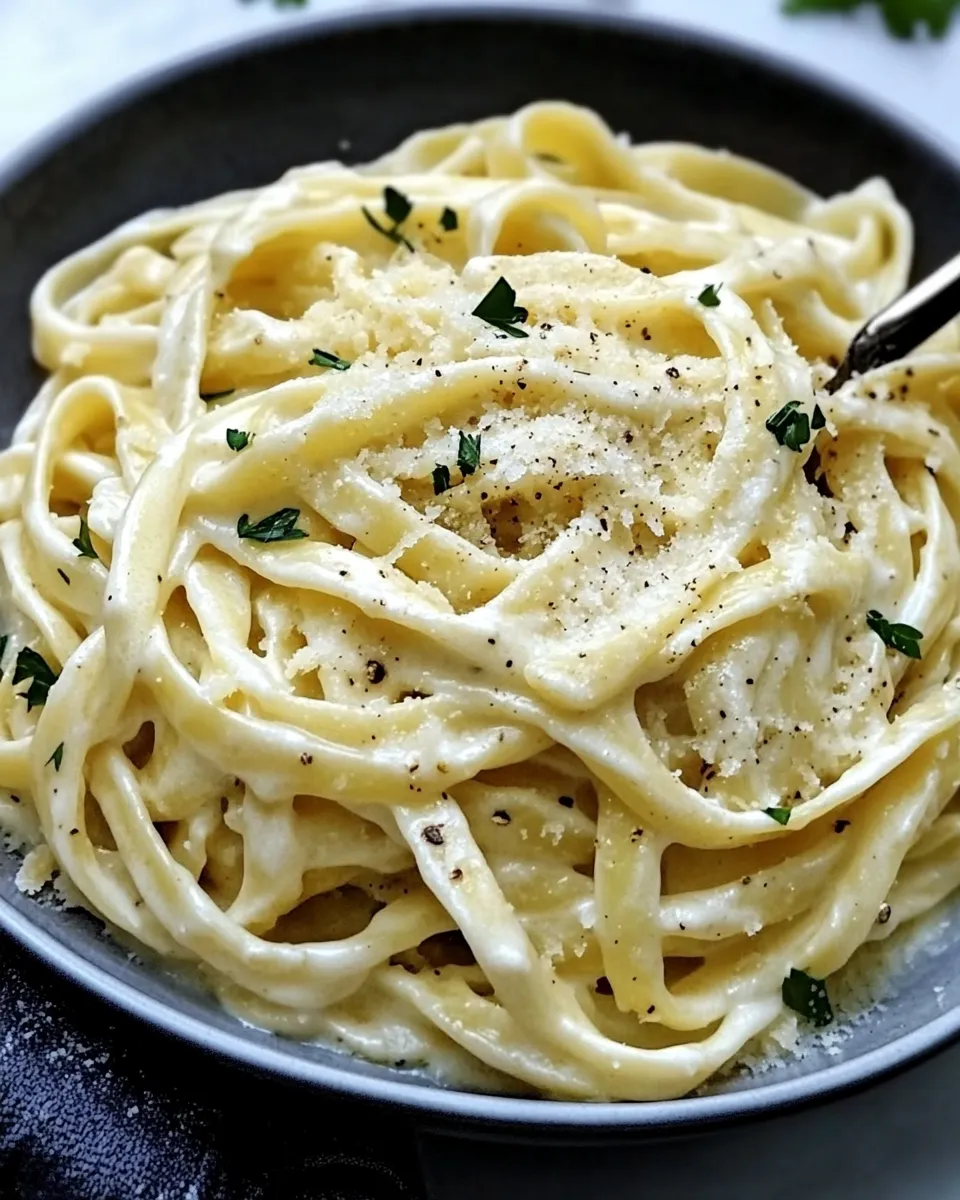
- Place a medium saucepan over medium heat and add 4 tablespoons butter and 2 tablespoons olive oil. Heat until the butter is fully melted and the mixture is hot but not smoking.
- Add 4 ounces cream cheese (softened), 2 cups heavy whipping cream, and 1 teaspoon Stone House Seasoning to the pan. Stir gently to combine.
- Bring the mixture to a gentle simmer (small bubbles at the edges), then immediately reduce the heat to low. Stir frequently until the sauce thickens and coats the back of a spoon, about 6–8 minutes.
- Keeping the heat on low and stirring constantly, add 1/2 cup grated Parmesan cheese and 1/2 cup grated mozzarella cheese a little at a time, stirring until each addition melts and the sauce is creamy, thick, and smooth, about 3–5 minutes.
- Remove the saucepan from the heat and serve the Alfredo sauce immediately.
Why Cooks Rave About It
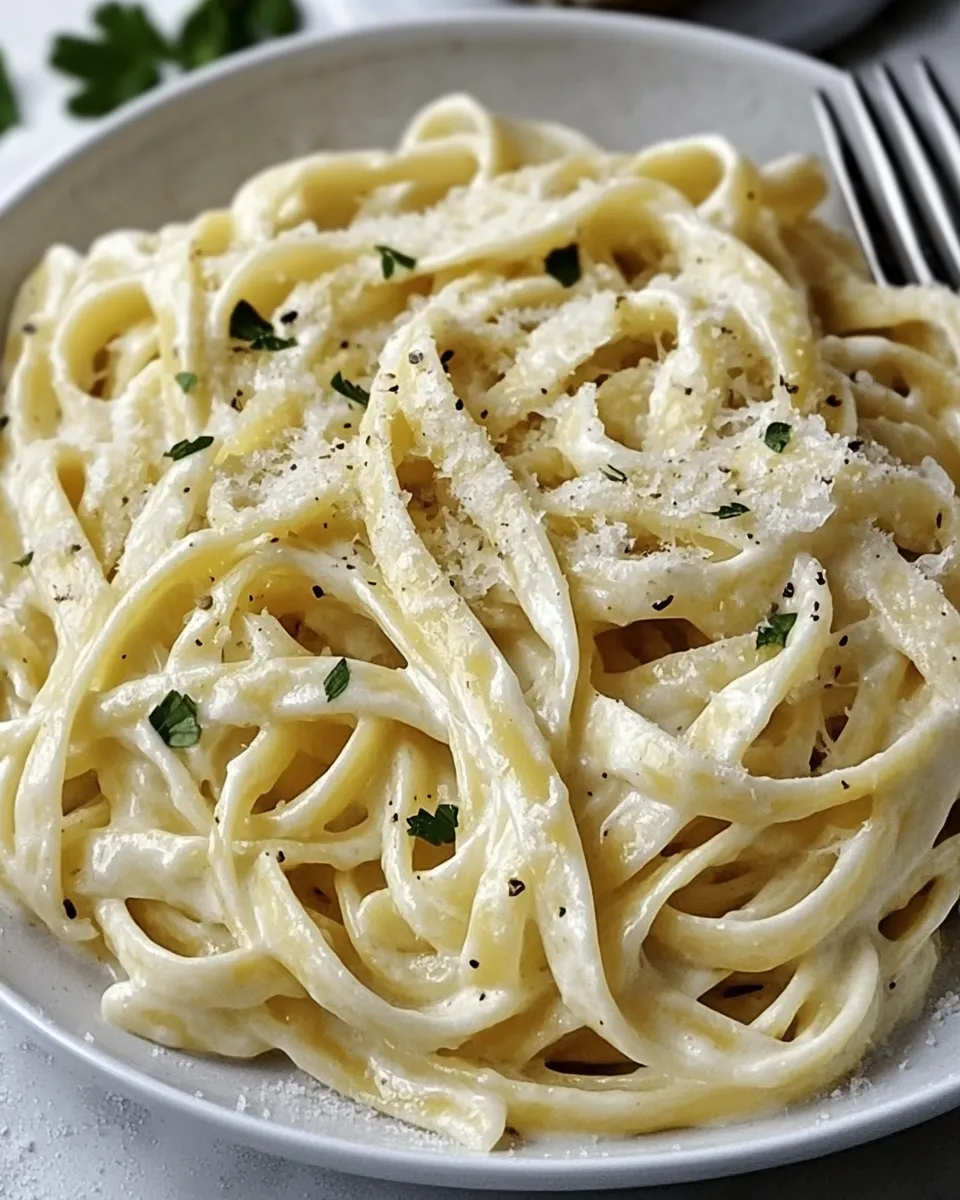
This sauce hits familiar notes: butter, cream, and cheese. But the reason it earns praise is balance. Cream cheese offers stability so the sauce doesn’t separate when reheated. Parmesan gives savory depth while mozzarella brings silkiness. The small amount of olive oil helps maintain a clean butter flavor without scorching. For busy cooks, it’s reliable: few ingredients, minimal hands-on time, consistently great texture.
It’s also very versatile. It clings to long pastas like fettuccine, acts as a base for baked dishes, and doubles as a white sauce for vegetables or protein. Because the seasoning is restrained, you can easily layer in garlic, lemon, herbs, or cooked mushrooms without fighting the base flavor.
Swap Guide
Need to substitute something? Keep these swaps in mind, but note that the recipe’s texture depends on the listed ingredients.
- Butter: You can use salted butter; reduce added salt elsewhere. Margarine will change flavor and texture, so I don’t recommend it here.
- Olive oil: A neutral oil (canola, vegetable) works in a pinch, but you’ll lose the subtle fruitiness.
- Cream cheese: If you must, mascarpone can stand in for cream cheese for a slightly sweeter, richer finish.
- Heavy whipping cream: Light cream will thin the sauce and make it less stable. For a lower-fat option, mix half milk with cornstarch to thicken — but results won’t match the original.
- Stone House Seasoning: Use 1 teaspoon mixed seasoning or 1/2 teaspoon salt and 1/4 teaspoon black pepper as alternatives.
- Parmesan and mozzarella: Swap part of the mozzarella for fontina or provolone for different melt characteristics; keep Parmesan for its sharpness.
Equipment at a Glance
There’s no need for fancy tools. A few reliable pieces make this easier and more consistent.
- Medium saucepan — wide enough to stir comfortably and to reduce quickly without splattering.
- Whisk or sturdy spoon — for continuous stirring while the sauce thickens.
- Microplane or fine grater — for grating fresh Parmesan to melt smoothly.
- Spoon or ladle for serving — to control portioning and toss with pasta.
Missteps & Fixes
Sauces are finicky, but most problems have quick solutions.
- Too thin after simmering: Keep cooking gently on low and stir more frequently. If it still won’t thicken, whisk in a small slurry of 1 teaspoon cornstarch mixed with 1 tablespoon cold water and cook 1–2 minutes.
- Grainy or separated sauce: This often happens if the heat is too high. Remove from heat, whisk in 1 tablespoon of cold cream or milk, and stir off-heat until smooth. Returning briefly to low heat while stirring can re-emulsify it.
- Too salty: Add a touch more cream or a splash of milk to dilute the saltiness, or bulk the sauce with a plain starch like cooked pasta or steamed vegetables before serving.
- Cheesy clumps: Add cheese slowly over low heat and stir constantly. If clumps form, remove from heat and stir vigorously or blend briefly with an immersion blender.
Warm & Cool Weather Spins
In cold months, I use this as a comforting dinner base — add sautéed mushrooms, roasted chicken, or caramelized onions for a hearty plate. In warmer weather, lighten it by tossing with lemon zest, blanched asparagus, and a handful of fresh arugula; the acidity cuts through the richness and keeps the dish bright.
For summer gatherings, consider serving the sauce warm in a small insulated pot next to bowls of chilled grilled vegetables and cold pasta salads — guests can assemble warm-and-cool bowls to their liking.
Pro Tips & Notes
Timing and texture
Softening the cream cheese before adding it to the pan speeds melting and prevents lumps. I set it out while I measure the other ingredients; about 15–20 minutes at room temperature usually does the trick. Add the cheeses off the highest heat, and introduce them slowly. Patience here makes a truly silky sauce.
Finishing touches
If you want to finish with freshness, stir in a teaspoon of lemon juice or a tablespoon of chopped parsley off the heat. For a garlic-forward sauce, add 1–2 cloves minced garlic to the butter and oil at the very start and cook gently until fragrant before adding the cream ingredients.
Meal Prep & Storage Notes
Store cooled sauce in an airtight container in the refrigerator for up to 3–4 days. Reheat gently over low heat while stirring, or warm in short bursts in the microwave, stirring between intervals. If it separates a bit on reheating, whisk in 1–2 tablespoons of cream or milk to smooth it out.
Freezing is possible but not ideal: dairy sauces can change texture after freezing and thawing. If you must freeze, cool completely, freeze in portion-sized containers, and thaw overnight in the fridge before reheating slowly and whisking to bring back cohesion.
Troubleshooting Q&A
Q: My sauce clumped when I added the cheeses — what happened?
A: That usually means the sauce was too hot or the cheese was added too quickly. Remove from heat and stir until it calms down. If clumps persist, blend briefly or add a splash of cold cream and whisk to smooth.
Q: It’s still too thin after simmering — any simple fixes?
A: Simmer a touch longer on low, stirring often. If you need a faster fix, combine 1 teaspoon cornstarch with 1 tablespoon cold water, stir into the sauce, and cook 1–2 minutes until thickened.
Q: Will this sauce separate if I reheat it?
A: It can separate if reheated too quickly. Reheat gently on low heat, stirring, or use a double boiler. Adding a little cream when reheating helps rebind the sauce.
Time to Try It
Make sure the cream cheese is softened before you start. Measure the cheeses and have them nearby so you can add them gradually, and keep your heat low when melting the cheeses in. Follow the steps as written and you’ll have a dependable, rich Alfredo sauce in short order.
If you’re pairing this with pasta, reserve a cup of pasta cooking water before draining. Toss the pasta with the sauce and add a few tablespoons of the starchy pasta water if you want a looser, silkier coating. Finish with a sprinkle of extra Parmesan and a twist of pepper. Enjoy — and let me know how you serve yours.

Best Homemade Alfredo Sauce Recipe
Ingredients
Ingredients
- 4 tablespoonsbutter
- 2 tablespoonsolive oil
- 4 ouncescream cheese softened
- 2 cupsheavy whipping cream
- 1 teaspoonStone House Seasoning
- 1/2 cupgrated Parmesan cheese
- 1/2 cupgrated mozzarella cheese
Instructions
Instructions
- Place a medium saucepan over medium heat and add 4 tablespoons butter and 2 tablespoons olive oil. Heat until the butter is fully melted and the mixture is hot but not smoking.
- Add 4 ounces cream cheese (softened), 2 cups heavy whipping cream, and 1 teaspoon Stone House Seasoning to the pan. Stir gently to combine.
- Bring the mixture to a gentle simmer (small bubbles at the edges), then immediately reduce the heat to low. Stir frequently until the sauce thickens and coats the back of a spoon, about 6–8 minutes.
- Keeping the heat on low and stirring constantly, add 1/2 cup grated Parmesan cheese and 1/2 cup grated mozzarella cheese a little at a time, stirring until each addition melts and the sauce is creamy, thick, and smooth, about 3–5 minutes.
- Remove the saucepan from the heat and serve the Alfredo sauce immediately.
Equipment
- Medium Saucepan
- Spoon
Notes
How to Store Alfredo Sauce
If you have any of this rich, creamy sauce left over after a meal, here’s how to store it properly.
Refrigerate
– Add any leftover sauce to an airtight container or jar with an airtight lid and place in the refrigerator for 4 to 5 days. Make sure to refrigerate any remaining sauce within the first 4 hours.
Not for Freezing
– Unfortunately, due to the fresh heavy cream and dairy content of this sauce, it does not freeze well and tends to separate if frozen.
Reheat
– This does better when reheated slowly on low heat on the stove. It doesn’t do as well when reheated in the microwave as it tends to become more oily and separates. Remember to reheat slowly and stir often to maintain the creamy consistency after reheating.