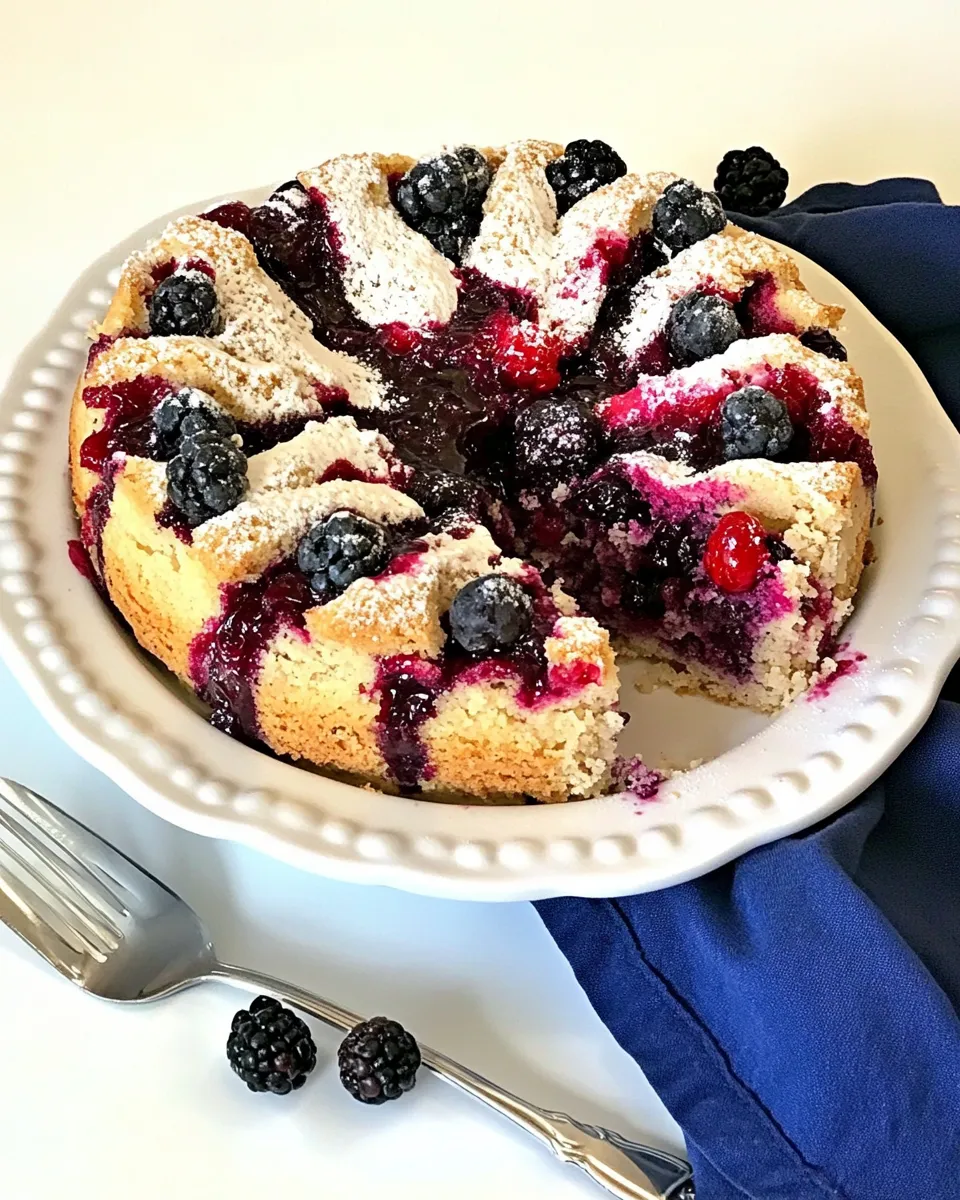
Berry Coffee Cake
I bake this Berry Coffee Cake on busy mornings and slow weekends alike. It’s the kind of recipe that doesn’t demand a bakery schedule: simple steps, forgiving batter, dependable results. Even without complicated techniques, it yields a tender crumb and a golden top that makes the kitchen smell like comfort.
You’ll notice the ingredient list is straightforward and the method stays true to old-fashioned mixing. That means less fuss and fewer excuses not to make it. I’ll walk you through what to buy, how to assemble, and what to do if the cake doesn’t look perfect right out of the oven.
Keep a clean counter, a cold stick of butter, and patience for the cool-down. Follow the steps, and you’ll have a slice-worthy cake ready to share or to savor alone with a strong cup of coffee.
Shopping List

- All-purpose flour — 3 cups; the backbone of the cake, buy unbleached for a cleaner flavor.
- Granulated sugar — 1 1/2 cups; regular white sugar lends structure and caramelization.
- Baking powder — 1 teaspoon; check the date so the cake rises reliably.
- Baking soda — 1/2 teaspoon; small amount but important for texture.
- Butter — 1 cup (1 stick); use unsalted if you want control over sodium.
- Eggs — 2, slightly beaten; bring them to room temperature for even mixing.
- Buttermilk — 1 cup; if you can’t find it, you can make a substitute (see substitutions).
- Vanilla extract — 1 teaspoon; real vanilla makes a difference, though imitation works in a pinch.
- Optional: Berry Sauce — listed in source; no quantity provided here, but include if you plan to drizzle or serve alongside.
- Extra: parchment paper or nonstick spray for easier removal if you prefer (the recipe calls for an ungreased pan).
Ingredients
- Berry Sauce — listed in source; use as a topping or side if you have a sauce ready.
- 3 cups all-purpose flour — provides structure; measure by spooning into the cup and leveling off.
- 1 1/2 cups granulated sugar — sweetens and helps with browning.
- 1 teaspoon baking powder — leavening; ensure it’s fresh for proper rise.
- 1/2 teaspoon baking soda — small lift and helps with crumb texture.
- 1 cup (1 stick) butter — cut into the dry mix; cold butter creates a tender crumb.
- 2 eggs, slightly beaten — binders and enrich the batter; beat lightly as instructed.
- 1 cup buttermilk — adds moisture and tang; acid reacts with the soda for lift.
- 1 teaspoon vanilla extract — adds background flavor and aromatic lift.
From Start to Finish: Berry Coffee Cake
- Preheat oven to 350°F (175°C). Position a rack in the center of the oven.
- In a large bowl, whisk together 3 cups all-purpose flour, 1 1/2 cups granulated sugar, 1 teaspoon baking powder, and 1/2 teaspoon baking soda until evenly combined.
- Cut in 1 cup (1 stick) butter until the mixture resembles small pebbles or coarse crumbs (use a pastry cutter, two forks, or your fingertips).
- Make a well in the center of the dry mixture and set the bowl aside.
- In a small bowl, whisk together 2 slightly beaten eggs, 1 cup buttermilk, and 1 teaspoon vanilla extract.
- Pour the liquid mixture into the well of the dry mixture and stir just until moistened. The batter will be lumpy—do not overmix.
- Spread half of the batter evenly into an ungreased 9 x 11-inch baking pan. Spoon the remaining batter into mounds over the first layer (do not smooth the top).
- Bake for 30–40 minutes, or until the top is lightly golden and a toothpick inserted into the center comes out clean or with a few moist crumbs.
- Remove from the oven and let the cake cool in the pan on a wire rack for at least 10–15 minutes before cutting and serving.
Why Cooks Rave About It
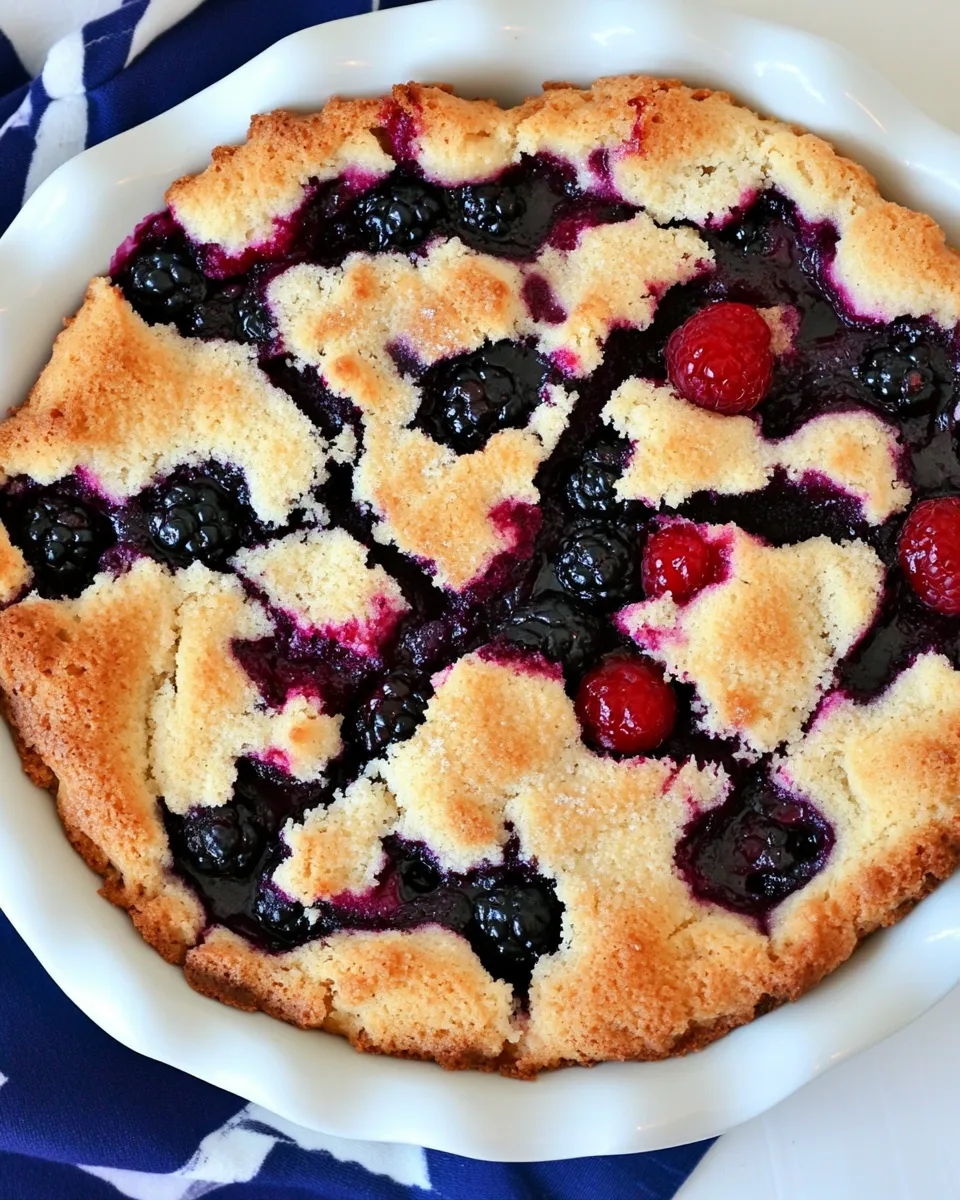
This cake appeals because it’s approachable and dependable. The method—cutting butter into dry ingredients, then adding a wet mixture—creates a texture that sits between a tender crumb and a coffee-cake heartiness. It browns nicely on top because of the sugar and butter contact. The finishing step of spooning the batter in mounds over a base layer gives a rustic, bakery-style look without precise piping or leveling.
People also like the flexibility. The recipe is a blank canvas; you can serve it plain, top it with a quick berry sauce, or add a streusel if you want crunch. It comes together with common pantry staples, so it’s exactly the sort of thing you can make when you want homemade but don’t have a full day to spare.
Smart Substitutions
Substitutions let you adapt this cake to what’s in your pantry or to dietary needs. Make small swaps, not wholesale changes, and keep an eye on texture and moisture.
Dairy & Egg Options
- Buttermilk — If you don’t have buttermilk, mix 1 cup milk with 1 tablespoon vinegar or lemon juice and let it sit for 5–10 minutes to thicken slightly.
- Butter — You can use an equal amount of cold stick margarine in a pinch, but flavor and texture will be slightly different.
- Eggs — For a vegan version, try a commercial egg replacer or 2 tablespoons ground flaxseed mixed with 6 tablespoons water per egg (note: results vary).
Flour & Sugar Alternatives
- Flour — Substitute up to half the all-purpose flour with whole wheat pastry flour for a nuttier note; the cake will be denser.
- Sugar — Swap part of the granulated sugar for light brown sugar to deepen flavor and increase moisture.
Gear Up: What to Grab
- 9 x 11-inch baking pan — required by the recipe; an oblong pan gives a shallower cake than a square one, which affects bake time slightly.
- Large mixing bowl and a small mixing bowl — one for dry ingredients, one for wet.
- Pastry cutter, two forks, or your fingertips — for cutting the butter into crumbs.
- Whisk and spatula — whisk the wet ingredients, and use the spatula to fold the batter with minimal mixing.
- Measuring cups and spoons — accurate measures keep the batter consistent.
- Wire rack — for cooling the cake in the pan as instructed.
- Toothpick — for the clean-center test in step 8.
Missteps & Fixes
Even simple recipes can go sideways. Here are the most common problems and how to address them.
Cake Too Dense
Possible cause: overmixing after adding the liquids. Fix: Fold the wet and dry until just moistened; a few lumps are fine. For next time, ensure your baking powder and soda are fresh. Old leaveners can reduce rise and make cakes heavy.
Top Gets Too Dark While Center Is Underbaked
Cause: oven hot spots or rack placement. Fix: move the pan to the center rack if it was too high. If the edges are already dark, tent a piece of foil loosely over the pan and continue baking until a toothpick comes out clean.
Cake Sticks to Pan
Fix: let it cool the full 10–15 minutes before cutting. If you prefer, line the pan with parchment long enough to lift the cake out, or lightly grease the pan next time (the original method calls for an ungreased pan, but preference varies).
Seasonal Flavor Boosts
Small additions make this cake feel seasonal without changing the base technique.
- Spring/Summer — Fold fresh berries into a small portion of batter before spooning on top, or spoon warm berry sauce over slices. Use the lightest, freshest fruit you can find.
- Fall — Stir 1/2 to 1 teaspoon of ground cinnamon and a pinch of nutmeg into the dry mix for cozy spice. Add chopped toasted pecans for crunch.
- Winter — Add a tablespoon of orange zest to the wet mix and serve with a vanilla glaze to brighten the cake.
Cook’s Notes
Keep these practical tips nearby when you bake.
- Room temperature eggs incorporate more easily and give a more uniform batter.
- When cutting in butter, aim for pea-sized pieces. Larger pieces create little pockets of buttery tenderness; too small and the cake can be greasy.
- Do not overmix once the liquids go in. Overworking develops gluten and tightens the crumb.
- If you add fruit directly to the batter, toss it in a tablespoon of flour first to prevent sinking.
- Let the cake rest for at least 10 minutes before slicing. It firms up and cuts cleaner once slightly cooled.
Shelf Life & Storage
Store the cake covered at room temperature for up to 2 days. If your kitchen is warm, refrigerate it in an airtight container; it will keep for 4–5 days chilled. For longer storage, wrap slices well and freeze for up to 2 months. Thaw in the fridge overnight or at room temperature for a few hours, then warm slices briefly in a low oven or microwave for a fresh-from-the-oven feel.
Troubleshooting Q&A
Q: My cake is dry. What went wrong? A: Too much flour or overbaking are common culprits. Measure flour by spooning into the cup and leveling; avoid packing. Also check your oven temperature with an oven thermometer—many ovens run hot.
Q: The center is gummy even after the toothpick test looks clean. A: Sometimes dense centers come from under-whisked eggs or batter that was too cold. Ensure your eggs and buttermilk are not straight from the fridge. Also let the cake rest fully after baking; carryover heat finishes the center.
Q: I want a sweeter, glazed finish. A: Whisk 1 cup powdered sugar with 1–2 tablespoons milk or lemon juice and drizzle over slightly cooled cake. Do this after the 10–15 minute rest so the glaze stays glossy.
That’s a Wrap
This Berry Coffee Cake is straightforward and forgiving. Follow the method, keep your hands light when mixing, and respect the bake time. You don’t need fancy equipment or rare ingredients to make something that looks and tastes like effort went into it. Serve it warm with coffee or cooled with a drizzle of sauce, and enjoy the satisfaction of homemade cake that fits into a busy life.
Make it once. You’ll find the moments to tweak and personalize it—from a streusel crown to a seasonal sauce—and soon it becomes one of the recipes you reach for again and again.

Berry Coffee Cake
Ingredients
Ingredients
- [Berry Sauce ]
- 3 cupsall-purpose flour
- 1 1/2 cupsgranulated sugar
- 1 teaspoonbaking powder
- 1/2 teaspoonbaking soda
- 1 cup1 stick butter
- 2 eggslightly beaten
- 1 cupbuttermilk
- [1 teaspoon vanilla extract ]
Instructions
Instructions
- Preheat oven to 350°F (175°C). Position a rack in the center of the oven.
- In a large bowl, whisk together 3 cups all-purpose flour, 1 1/2 cups granulated sugar, 1 teaspoon baking powder, and 1/2 teaspoon baking soda until evenly combined.
- Cut in 1 cup (1 stick) butter until the mixture resembles small pebbles or coarse crumbs (use a pastry cutter, two forks, or your fingertips).
- Make a well in the center of the dry mixture and set the bowl aside.
- In a small bowl, whisk together 2 slightly beaten eggs, 1 cup buttermilk, and 1 teaspoon vanilla extract.
- Pour the liquid mixture into the well of the dry mixture and stir just until moistened. The batter will be lumpy—do not overmix.
- Spread half of the batter evenly into an ungreased 9 x 11-inch baking pan. Spoon the remaining batter into mounds over the first layer (do not smooth the top).
- Bake for 30–40 minutes, or until the top is lightly golden and a toothpick inserted into the center comes out clean or with a few moist crumbs.
- Remove from the oven and let the cake cool in the pan on a wire rack for at least 10–15 minutes before cutting and serving.
Equipment
- Large Bowl
- Small Bowl
- pastry cutter (or forks)
- 9 x 11-inch baking pan
- Wire Rack