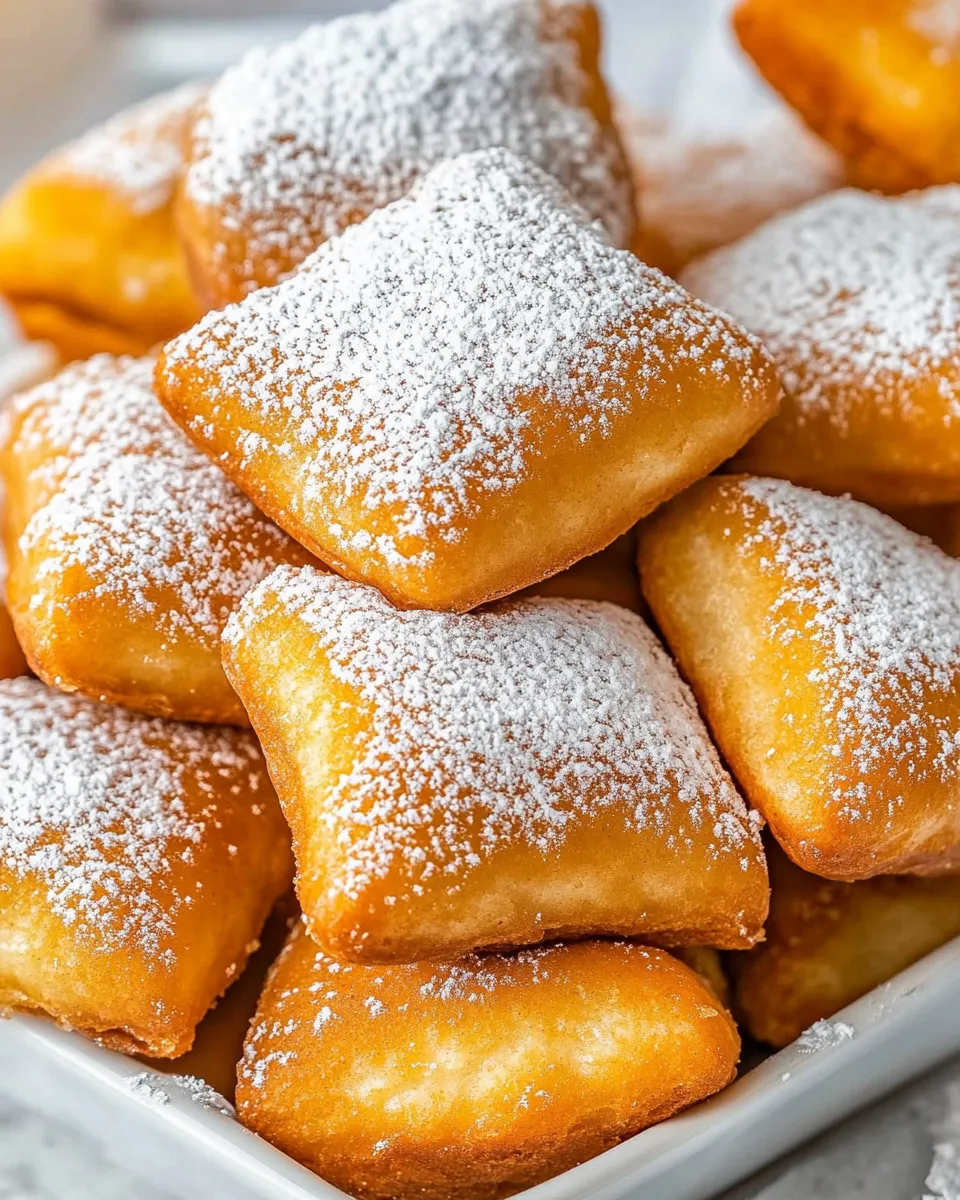
Beignets
I make beignets the way I learned to make them in a small, loud kitchen full of flour on my apron and music on the radio. They are one of those recipes that reward patience: a little bench time, a little waiting, then the bliss of warm pillows of dough dusted in powdered sugar. They’re simple, but technique matters. A bad fry can ruin them; a good fry is unforgettable.
This post gives you a clear, practical method to get them right every time. I’ll walk you through what to gather, the exact steps to follow, common slip-ups and how to avoid them, and sensible swaps if you need them. No fluff—just tested directions and tips that will keep your kitchen calm and your beignets light.
If you want to make a batch this weekend, read through once, set out your ingredients, and follow the steps in order. You’re going to end up with hot beignets that disappear fast. Serve them to company or keep them all to yourself on a slow morning; either way, enjoy the process.
What You’ll Gather

Ingredients
- ¾ cup water (lukewarm) — wakes up the yeast; lukewarm is key (not hot) so you don’t kill it.
- 2¼ teaspoons active dry yeast (or 1 envelope) — the leavener; proof it first to confirm activity.
- ¼ cup sugar — feeds the yeast and lightly sweetens the dough for balanced flavor.
- 1 large egg — enriches the dough and helps with structure and color.
- ½ cup milk — adds tenderness and moisture; whole milk gives best mouthfeel but any milk works.
- 3½ cups all-purpose flour — provides structure; measure by spooning into the cup and leveling for accuracy.
- ½ teaspoon salt — essential for flavor balance and gluten strength.
- 2 tablespoons butter (unsalted and softened) — adds richness and keeps the crumb tender.
- vegetable oil (for frying) — a neutral oil with a high smoke point; you’ll need enough to reach about 3 inches in your pan.
- powdered sugar (for sprinkling, optional) — classic finishing touch; dust beignets while still warm for best adhesion.
Beignets: Step-by-Step Guide
- In a small bowl, combine 3/4 cup lukewarm water, 2 1/4 teaspoons active dry yeast, and 1/4 cup sugar. Whisk briefly and let sit 5–10 minutes, until the mixture is frothy and the yeast is activated.
- Whisk 1 large egg and 1/2 cup milk into the frothy yeast mixture until combined.
- In the bowl of a stand mixer, add 3 1/2 cups all-purpose flour and 1/2 teaspoon salt. Add the yeast mixture and 2 tablespoons softened unsalted butter to the flour.
- Attach the dough hook and mix on low to combine, then increase speed slightly as needed. Mix until the dough comes together and pulls cleanly away from the sides of the bowl.
- Remove the dough from the mixer, shape it into a ball, and place it in a bowl lightly coated with vegetable oil. Cover the bowl with a clean damp towel or plastic wrap.
- Let the dough rise in a warm place until roughly doubled in size, about 1 to 2 hours.
- After the dough has doubled, turn it out onto a lightly floured surface. Gently deflate the dough and roll it into a long rectangle about 3/4 inch thick.
- Cut the rectangle into strips, then cut the strips into squares to form the beignets.
- Pour vegetable oil into a deep frying pan or Dutch oven to a depth of about 3 inches. Heat the oil to 350°F (177°C). Use a thermometer to check the temperature.
- Fry the beignets in batches (about 5–6 at a time, depending on pan size), turning as needed, until they are golden brown on both sides.
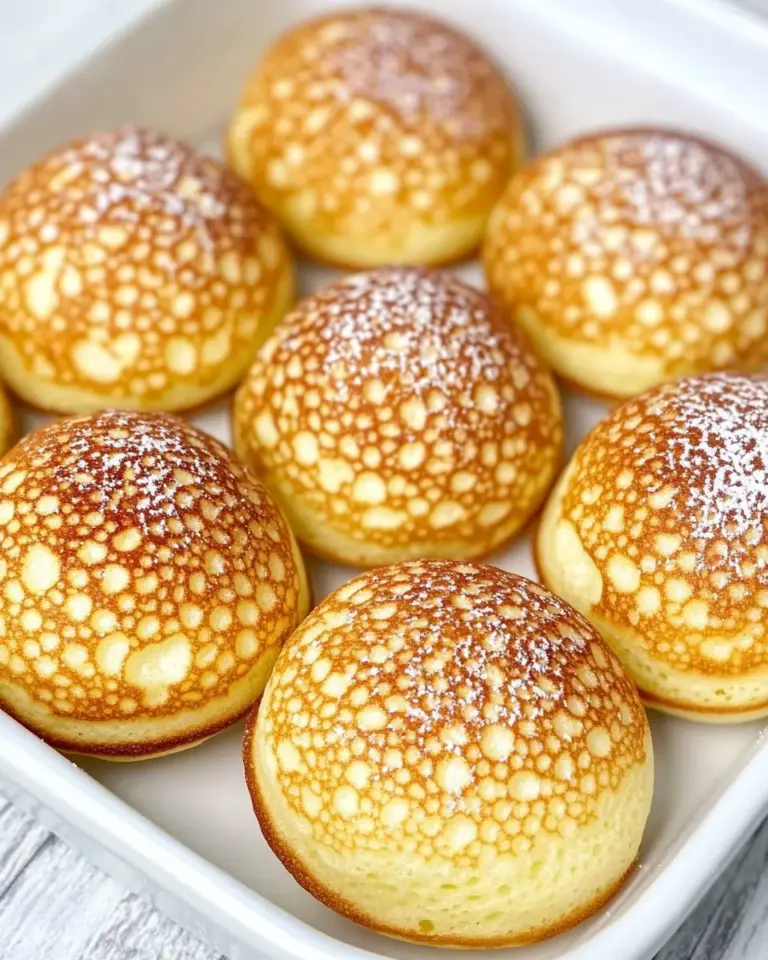
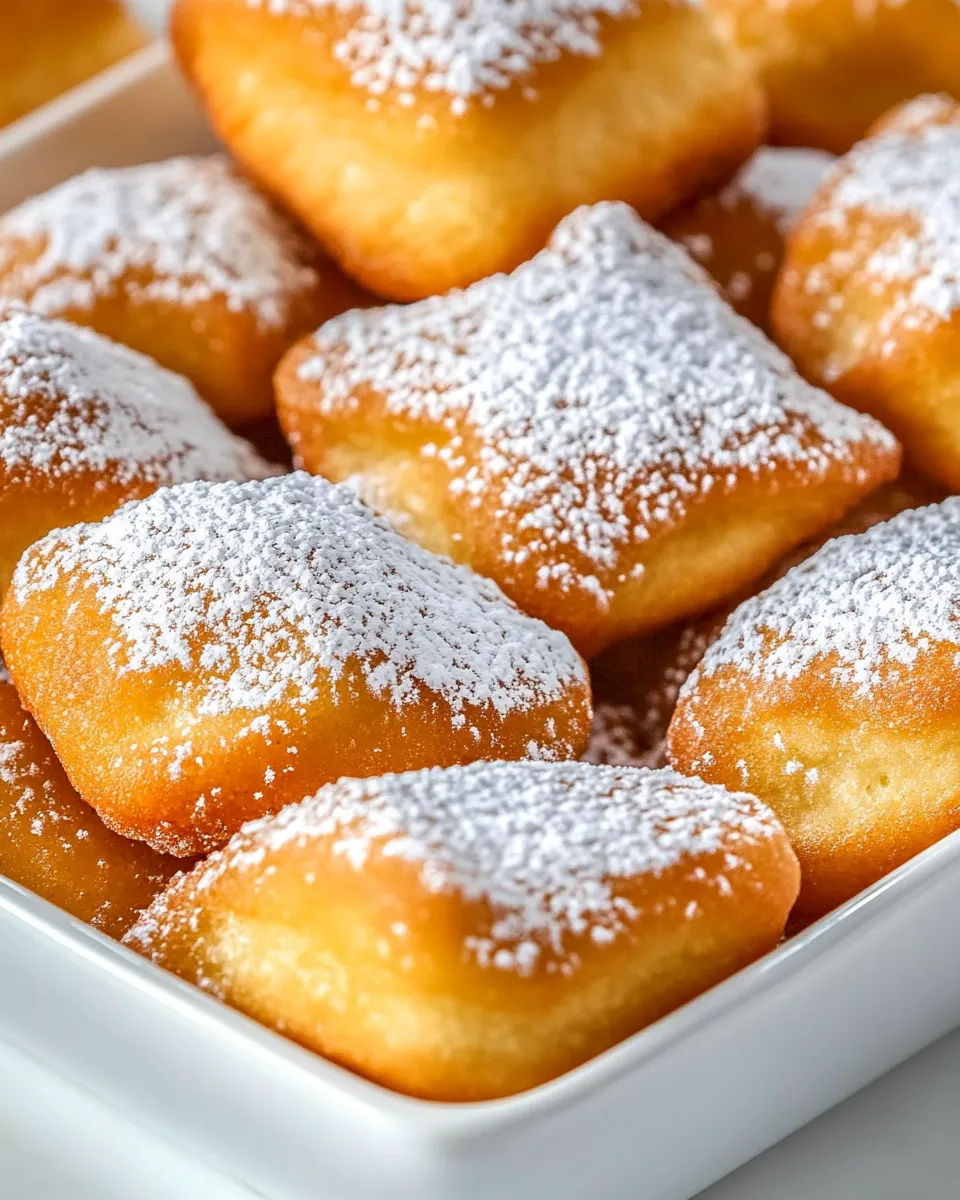
- Transfer fried beignets to a plate lined with paper towels to drain excess oil. Sprinkle with powdered sugar, if desired, and serve warm.
Why Beignets is Worth Your Time
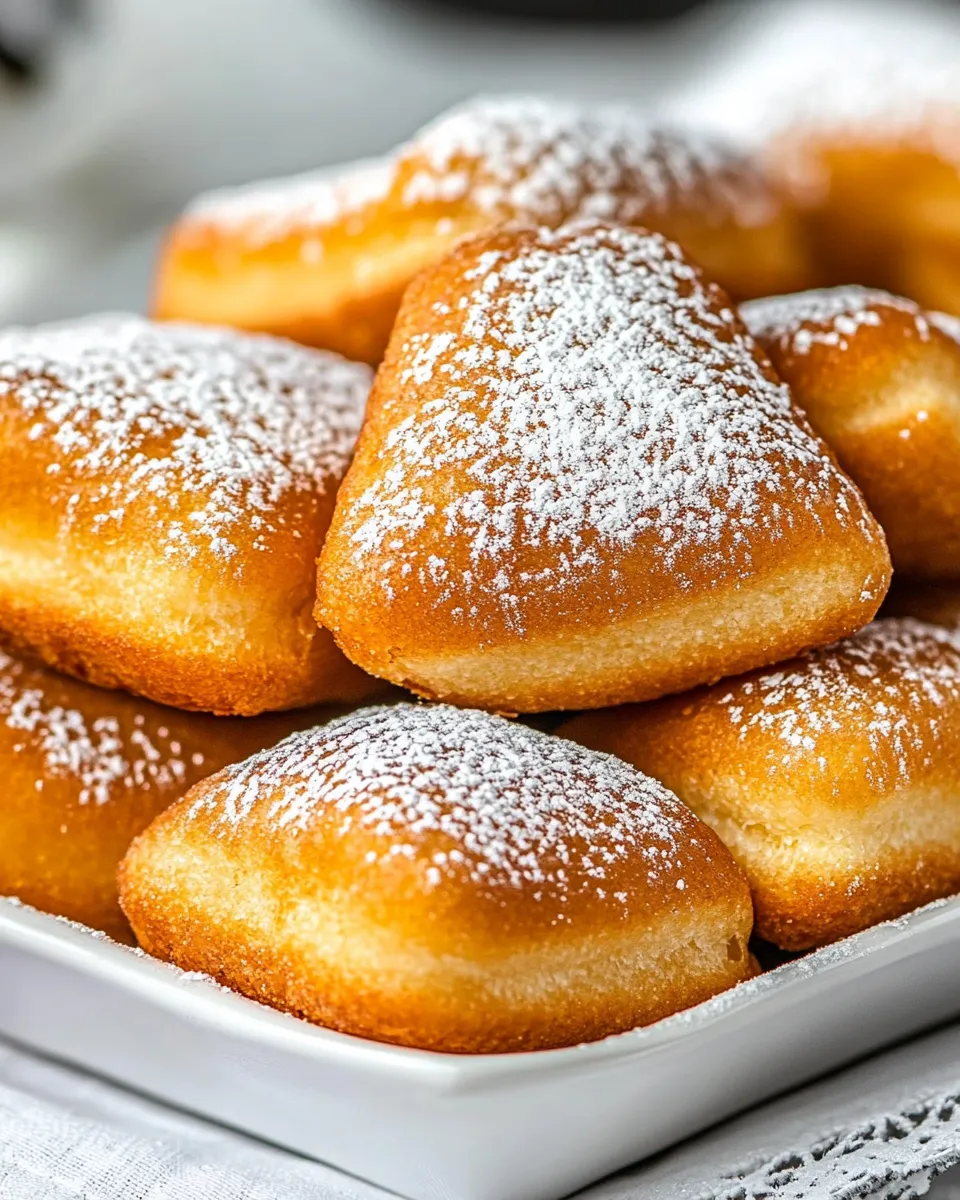
Beignets are deceptively simple. They require a handful of pantry staples, a little kneading or a stand mixer, and a patient rise. But those few steps produce a texture that’s hard to replicate with shortcuts: an airy interior and a slightly crisp exterior, with a pillow-like chew that soaks up powdered sugar perfectly.
They’re also a sensory win. The scent of frying dough fills a kitchen and signals comfort. The process is satisfying—proofing dough, rolling, cutting, and frying—and it’s a great project for a weekend morning or casual gathering. Plus, they scale easily. Double or triple the batch if you’re feeding a crowd.
Vegan & Vegetarian Swaps
Vegetarian: You don’t need to change a thing—this recipe is already vegetarian-friendly as written.
Vegan: If you need a vegan version, replace the milk with plant-based milk and the butter with a plant-based spread. For the egg, use an egg replacer or another commercial substitute that you trust. I avoid listing exact quantities for substitutes here because brands and products vary; follow the package directions for the egg substitute you select.
Equipment & Tools
- Stand mixer with dough hook — makes the kneading consistent and easy, especially for larger batches.
- Mixing bowls — one small for proofing yeast and one larger for the dough if you don’t use a stand mixer.
- Rolling pin — to roll the dough into the required rectangle.
- Sharp knife or bench scraper — for cutting strips and squares cleanly.
- Deep frying pan or Dutch oven — at least wide and deep enough for about 3 inches of oil.
- Cooking thermometer — essential. Keep oil at 350°F (177°C) for even frying.
- Slotted spoon or spider — to lift beignets safely from hot oil.
- Paper towels and a rimmed baking sheet — to drain fried beignets in a single layer.
Slip-Ups to Skip
Here are the common mistakes I see and how to avoid them:
- Killing the yeast: Don’t use water that’s too hot. Lukewarm is warm to the touch—comfortably warm, not scalding.
- Skipping the thermometer: Frying by eye leads to inconsistent color and oil-soggy beignets. Keep the oil at 350°F (177°C).
- Overflouring the dough: Adding too much flour when rolling will make dense beignets. Use just enough to keep dough from sticking.
- Crowding the pan: Fry in batches. Overcrowding drops oil temperature and causes uneven cooking.
- Rushing the rise: Let the dough double. Underproofed dough will be tight and heavy; properly proofed dough is springy and light.
Fresh Seasonal Changes
Beignets play nicely with seasonal toppings and accompaniments. In spring or summer, serve with a quick berry compote or a citrus-scented powdered sugar. In fall, a light dusting of cinnamon or pumpkin spice in the powdered sugar makes them feel cozy and seasonal.
You can also fold a small amount of vanilla bean seeds or citrus zest into the dough during mixing for a subtle flavor lift. Keep additions light so the classic pillowy texture stays front and center.
Chef’s Rationale
I use a short proof and an enriched dough (egg, milk, butter) because it creates a tender crumb that still holds up to frying. The yeast proof step confirms activity so you don’t waste time on inactive yeast. Mixing until the dough pulls cleanly from the bowl ensures the gluten has developed enough to trap gas and create those airy pockets.
Frying at 350°F (177°C) is deliberate. Too cool and beignets absorb oil; too hot and they brown too quickly while staying raw inside. Three inches of oil is deep enough to let the pieces float and cook evenly on both sides when flipped.
Storage & Reheat Guide

Fresh is best. Eat beignets within a few hours of frying for the best texture. If you need to store them, cool completely and keep in an airtight container at room temperature for up to 24 hours. They’ll lose some crispness but remain tasty.
To refresh stored beignets, reheat in a preheated oven or toaster oven on a wire rack at a moderate temperature until warm and slightly crisp again. Avoid microwaving if you want to preserve texture; it makes them gummy. You can also freeze cooled beignets in a single layer on a sheet pan, then transfer to a sealed bag—reheat from frozen in the oven until warmed through.
Top Questions & Answers
- Can I make the dough ahead? Yes. After the first rise, you can refrigerate the dough (covered) for up to a day. Bring it back to room temperature before shaping and frying.
- Can I bake these instead of frying? Baking changes the character. You’ll get something closer to a doughnut-square but not the same crisp exterior and pillowy interior. Frying is recommended for authentic texture.
- What oil should I use? Use a neutral oil with a high smoke point—vegetable oil is on the recipe and works well. It won’t impart extra flavor and handles the heat.
- How do I know the oil is ready? A thermometer is the safest indicator. If you don’t have one, test with a small piece of dough: it should sizzle steadily and rise to the surface quickly without browning too fast.
- Can I make smaller or larger beignets? Yes. Adjust frying time accordingly. Smaller pieces will cook faster; watch the color and remove when golden on both sides.
Let’s Eat
When the beignets come out of the oil, let them rest a moment then dust generously with powdered sugar. Eat them warm, preferably with a crowd who will exclaim and disappear them fast. They pair beautifully with coffee or a hot chocolate on a cold morning, or with a bowl of fresh fruit on a sunny day.
Follow the steps in the order above, respect the temperatures, and treat the dough gently. You’ll be rewarded with light, airy beignets that taste like a small celebration. Make an extra batch—you’ll be glad you did.

Beignets
Ingredients
Ingredients
- 3/4 cupwater lukewarm
- 2 1/4 teaspoonactive dry yeast (or 1 envelope)
- 1/4 cupsugar
- 1 largeegg
- 1/2 cupmilk
- 3 1/2 cupsall-purpose flour
- 1/2 teaspoonsalt
- 2 tablespoonsbutter unsalted and softened
- vegetable oil for frying
- powdered sugar for sprinkling, optional
Instructions
Instructions
- In a small bowl, combine 3/4 cup lukewarm water, 2 1/4 teaspoons active dry yeast, and 1/4 cup sugar. Whisk briefly and let sit 5–10 minutes, until the mixture is frothy and the yeast is activated.
- Whisk 1 large egg and 1/2 cup milk into the frothy yeast mixture until combined.
- In the bowl of a stand mixer, add 3 1/2 cups all-purpose flour and 1/2 teaspoon salt. Add the yeast mixture and 2 tablespoons softened unsalted butter to the flour.
- Attach the dough hook and mix on low to combine, then increase speed slightly as needed. Mix until the dough comes together and pulls cleanly away from the sides of the bowl.
- Remove the dough from the mixer, shape it into a ball, and place it in a bowl lightly coated with vegetable oil. Cover the bowl with a clean damp towel or plastic wrap.
- Let the dough rise in a warm place until roughly doubled in size, about 1 to 2 hours.
- After the dough has doubled, turn it out onto a lightly floured surface. Gently deflate the dough and roll it into a long rectangle about 3/4 inch thick.
- Cut the rectangle into strips, then cut the strips into squares to form the beignets.
- Pour vegetable oil into a deep frying pan or Dutch oven to a depth of about 3 inches. Heat the oil to 350°F (177°C). Use a thermometer to check the temperature.
- Fry the beignets in batches (about 5–6 at a time, depending on pan size), turning as needed, until they are golden brown on both sides.
- Transfer fried beignets to a plate lined with paper towels to drain excess oil. Sprinkle with powdered sugar, if desired, and serve warm.
Equipment
- KitchenAid Artisan 5 Quart Stand Mixer
Notes
You could also use instant or rapid-rise yeast instead of the active dry yeast. If you do, you do not need to dissolve the yeast in the lukewarm water. It could be mixed right into the dough.
To speed up the dough rising process, heat your oven to 200°F (93°C). Turn off the oven and place your dough as specified in step 4 in the oven with the door closed. This will ensure a warm environment for your dough and the dough will rise fairly quickly.
If you’re planning on feeding a huge crowd go ahead and double the recipe because one thing’s for sure, these willdisappearoff the table in no time.
Before frying these beignets make sure your oil is hot, it needs to be350°F (177°C). Try one at first and check out the oil, the beignet should fry pretty quickly.