
Asian Steak Marinade
This marinade is all about bold, balanced flavors that soak into steak quickly. The mix of savory soy, tangy balsamic, a touch of sweetness from maple and brown sugar, and a hit of aromatics makes a straightforward, reliable sauce for grilling or pan-searing. It plays well with big cuts and stands up to high heat without getting lost.
I use this when I want a fast weeknight steak that still feels special. The active prep time is minimal: whisk, coat, and give the meat a short rest in the fridge. Because the marinade is concentrated, it needs only a brief 15–20 minute soak for good flavor penetration on thicker steaks.
Below I’ll walk you through the ingredients, the exact steps I use, swaps that work, gear that makes the job easier, and practical tips from the test kitchen so your steak comes out juicy, caramelized, and ready to eat tonight.
What Goes Into Asian Steak Marinade

This is a flavor-forward blend that balances acid, salt, fat, sweet, and aromatics. Balsamic and soy deliver tang and umami. Vegetable oil helps the marinade coat and carry flavor while protecting the meat during searing. Maple syrup and brown sugar build caramelization on the surface. Dried aromatics—onion, garlic, and ginger powders—give body without adding moisture, and a pinch of red pepper flakes introduces a gentle heat.
Because the profile is concentrated, it’s efficient: a short marinate time is enough to get bright, savory notes into the steak without the risk of over-tenderizing with acid. Leave the fresh garnish—chopped green onions—until serving for color and a fresh bite.
Ingredients
- 48 ounces steaks (I used ribeye) — ample meat; ribeye brings good marbling and flavor that stands up to the marinade.
- 1/3 cup balsamic vinegar — provides acidity and a sweet, tangy backbone; helps tenderize slightly and adds depth.
- 1/3 cup soy sauce — the salty, umami anchor; use low-sodium if you’re watching salt levels.
- 1/3 cup vegetable oil — carries flavor and helps the meat brown evenly on a hot surface.
- 1 tablespoon Worcestershire sauce — adds savory complexity and a subtle fermented note.
- 2 tablespoons maple syrup — for balanced sweetness and improved surface caramelization when searing.
- 1/4 cup brown sugar — contributes sweetness and a molasses note that helps form a caramelized crust.
- 1 teaspoon onion powder — concentrated onion flavor without extra moisture.
- 1 teaspoon garlic powder — delivers garlic punch consistently through the meat.
- 1/2 teaspoon ginger powder — dried ginger gives warm, slightly spicy brightness.
- 1/4 teaspoon red pepper flakes — small heat boost; adjust up or down depending on your tolerance.
- chopped green onions — garnish only; add at the end for color and fresh sharpness.
Stepwise Method: Asian Steak Marinade
- Whisk together all the marinade ingredients in a bowl or a zip-top bag: balsamic vinegar, soy sauce, vegetable oil, Worcestershire sauce, maple syrup, brown sugar, onion powder, garlic powder, ginger powder, and red pepper flakes until the sugar is dissolved and the mixture is uniform.
- Put the 48 ounces of steaks into a large zip-top bag or a shallow bowl. Pour the marinade over the steaks, seal the bag or cover the bowl, and toss or turn the steaks to coat them evenly. Refrigerate and marinate for 15–20 minutes.
- While the steaks marinate, preheat a grill or a cast-iron grill pan over high heat until very hot. Lightly brush the grill grates or the pan with a little vegetable oil.
- Remove the steaks from the marinade and transfer them to the preheated grill or pan using tongs. Discard any remaining marinade that contacted the raw meat (do not reuse it unless boiled).
- Cook the steaks to your desired doneness, flipping as needed. Use an instant-read meat thermometer in the thickest part of the steak to check doneness: rare, less than 130°F; medium-rare, 130°F; medium, 135°F; medium-well, 150°F; well-done, 160°F.
- Transfer the cooked steaks to a cutting board and let them rest for 5 minutes before slicing or serving.
- Garnish with the chopped green onions and serve.
Why This Recipe Belongs in Your Rotation
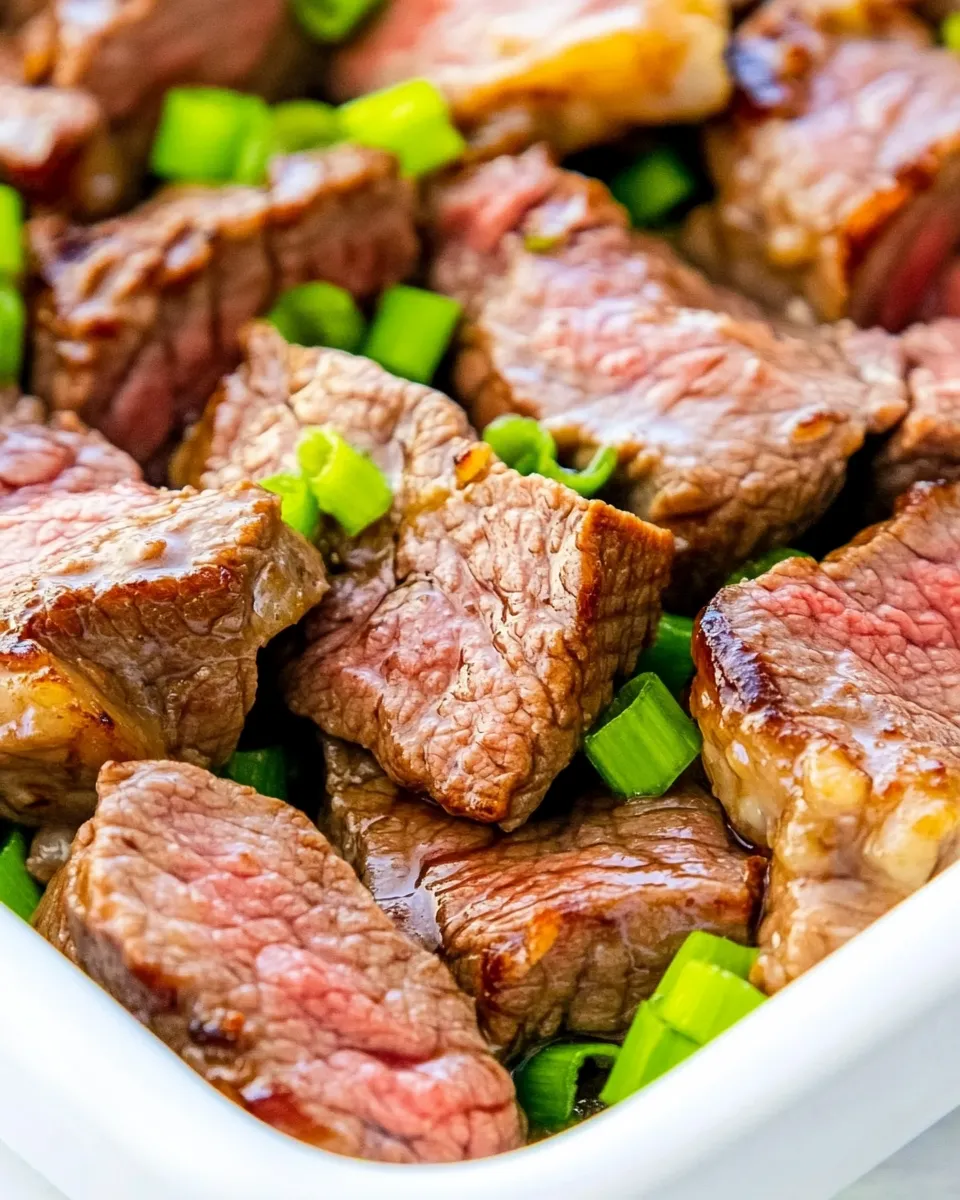
It’s quick. From fridge to plate in under an hour with minimal hands-on time. The 15–20 minute marinate window is perfect for last-minute plans or weeknights when you forgot to plan ahead.
It’s versatile. Works on ribeyes, strip steaks, flank or skirt steak if you want to slice thinly across the grain. The flavor profile is familiar but elevated—salty, sweet, tangy, and aromatic—so everyone at the table will recognize and enjoy it.
It’s forgiving. The marinade balances strong flavors without overpowering the beef. If you hit the grill too hot or cook a degree or two past ideal doneness, the beef still tastes great thanks to the caramelized exterior and built-in sweetness.
Ingredient Swaps & Substitutions

- Soy sauce → Tamari or reduced-sodium soy — tamari keeps the umami and reduces gluten; reduced-sodium soy helps control salt.
- Balsamic vinegar → Rice vinegar + a pinch of sugar — if you don’t have balsamic, rice vinegar is milder; add a small pinch of sugar or a drizzle of maple to regain sweetness.
- Vegetable oil → Neutral oil (canola, grapeseed) — any neutral oil with a high smoke point will work for searing.
- Maple syrup → Honey or agave — retains sweetness and helps with browning; honey will be slightly floral.
- Brown sugar → Coconut sugar or white sugar + molasses — coconut sugar adds warmth; white sugar with a touch of molasses imitates brown sugar.
- Worcestershire sauce → Soy + a splash of vinegar — if unavailable, the combination approximates the tang and savory depth.
What You’ll Need (Gear)
- Large zip-top bag or shallow bowl — for marinating and even coating.
- Whisk or fork — to dissolve the sugar and emulsify the marinade.
- Instant-read thermometer — the single most reliable tool for perfect doneness.
- Long-handled tongs — for safe flipping and moving steaks without piercing.
- Cast-iron grill pan or outdoor grill — both give the high heat and crust you want; cast iron is great for year-round cooking.
- Cutting board and sharp knife — rest the steak, then slice against the grain for the best texture.
Don’t Do This
Don’t reuse the leftover marinade that has touched raw meat unless you boil it for several minutes first. It’s unsafe and there are easy ways to make a fresh finishing sauce instead if you want more glaze.
Don’t marinate for hours or overnight with this exact formula. The acid in the balsamic plus the salt from the soy can start to change texture if left too long; 15–20 minutes is optimal for these proportions.
Don’t skip resting. Cutting too soon sends juices onto the plate and dries the slices. A 5-minute rest for these steak sizes keeps them juicy and easier to slice cleanly.
Seasonal Twists
Summer
Finish with a sprinkle of toasted sesame seeds and a wedge of lime. The lime adds bright acid that complements the balsamic and soy, and sesame seeds add toasty crunch.
Winter
Add a tablespoon of dark molasses to the marinade in place of a portion of the brown sugar for deeper, warming notes that pair well with roasted root vegetables.
Spring
Toss in a tablespoon of finely chopped fresh ginger along with the green onion garnish for a fresher, sharper finish that lifts the dish.
Autumn
Stir a teaspoon of five-spice powder into the marinade for a subtly spiced variation that matches fall produce and heavier sides.
Notes from the Test Kitchen
I tested this across three different beef cuts. Ribeye produced the richest flavor because of the fat content; it also tolerated the quick marinade and high heat best. Strip steaks were excellent for a leaner option. For flank or skirt, slice thinner and aim for medium-rare to avoid toughness; those cuts benefit from a slightly longer contact time, but still keep it under an hour.
When heating a pan, wait until it is smoking just slightly. A ridiculously hot pan gives the best crust. If using a grill, preheat for at least 10 minutes on high. A light brush of oil prevents sticking; don’t drench the grate—just a thin coating.
We tried letting the steaks marinate 45 minutes to see if the flavor improved—results were mixed. Salt and acid started to change the surface texture noticeably beyond 30 minutes. The sweet spots were 15–20 minutes for balanced flavor and surface caramelization.
Cooling, Storing & Rewarming
Cool: After cooking, let steaks rest on a cutting board for 5 minutes. If storing, cool to room temperature no longer than two hours after cooking, then refrigerate.
Store: Wrap sliced or whole cooked steak tightly in foil or plastic wrap and keep in an airtight container. Use within 3–4 days for best quality.
Rewarm: Reheat gently to avoid overcooking. The best method is a low oven (250–275°F) until just warmed through, about 10–15 minutes depending on thickness. You can also reheat slices quickly in a hot pan for 30–60 seconds per side, or briefly under a broiler, watching closely so they don’t dry out. Add a splash of water or beef stock to the pan and cover for a minute to keep moisture if needed.
Ask & Learn
Q: Can I use this marinade for chicken or pork?
A: Yes, but adjust marinating time. For chicken, marinate 30 minutes to 2 hours; for pork chops, 30 minutes to 1 hour. Because this mixture contains sugar and balsamic, it will brown quickly—watch the heat to prevent burning.
Q: Is there a non-sugar version?
A: You can omit the brown sugar and maple syrup, but you’ll lose the caramelization and balance. Replace with a tablespoon of a sugar substitute that caramelizes, or accept a less-sweet profile and increase a bit of balsamic for depth.
Q: Can I make this gluten-free?
A: Use gluten-free tamari in place of soy sauce. Worcestershire sauce sometimes contains gluten; choose a certified gluten-free brand or omit and add a splash of extra vinegar with a pinch of anchovy paste if you want that umami kick.
Make It Tonight
Plan: Whisk the marinade, toss the steaks in, preheat your grill or cast-iron, and you’ll be plating in under 40 minutes. Follow the stepwise method exactly for consistent results.
Serving suggestion: Slice across the grain into 1/4–1/2-inch slices and arrange over a bed of steamed rice or a simple salad with cucumber and sesame. Scatter the chopped green onions generously over the top.
Final, practical tip: always use an instant-read thermometer. It removes guesswork. Pull the steak a few degrees below your target because it will carryover cook while resting. Enjoy the bright, savory punch of this Asian Steak Marinade—and don’t forget the green onions at the end for freshness and color.
Asian Steak Marinade
Ingredients
Ingredients
- 48- ouncessteaksI used ribeye
- 1/3 cupbalsamic vinegar
- 1/3 cupsoy sauce
- 1/3 cupvegetable oil
- 1 tablespoonWorcestershire sauce
- 2 tablespoonsmaple syrup
- 1/4 cupbrown sugar
- 1 teaspoononion powder
- 1 teaspoongarlic powder
- 1/2 teaspoonginger powder
- 1/4 teaspoonred pepper flakes
- chopped green onions
Instructions
Instructions
- Whisk together all the marinade ingredients in a bowl or a zip-top bag: balsamic vinegar, soy sauce, vegetable oil, Worcestershire sauce, maple syrup, brown sugar, onion powder, garlic powder, ginger powder, and red pepper flakes until the sugar is dissolved and the mixture is uniform.
- Put the 48 ounces of steaks into a large zip-top bag or a shallow bowl. Pour the marinade over the steaks, seal the bag or cover the bowl, and toss or turn the steaks to coat them evenly. Refrigerate and marinate for 15–20 minutes.
- While the steaks marinate, preheat a grill or a cast-iron grill pan over high heat until very hot. Lightly brush the grill grates or the pan with a little vegetable oil.
- Remove the steaks from the marinade and transfer them to the preheated grill or pan using tongs. Discard any remaining marinade that contacted the raw meat (do not reuse it unless boiled).
- Cook the steaks to your desired doneness, flipping as needed. Use an instant-read meat thermometer in the thickest part of the steak to check doneness: rare, less than 130°F; medium-rare, 130°F; medium, 135°F; medium-well, 150°F; well-done, 160°F.
- Transfer the cooked steaks to a cutting board and let them rest for 5 minutes before slicing or serving.
- Garnish with the chopped green onions and serve.
Equipment
- Zip-top Bag
- Bowl
- grill or cast-iron grill pan
- Tongs
- Instant-read thermometer
- Cutting Board
Notes
Fresh: As a rule of thumb, get only the fresh ones that have nice color! The meat must be dry, too, not slimy or dripping wet.
Thick: It’s best to get thicker ones if you want rare to medium-rare steaks, because the inside will cook more slowly while the outside is being charred.
Tenderness: For flavorful and tender cuts, opt for tenderloin or ribeye. But these are more expensive than tougher cuts like flank or skirt, for which this marinade works best!