AMAZING Texas Sheet Cake
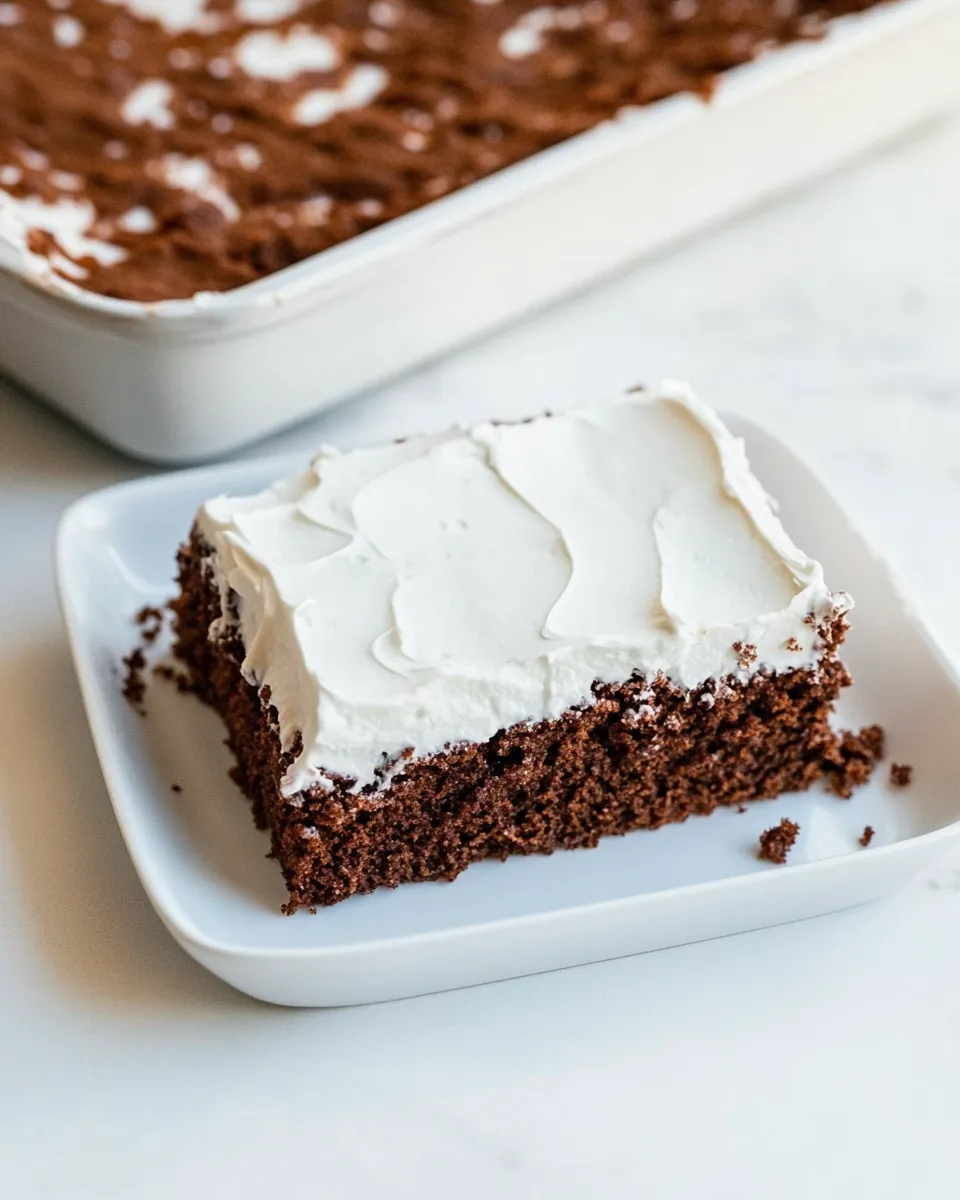
I’ve made a lot of chocolate cakes, but this Texas sheet cake keeps finding its way onto my counter. It’s the kind of dessert that feeds a crowd, disappears fast, and still manages to taste like something homemade and indulgent. No complicated layers, no fussy piping—just a thin, deeply chocolatey cake with a glossy, spreadable frosting and a scatter of toasted nuts if you like texture.
This recipe is straightforward and forgiving, which makes it a reliable choice for potlucks, weeknight celebrations, or a weekend bake when you want maximum flavor with minimum drama. I’ll walk you through what to buy, how the steps come together, and the little tricks that make the difference between “good” and “really good.”
Read through the tips and substitutions before you begin so you can prep everything ahead. Once the batter is mixed, this cake bakes quickly and the frosting comes together in the same saucepan—one pan, one bowl, and a happy kitchen to clean up.
What to Buy

Buy the exact ingredients listed in the recipe to get the classic Texas sheet cake texture and flavor. Look for full-fat options where called for (unsalted butter, whole buttermilk) for the best richness. If you don’t already have them, pick up a sturdy baking sheet that matches the size called out; pan size affects bake time and outcome.
- All-purpose flour, granulated sugar, powdered sugar — pantry staples you’ll use beyond this cake.
- Unsalted butter (you’ll need it in batter and frosting) — buy fresh; older butter can taste flat.
- Vegetable shortening — gives the cake a tender crumb and helps keep the texture thin and moist.
- Cocoa powder — unsweetened; Dutch-processed will deepen color and mellow acidity, natural cocoa will be brighter.
- Buttermilk and eggs — for lift and tenderness.
- Milk for the frosting — whole milk packs more flavor.
- Pecans or walnuts — optional, toast them for better flavor if you plan to sprinkle them on top.
Texas Sheet Cake, Made Easy
- Preheat the oven to 400°F. Grease and flour a large baking sheet (at least 18 x 13 x 1.5 inches) and set it aside.
- In a medium bowl, combine 2 cups all-purpose flour and 2 cups granulated sugar; set aside.
- In a medium saucepan, combine 1/2 cup unsalted butter, 3 1/2 tablespoons unsweetened cocoa powder, 1/2 cup vegetable shortening, and 1 cup water. Heat over medium, stirring, and bring to a boil.
- Immediately pour the hot cocoa mixture over the flour-and-sugar mixture. Using a hand mixer or a stand mixer fitted with the paddle attachment, mix until combined.
- Add 1 teaspoon vanilla extract, 1/2 cup buttermilk, 1 teaspoon baking soda, and 1/2 teaspoon salt to the batter. Mix until combined.
- Add 2 large eggs and mix until the batter is smooth and fully incorporated.
- Pour the batter into the prepared baking sheet. Tap the pan on the counter a few times to release large air bubbles.
- Bake for 20 minutes, or until the center springs back when gently pressed. Remove from the oven and let the cake cool completely in the pan before frosting.
- For the frosting, combine 1/2 cup milk, 1 1/2 cups unsalted butter, and 5 tablespoons unsweetened cocoa powder in the same saucepan. Heat over medium, stirring frequently, until the mixture just reaches a boil. (You can reuse the same saucepan; no need to wash it first.)
- Remove the saucepan from the heat and pour the hot mixture into a medium bowl. Using a hand mixer or a whisk, stir in 3 cups powdered sugar, 1 teaspoon vanilla extract, and 1 dash salt until the frosting is smooth.
- Let the frosting cool and thicken for about 10 minutes, then spread it evenly over the completely cooled cake.
- Immediately sprinkle 1 cup chopped pecans or walnuts over the frosting, if desired.
Ingredients
- 2 cups all-purpose flour — provides structure for the cake; measure by spooning into the cup and leveling for accuracy.
- 2 cups granulated sugar — sweetens and helps create a tender crumb.
- ½ cup unsalted butter — melts into the cocoa mixture to add richness.
- 3 ½ tablespoons unsweetened cocoa powder — gives chocolate flavor to the batter; unsweetened is required here.
- ½ cup vegetable shortening — keeps the cake tender and helps produce that classic thin sheet texture.
- 1 cup water — hydrates the batter and blooms the cocoa flavor when boiled with butter and shortening.
- 1 teaspoon vanilla extract — vanilla lifts and rounds the chocolate flavor in the batter.
- ½ cup buttermilk — adds tang and reacts with baking soda for lift; brings tenderness.
- 1 teaspoon baking soda — leavening; reacts with buttermilk for lift in the thin cake.
- ½ teaspoon salt — balances sweetness and enhances chocolate flavor.
- 2 large eggs — bind and provide structure and moisture.
- ½ cup milk — used in the frosting for spreadable consistency and creaminess.
- 1 ½ cups unsalted butter — for the frosting; gives a stable, rich finish.
- 5 tablespoons unsweetened cocoa powder — chocolate flavor in the frosting; unsweetened keeps sugar levels controllable.
- 3 cups powdered sugar — sweetens and thickens the frosting to the right spreadable consistency.
- 1 teaspoon vanilla extract — vanilla in the frosting deepens the chocolate note.
- 1 dash salt — rounds flavor in the frosting; a little salt goes a long way.
- 1 cup chopped pecans or walnuts — optional topping for crunch; toss toasted if you want extra flavor.
Why Texas Sheet Cake is Worth Your Time
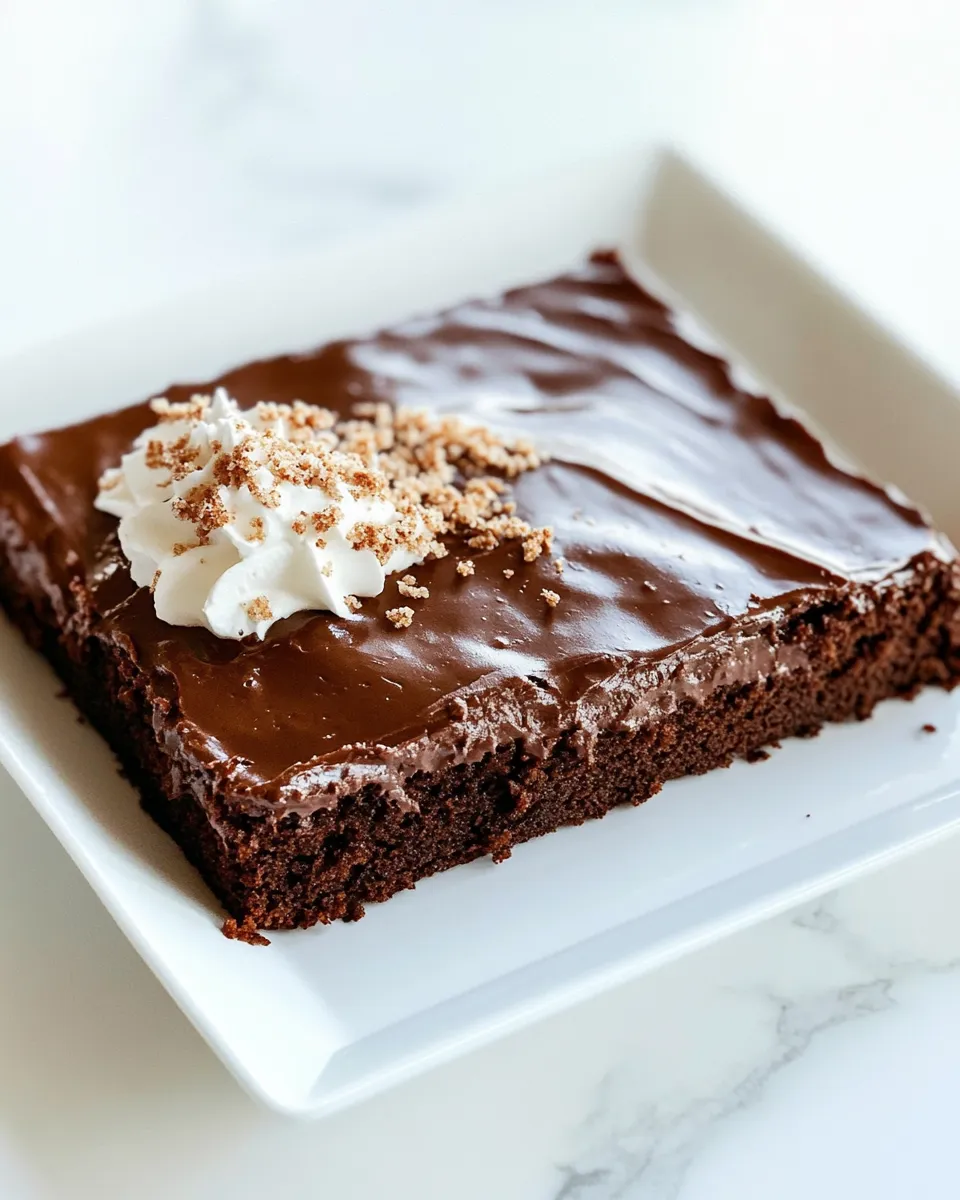
This cake delivers maximum payoff for minimal fuss. It requires common pantry ingredients, bakes quickly, and serves a crowd without slicing twenty layers. The thin cake profile means more frosting-to-cake ratio per bite, which is exactly what chocolate lovers want. Because everything happens in one pan and one saucepan, cleanup is reasonable.
Texture is the star: a tender but thin crumb that stays moist thanks to the butter-shortening combination. The frosting is poured on while warm so it sinks slightly into the top, creating a glossy, fudgy finish rather than a stiff buttercream cap.
Ingredient Swaps & Substitutions
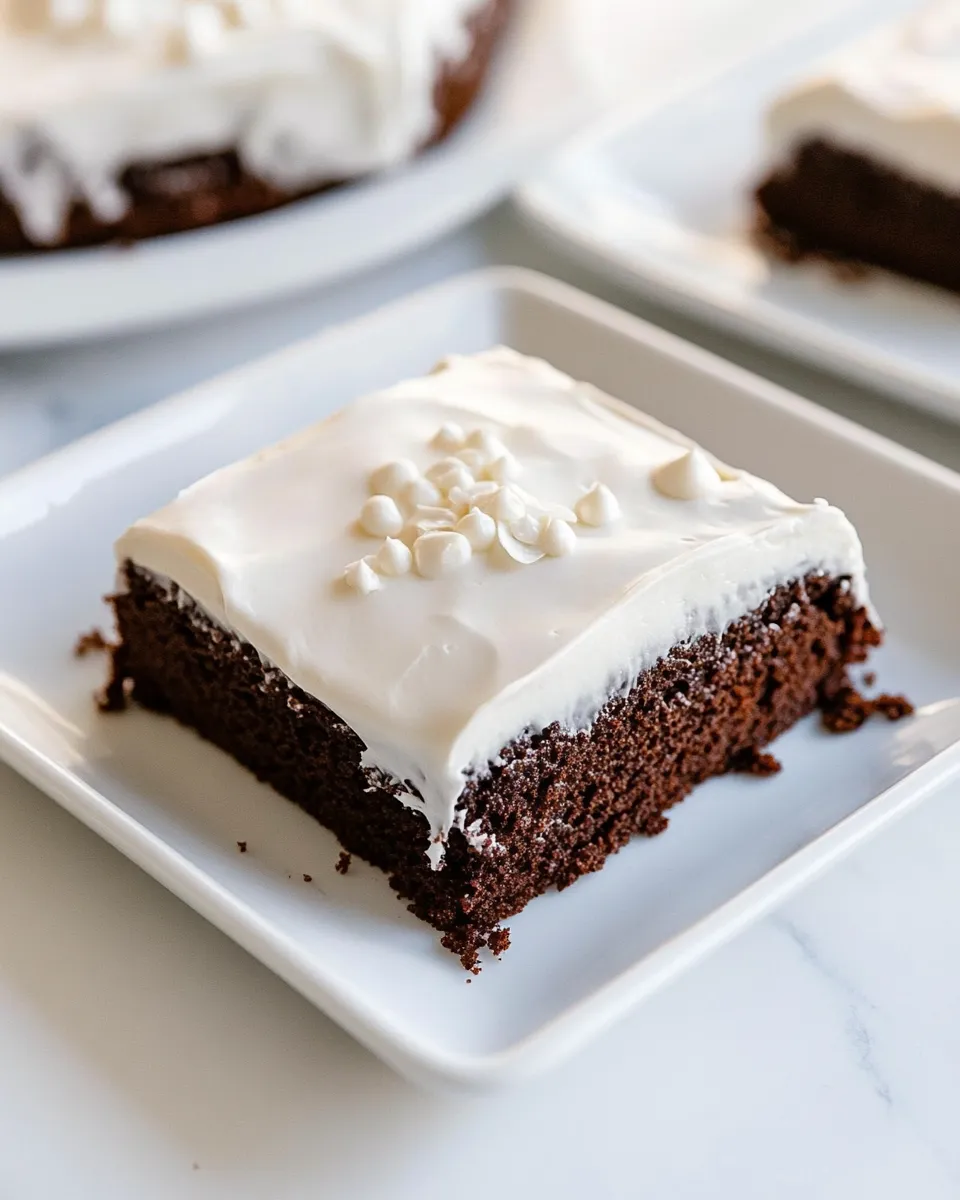
- Vegetable shortening — if you don’t have it, you can use additional unsalted butter, but expect a slightly different texture (a touch denser and less tender).
- Buttermilk — whole milk with 1 tablespoon lemon juice or vinegar stirred in and rested 5 minutes is a common substitute if you don’t have cultured buttermilk on hand.
- Unsalted butter in frosting — if using salted butter, reduce or omit the added dash of salt in the frosting.
- Cocoa powder — Dutch-processed cocoa will yield a darker, smoother flavor; natural cocoa will be fruitier and brighter. Either works, but flavor shifts slightly.
- Nuts — if you’re serving nut-free guests, leave off the pecans/walnuts; the frosting is great on its own.
What’s in the Gear List
- Large baking sheet (at least 18 x 13 x 1.5 inches) — the cake spreads thin; don’t substitute a much smaller pan or the batter will overflow.
- Medium mixing bowls — one for dry ingredients and one for frosting mixing.
- Medium saucepan — used for both the batter’s hot cocoa mixture and frosting base.
- Hand mixer or stand mixer with paddle — helpful to get a smooth batter and a lump-free frosting.
- Rubber spatula — for scraping batter into the pan and spreading frosting evenly.
- Measuring cups and spoons — accurate measuring keeps the cake consistent.
Watch Outs & How to Fix
- Underbaked center — the cake is thin and bakes fast; if it feels sticky or collapses in the center, give it another 2–3 minutes, but watch closely to avoid overbaking.
- Runny frosting — if your frosting is too thin, let it cool a few extra minutes to thicken. If it cools too much and becomes hard to spread, warm it slightly over a double boiler for a few seconds and whisk to loosen.
- Gritty frosting — if powdered sugar isn’t fully incorporated, beat until smooth; a fine-mesh sieve added when measuring powdered sugar can prevent lumps.
- Dry cake — measure flour correctly (spoon and level) to avoid packing in extra flour. Also, ensure you don’t overbake; thin cakes dry out quickly when left in the oven too long.
- Bubbles in batter — tapping the pan as directed removes large air pockets; if you still see holes after baking, a light poke with a skewer and a little more frosting will hide them.
Fresh Seasonal Changes
Seasonal tweaks keep this classic feeling current. In autumn, toast the pecans with a pinch of cinnamon before sprinkling. In winter, add a teaspoon of espresso powder to both batter and frosting to elevate the chocolate. In spring and summer, top slices with a spoonful of lightly macerated berries at serving for a bright contrast to the rich chocolate.
Little Things that Matter
- Bring eggs and butter to room temperature for smoother mixing and stable emulsion.
- Boiling the cocoa-butter-shortening mixture blooms the cocoa and helps dissolve sugar into the batter for a smoother texture.
- Spread frosting while the cake is completely cooled to avoid sliding or melting the topping unevenly.
- Use a clean offset spatula for a smooth finish; press nuts in gently so they adhere to the frosting.
Best Ways to Store
Store the cake covered at room temperature for up to 2 days — the frosting seals in moisture. For longer keeping, cover tightly and refrigerate up to 5 days; allow slices to come to room temperature before serving for best flavor and texture. You can also freeze individual slices wrapped tightly in plastic and foil for up to 1 month; thaw in the refrigerator, then bring to room temperature.
FAQ
- Can I make this ahead? Yes. Bake the cake and cool completely, then store uncovered in the fridge and frost the day you plan to serve for the best glossy finish. Alternatively, frost and refrigerate; bring to room temperature before serving.
- Can I double the recipe? This recipe already covers a large sheet pan. Doubling would require two pans or larger commercial sheets; avoid trying to bake a double batch in one standard pan.
- Why is there vegetable shortening in the batter? Shortening keeps the thin cake tender and moist; it’s traditional for this style of sheet cake. You can swap it for butter, but texture will change slightly.
- Can I skip the nuts? Yes. The frosting is rich and complete without them; the nuts are optional for crunch and visual contrast.
Ready to Cook?
Gather your ingredients, preheat the oven to 400°F, and set out the baking sheet. Follow the steps in the “Texas Sheet Cake, Made Easy” section in order: heat the cocoa mixture, mix the batter, bake for 20 minutes, then make the frosting and spread it once the cake is completely cool. Sprinkle with chopped nuts if you like, slice, and serve.
This cake is forgiving, fast, and deeply chocolatey—perfect for when you need a dessert that looks and tastes special without a lot of work. Have fun baking, and keep a spatula handy for any extra frosting that doesn’t make it to the cake; it won’t go to waste.
AMAZING Texas Sheet Cake
Ingredients
Ingredients
- 2 cupsall-purpose flour
- 2 cupsgranulated sugar
- 1/2 cupunsalted butter
- 3 1/2 tablespoonsunsweetened cocoa powder
- 1/2 cupvegetable shortening
- 1 cupwater
- 1 teaspoonvanilla extract
- 1/2 cupbuttermilk
- 1 teaspoonbaking soda
- 1/2 teaspoonsalt
- 2 largeeggs
- 1/2 cupmilk
- 1 1/2 cupunsalted butter
- 5 tablespoonsunsweetened cocoa powder
- 3 cupspowdered sugar
- 1 teaspoonvanilla extract
- 1 dashsalt
- 1 cupchopped pecans or walnuts
Instructions
Instructions
- Preheat the oven to 400°F. Grease and flour a large baking sheet (at least 18 x 13 x 1.5 inches) and set it aside.
- In a medium bowl, combine 2 cups all-purpose flour and 2 cups granulated sugar; set aside.
- In a medium saucepan, combine 1/2 cup unsalted butter, 3 1/2 tablespoons unsweetened cocoa powder, 1/2 cup vegetable shortening, and 1 cup water. Heat over medium, stirring, and bring to a boil.
- Immediately pour the hot cocoa mixture over the flour-and-sugar mixture. Using a hand mixer or a stand mixer fitted with the paddle attachment, mix until combined.
- Add 1 teaspoon vanilla extract, 1/2 cup buttermilk, 1 teaspoon baking soda, and 1/2 teaspoon salt to the batter. Mix until combined.
- Add 2 large eggs and mix until the batter is smooth and fully incorporated.
- Pour the batter into the prepared baking sheet. Tap the pan on the counter a few times to release large air bubbles.
- Bake for 20 minutes, or until the center springs back when gently pressed. Remove from the oven and let the cake cool completely in the pan before frosting.
- For the frosting, combine 1/2 cup milk, 1 1/2 cups unsalted butter, and 5 tablespoons unsweetened cocoa powder in the same saucepan. Heat over medium, stirring frequently, until the mixture just reaches a boil. (You can reuse the same saucepan; no need to wash it first.)
- Remove the saucepan from the heat and pour the hot mixture into a medium bowl. Using a hand mixer or a whisk, stir in 3 cups powdered sugar, 1 teaspoon vanilla extract, and 1 dash salt until the frosting is smooth.
- Let the frosting cool and thicken for about 10 minutes, then spread it evenly over the completely cooled cake.
- Immediately sprinkle 1 cup chopped pecans or walnuts over the frosting, if desired.
Equipment
- large baking sheet (at least 18 x 13 x 1.5 inches)
- Saucepan
- Mixing Bowl
- hand mixer or stand mixer with paddle attachment
- Whisk