Alfredo Sauce Recipe
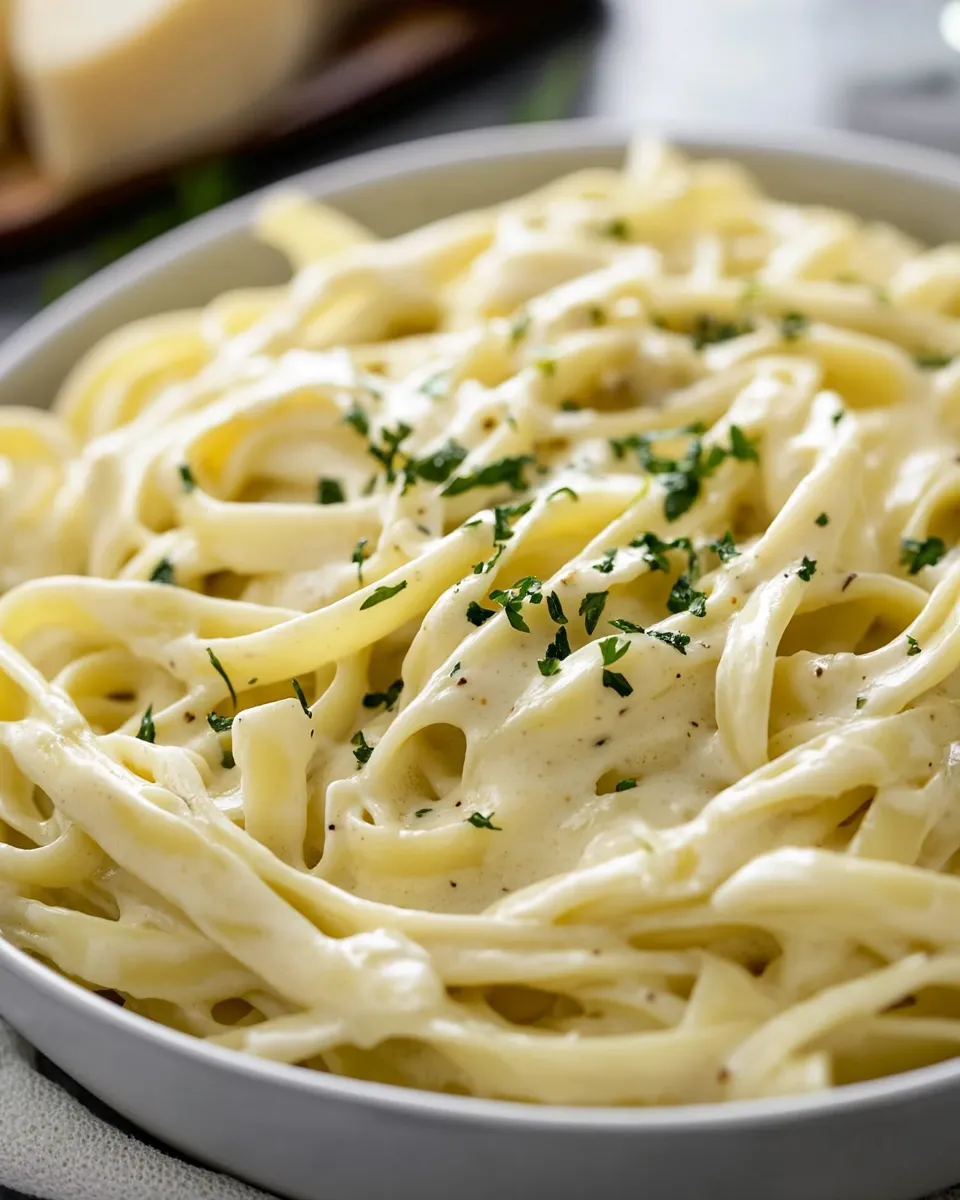
Rich, creamy, and impossibly simple—that’s what drew me to this Alfredo sauce the first time I made it at home. No long lists of obscure pantry items. Just a few staples and a little attention to technique. If you want restaurant-style sauce without the fuss, this is the one to keep in your back pocket.
I cook this sauce when I want dinner to feel indulgent but still fast. It clings to pasta, melts into vegetables, and makes weeknight meals feel like a small celebration. The steps are forgiving, but a couple of moments—watching heat and whisking steadily—make all the difference.
Below you’ll find the ingredient list as given, exact step-by-step directions, troubleshooting tips, and ways to adapt the sauce without losing its signature creaminess. Read through once, then follow the steps; you’ll have a smooth, cheesy Alfredo ready before the pasta is done.
Gather These Ingredients

- ?? cup(76g)unsalted butter — provides the fat base and flavor; melts into a silky medium for the sauce.
- ?3clovesgarlic — flavor anchor; finely minced to release aroma without large bites of raw garlic.
- ?1tablespoonall-purpose flour — builds a light roux so the sauce thickens evenly and coats pasta.
- ?1cupheavy whipping cream — gives the sauce its luxurious body and mouthfeel.
- ?1cupwhole milk — lightens the cream slightly while keeping richness; balances texture.
- ?¾cupgrated parmesan — salty, savory backbone; grate fresh for best melt and flavor.
- ?½teaspoonsalt — seasons the sauce; adjust to taste after adding the cheese.
- ?¼teaspoonground black pepper — gives a gentle heat and contrast to the cream.
- ??teaspoonground nutmegoptional — a tiny pinch brightens the dairy; use sparingly if you choose it.
Step-by-Step: Alfredo Sauce
- Finely mince 3 cloves garlic and measure the other ingredients so they’re ready.
- In a medium saucepan over medium heat, add the ?? cup (76 g) unsalted butter and melt until bubbling.
- Add the minced garlic to the melted butter and sauté, stirring constantly, about 1 minute, until fragrant but not browned.
- Sprinkle in 1 tablespoon all-purpose flour and stir constantly for 1 minute to cook the flour and form a light roux.
- Gradually whisk in 1 cup heavy whipping cream and 1 cup whole milk until smooth. Bring the mixture to a gentle simmer, then reduce heat to medium-low and simmer for 2 minutes, whisking occasionally, until the sauce begins to thicken.
- Remove from heat or lower to the lowest setting, then add ¾ cup grated Parmesan, ½ teaspoon salt, ¼ teaspoon ground black pepper, and ground nutmeg if using. Whisk until the cheese is completely melted and the sauce is smooth and thickened.
- Add hot, drained cooked pasta to the sauce and toss until evenly coated. Serve immediately.
Why This Recipe Works
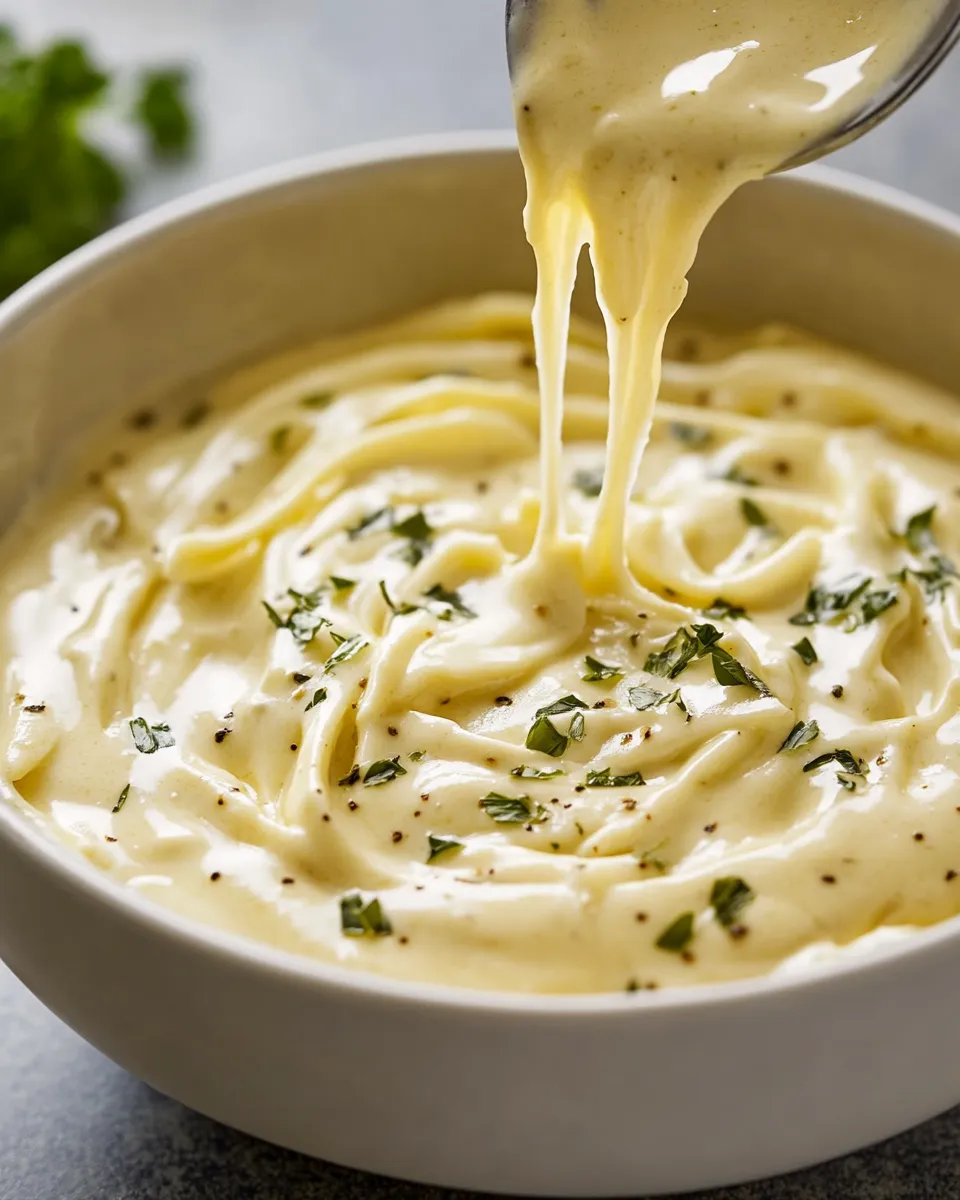
This sauce balances three key components: fat, starch, and cheese. The butter and cream bring richness and shine. The flour creates a roux that stabilizes the sauce so it clings to pasta instead of separating. And the Parmesan introduces salt and umami that pull everything together.
The method matters: sautéing the garlic briefly in butter releases gentle, aromatic flavor without bitterness. Cooking the flour for a minute removes the raw taste and gives the sauce a smooth texture. Finally, melting the cheese off-heat or on the lowest setting prevents graininess and ensures a silky finish.
Temperature control is the real secret. Too hot and the dairy separates. Too cool and the sauce won’t finish melting properly. This recipe gives a simple window—bring to a gentle simmer, then ease off heat and whisk the cheese in. That brief pause and careful whisking create a stable, glossy sauce.
Healthier Substitutions
If you’re looking to cut calories or saturated fat, you can make swaps that reduce richness while keeping decent texture. Replace some or all of the heavy cream with evaporated milk (for a creamier mouthfeel than skim) or use a lighter dairy like 2% milk combined with a tablespoon of cornstarch whisked into it to help thicken. Expect a slightly less indulgent finish.
For dairy-free versions, unsweetened plain plant milks (like oat or almond) will work but the sauce will be thinner and flavor will change. Use a plant-based butter and a thickener such as a cornstarch slurry or blended silken tofu to achieve body. Note that the Parmesan flavor is hard to replicate exactly; fortified nutritional yeast offers an umami boost but is not the same as real cheese.
Salt and cheese provide most of the perceived richness, so taste as you go and be cautious with salt if you reduce the cheese. Little changes make a big difference, so adapt gradually and test the sauce on a small scale before serving to guests.
Equipment & Tools
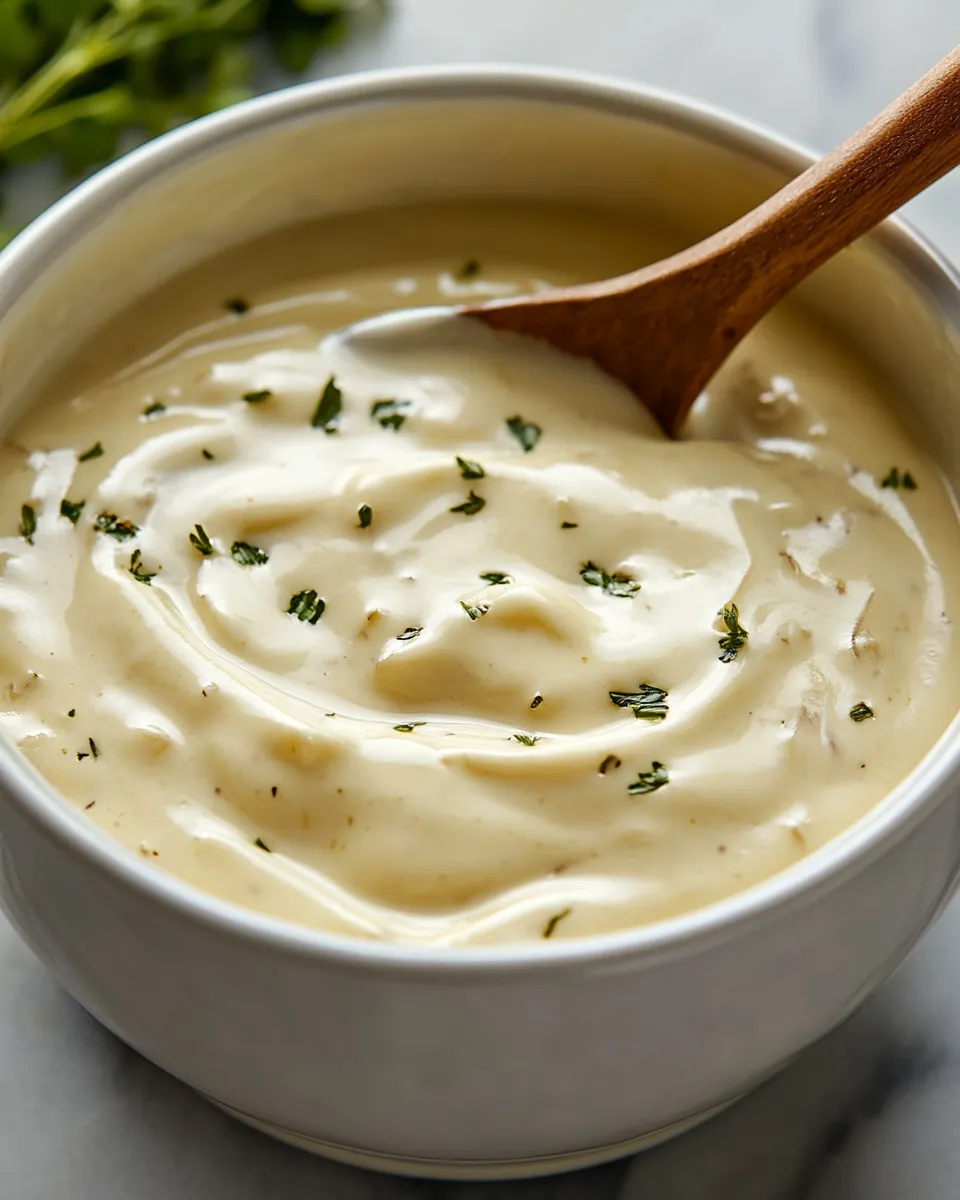
Minimal tools make this recipe friendly for any kitchen. You don’t need fancy equipment—just good technique.
- Medium saucepan — use one with a heavy bottom to distribute heat evenly and avoid hot spots that scorch dairy.
- Whisk — crucial for smoothing the roux into the liquid and for whisking in cheese without clumps.
- Sharp grater — grate the Parmesan fresh; pre-grated cheese often contains anti-caking agents that affect melt.
- Knife and cutting board — for finely mincing the garlic so it distributes evenly.
- Colander — for draining pasta so it’s hot and ready to toss with sauce immediately.
Mistakes Even Pros Make
Overheating the sauce is the most common error. Heat it too much when the cheese is in, and the sauce can separate or become grainy. Solution: remove the pan from the heat or turn it to the lowest setting before adding cheese, and whisk steadily.
Another frequent mistake is adding cheese that’s too cold or in large chunks. Cold cheese can lower the sauce temperature too quickly and clump. Grate the cheese finely and let it sit at room temperature for a few minutes if possible.
Under-cooking the roux leaves a raw flour taste. Spend the recommended minute stirring after adding the flour. Conversely, overcooking the roux to a brown stage will change flavor and reduce the sauce’s pale color—this recipe calls for a light roux only.
Customize for Your Needs
Here are practical ways to tweak the sauce without losing its creamy character:
- Garlic intensity: Use more or less garlic. Roast the garlic first for a sweeter, mellower profile.
- Herbs: Stir in chopped parsley or basil at the end for freshness. Add sparingly—fresh herbs are delicate and can be overwhelmed by the sauce.
- Protein additions: Toss in sliced cooked chicken, shrimp, or sautéed mushrooms to turn this into a full meal.
- Cheese variations: Mix in a little Pecorino Romano for a sharper, saltier edge. Keep the quantity moderate to avoid overpowering the sauce.
- Spice: A pinch of red pepper flakes adds warmth. Freshly cracked pepper is always nicer than pre-ground.
Author’s Commentary
I keep this Alfredo sauce in my repertoire because it’s consistent and forgiving. It’s the kind of recipe I make when I want comfort without stress. The original proportions yield a sauce that’s rich but not cloying—perfect for a family dinner or a small dinner party.
When I teach friends to make it, I emphasize mise en place: have everything measured and grated before you start. That tiny bit of preparation cuts down stress and keeps you focused on the one crucial skill here—gentle, steady heat control.
If you want a glossy restaurant finish, finish the tossed pasta with a small knob of cold butter off-heat and a quick swirl. It adds shine and a touch more silk without changing the base recipe.
Keep-It-Fresh Plan
Alfredo sauce is best served immediately. If you have leftovers, refrigerate them in an airtight container for up to 3 days. Reheat gently over low heat and whisk in a splash of milk or cream to loosen the sauce; avoid high heat which can separate the dairy.
Do not freeze the sauce in its original state—it can break because of the cream. If you need to freeze, consider freezing the components separately (cheese grated and cream measured) and remake quickly when thawed. For short-term storage, a shallow container cools faster and helps food safety.
Your Top Questions
Q: Can I use pre-grated Parmesan?
A: You can, but freshly grated Parmesan melts more smoothly and tastes brighter. Pre-grated often contains anti-caking agents that can affect texture.
Q: My sauce is too thin—what now?
A: Simmer gently for another minute or two to reduce and thicken. If it won’t thicken, make a small slurry of 1 teaspoon flour mixed into 1 tablespoon cold milk and whisk it in while warm. Heat until it thickens, but do so gently.
Q: The sauce separated when I added the cheese. Help.
A: If separation happens, remove from heat and whisk in a tablespoon of cold cream or milk slowly. Often the cooler liquid brings the sauce back together. For stubborn separation, a quick hand blender on low can re-emulsify it.
Q: How do I scale the recipe?
A: Scale the ingredients proportionally. When increasing quantities, use a larger pan to maintain even heating and give yourself room to whisk comfortably.
See You at the Table
This Alfredo Sauce is one of those failsafe recipes that rewards a little care with rich, comforting results. Follow the steps, keep an eye on your heat, and grate the cheese fresh. Serve it over your favorite pasta, add a simple green salad, and you’ve got a meal that feels special and sends everyone to the table satisfied.
If you try it, tell me what you paired it with—shrimp, chicken, or perhaps roasted broccoli? I love hearing how you make recipes your own. Happy cooking, and see you at the next recipe.
Alfredo Sauce Recipe
Ingredients
Ingredients
- ?? cup 76 gunsalted butter
- ?3 clovesgarlic
- ?1 tablespoonall-purpose flour
- ?1 cupheavy whipping cream
- ?1 cupwhole milk
- ?3/4 cupgrated parmesan
- ?1/2 teaspoonsalt
- ?1/4 teaspoonground black pepper
- ??teaspoonground nutmegoptional
Instructions
Instructions
- Finely mince 3 cloves garlic and measure the other ingredients so they’re ready.
- In a medium saucepan over medium heat, add the ?? cup (76 g) unsalted butter and melt until bubbling.
- Add the minced garlic to the melted butter and sauté, stirring constantly, about 1 minute, until fragrant but not browned.
- Sprinkle in 1 tablespoon all-purpose flour and stir constantly for 1 minute to cook the flour and form a light roux.
- Gradually whisk in 1 cup heavy whipping cream and 1 cup whole milk until smooth. Bring the mixture to a gentle simmer, then reduce heat to medium-low and simmer for 2 minutes, whisking occasionally, until the sauce begins to thicken.
- Remove from heat or lower to the lowest setting, then add ¾ cup grated Parmesan, ½ teaspoon salt, ¼ teaspoon ground black pepper, and ground nutmeg if using. Whisk until the cheese is completely melted and the sauce is smooth and thickened.
- Add hot, drained cooked pasta to the sauce and toss until evenly coated. Serve immediately.
Equipment
- Medium Saucepan
- Whisk
- Knife
Notes
The amounts above will make around 2 cups of sauce that are enough for 3/4 lb/12 oz of pasta.
To reheat the sauce, add a splash of water and whisk over low-medium heat until it’s warmed through and no longer too thick.