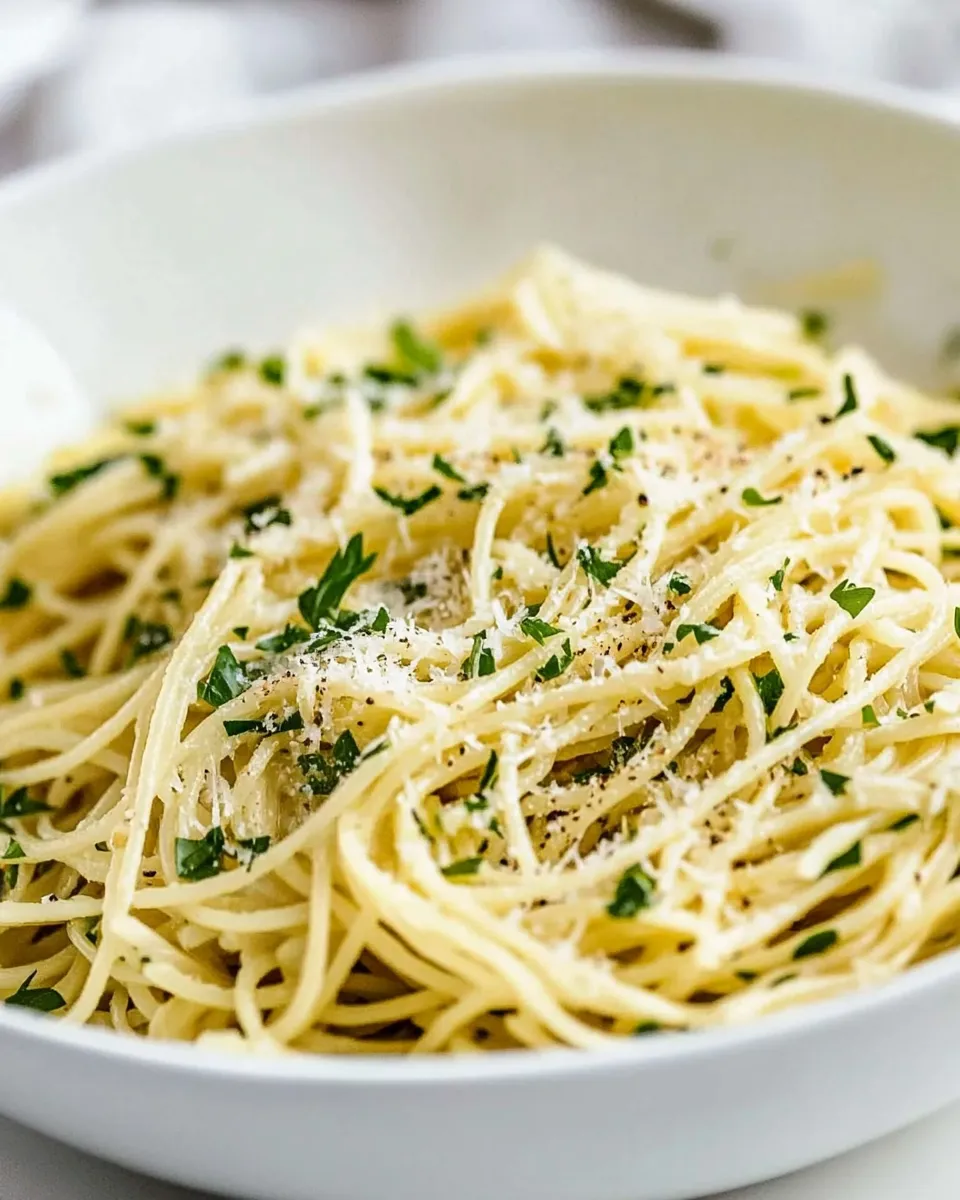
Aglio e Olio
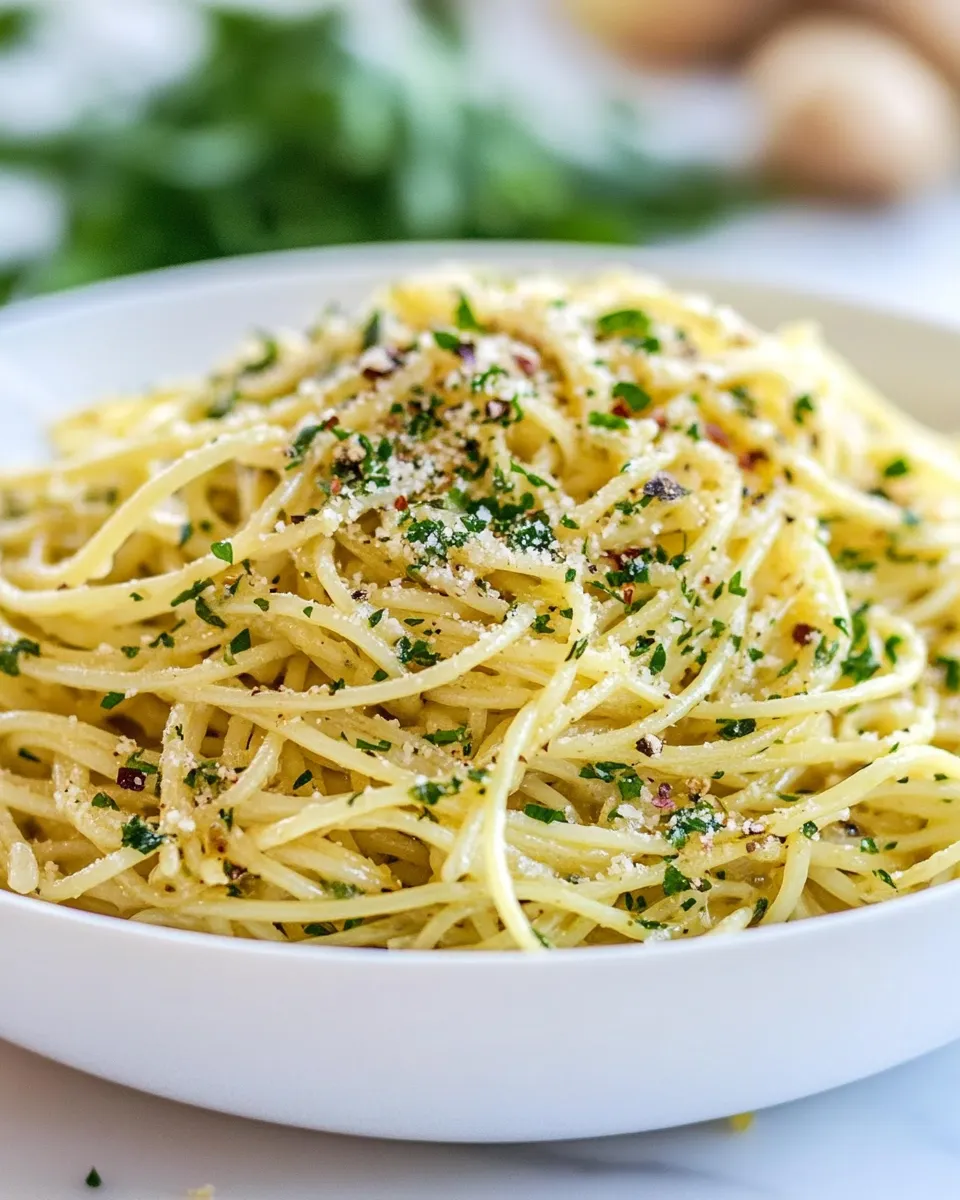
Simple food that tastes like care. Aglio e Olio is the kind of dish I reach for when the fridge is light and I still want something honest and bright on the table. It relies on technique more than a long shopping list — hot pasta water, patience with garlic, and a good drizzle of olive oil make the whole thing sing.
I’ll walk you through every step I use at home, from the exact stove settings that protect the garlic to the trick I use with pasta water so the sauce clings like it should. This is practical cooking: no fuss, no fanciness, just reliably great results that you can repeat any night of the week.
Follow the method below, read the troubleshooting tips if you hit a snag, and don’t skip reserving pasta water. That single habit will change how your leftovers taste, how the sauce behaves, and how quickly you fall back in love with this classic.
What Goes In

- 1 pound linguini (uncooked, or any pasta) — the starch from the pasta helps bind the sauce; linguini gives a nice bite but any long pasta will work.
- ¾ cup olive oil — the base of the sauce; use good, flavorful olive oil because it’s the main player.
- 1 head garlic (peeled and sliced) — thin slices release aroma and infuse the oil; watch them closely so they go golden, not brown.
- 2 teaspoon red pepper flakes — provides heat; adjust to taste or start with less if you’re sensitive to spice.
- ½ teaspoon salt (or to taste) — added to the pasta cooking water first to season the noodles internally.
- ½ teaspoon pepper (or to taste) — finished into the pan to layer in savory bite.
- ½ cup parsley (fresh, chopped) — fresh herb for brightness and color; add at the end to keep it lively.
- ½ cup Parmesan cheese (freshly grated) — melts into the warm pasta for salt and texture; grate fresh for best melting behavior.
- lemon juice (freshly squeezed) — brightens the oil and cheese; add gradually and taste.
Cook Aglio e Olio Like This
- Bring a large pot of water to a boil. Add 1/2 teaspoon salt (or to taste) and 1 pound linguini. Cook the pasta until al dente or slightly underdone. Before draining, reserve some of the pasta cooking water, then drain the pasta.
- While the pasta cooks, heat 3/4 cup olive oil in a large, deep skillet or sauté pan over medium heat until the oil shimmers (do not let it smoke).
- Add the peeled, sliced garlic and 2 teaspoons red pepper flakes to the oil. Stir and cook over medium heat until the garlic turns slightly golden (watch closely so it does not burn).
- Add 1/2 teaspoon pepper (or to taste) to the pan and stir to combine. Lower the heat to medium-low.
- Add the drained linguini and 1/2 cup chopped fresh parsley to the skillet. Toss or use tongs to combine, adding some reserved pasta water as needed to loosen the sauce and coat the pasta evenly.
- Remove the pan from the heat. Add freshly squeezed lemon juice (to taste) and 1/2 cup freshly grated Parmesan cheese, then toss until the cheese melts and the pasta is evenly coated.
- Serve immediately.
Why This Recipe is a Keeper
It’s fast, forgiving, and endlessly satisfying. You can get dinner from pan to plate in under 20 minutes and still deliver a dish that looks and tastes deliberate. The technique — toasting garlic gently in plenty of oil, seasoning the pasta water, and using reserved pasta water to marry sauce to noodle — is portable. Once you master those small moves, they improve every simple pasta you make.
This recipe rewards attention to small details rather than complex ingredients. Good olive oil, fresh garlic, and real Parmesan are the difference between “fine” and “wow.” It’s also a great base recipe to adapt for what you have on hand without losing the soul of the dish.
Ingredient Flex Options
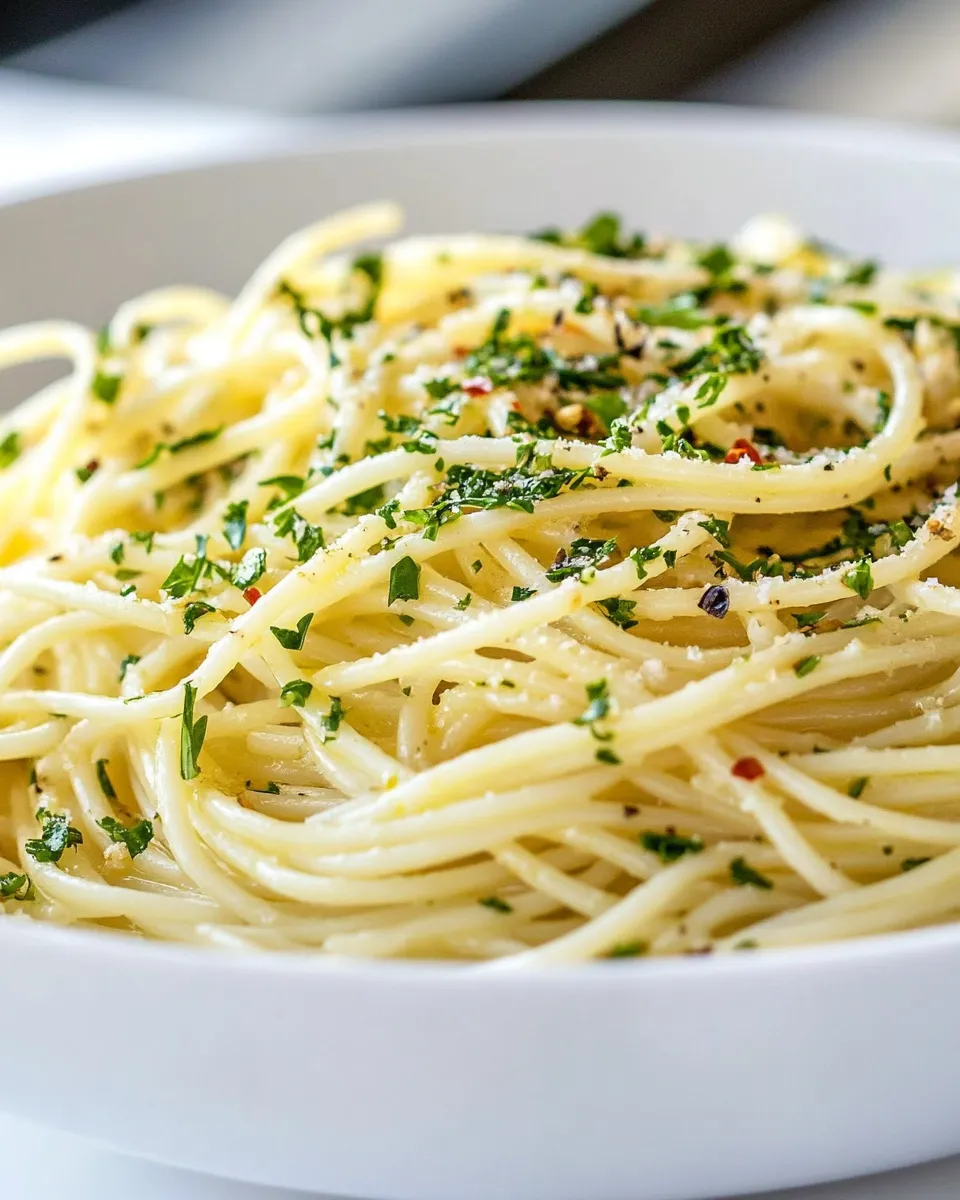
Stick to the given list for the classic result, but the formula is flexible in practical ways that don’t require new shopping. Use any long pasta if you don’t have linguini; the instructions already allow for that. Reduce the 2 teaspoons of red pepper flakes if you want milder heat, or omit them entirely for no spice. If you prefer less cheese, use less Parmesan — the method still works because the starchy pasta water and olive oil form the emulsion.
If you’re short on parsley, leave it out rather than substituting an unfamiliar herb; the dish will still be tasty, just greener when parsley is present. For lemon, add juice sparingly — a few squeezes at a time — until the brightness balances the oil and cheese.
Gear Checklist
- Large pot — for boiling the pasta with room to move so it cooks evenly.
- Large, deep skillet or sauté pan — you need space to toss pasta with oil and aromatics.
- Colander — to drain the pasta, but don’t forget to reserve pasta water first.
- Tongs or pasta fork — for tossing the pasta in the pan so everything coats evenly.
- Measuring spoons and cup — to measure salt, pepper, oil, and pasta.
- Microplane or box grater — for freshly grated Parmesan, which melts best.
- Citrus juicer or reamer (optional) — squeezes lemon juice cleanly and avoids seeds.
Troubles You Can Avoid
Garlic burned? That’s the most common pitfall. Garlic goes from golden to bitter very quickly. Keep the heat at medium for the initial warming, and once the garlic is tipping golden reduce to medium-low immediately. If any slices color too quickly, fish them out; a few overcooked slices will sour the oil.
Too oily or slick? That usually means not enough starchy pasta water was added. Add a tablespoon at a time, toss, and watch the sauce emulsify. The goal is a glossy coating, not a puddle of oil at the bottom of the plate. If the pasta feels dry or clumpy, add warm reserved water — it revives the emulsion.
Flavor flat? Don’t skip the lemon and salt. Salt the pasta water properly and add lemon at the end to lift the whole dish. Taste before serving and correct with a pinch more salt or a squeeze more lemon.
In-Season Swaps
When parsley is bright and cheap, use it generously — it brings peppery freshness. In colder months, when parsley may be limp, rely more on lemon and keep the parsley minimal or leave it out. The structure of the dish doesn’t depend on seasonal produce beyond that single herb, so it behaves consistently year-round.
If your region’s olive oil is particularly fruity or peppery in season, you can slightly reduce quantity to let that flavor not overwhelm; conversely, a mild oil benefits from the full 3/4 cup so the garlic can infuse properly.
Chef’s Notes
1) Quality matters. Use a good extra-virgin olive oil because it’s the central flavor carrier. The oil must shimmer but never smoke; smoking oil tastes off and destroys the delicate garlic aroma.
2) Cut garlic into even slices so they brown uniformly. If you prefer a softer garlic presence, smash the cloves instead and let them sweat slowly; but sliced garlic gives the classic texture and golden flecks.
3) Keep the cheese freshly grated and add off the heat. That prevents clumping and makes the sauce silkier. If you need the dish to be cheeseless, skip the Parmesan but add a little extra lemon to replace the savory depth.
Keep-It-Fresh Plan
Leftovers: cool quickly and store in an airtight container in the refrigerator for up to 2 days. The sauce tightens as it cools; to revive, reheat gently in a skillet over low heat with a splash of water or olive oil and a quick toss. Do not microwave straight from cold — that can dry it out.
Freezing is not recommended. The oil and cheese separate and the texture of the pasta becomes mushy after thawing. For best results, make only what you’ll eat in a meal or plan to refresh leftovers on the stove.
Top Questions & Answers
- Can I use spaghetti instead of linguini? — Yes. The recipe permits any long pasta; cooking time may vary so check for al dente.
- What if I run out of parsley? — Omit it rather than substituting an unfamiliar herb. The lemon and garlic will carry the dish fine.
- How do I make it less oily? — Emulsify with reserved pasta water and toss well. Start with less oil next time if that’s your preference, but don’t skimp too much; the oil is central to the sauce.
- Can this be made vegan? — Yes, leave out the Parmesan. Add a little extra lemon or a sprinkle of toasted breadcrumbs for texture instead.
- How spicy is it? — The recipe calls for 2 teaspoons of red pepper flakes. Adjust down to 1 teaspoon or less if you want subtler heat.
Time to Try It
Set aside about 20–25 minutes on a weeknight and you’ll have a restaurant-quality plate with minimal fuss. Gather your ingredients, warm the oil patiently, watch the garlic, and use that reserved pasta water — those small steps are what transform a quick meal into something memorable.
Make it tonight. Start with exact amounts the first time so you can feel how each element behaves, then tweak to your taste on the next round. If you try a slight change — less heat, a touch more lemon, different pasta — you’ll quickly learn which small adjustments make this your go-to Aglio e Olio.
Aglio e Olio
Ingredients
Ingredients
- 1 poundlinguini uncooked, or any pasta
- 3/4 cupolive oil
- 1 headgarlic peeled and sliced
- 2 teaspoonred pepper flakes
- 1/2 teaspoonsalt or to taste
- 1/2 teaspoonpepper or to taste
- 1/2 cupparsley fresh, chopped
- 1/2 cupParmesan cheese freshly grated
- lemon juice freshly squeezed
Instructions
Instructions
- Bring a large pot of water to a boil. Add 1/2 teaspoon salt (or to taste) and 1 pound linguini. Cook the pasta until al dente or slightly underdone. Before draining, reserve some of the pasta cooking water, then drain the pasta.
- While the pasta cooks, heat 3/4 cup olive oil in a large, deep skillet or sauté pan over medium heat until the oil shimmers (do not let it smoke).
- Add the peeled, sliced garlic and 2 teaspoons red pepper flakes to the oil. Stir and cook over medium heat until the garlic turns slightly golden (watch closely so it does not burn).
- Add 1/2 teaspoon pepper (or to taste) to the pan and stir to combine. Lower the heat to medium-low.
- Add the drained linguini and 1/2 cup chopped fresh parsley to the skillet. Toss or use tongs to combine, adding some reserved pasta water as needed to loosen the sauce and coat the pasta evenly.
- Remove the pan from the heat. Add freshly squeezed lemon juice (to taste) and 1/2 cup freshly grated Parmesan cheese, then toss until the cheese melts and the pasta is evenly coated.
- Serve immediately.
Equipment
- Le Creuset 3.75-Quart Braiser
Notes
Olive Oil: Opt for good quality extra virgin olive oil for the best flavor, as it’s the base of your sauce.
Garlic Slicing: Thinly slice the garlic for even cooking. Avoid mincing as it can burn easily and turn bitter.
Chili Flakes: Adjust the amount of red pepper flakes according to your heat preference. Start with less, as you can always add more at the end.
Pasta Water: Don’t forget to reserve some pasta water before draining. It’s great for adjusting the sauce’s consistency.
Seasoning: Taste as you go and adjust the seasoning with salt and pepper. Remember, the pasta water adds saltiness too.