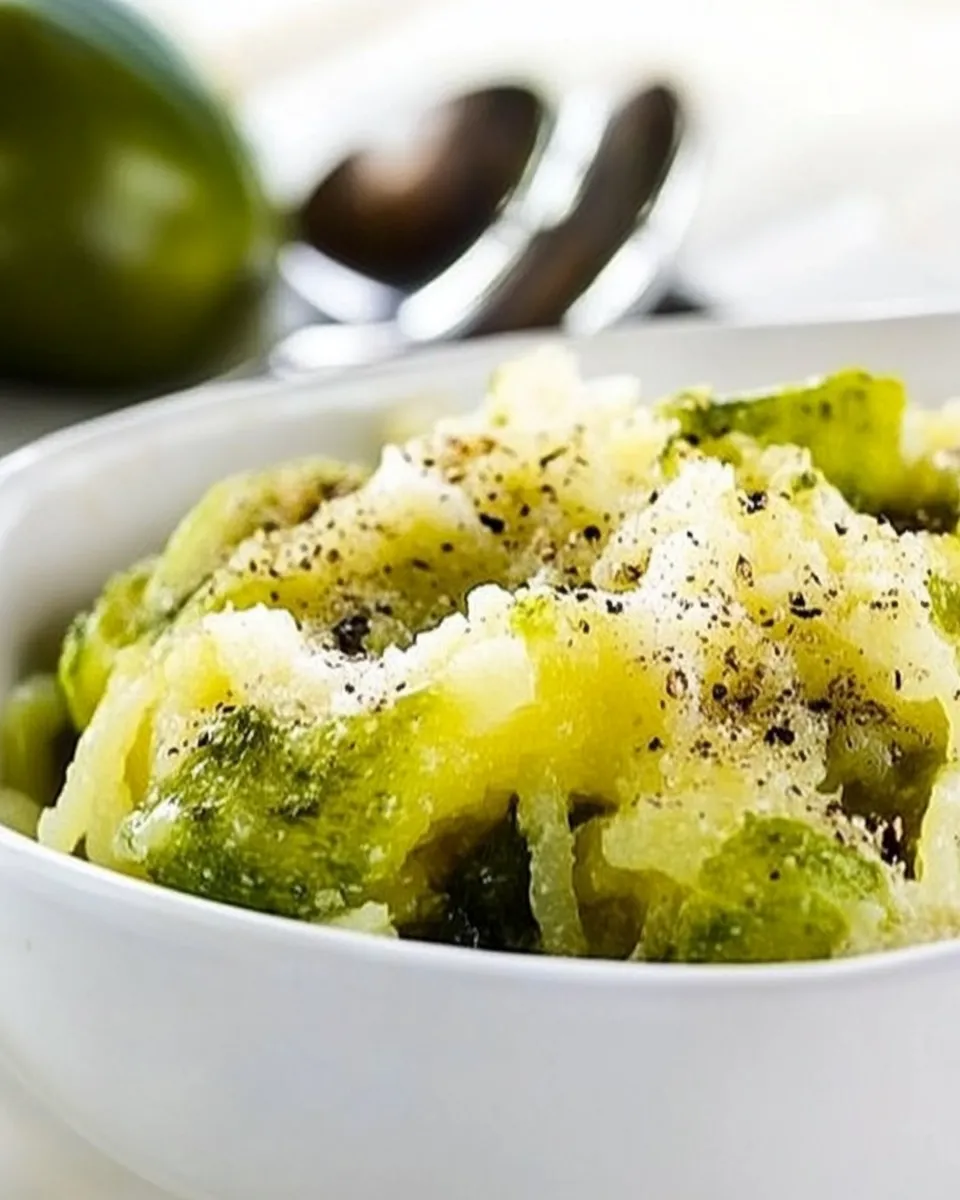
Green Spaghetti Squash (Cooked as a Summer Squash)
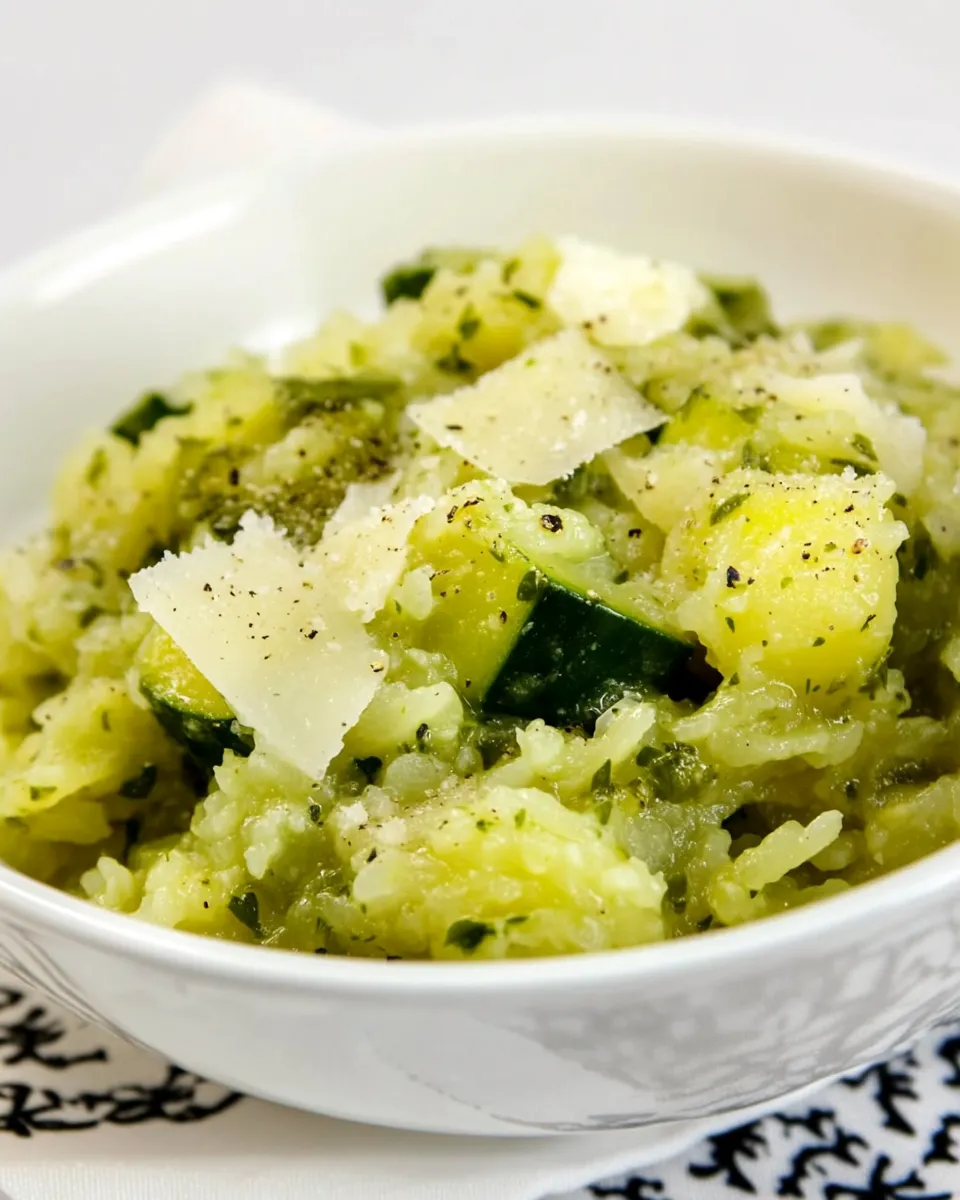
When summer gives us squash still soft-skinned and sweet, I reach for a method that honors that fresh energy: treat spaghetti squash like a summer squash. Quick, bright, and gently buttery, this preparation brings out tender strands you can toss with herbs, lemon, or a light tomato sauce. I’m sharing a simple, fresh recipe that keeps the squash at center stage — the way a summer vegetable should be handled: minimal fuss, maximum flavor.
This version uses two young spaghetti squash whose skins are soft enough to pierce with your fingernail, a modest amount of butter for finishing, and a touch of salt and freshly cracked pepper. The result is delicate strands you can serve as a side or use as the base for a light main. It’s a technique that feels elegant but is truly easy enough for a warm weeknight.
Why cook spaghetti squash this way?

Spaghetti squash is often roasted until the skin is hard and the interior deeply caramelized. That’s a lovely approach when you want a roasted, slightly nutty flavor. But when the squash is young — when the rind yields to a fingernail and the flesh is tender — a gentler, shorter cook time keeps the strands lively and a little more tender, similar to how you’d treat zucchini or yellow summer squash. The flavor becomes more delicate and vegetal, and the texture remains light and pleasingly springy.
Keeping the cooking simple also lets you pair the finished squash with bright flavors: citrus, fresh herbs, chopped tomatoes, or a drizzle of good olive oil. The butter at the end gives a silky mouthfeel and a soft sheen, letting the squash sing without overpowering it.
Ingredients
- 2 young spaghetti squash (be sure the skin is soft enough to pierce with your fingernail)
- 4 T butter to flavor the cooked squash (see notes)
- salt for the water and for seasoning the cooked squash (to taste)
- fresh-ground black pepper (to taste)
Notes on ingredients
Choose spaghetti squash that feels lighter for its size with a rind that yields slightly to a fingernail. These younger squashes cook faster and retain a more delicate texture. The 4 tablespoons of butter are added after cooking to keep the final dish glossy and rich; if you prefer a dairy-free alternative, use an equal amount of a plant-based buttery spread.
Equipment
- Chef’s knife
- Large pot or wide saucepan with a lid
- Slotted spoon or tongs
- Bowl for tossing
- Fork for separating strands
- Measuring spoons
Step-by-step instructions
Below are the rewritten, clear, step-by-step directions based on the original method, preserving the ingredient amounts and ordering. Follow these steps to cook the squash like a summer squash and finish with butter, salt, and freshly cracked pepper.
- Prepare the squash: Rinse both young spaghetti squash under cool running water to remove any dirt. Pat them dry with a kitchen towel. Confirm the squash are young by pressing a fingernail gently into the skin — it should give slightly. Trim any stem ends if needed, and slice each squash in half lengthwise. Use care when cutting as young squash can be a bit slippery; stabilize the squash on a cutting board and cut slowly and steadily.
- Seed the halves: Use a spoon to scoop out the seeds and any fibrous pulp from each half. Discard the seeds or save them to roast separately if you like. Leave the flesh intact and set the halves aside for the next step.
- Salt the cooking water: Select a large pot or a wide saucepan that will comfortably hold both squash halves. Fill the pot with enough water so the squash halves will sit in the pot without being crushed — you want the water to come partway up the sides of the squash, not necessarily to cover them completely. Add a generous pinch of salt to the water, similar to salting pasta water; this seasons the flesh as it cooks.
- Heat the water to a gentle boil: Place the pot over medium-high heat and bring the salted water to a simmer. You want small bubbles breaking at a steady rate, not a violent boil. The gentle heat helps the squash soften evenly and prevents the flesh from becoming stringy or breaking apart too much.
- Cook the squash in the pot: Carefully lower the squash halves, cut side down, into the gently simmering water. If necessary, use tongs or a slotted spoon to help nestle them in. Cover the pot with a lid. Simmer for about 10 to 12 minutes, checking for tenderness after 10 minutes. Cooking time can vary with the squash size and exact maturity, so test by piercing the skin or sampling the flesh near the center.
- Test for doneness: Remove the lid and use tongs to lift a squash half out of the water. Carefully pierce the flesh with a fork near the center: the fork should enter easily and the flesh should separate into strands with little resistance. If the flesh still feels firm or the strands don’t separate easily, cover and cook another 1 to 3 minutes, checking again. Do not overcook — the goal is tender strands, not mush.
- Drain and transfer: Once cooked, use a slotted spoon or tongs to lift the squash halves from the pot and set them seam side up on a cutting board or in a colander to drain briefly. Let them cool just enough to handle safely — you want them cool enough to work with but still warm so they’ll absorb the butter.
- Create the strands: Using a fork, scrape the flesh of each squash half lengthwise to release the spaghetti-like strands into a serving bowl. Work around the half until you’ve freed all strands and discarded any remaining inedible bits from the center. Repeat with the other half.
- Season and finish with butter: Add the 4 tablespoons of butter to the warm strands. Break the butter into pieces so it melts quickly into the hot squash. Sprinkle a pinch of salt over the bowl, then toss gently with two forks to distribute the butter and salt evenly. Taste and add more salt if needed. Finish with several turns of fresh-ground black pepper to taste.
- Serve immediately: Transfer the dressed strands to plates or a serving platter and serve right away while warm. The texture is best freshly cooked, with glossy, tender strands and a subtle butter flavor. If you plan to hold the squash for a short time, keep it covered and warm to preserve moisture, but avoid long holding times to prevent the strands from becoming soft.
Serving suggestions and variations
This Green Spaghetti Squash (Cooked as a Summer Squash) shines with minimal additions, but it also plays well with a number of simple finishes. Here are a few ideas to elevate the dish without drowning the squash’s gentle flavor:
- Lemon and herbs: Sprinkle chopped parsley, basil, or chives and a squeeze of lemon juice for brightness. The butter, herbs, and lemon combine beautifully.
- Light tomato toss: Stir in halved cherry tomatoes and a splash of extra-virgin olive oil for a fresh, summery salad-like plate.
- Garlic and chili flakes: Sauté one minced garlic clove briefly in the butter before tossing, or add a pinch of red pepper flakes for a touch of heat.
- Quick pesto: Fold in a few spoonfuls of pesto to coat the strands for a fragrant, green-forward variation.
- Toasted seeds or nuts: Scatter toasted pumpkin seeds or lightly toasted pine nuts for crunch.
How to store and reheat
If you have leftovers, cool them quickly and store in an airtight container in the refrigerator for up to 3 days. Reheat gently in a skillet over low heat with a splash of water or a small pat of butter to revive the strands. Avoid microwaving on high, which can make the squash mushy; short, gentle warming keeps the texture intact.
Tips and troubleshooting
- Skin softness check: The key to this method is young squash. If you can’t pierce the skin with your fingernail, the squash is more mature and will need longer cooking or a roasting method to soften properly.
- Even cooking: Slice the squash in half lengthwise so both halves cook at an even rate. Cook cut side down to let the hot water soften the flesh from the interior out.
- Don’t crowd the pot: Give the squash enough space so the water can circulate and the heat remains even. If your pot is too small, cook in batches.
- Sauce compatibility: This tender, summer-style squash pairs best with light sauces and fresh ingredients. Heavier cream sauces tend to overwhelm the delicate strands.
Why this recipe works
The method keeps flavors clean and pure: saline water seasons the squash as it cooks, then butter adds richness without masking the vegetable’s natural sweetness. The short cooking time preserves texture, and finishing with fresh-ground black pepper offers a simple, aromatic lift. It’s a technique that respects the seasonality of young squash and celebrates the ingredient itself.
Final thoughts
This Green Spaghetti Squash (Cooked as a Summer Squash) is a gentle way to showcase young produce. It takes just a bit of attention and a few pantry staples to turn summer squash into a bright, elegant side or a light main base. Whether you serve it with herbs, tomatoes, a squeeze of citrus, or a spoonful of pesto, the finished dish tastes like summer: fresh, simple, and satisfying.
Enjoy the light texture and clean flavors, and don’t be afraid to experiment with the small finishing touches that make this preparation your own.

Green Spaghetti Squash (Cooked as a Summer Squash)
Ingredients
- 2 young spaghetti squash choose small/young squash with skin that can be pierced with a fingernail
- 4 tablespoons butter to flavor the cooked squash
- salt for the cooking water and to season the finished squash, to taste
- fresh-ground black pepper to taste
Instructions
- Wash the outside of the squash thoroughly since the skin will be eaten.
- Trim off the stem and blossom ends, then cut each squash into pieces about 2 inches square.
- Bring a large pot of water to a boil, add a pinch of salt, then add the squash pieces and reduce heat to medium-low to maintain a gentle simmer.
- Simmer until the squash is tender and easily pierced with a fork, about 10–15 minutes; avoid overcooking or it will become mushy.
- Drain the cooked squash in a colander and let it drain well for at least 5 minutes to remove excess moisture.
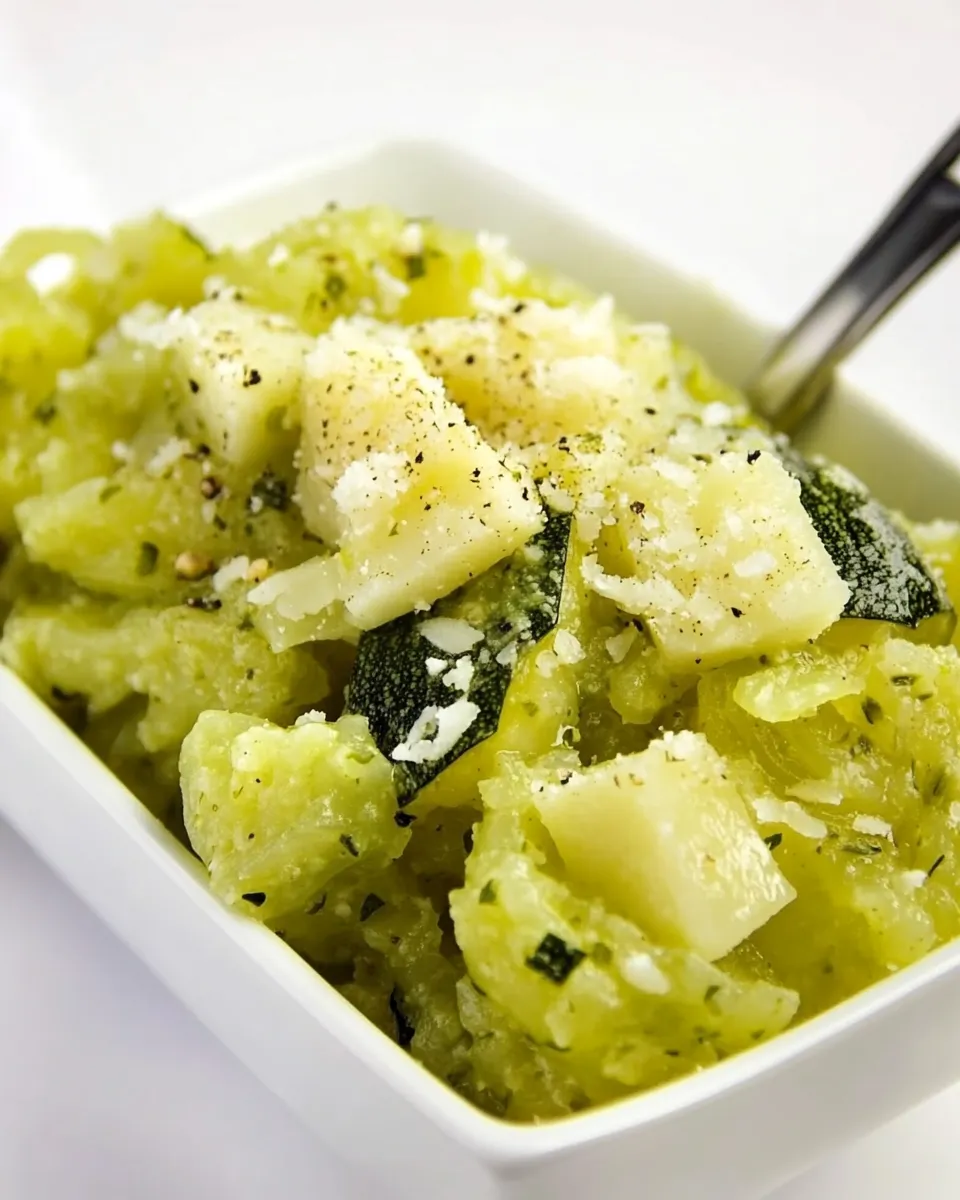
- Coarsely mash the drained squash, including the skin, with a potato masher and let it drain another 2–3 minutes.
- Transfer the squash to a serving bowl, stir in the butter to melt, and season with salt and freshly ground black pepper to taste; serve hot.
Equipment
- Large Pot
- Colander
- Cutting Board
- Knife
- Potato Masher
- Serving Bowl
Notes
- Choose squash with skin soft enough to pierce with a fingernail.
- Do not overcook or the squash will become mushy.
- Drain well to remove excess moisture before mashing.
- Use butter to taste for flavor.