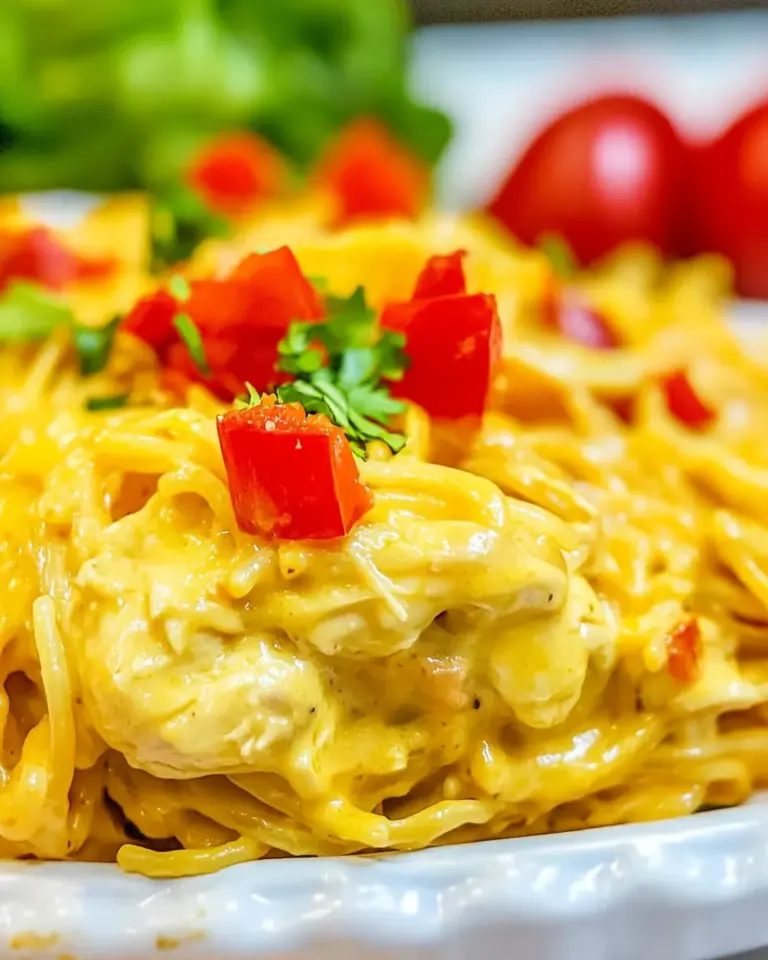
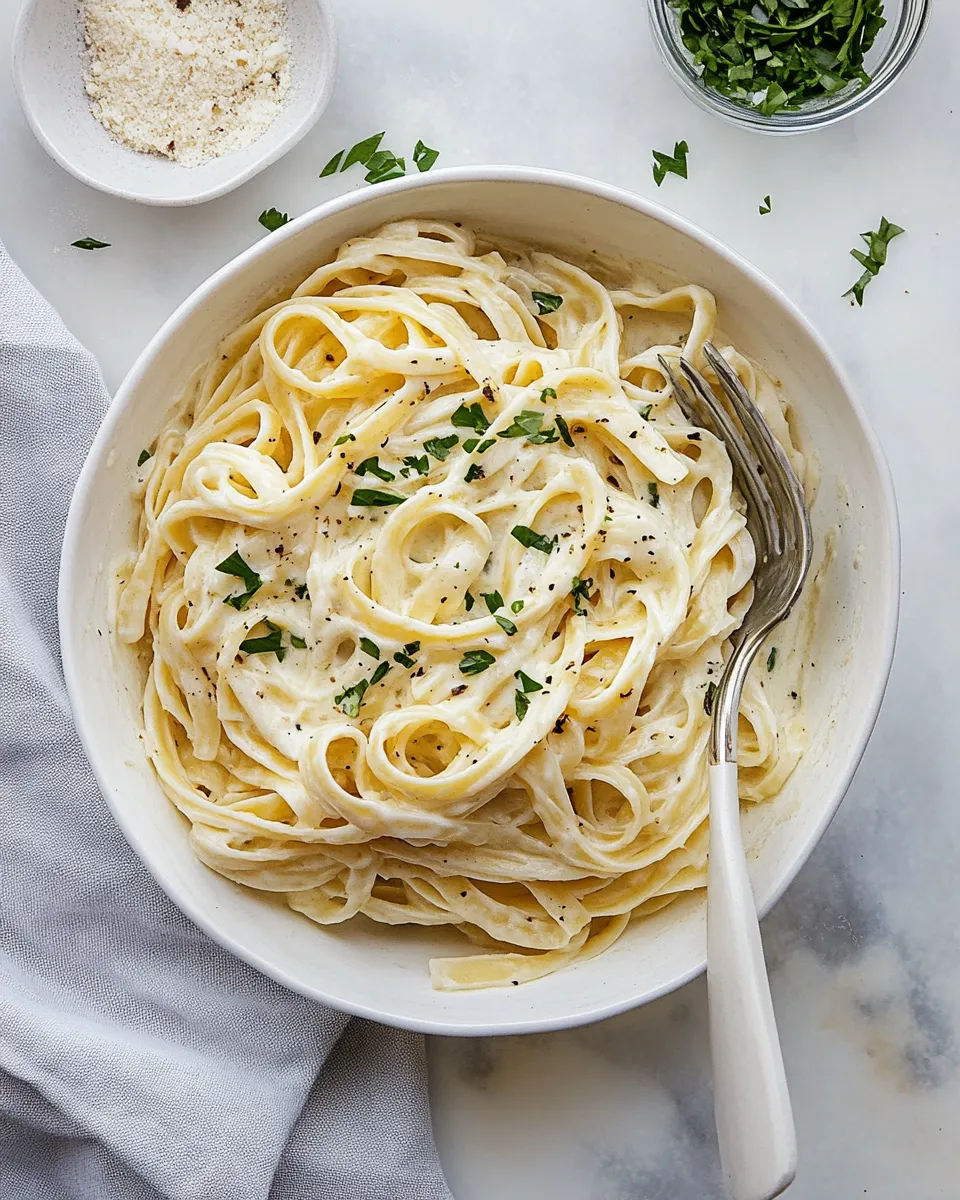
Fettuccine Alfredo
There’s something undeniably comforting about a bowl of creamy pasta that hugs each strand with a rich, velvety sauce. This Fettuccine Alfredo recipe takes simple, high-quality ingredients and elevates them with small, intentional techniques so the final plate feels both indulgent and effortless. The pasta is cooked al dente and timed so it’s ready exactly when the sauce comes together, and a reserved splash of pasta water helps bind everything into a silky emulsion. Gather the ingredients below and follow the step-by-step directions for a foolproof, elegant meal.
Ingredients

- 9 ounces fresh fettuccine, cooked al dente in lightly salted water with a little olive oil and timed to be ready just as the sauce is done. Reserve 1/4 cup of the pasta water.
- 5 tablespoons quality unsalted butter
- 2 cloves garlic, minced
- 1 1/4 cups heavy cream
- 2 large egg yolks
- 1 cup freshly grated quality Parmigiano-Reggiano
- 1 teaspoon finely grated lemon zest
- Small pinch of freshly grated nutmeg
- 1/4 teaspoon salt
Why this version works
Fettuccine Alfredo is most successful when each component plays a clear role: fresh pasta for texture, butter and cream for richness, egg yolks and cheese to create a glossy coating, and a touch of acidity and spice to lift the dish. The reserved pasta water is the unsung hero — its starch helps the sauce cling to the fettuccine without becoming heavy or greasy. Timing is crucial, so cook the noodles to al dente and have everything prepped before you start the sauce. This approach ensures a sauce that’s smooth, cohesive, and intensely flavorful without becoming gluey.
Equipment
- Large pot for boiling pasta
- Large skillet or sauté pan
- Heatproof bowl for whisking egg yolks
- Whisk and tongs or pasta fork
- Measuring spoons and cups
- Microplane or fine grater for zest and nutmeg
Prep tips before you begin
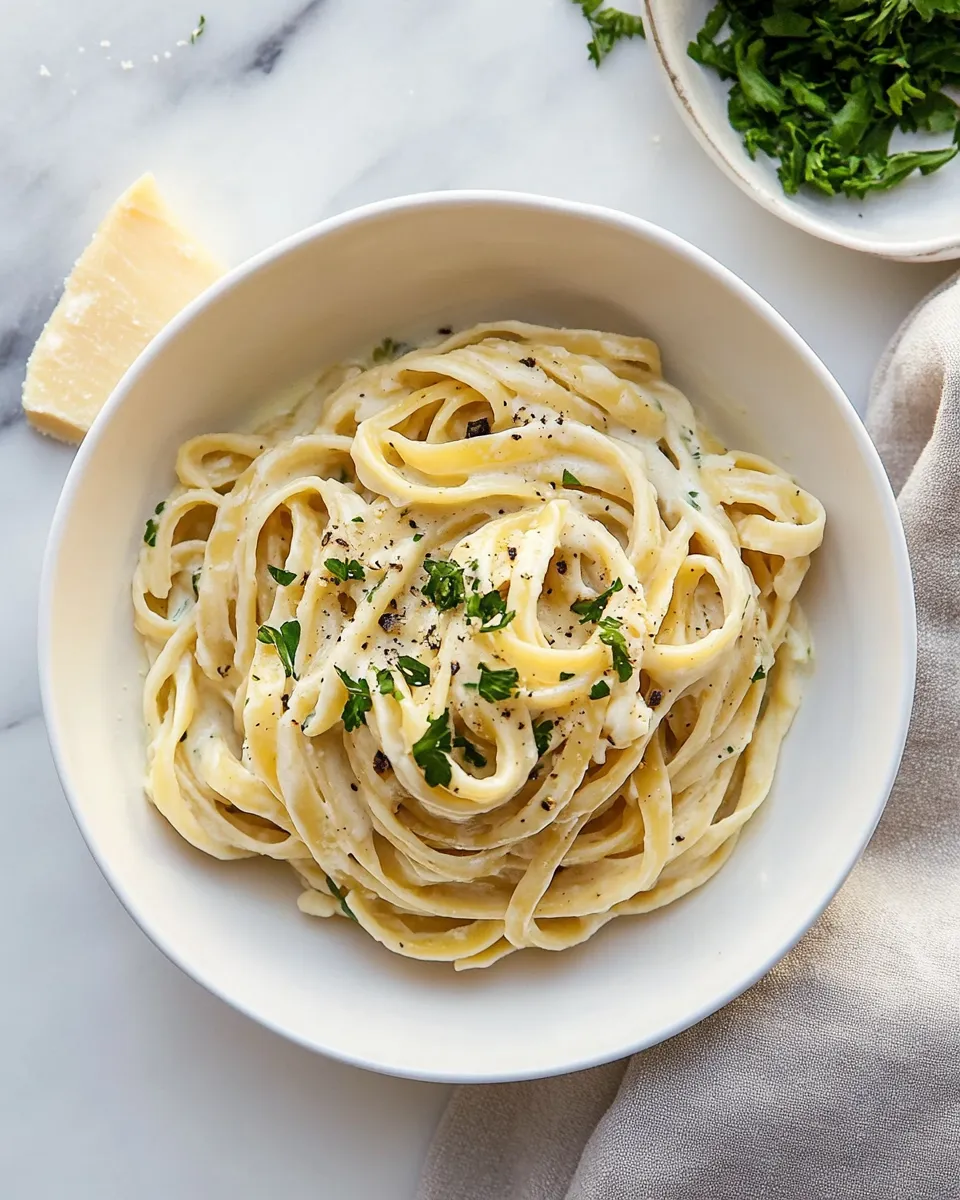
- Bring a large pot of water to a rolling boil and salt it generously so the pasta has flavor from the inside out. Add a little olive oil to the water to help prevent sticking if desired.
- Grate the Parmigiano-Reggiano fresh; pre-grated cheese won’t melt as smoothly and can contain anti-caking agents that affect texture.
- Separate the two large egg yolks into a small, heatproof bowl and whisk them lightly so they’re ready to incorporate into the cream without scrambling.
- Measure and have the reserved 1/4 cup of pasta water ready once the fettuccine is cooked.
Step-by-step Directions
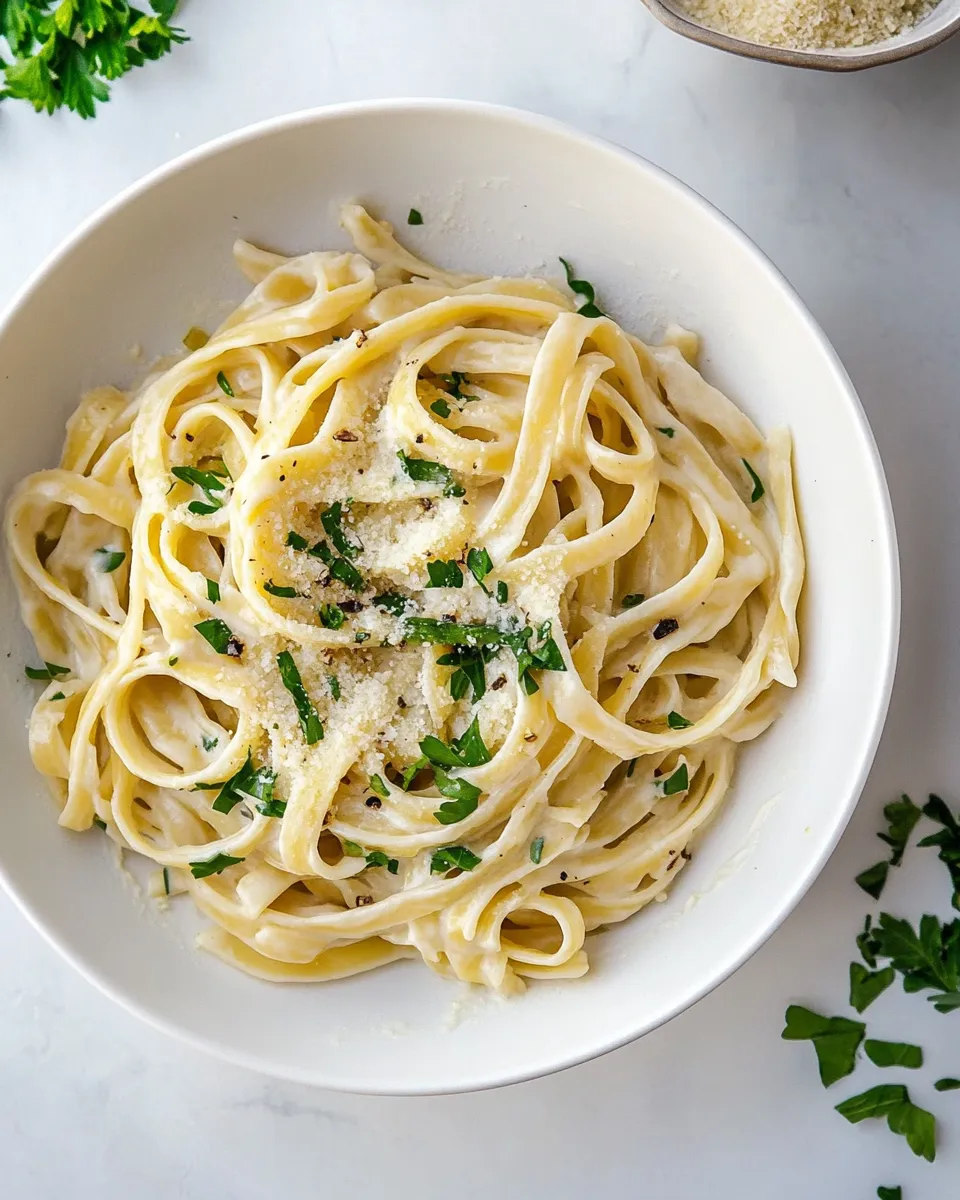
- Start the water for the fettuccine: Fill a large pot with water, bring it to a boil, and add a generous pinch of salt. Add a small drizzle of olive oil if you like to reduce sticking. Add the 9 ounces of fresh fettuccine and cook until al dente, following package or fresh-pasta timing. Time the pasta so it finishes cooking as the sauce comes together. Before draining, scoop out and reserve exactly 1/4 cup of the starchy pasta water, then drain the fettuccine and set it aside briefly.
- Melt the butter: While the pasta is cooking, place a large skillet over medium-low heat and add the 5 tablespoons of quality unsalted butter. Allow the butter to melt gently without browning; you want it warm and fully liquid to form the base of the sauce.
- Sauté the garlic: Add the 2 cloves of minced garlic to the melted butter. Sauté briefly over medium-low heat just until fragrant, about 30–60 seconds. Keep the heat moderate so the garlic softens but does not brown, which would create bitterness.
- Add the cream and warm: Pour the 1 1/4 cups of heavy cream into the skillet with the butter and garlic. Increase the heat slightly and bring the cream to a very gentle simmer, stirring frequently so it heats evenly. Do not let the cream boil vigorously; a steady simmer is enough to warm it through and concentrate the flavors.
- Temper and combine the egg yolks: In a small heatproof bowl, whisk the 2 large egg yolks until smooth. To avoid scrambling the yolks, slowly ladle or whisk a small amount of the hot cream mixture into the yolks to temper them. Add a few tablespoons at a time while whisking steadily until the yolks are warmed and blended. Then pour the tempered yolk mixture back into the skillet with the remaining cream, whisking constantly to incorporate and thicken slightly. Keep the heat low to prevent the egg yolks from curdling.
- Incorporate the cheese and seasonings: Remove the skillet from direct heat or keep it on the lowest setting. Immediately add the 1 cup of freshly grated quality Parmigiano-Reggiano to the warm cream and yolk mixture. Stir or whisk until the cheese melts into a smooth sauce. Add the 1 teaspoon of finely grated lemon zest, the small pinch of freshly grated nutmeg, and the 1/4 teaspoon of salt. Taste and adjust seasoning carefully; the cheese already adds savory saltiness, so less often is more.
- Create the emulsion with reserved pasta water: If the sauce feels too thick or not glossy enough, add the reserved 1/4 cup of pasta water a tablespoon at a time while whisking or stirring vigorously. The starchy water helps form a creamy emulsion that adheres to the fettuccine without becoming heavy. Stop adding water once the sauce reaches a silky, coating consistency.
- Combine pasta and sauce: Add the drained, al dente fettuccine directly to the skillet with the sauce. Toss or use tongs to lift and turn the pasta so each strand is coated evenly. If the pan is cool, warm it gently while tossing to help the sauce cling. Work quickly: fresh pasta absorbs sauce, and you want the noodles shiny and saucy rather than dry.
- Finish and serve immediately: Taste a strand and, if needed, add a pinch more salt or a final drop of pasta water to adjust texture. Plate the Fettuccine Alfredo in warm bowls so the sauce retains its silky texture. Serve immediately while hot, garnishing with an extra sprinkle of freshly grated Parmigiano-Reggiano or a delicate twist of lemon zest if you like a whisper of brightness.
Serving suggestions
This Fettuccine Alfredo shines as a simple main or an elegant first course. Serve with a crisp green salad dressed simply with olive oil and lemon to cut the richness, or pair it with steamed vegetables like broccoli or asparagus for color and contrast. If you prefer protein, a mild, well-seasoned white meat or plant-based alternative can work—keep any additional elements subtle so the sauce remains the star.
Storage and reheating
Because this sauce is egg- and dairy-based, store leftovers in an airtight container in the refrigerator and use within 1–2 days for best texture. Reheat gently over low heat, adding a splash of milk or reserved pasta water to loosen the sauce and restore creaminess. Avoid high heat, which can break the emulsion and make the sauce grainy.
Notes and troubleshooting
- If the sauce separates or appears curdled, whisk in a tablespoon or two of warm pasta water off the heat; the starches can help bring the sauce back together. Keep heat low and combine briskly while gently warming.
- If the sauce is too thick, add a teaspoonfuls of the reserved pasta water until you reach a silky consistency. If too thin, let it simmer gently a little longer while stirring until it reduces slightly, then toss with the pasta.
- Freshly grated Parmigiano-Reggiano is essential for smooth melting and authentic flavor. Pre-grated blends often contain additives that prevent melting evenly.
- Keep the garlic light and fragrant rather than browned; browned garlic will change the flavor profile away from the classic, clean Alfredo notes.
Flavor profile
This Fettuccine Alfredo features a lush, creamy base with bright lemon zest lifting the flavors and a hint of nutmeg adding warmth without overtaking the dish. The Parmigiano-Reggiano provides savory depth and a slightly granular nuttiness that melts into the yolks and cream for a velvety mouthfeel. The fresh fettuccine offers a tender bite, and the reserved pasta water ties everything together for a cohesive, glossy finish.
Final thoughts
Fettuccine Alfredo is a celebration of technique and ingredient quality rather than complexity. With a handful of pantry staples and a few simple moves — tempering yolks, using fresh cheese, and harnessing starchy pasta water — you get a restaurant-worthy pasta that comforts and delights. Make it for a special weeknight dinner or when you want something soothing and elegant with minimal fuss. Enjoy every silky forkful.

Fettuccine Alfredo
Ingredients
- 9 ounces fresh fettuccine cooked al dente in lightly salted water with a little olive oil; reserve 1/4 cup of the pasta water
- 5 tablespoons unsalted butter quality
- 2 cloves garlic minced
- 1 1/4 cups heavy cream
- 2 large egg yolks
- 1 cup Parmigiano-Reggiano freshly grated, quality
- 1 teaspoon lemon zest finely grated
- small pinch nutmeg freshly grated
- 1/4 teaspoon salt
Instructions
- Bring a pot of lightly salted water to a boil and cook the fresh fettuccine until al dente; reserve 1/4 cup of the pasta water and drain the pasta when ready.
- Melt the butter in a medium saucepan over medium-high heat, then add the minced garlic and cook for 2–3 minutes until fragrant but not browned.
- Add the heavy cream to the pan and bring to a gentle simmer.
- Whisk the egg yolks in a small bowl, then slowly whisk in 1/4 cup of the hot cream to temper the yolks.
- Pour the tempered egg mixture back into the saucepan, whisking constantly; simmer until the sauce is lightly thickened, about 2 minutes.
- Whisk the grated Parmigiano-Reggiano into the sauce until melted and smooth, then stir in the lemon zest, grated nutmeg, salt, and 2 tablespoons of the reserved pasta water.
- Add the hot drained pasta to the sauce and toss with pasta tongs until thoroughly coated, adding more reserved pasta water a little at a time if needed to reach a silky consistency.
- Serve immediately for best texture.
Equipment
- Medium Saucepan
- pot (for pasta)
- Whisk
- pasta tongs
- Measuring Cups and Spoons
Notes
- Reserve pasta water to adjust sauce consistency.
- Temper the yolks to prevent scrambling.
- Use freshly grated Parmigiano-Reggiano for best flavor.
- Do not overcook the garlic to avoid bitterness.