Garlic Herb Dinner Rolls
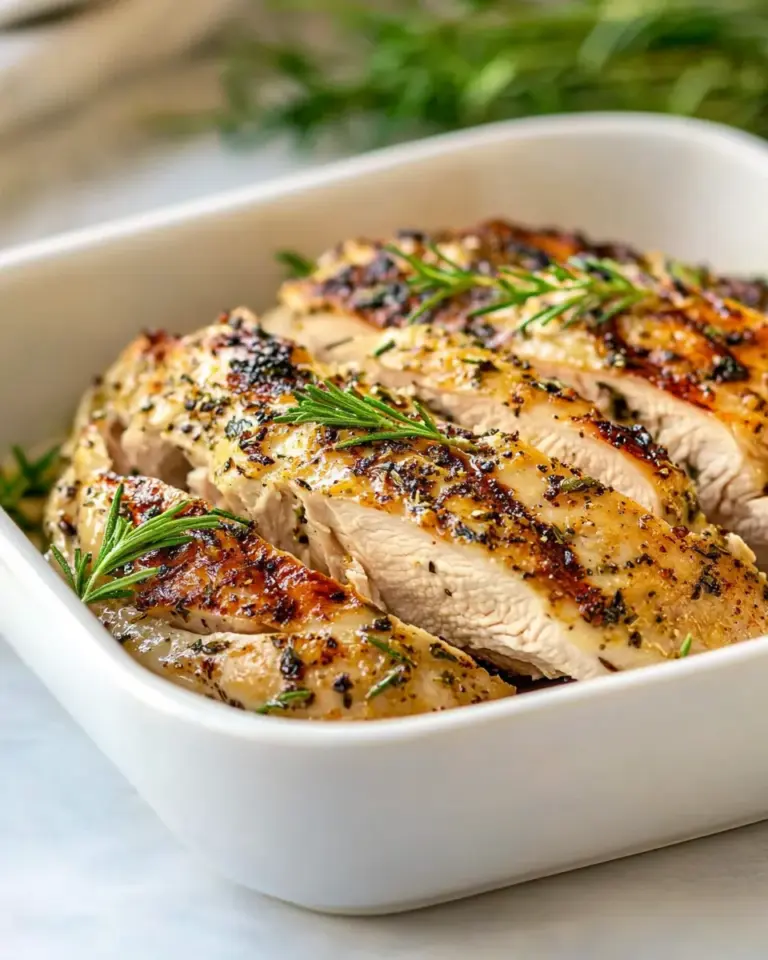
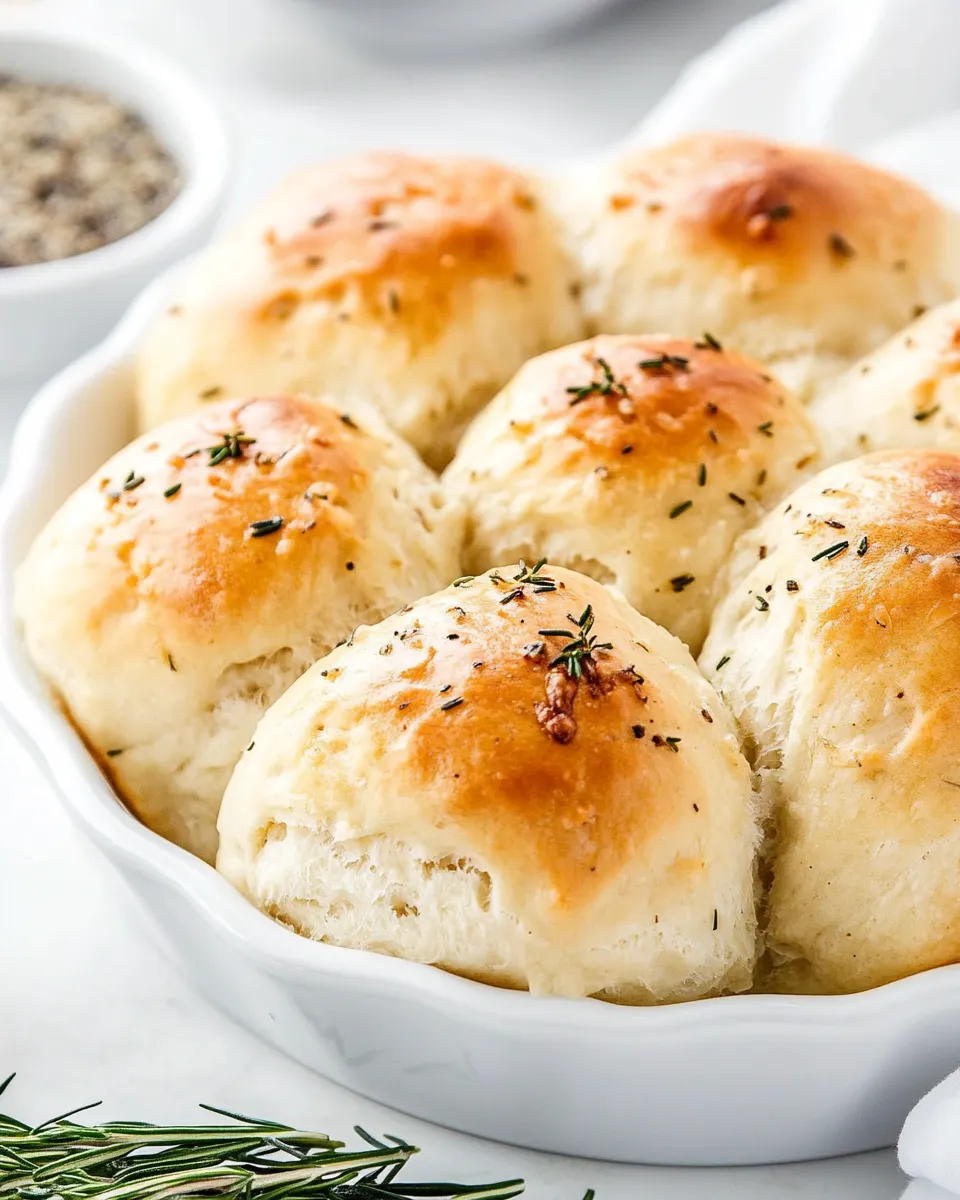
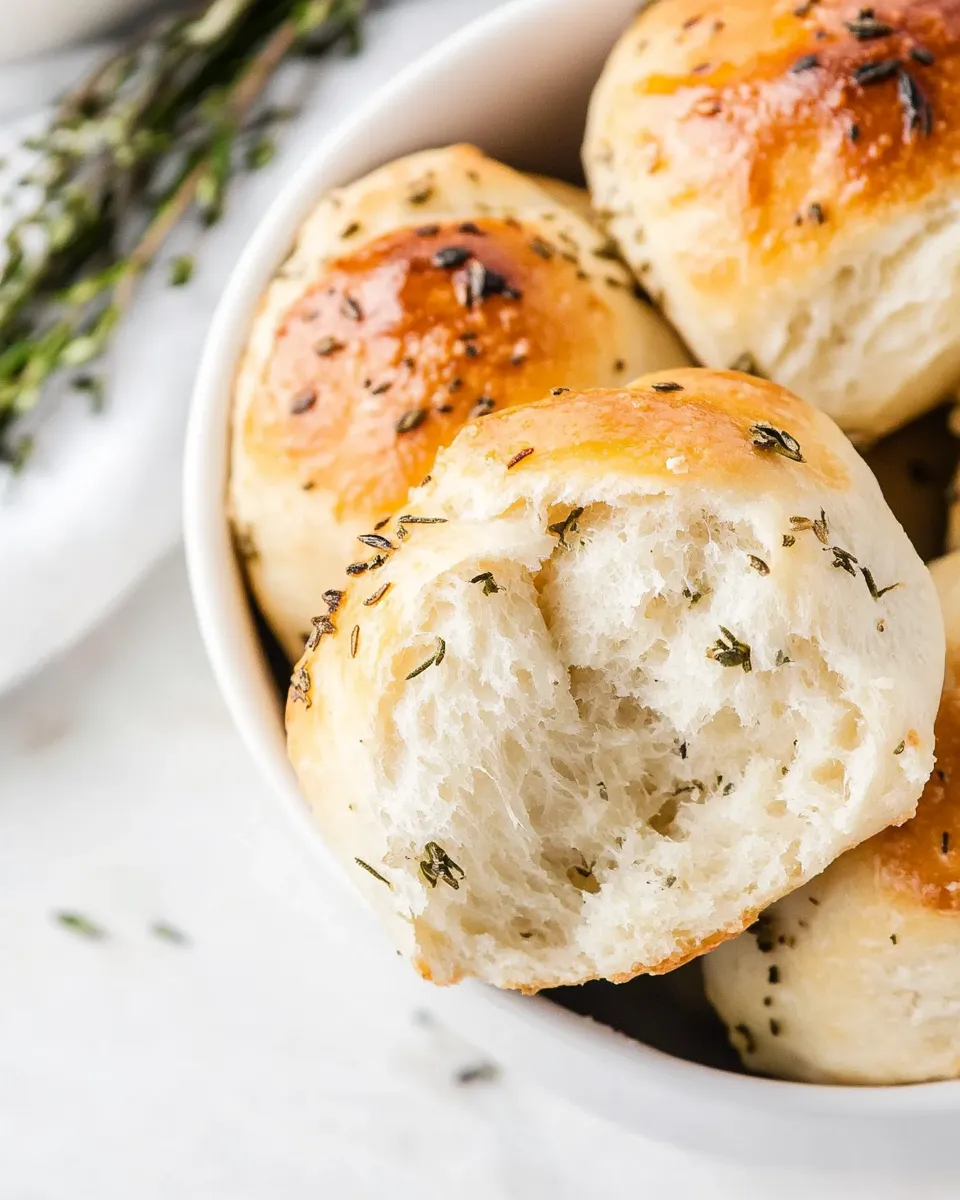
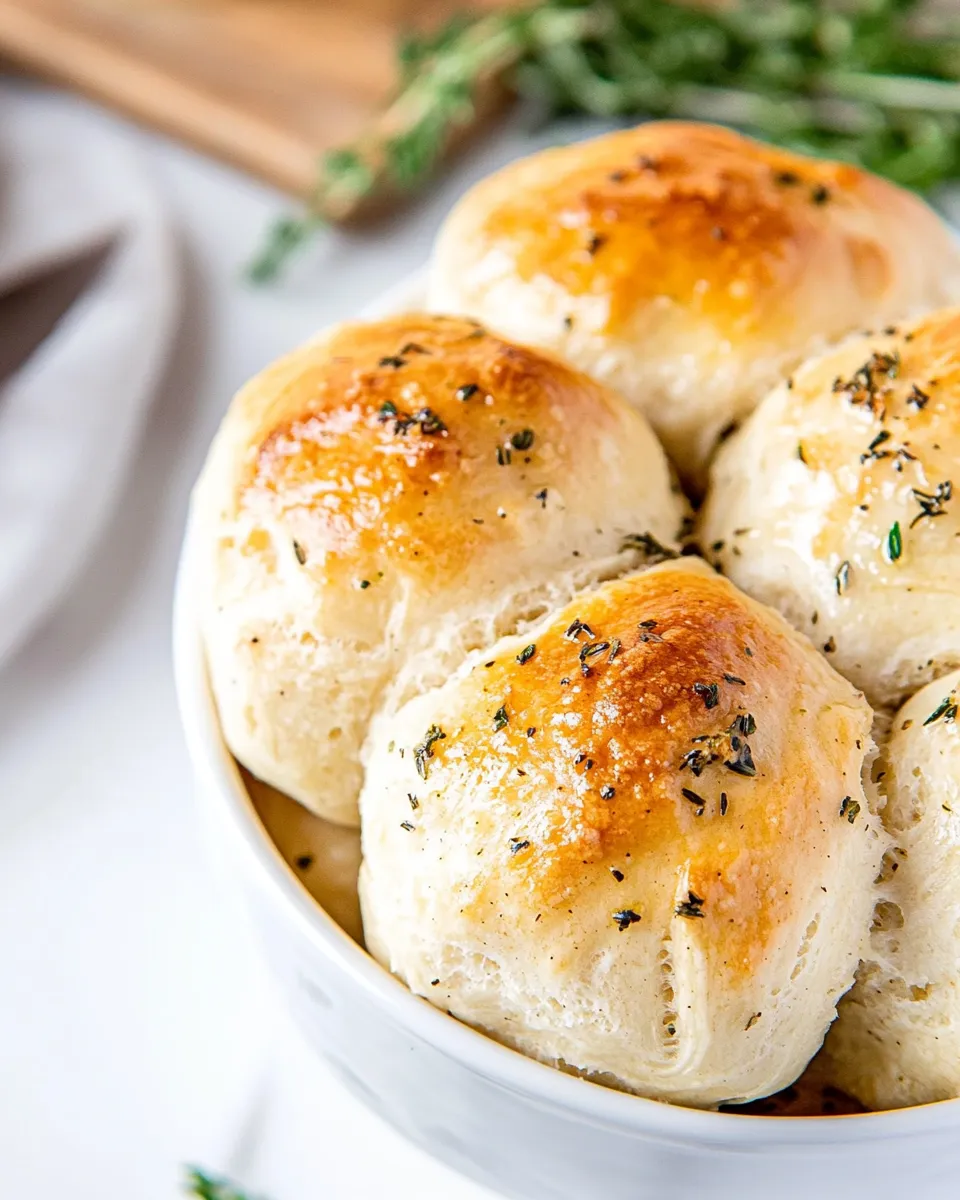
These Garlic Herb Dinner Rolls come out soft, fragrant, and perfectly golden every time. They’re the kind of bread you pull apart with your hands at the table—warm, buttery, and flecked with rosemary and garlic. No fuss, just a reliable dough and a simple herbed butter finish that makes them sing.
I test methods until they’re straightforward and repeatable, and this recipe is exactly that: predictable rise times, clear temperatures, and a finish that’s all flavor. Expect a tender crumb and a crust that browns evenly at 350°F in a 9×13 pan.
Below you’ll find ingredient notes, the step-by-step method that I follow without fail, and practical tips for swapping ingredients, troubleshooting, storing, and reheating. If you want dinner rolls that actually improve a meal without drama, these are the ones to keep in your repertoire.
Ingredient Notes

Ingredients
- 3/4 cup whole milk, warmed to 110-115 degrees F — warms the dough and helps activate the yeast while keeping the crumb tender.
- 1/2 cup water, warmed to 100-115 degrees F — balances hydration; slightly cooler than the milk keeps yeast happy.
- 1/4 cup unsalted butter, melted and cooled — adds richness and softens the crumb; cool so it doesn’t kill the yeast.
- 2 tablespoons honey — feeds the yeast and gives a subtle sweetness that enhances browning.
- 1 packet active dry yeast, .25 ounces or 2-1/4 teaspoons — the leavening foundation. Check the date for best results.
- 2 large eggs, room temperature and whisked — provide structure and color; bring to room temperature for even mixing.
- 2 cloves garlic, finely minced — fresh garlic under the dough and in the topping delivers true garlic flavor.
- 2 tablespoons finely minced fresh rosemary — chopped finely so it spreads through the dough without large bits.
- 1 teaspoon kosher salt — seasons the dough; measured separately from finishing salt.
- 3-1/2 cups bread flour, may need up to 1/2 cup more flour — provides gluten structure for a slightly chewy, tender roll.
- 3 tablespoons butter, melted — used in the topping to brush the rolls before baking.
- 2 teaspoons minced fresh rosemary — for the topping; adds visual appeal and a burst of herb flavor.
- 1 teaspoon granulated garlic — in the topping for consistent roasted-garlic flavor without burning.
- 2 teaspoons kosher salt — reserved for sprinkling over the brushed tops for crunch and seasoning contrast.
Stepwise Method: Garlic Herb Dinner Rolls
- Combine the warmed milk (110–115°F), warmed water (100–115°F), 1/4 cup melted-and-cooled unsalted butter, 2 tablespoons honey, and 1 packet active dry yeast in the bowl of a stand mixer and whisk gently to combine. Let sit 10 minutes; the surface should look frothy.
- Fit the mixer with the dough hook. With the mixer on low–medium speed, add the 2 whisked large eggs, 2 finely minced garlic cloves, 2 tablespoons finely minced fresh rosemary, and 1 teaspoon kosher salt; mix until combined.
- Add 2 cups of the bread flour and mix on medium-low until incorporated. Add the remaining 1-1/2 cups bread flour and knead on medium-low for about 4–5 minutes, until the dough is smooth and pulls away from the sides of the bowl. If the dough is still very sticky and not coming together, add up to 1/2 cup more flour, 1–2 tablespoons at a time, until it is manageable.
- Remove the dough from the hook, turn it into a lightly oiled bowl, and turn the dough once to coat it with oil. Cover the bowl with plastic wrap or a clean towel and let rest for 15 minutes.
- While the dough rests, spray a 9×13-inch baking dish with nonstick cooking spray and lightly oil your work surface.
- After the 15-minute rest, gently deflate the dough on the oiled work surface. Divide the dough into 16 equal portions and shape each portion into a smooth ball (pinch the seams underneath and roll the tops on the surface).
- Arrange the 16 rolls evenly in the prepared 9×13 pan. Cover the pan loosely with plastic wrap or a clean towel and let the rolls rise in a warm place until almost doubled in size, about 45–60 minutes (longer if your kitchen is cool).
- Toward the end of the rising time, preheat the oven to 350°F.
- While the rolls are rising (or in the last 10 minutes), prepare the topping: combine 3 tablespoons melted butter, 2 teaspoons minced fresh rosemary, and 1 teaspoon granulated garlic in a small bowl. Reserve the 2 teaspoons kosher salt for finishing.
- When the rolls have almost doubled, remove the cover. Brush the tops evenly with the butter–rosemary–garlic mixture, then sprinkle the reserved 2 teaspoons kosher salt evenly over the brushed tops.
- Bake the rolls at 350°F for 20–25 minutes, or until the crust is a deep golden brown and an instant-read thermometer inserted into the center of a roll reads about 190°F.
- Remove the pan from the oven and transfer the rolls to a wire rack to cool. Store completely cooled rolls at room temperature for up to 5 days.
Why You’ll Keep Making It
These rolls are dependable. The liquid temperatures and the staged flour additions give predictable texture and consistent rises. They finish with a bright hit of herb and garlic that feels intentional, not overpowering.
They also scale well for holidays or weeknight dinners. You can make the dough, shape, and refrigerate or freeze before the final rise (see the storage section), which makes them a very practical, low-stress bakery item to have on hand.
Substitutions by Category
Milk & Liquids
- Whole milk: swap for 2% milk for a slightly leaner crumb. If using non-dairy milk, choose an unsweetened variety and expect minor texture differences.
- Water: keep as written; it balances the milk’s fat and contributes to the right dough hydration.
Fats & Sweeteners
- Unsalted butter: you can use salted butter—reduce added finishing salt slightly to avoid oversalting.
- Honey: a mild-flavored maple syrup or light corn syrup can be used if needed, but honey adds a subtle depth that I prefer.
Yeast & Flour
- Active dry yeast: instant yeast will work if converted (use slightly less and add directly to flour), though active dry is what these times assume.
- Bread flour: all-purpose flour can be used, but the rolls will be a bit softer and less chewy. If switching, expect to use similar volumes; watch dough texture.
Herbs & Garlic
- Fresh rosemary: can be swapped with fresh thyme or finely chopped sage for a different herb profile; adjust amounts to taste.
- Granulated garlic: is the topping choice for even flavor; substitute garlic powder if that’s what you have on hand.
Essential Tools for Success
- Stand mixer with a dough hook — makes kneading effortless and consistent.
- Instant-read thermometer — confirms the interior temperature of 190°F for perfectly baked rolls.
- 9×13-inch baking dish — ensures the rolls bake together and rise into soft sides.
- Small bowl for topping mix and a pastry brush — for even brushing of the butter mixture.
- Clean towel or plastic wrap — for covering the dough while it rests and rises.
Easy-to-Miss Gotchas
Temperature matters. If your milk or water is too hot, the yeast will be damaged; too cool and the yeast won’t activate. Aim for the ranges given: milk 110–115°F, water 100–115°F.
Don’t skip the 15-minute rest after the first knead. That brief rest makes shaping far easier and keeps you from overworking the dough in the next step.
When you brush the butter–rosemary–garlic topping, do it gently. If the rolls are very delicate from the final rise, heavy brushing can deflate them. A light, even coat is all they need.
Seasonal Adaptations
Spring and summer: use tender young herbs like thyme or basil in small amounts mixed with rosemary for a brighter topping. Keep the finishing salt light.
Fall and winter: swap half the rosemary in the dough for finely chopped sage, and increase the granulated garlic by a pinch for a heartier, roast-friendly flavor.
Holiday variation: stir in 1 tablespoon of finely grated Parmesan to the topping for a savory, slightly salty crust that pairs beautifully with roasted meats.
If You’re Curious
Why bread flour? It contains more protein than all-purpose, which builds stronger gluten networks for a slightly chewier roll that still stays tender. If you only have all-purpose, your rolls will be softer, but still delicious.
Why reserve finishing salt? The 2 teaspoons of kosher salt sprinkled on top give a touch of crunch and a burst of flavor right as you bite through the buttery crust. It’s intentionally separate from the dough’s internal seasoning.
Best Ways to Store
Short-term (room temperature)
Store completely cooled rolls in an airtight container or wrapped tightly in plastic at room temperature for up to 5 days. If the crust softens over time, reheat briefly (see reheating notes).
Freezing
Cool the rolls completely. Wrap the whole pan tightly in plastic and foil, or freeze individual rolls in a single layer on a tray, then transfer to a freezer bag. Thaw at room temperature or reheat directly from frozen at 350°F until warmed through.
Reheating
For soft, just-baked texture, reheat rolls in a 350°F oven for 8–10 minutes, covered loosely with foil to prevent over-browning. A quick 10–15 second microwave (per roll) wrapped in a damp paper towel will also do in a pinch, but the oven gives better texture.
Questions People Ask
Q: Can I make these by hand without a stand mixer?
A: Yes. Knead by hand for 8–10 minutes until the dough becomes smooth and elastic. The timings will be similar, but the effort is greater.
Q: My rolls didn’t brown enough on top. What happened?
A: Make sure the oven reached and held 350°F before baking, and brush the tops evenly with the butter–rosemary–garlic mixture. An oven that runs cool or an uneven brush will affect browning.
Q: How do I check if the rolls are done?
A: Aim for a deep golden top and an interior temperature of about 190°F using an instant-read thermometer inserted into the center of a roll.
Next Steps
Make a batch and note your kitchen’s quirks — oven temperature and ambient rising conditions can change times. Once you’ve baked them twice, you’ll know how long they take in your oven and whether you need an extra tablespoon or two of flour when shaping.
Pair these rolls with soups, roast chicken, or a holiday spread. They’re simple, dependable, and they make a meal feel complete. Happy baking—keep a small bowl of softened butter ready; you’ll want to pass it around the table.
Garlic Herb Dinner Rolls
Ingredients
Ingredients
- 3/4 cupwhole milk warmed to 110-115 degrees F
- 1/2 cupwater warmed to 100-115 degrees F
- 1/4 cupunsalted butter melted and cooled
- 2 tablespoonshoney
- 1 packetactive dry yeast .25 ounces or 2-1/4 teaspoons
- 2 largeeggs room temperature and whisked
- 2 clovesgarlic finely minced
- 2 tablespoonsfinely minced fresh rosemary
- 1 teaspoonkosher salt
- 3-1/2 cupsbread flour may need up to 1/2 cup more flour
- 3 tablespoonsbutter melted
- 2 teaspoonsminced fresh rosemary
- 1 teaspoonsgranulated garlic
- 2 teaspoonskosher salt
Instructions
Instructions
- Combine the warmed milk (110–115°F), warmed water (100–115°F), 1/4 cup melted-and-cooled unsalted butter, 2 tablespoons honey, and 1 packet active dry yeast in the bowl of a stand mixer and whisk gently to combine. Let sit 10 minutes; the surface should look frothy.
- Fit the mixer with the dough hook. With the mixer on low–medium speed, add the 2 whisked large eggs, 2 finely minced garlic cloves, 2 tablespoons finely minced fresh rosemary, and 1 teaspoon kosher salt; mix until combined.
- Add 2 cups of the bread flour and mix on medium-low until incorporated. Add the remaining 1-1/2 cups bread flour and knead on medium-low for about 4–5 minutes, until the dough is smooth and pulls away from the sides of the bowl. If the dough is still very sticky and not coming together, add up to 1/2 cup more flour, 1–2 tablespoons at a time, until it is manageable.
- Remove the dough from the hook, turn it into a lightly oiled bowl, and turn the dough once to coat it with oil. Cover the bowl with plastic wrap or a clean towel and let rest for 15 minutes.
- While the dough rests, spray a 9×13-inch baking dish with nonstick cooking spray and lightly oil your work surface.
- After the 15-minute rest, gently deflate the dough on the oiled work surface. Divide the dough into 16 equal portions and shape each portion into a smooth ball (pinch the seams underneath and roll the tops on the surface).
- Arrange the 16 rolls evenly in the prepared 9×13 pan. Cover the pan loosely with plastic wrap or a clean towel and let the rolls rise in a warm place until almost doubled in size, about 45–60 minutes (longer if your kitchen is cool).
- Toward the end of the rising time, preheat the oven to 350°F.
- While the rolls are rising (or in the last 10 minutes), prepare the topping: combine 3 tablespoons melted butter, 2 teaspoons minced fresh rosemary, and 1 teaspoon granulated garlic in a small bowl. Reserve the 2 teaspoons kosher salt for finishing.
- When the rolls have almost doubled, remove the cover. Brush the tops evenly with the butter–rosemary–garlic mixture, then sprinkle the reserved 2 teaspoons kosher salt evenly over the brushed tops.
- Bake the rolls at 350°F for 20–25 minutes, or until the crust is a deep golden brown and an instant-read thermometer inserted into the center of a roll reads about 190°F.
- Remove the pan from the oven and transfer the rolls to a wire rack to cool. Store completely cooled rolls at room temperature for up to 5 days.
Equipment
- 9×13 baking dish