Lemon-Glazed Madeleine Recipe
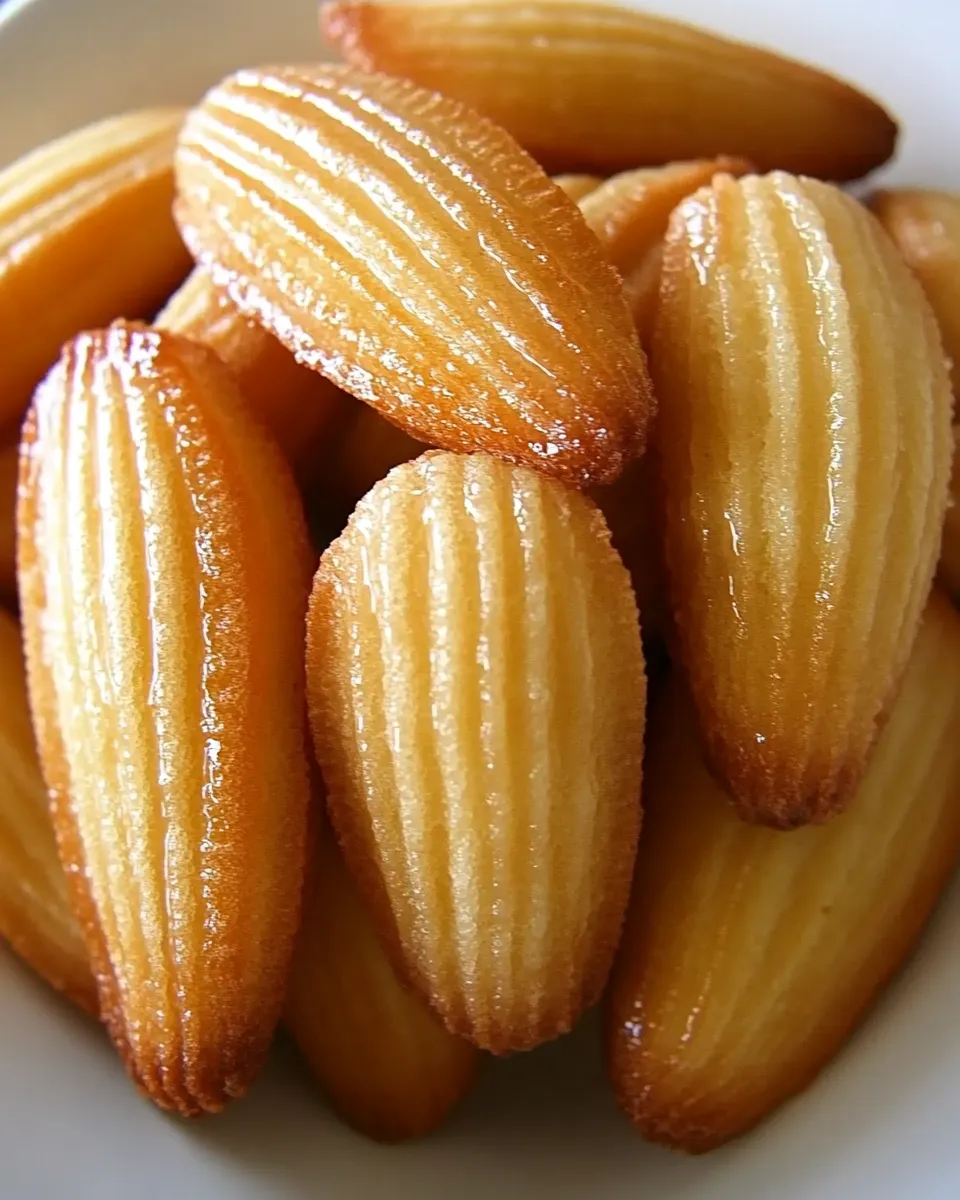
These little shell-shaped cakes are one of my favorite quick pleasures to bake. They feel special without being fussy: a tender crumb, that iconic hump, and a thin lemon glaze that brightens every bite. I make a batch whenever I want something that pairs perfectly with afternoon tea or a late-morning coffee.
This recipe is straightforward but benefits from a few patient moments — chilling the batter, brushing the pan, and a quick dip in glaze while the cakes are still warm. Follow the steps, and you’ll get consistent results: crisp edges, soft centers, and that delicate zesty finish.
I write this from years of testing small tweaks so you don’t have to. Read through the checklist and the tips, then get your pan ready. You’ll have golden, lemony madeleines in less than an hour of active work.
Ingredient Checklist

- 3 large eggs, at room temperature — Eggs provide structure and lift; room temperature eggs whip up to their fullest volume.
- 2/3 cup (130 g) granulated sugar — Sweetens while helping to stabilize the whipped eggs for a light, airy batter.
- rounded 1/8 teaspoon salt — Enhances flavor and balances the sweetness.
- 1 1/4 cup (175 g) flour — The primary dry structure; measure carefully to avoid dense madeleines.
- 1 teaspoon baking powder, (optional) — Optional lift; use if you want a slightly higher hump or if your flour feels heavy.
- zest of one small lemon — Concentrated lemon flavor; fold into the butter so the aroma infuses the batter.
- 9 tablespoons (120 g) unsalted butter, melted and cooled to room temperature, plus additional melted butter for preparing the molds — Butter adds richness and the glossy crumb; extra melted butter seasons the molds and helps the madeleines release cleanly.
- 3/4 cup (150 g) powdered sugar — For the glaze; gives a smooth, slightly crunchy finish once it firms.
- 1 tablespoon freshly-squeezed lemon juice — Provides bright acidity to the glaze; use fresh for the best flavor.
- 2 tablespoons water — Thins the glaze to the right dipping consistency without diluting the lemon too much.
How to Prepare (Lemon-Glazed Madeleine)
- Brush the indentations of a madeleine mold with additional melted butter, dust with flour, tap off any excess, and place the pan in the refrigerator or freezer while you make the batter.
- In the bowl of a standing electric mixer, combine 3 large eggs, 2/3 cup (130 g) granulated sugar, and rounded 1/8 teaspoon salt. Whip on medium-high for 5 minutes, until the mixture is pale, frothy, and noticeably thickened.
- Spoon 1 1/4 cups (175 g) flour and 1 teaspoon baking powder (if using) into a sifter or fine-mesh strainer. Rest the mixing bowl on a damp towel to steady it, then sift the flour (and baking powder) over the whipped eggs and use a spatula to gently fold the flour into the batter until just combined.
- Add the zest of one small lemon to the 9 tablespoons (120 g) melted butter (cooled to room temperature). Dribble the butter into the batter a few spoonfuls at a time while folding with a spatula, folding just until the butter is incorporated and no streaks remain.
- Cover the bowl and refrigerate the batter for at least 1 hour and up to 12 hours.
- When ready to bake, preheat the oven to 425°F. Remove the prepared madeleine pan from the refrigerator or freezer.
- Fill each mold indentation about 3/4 full with batter using a spoon or a piping bag. Do not spread the batter; leave it mounded in the center of each indentation.
- Bake the madeleines for 8–9 minutes, or until the edges are lightly golden and the centers feel set to the touch.
- While the madeleines bake, make the glaze: stir together 3/4 cup (150 g) powdered sugar, 1 tablespoon freshly squeezed lemon juice, and 2 tablespoons water in a small bowl until smooth.
- Remove the madeleines from the oven and invert the pan onto a cooling rack to release them. When they are cool enough to handle (a minute or two), dip each madeleine into the glaze, turning to coat both sides and scraping off any excess with a dull knife.
- Return the glazed madeleines to the cooling rack, scallop side up, and let them sit until the glaze firms.
Top Reasons to Make (Lemon-Glazed Madeleine)
- They’re elegant yet simple. Little effort, big impression—perfect for unexpected guests or a small celebration.
- Fast baking and quick assembly. Active time is limited; most of the recipe is straightforward mixing and a short chill.
- Layered texture and flavor. Crisp edges, tender centers, and a lemon glaze that brightens every mouthful.
- Adaptable for occasions. You can make them plain, glazed, or dressed up with powdered sugar and tea-time spreads.
What to Use Instead

- If you don’t have a standing mixer, use a hand mixer and a deep bowl; whip the eggs and sugar until pale and thick. The goal is volume, not equipment loyalty.
- If you prefer dairy swaps, clarified butter can be used for a purer butter flavor, though the recipe specifies unsalted butter. Avoid liquid vegetable oils—they change the texture noticeably.
- For a slightly different lift, you can omit the optional baking powder for a more traditional, subtly denser madeleine; keep it if you want a more pronounced hump.
- If fresh lemon isn’t available for the glaze, bottled lemon juice will work in a pinch, but the flavor won’t be as bright—use slightly less water to compensate.
Kitchen Gear Checklist

- Madeleine pan — essential for the classic shell shape; nonstick or well-seasoned pans work best.
- Standing mixer or hand mixer — to whip eggs and sugar to the required volume.
- Sifter or fine-mesh strainer — for aerating the flour and gently folding it into the batter.
- Spatula — flexible for folding and incorporating butter without deflating the batter.
- Spoon or piping bag — for portioning batter neatly into the mold.
- Cooling rack — for releasing and glazing the madeleines.
- Small bowl and whisk or spoon — to mix the glaze smoothly.
Avoid These Traps
- Under-whipping the eggs: if the eggs and sugar aren’t pale and thick, the batter won’t trap enough air and the madeleines will be flat. Time the 5 minutes and watch the texture.
- Folding too aggressively: use gentle folds. Overmixing knocks out air and yields dense cakes.
- Adding butter too hot: melted butter must be cooled to room temperature. Hot butter cooks the eggs and ruins the batter’s texture.
- Overfilling the molds: filling past 3/4 can cause spillover and uneven baking. Keep the batter mounded in the center.
- Skipping the pan prep: those extra steps of butter and flour and chilling the pan help the madeleines release and form a clean scalloped edge.
Holiday-Friendly Variations
- Holiday citrus: fold in a little orange zest with the lemon for a festive twist. Swap some glaze lemon juice for orange for a sweeter finish.
- Spiced version: add 1/4 teaspoon ground ginger or a pinch of cinnamon to the dry ingredients for a warm, seasonal note.
- Chocolate dip: reserve half the lemon glaze and stir in 2 tablespoons of melted dark chocolate for a two-tone finish; dip one side only for a pretty contrast.
- Almond upgrade: swap 2 tablespoons of the flour for finely ground almond meal for a softer crumb and a nutty aroma.
Behind the Recipe
Madeleines are a French classic with a deceptively simple method. The signature hump comes from the contrast between a cold batter and a hot oven; the quick heat causes the batter to rise rapidly. That’s why chilling the batter and starting the oven very hot matters — it helps set the edges while forcing a center rise.
The technique centers on aeration. Whipping the eggs and sugar until pale traps air; folding in flour gently preserves that lightness. Adding the butter cooled to room temperature, rather than hot, keeps the batter from collapsing. The lemon glaze is intentionally thin so it soaks into the surface a bit and dries to a delicate sheen.
Keep-It-Fresh Plan
Madeleines are best the day they’re made, while the edges are still slightly crisp and the centers are tender. If you need to store them, keep them in an airtight container at room temperature for up to 2 days. Place a sheet of parchment between layers to protect the glaze.
For longer storage, freeze unglazed madeleines in a single layer until solid, then transfer to a freezer bag for up to one month. Thaw at room temperature and glaze just before serving for the freshest bite.
Common Questions
- Can I make the batter the night before? — Yes. The recipe allows chilling the batter for up to 12 hours. Overnight resting often improves flavor and makes the process more convenient.
- Why didn’t my madeleines get a hump? — Most often it’s due to under-whipped eggs, over-folding, or not starting with a hot oven. Make sure the eggs and sugar reach the pale, ribbon stage and that the oven is fully preheated to 425°F.
- Can I skip the glaze? — Absolutely. They’re lovely dusted with powdered sugar or left plain. The glaze adds brightness but isn’t mandatory.
- Can I use salted butter? — You can, but reduce added salt elsewhere or omit it. The recipe specifies unsalted to control seasoning precisely.
- How do I know when they’re done? — Look for lightly golden edges and centers that spring back to the touch. They bake quickly, so watch closely in that 8–9 minute window.
Final Thoughts
These Lemon-Glazed Madeleines are a small baking win: accessible technique, reliable results, and a finish that feels both homey and refined. Keep your tools simple, trust the timing, and don’t skip the chilling steps. You’ll end up with madeleines that are worth sharing — or keeping all to yourself.

Lemon-Glazed Madeleine Recipe
Ingredients
Ingredients
- 3 large eggs at room temperature
- 2/3 cup 130 ggranulated sugar
- rounded 1/8 teaspoonsalt
- 1 1/4 cup 175 gflour
- 1 teaspoonbaking powder (optional)
- zest of one small lemon
- 9 tablespoons 120 gunsalted butter, melted and cooled to room temperature, plus additional melted butter for preparing the molds
- 3/4 cup 150 gpowdered sugar
- 1 tablespoonfreshly-squeezed lemon juice
- 2 tablespoonswater
Instructions
Instructions
- Brush the indentations of a madeleine mold with additional melted butter, dust with flour, tap off any excess, and place the pan in the refrigerator or freezer while you make the batter.
- In the bowl of a standing electric mixer, combine 3 large eggs, 2/3 cup (130 g) granulated sugar, and rounded 1/8 teaspoon salt. Whip on medium-high for 5 minutes, until the mixture is pale, frothy, and noticeably thickened.
- Spoon 1 1/4 cups (175 g) flour and 1 teaspoon baking powder (if using) into a sifter or fine-mesh strainer. Rest the mixing bowl on a damp towel to steady it, then sift the flour (and baking powder) over the whipped eggs and use a spatula to gently fold the flour into the batter until just combined.
- Add the zest of one small lemon to the 9 tablespoons (120 g) melted butter (cooled to room temperature). Dribble the butter into the batter a few spoonfuls at a time while folding with a spatula, folding just until the butter is incorporated and no streaks remain.
- Cover the bowl and refrigerate the batter for at least 1 hour and up to 12 hours.
- When ready to bake, preheat the oven to 425°F. Remove the prepared madeleine pan from the refrigerator or freezer.
- Fill each mold indentation about 3/4 full with batter using a spoon or a piping bag. Do not spread the batter; leave it mounded in the center of each indentation.
- Bake the madeleines for 8–9 minutes, or until the edges are lightly golden and the centers feel set to the touch.
- While the madeleines bake, make the glaze: stir together 3/4 cup (150 g) powdered sugar, 1 tablespoon freshly squeezed lemon juice, and 2 tablespoons water in a small bowl until smooth.
- Remove the madeleines from the oven and invert the pan onto a cooling rack to release them. When they are cool enough to handle (a minute or two), dip each madeleine into the glaze, turning to coat both sides and scraping off any excess with a dull knife.
- Return the glazed madeleines to the cooling rack, scallop side up, and let them sit until the glaze firms.
Equipment
- Madeleine Pan
- standing electric mixer
- Sifter or fine mesh strainer
- Spatula
- piping bag or spoon
- Cooling Rack
Notes
Storage:
Glazed madeleines are best left uncovered, or not tightly-wrapped; they’re best eaten the day they’re made. They can be kept in a container for up to three days after baking, if necessary. I don’t recommend freezing them since the glaze will melt.