Kenyan Pilau
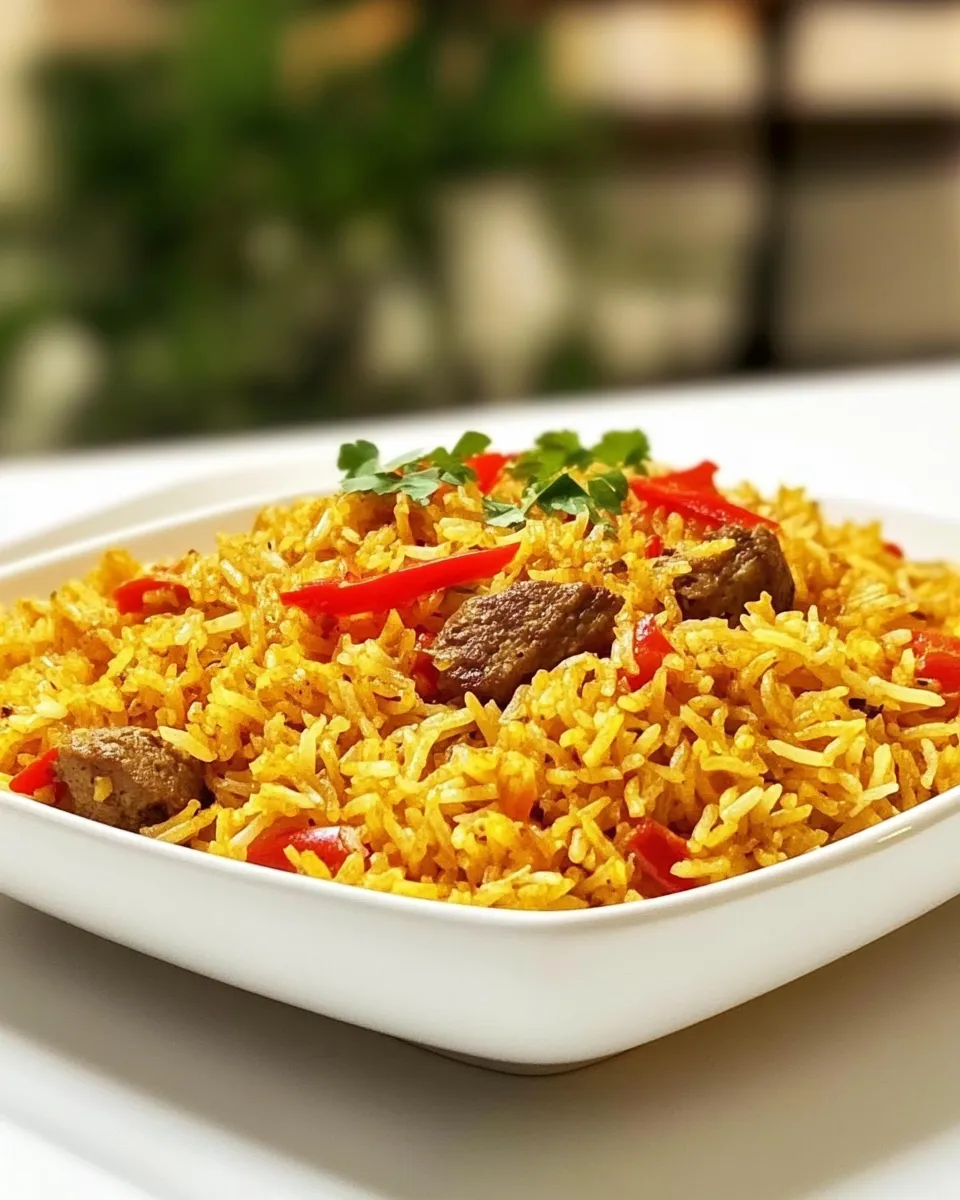
Kenyan pilau is a dish I turn to when I want something fragrant, satisfying, and uncomplicated enough to make on a weeknight. It’s a one-pot meal that builds deep flavor from whole spices, browned onions, and meat cooked gently in its own juices. The result is rice that tastes like the stew it was cooked with—rich, layered, and comforting.
This version follows a straightforward, traditional approach: toast and steep whole spices, brown sweet onions, simmer beef with aromatics, then add basmati and let the rice finish in the same pot. The technique is simple, but the timing and attention to the onions and spice steeping make all the difference.
Below you’ll find the ingredient breakdown, step-by-step instructions taken directly from the recipe’s method, and practical tips for equipment, timing, and small adjustments to help you make a dependable Kenyan Pilau every time.
Ingredients at a Glance

- 2 tbsp canola oil — for frying the onions and starting the flavor base.
- 9 oz beef — the protein that lends richness; it cooks in its own juices for concentrated flavor.
- 2 onion — sliced thinly; they caramelize and form the sweet backbone of the dish.
- 1 tsp grated ginger — adds fresh warmth and bite.
- 1 tsp grated garlic — for aromatic depth alongside the ginger.
- 2 cups basmati rice — long-grain basmati gives separate, fluffy grains when cooked correctly.
- 1/2 tbsp ground cardamom — warm, floral spice that’s key to pilau’s signature aroma.
- 4 cloves garlic — whole cloves used in the spice steeping to infuse flavor.
- 4 anise — whole anise pieces for a subtle sweet-licorice note.
- 4 cinnamon sticks — provide woody warmth and aroma.
- 2 tbsp cumin seed — toasting and steeping these gives the pilau its earthy, nutty backbone.
- 7 black pepper corns — whole for controlled heat and fragrance.
- 2 tbsp seasoning powder — a seasoning blend; it seasons the beef during the initial simmer.
Kenyan Pilau, Made Easy
- Rinse the basmati rice under cold water until the water runs clear, then soak the rice in cold water for 30 minutes. Drain and set aside.
- In a small bowl, combine the 2 tbsp cumin seed, 1/2 tbsp ground cardamom, 4 cinnamon sticks, 4 anise, and 7 black pepper corns. Add 100 ml (3⅓ fl oz) cold water, stir, and set this spice mix aside to steep.
- Place the 9 oz beef in a pot. Add the 1 tsp grated ginger, the 1 tsp grated garlic, and salt to taste. Cover and simmer over medium-low heat for 15 minutes (do not add extra water — the beef will release juices).
- After 15 minutes, add 2 tbsp seasoning powder and 2 cups (500 ml) water to the beef. Simmer uncovered for another 10 minutes.
- Using a colander, drain the beef from its cooking liquid into a bowl and reserve the liquid. Set the beef pieces aside.
- In a separate heavy-bottomed pot, heat the 2 tbsp canola oil over medium heat.
- Slice the 2 onions thinly and add them to the hot oil. Cook, stirring often, until the onions are deep golden brown (about 8–12 minutes). Lower the heat if they brown too quickly.
- While the onions cook, mince or crush the 4 garlic cloves. When the onions are golden, add the minced garlic and fry for about 1 minute until fragrant.
- Pour the soaked spices (the water and the whole spices from step 2) into the pot with the onions and garlic. Cook, stirring, for about 3 minutes to bloom the spices.
- Add the reserved beef pieces back into the pot, season with additional salt to taste if needed, cover, and cook for 5 minutes.
- Add 2 cups (500 ml) fresh water to the pot. Drain the soaked rice and add it to the pot, stirring once to distribute evenly. (If you prefer, you may use some or all of the reserved beef liquid from step 5 in place of part of the 2 cups water — just make sure the total liquid added is 2 cups.)
- Cover the pot tightly (seal with foil under the lid if available), reduce heat to low, and simmer undisturbed for 20 minutes, until the rice has absorbed the liquid and is tender. Remove from heat, let stand 5 minutes, then fluff and serve.
Why It’s Crowd-Pleasing
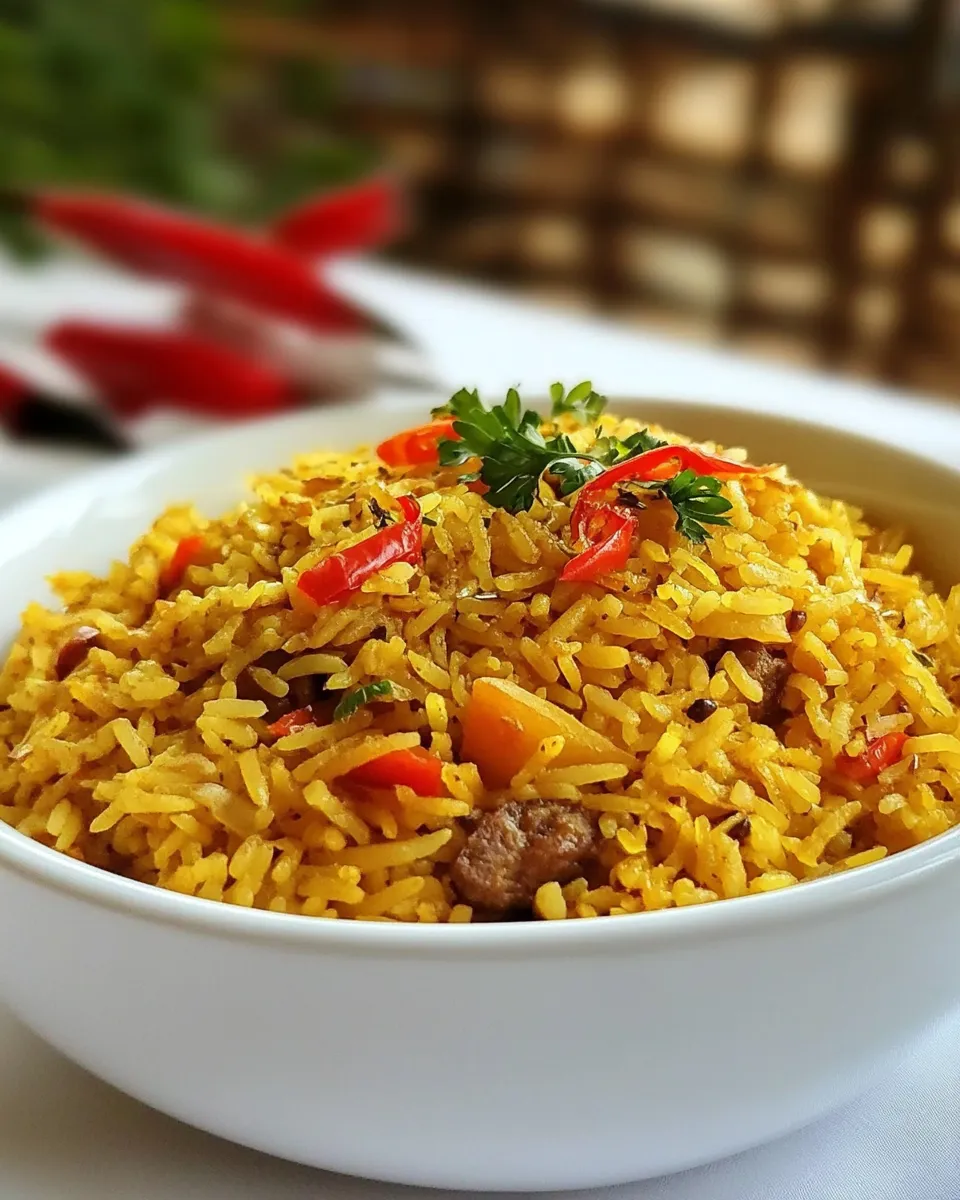
Pilau works because it balances aroma, texture, and comfort. The layered spices—cumin, cardamom, cinnamon, anise, and pepper—create a heady fragrance that fills the kitchen before you even sit down. Onions caramelized to deep golden brown add sweetness and color. The beef cooks gently, concentrating flavor rather than diluting it, so every bite of rice picks up savory, meaty notes.
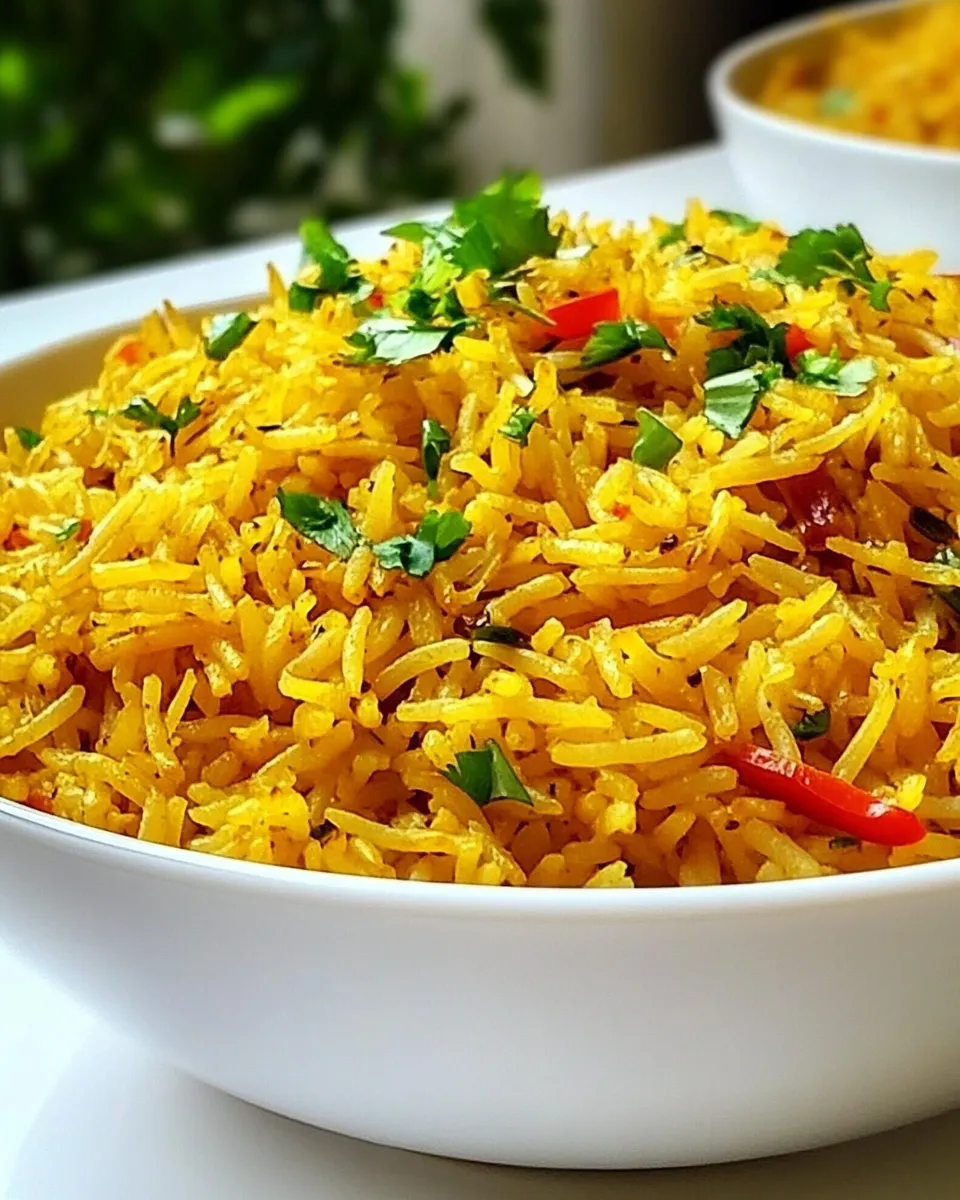
It’s a one-pot dish that scales for family meals or small gatherings and pairs well with simple sides: a fresh salad, yogurt, or lightly steamed greens. The rice grains stay separate when you use basmati and follow the soaking and steaming technique. That texture—tender but distinct grains—keeps people coming back for seconds.
If You’re Out Of…
If you’re missing an item, the dish is forgiving as long as you keep the method. If you don’t have the soaked spice water ready, you can add the whole spices directly to the pot with the onions, but steeping them first extracts a cleaner, more even aroma. If you lack enough onions, reduce the amount and focus on slow, even browning of what you have—color and sweetness matter more than volume.
Be flexible with the liquid: if you’ve reserved beef cooking liquid, use that in place of some or all of the fresh water to boost flavor. And if you can’t seal the pot tightly, reduce the heat a touch and keep an eye on the rice near the end of the cooking time to prevent drying or scorching.
Equipment at a Glance
- Small bowl — for steeping the whole spices in cold water.
- Pot for cooking beef — to simmer the beef until it releases juices.
- Colander — to drain the beef and reserve the liquid.
- Heavy-bottomed pot with tight-fitting lid — for frying onions and finishing the rice without scorching.
- Measuring spoons and cups — to keep the spice and liquid ratios consistent.
- Foil (optional) — to seal the lid further for even steam cooking.
Steer Clear of These
There are a few common mistakes that turn a promising pilau bland or mushy. First: don’t rush the onions. They need time to reach deep golden brown; undercooked onions mean less sweetness and less color. Second: avoid adding extra water to the beef during the initial simmer—this recipe depends on the beef releasing its own juices. Third: don’t lift the lid during the final 20-minute steam. Lifting releases steam and upsets the heat balance, which can leave rice unevenly cooked.
Finally, be careful with the spice steeping. If you over-steep the spices in hot water instead of cold, you can extract bitter notes. The recipe calls for steeping the spices in cold water, which extracts the aromas gently and safely.
Customize for Your Needs
Adjustments are mostly about texture and intensity rather than changing the bones of the recipe. For a bolder aromatic profile, increase the ground cardamom slightly or add an extra cinnamon stick to the steep. If you prefer a milder dish, reduce the cumin seed by half when steeping.
For a leaner meal, trim visible fat from the beef or use smaller pieces so they cook through and concentrate flavor without rendering too much fat into the pot. If you want more gravy-like moisture, reserve and use the beef cooking liquid when adding the rice. For dryer pilau, stick to fresh water as instructed.
Notes on Ingredients
Every ingredient here has a job. The whole spices—cumin seed, cinnamon sticks, anise, black pepper corns, and the ground cardamom—create the signature aroma and sit at the heart of pilau. Steeping them in cold water draws out essential oils gently so they bloom when later heated with the onions.
The onions are the sweet counterpoint to the spices. Frying them in canola oil until deep golden creates Maillard flavor that lifts the entire dish. Basmati rice is specified for its long grains and fragrant character; soaking it beforehand removes surface starch and helps the grains cook evenly without sticking. The seasoning powder seasons the beef early so every bite is savory. And the modest amount of ginger and garlic gives a clean, fresh bite without overpowering the warm spice mix.
Make Ahead Like a Pro
Kenyan pilau reheats well and can be made ahead in stages. You can cook the beef through step 4, cool it, and refrigerate the cooked beef and its reserved liquid for up to 24 hours. When you’re ready to finish the dish, brown the onions and proceed from step 6 onward—this shortens final assembly time considerably.
Fully cooked pilau keeps in the refrigerator for 3–4 days. To reheat, sprinkle a little water over the rice, cover, and warm gently on the stove over low heat, fluffing occasionally to redistribute moisture. For longer storage, freeze in an airtight container for up to 2 months. Thaw overnight in the refrigerator before reheating.
FAQ
Can I skip the spice soak and just toss the whole spices into the pot?
You can, but the cold soak extracts flavor gently and delivers a cleaner aroma when the spices hit the hot oil. If you add them directly, toast them briefly in the oil first to avoid raw spice notes.
My rice came out sticky. What happened?
Sticky rice usually comes from not rinsing or soaking it long enough, or from too much stirring once the rice is added. Rinse until the water runs clear and soak for the full 30 minutes. After adding the rice to the pot, stir only once to distribute and then leave it to steam undisturbed.
Why do we cook the beef without extra water first?
The initial uncovered simmer without extra liquid concentrates the beef juices and intensifies flavor. Those juices are later used (if desired) to deepen the rice’s savory profile.
Can I use a different protein?
The technique translates to other proteins, but cooking times will change. Poultry or smaller cuts will need far less simmering time; adjust accordingly and watch for moisture loss.
That’s a Wrap
Kenyan pilau is a modest feast: aromatic spices, sweet-browned onions, and rice that soaks up every savory drop from the meat. Follow the sequence—spice soak, gentle beef simmer, careful browning of onions, and a sealed steam—and you’ll get reliable results. Make the dish once or twice to get a feel for the timing and heat on your stove; after that, it’s one of the most rewarding one-pot meals you can cook.
Cook it for a relaxed dinner or when friends come over. It’s approachable, comforting, and full of character—qualities I look for in a weeknight dish and a crowd-pleasing classic alike. Ready to start? Gather your spices, soak the rice, and let the aroma lead the way.

Kenyan Pilau
Ingredients
Ingredients
- 2 tbspscanola oil
- 9 ozbeef
- 2 onion
- 1 tspgrated ginger
- 1 tspgrated garlic
- 2 cupsbasmati rice
- 1/2 tbspground cardamom
- 4 cloves garlic
- 4 anise
- 4 cinnamon sticks
- 2 tbspcumin seed
- 7 black pepper corns
- 2 tbspseasoning powder
Instructions
Instructions
- Rinse the basmati rice under cold water until the water runs clear, then soak the rice in cold water for 30 minutes. Drain and set aside.
- In a small bowl, combine the 2 tbsp cumin seed, 1/2 tbsp ground cardamom, 4 cinnamon sticks, 4 anise, and 7 black pepper corns. Add 100 ml (3⅓ fl oz) cold water, stir, and set this spice mix aside to steep.
- Place the 9 oz beef in a pot. Add the 1 tsp grated ginger, the 1 tsp grated garlic, and salt to taste. Cover and simmer over medium-low heat for 15 minutes (do not add extra water — the beef will release juices).
- After 15 minutes, add 2 tbsp seasoning powder and 2 cups (500 ml) water to the beef. Simmer uncovered for another 10 minutes.
- Using a colander, drain the beef from its cooking liquid into a bowl and reserve the liquid. Set the beef pieces aside.
- In a separate heavy-bottomed pot, heat the 2 tbsp canola oil over medium heat.
- Slice the 2 onions thinly and add them to the hot oil. Cook, stirring often, until the onions are deep golden brown (about 8–12 minutes). Lower the heat if they brown too quickly.
- While the onions cook, mince or crush the 4 garlic cloves. When the onions are golden, add the minced garlic and fry for about 1 minute until fragrant.
- Pour the soaked spices (the water and the whole spices from step 2) into the pot with the onions and garlic. Cook, stirring, for about 3 minutes to bloom the spices.
- Add the reserved beef pieces back into the pot, season with additional salt to taste if needed, cover, and cook for 5 minutes.
- Add 2 cups (500 ml) fresh water to the pot. Drain the soaked rice and add it to the pot, stirring once to distribute evenly. (If you prefer, you may use some or all of the reserved beef liquid from step 5 in place of part of the 2 cups water — just make sure the total liquid added is 2 cups.)
- Cover the pot tightly (seal with foil under the lid if available), reduce heat to low, and simmer undisturbed for 20 minutes, until the rice has absorbed the liquid and is tender. Remove from heat, let stand 5 minutes, then fluff and serve.
Equipment
- Small Bowl
- Pot
- Colander
- Heavy-bottomed pot
- foil (optional)