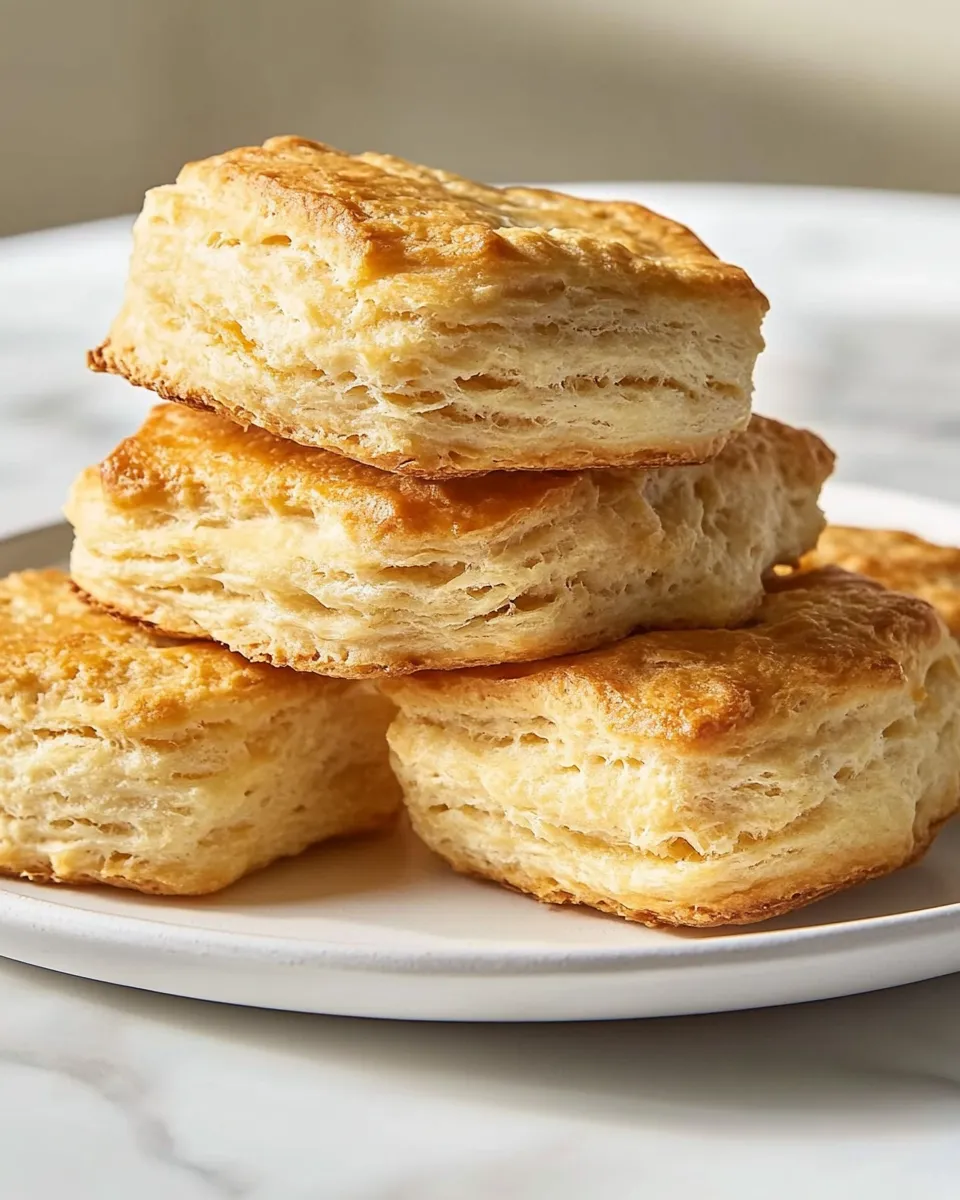
Southern Biscuit Recipe
These biscuits are what Sunday mornings smell like: warm butter, flour dust in the air, and a crust that gives way to a fluffy, layered interior. I make them often because they’re fast, forgiving, and the kind of thing family fights over. You don’t need fancy tools or exotic ingredients—just a little technique and cold butter.
I’ll be practical here: the goal is tall, tender biscuits with flaky edges. Cold butter and minimal handling are the two non-negotiables. The rest is small choices that add up—how you cut the dough, whether you let them touch on the baking sheet, how much butter you brush on top.
Follow the steps below exactly for dependable results, and then read the rest of the post for why each step matters, sensible substitutions, and troubleshooting. These biscuits are simple, but the payoff is huge.
Gather These Ingredients

- 3 cups all-purpose flour — the structure for the biscuit; plus extra for dusting when cutting and shaping.
- 4 1/2 teaspoons baking powder — primary leavening; gives rise and lift.
- 3/4 teaspoon baking soda — works with buttermilk for extra lift and a tender crumb.
- 1 1/4 teaspoons salt — essential for balance and bringing out flavor.
- 4 ounces cold unsalted butter, cubed — creates steam pockets for flakiness; keep it cold until cutting in.
- 1 cup cold buttermilk — acid plus liquid; reacts with baking soda and tenderizes the dough. Have more on hand in case the dough needs it.
- Melted butter for brushing — adds flavor and gives the tops a soft, glossy finish.
Southern Biscuit Recipe: Step-by-Step Guide
- Preheat oven to 450°F and line a baking sheet with parchment paper.
- In a large bowl, sift together 3 cups all-purpose flour, 4 1/2 teaspoons baking powder, 3/4 teaspoon baking soda, and 1 1/4 teaspoons salt.
- Add 4 ounces cold unsalted butter, cut into cubes. Using a pastry blender, two knives, or your fingertips, cut the butter into the dry ingredients until the mixture looks like coarse peas.
- Pour in 1 cup cold buttermilk and stir gently with a spatula or wooden spoon until the dough just comes together. If the dough seems dry, add additional cold buttermilk a little at a time until it holds together.
- Turn the dough onto a lightly floured surface (use extra flour for dusting) and pat it into a rectangle about 1 inch thick. Handle the dough as little as possible.
- Dip a 2-inch round cutter into flour and cut straight down into the dough without twisting. Re-roll scraps as needed and repeat cutting.
- Place the biscuits on the prepared baking sheet. For soft sides, set them so they touch; for crusty sides, space them about 2 inches apart.
- Brush the tops of the biscuits with melted butter.
- Bake in the preheated oven until the biscuits are puffed and lightly golden, about 12–16 minutes.
- Remove the biscuits from the oven, brush with additional melted butter if desired, and serve warm.
What Sets This Recipe Apart
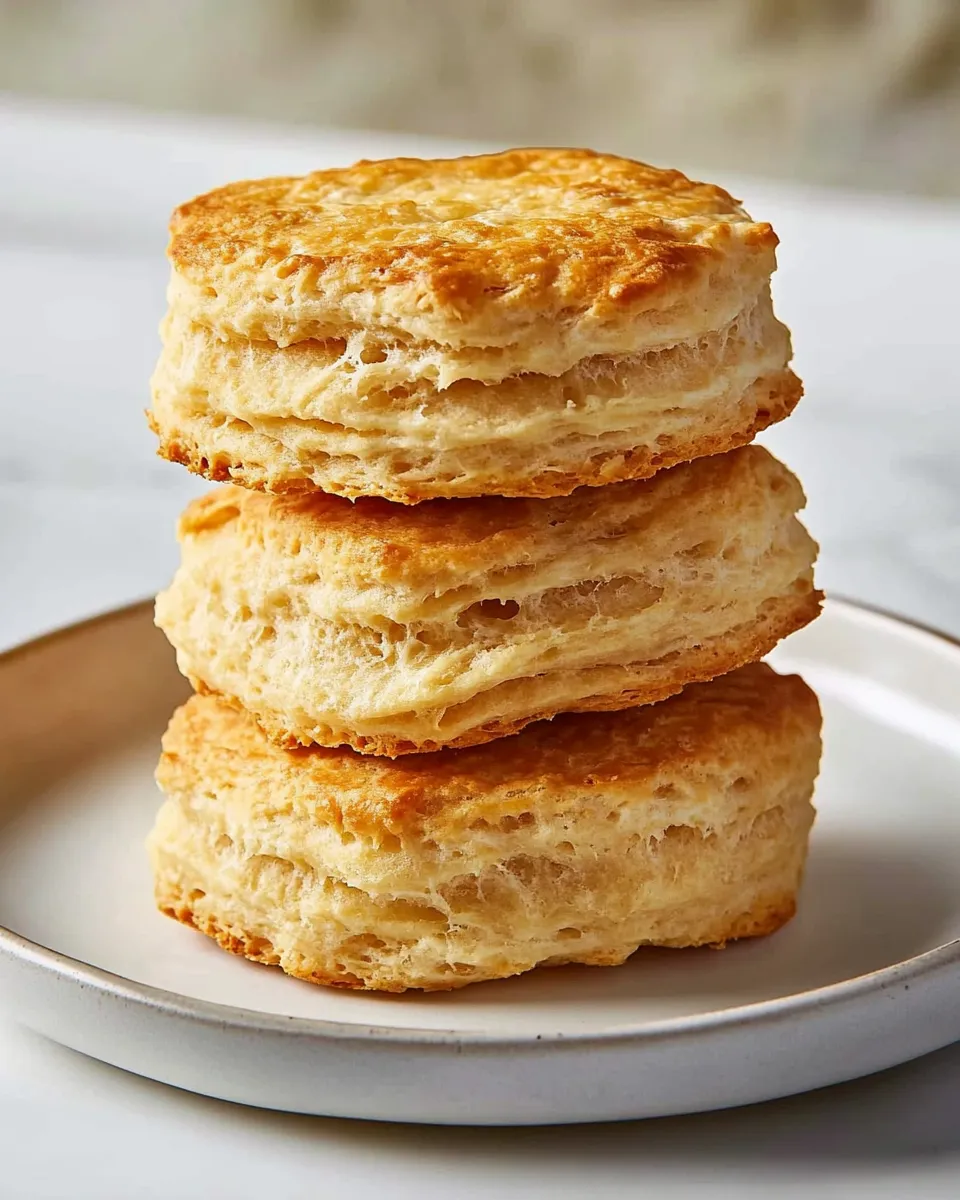
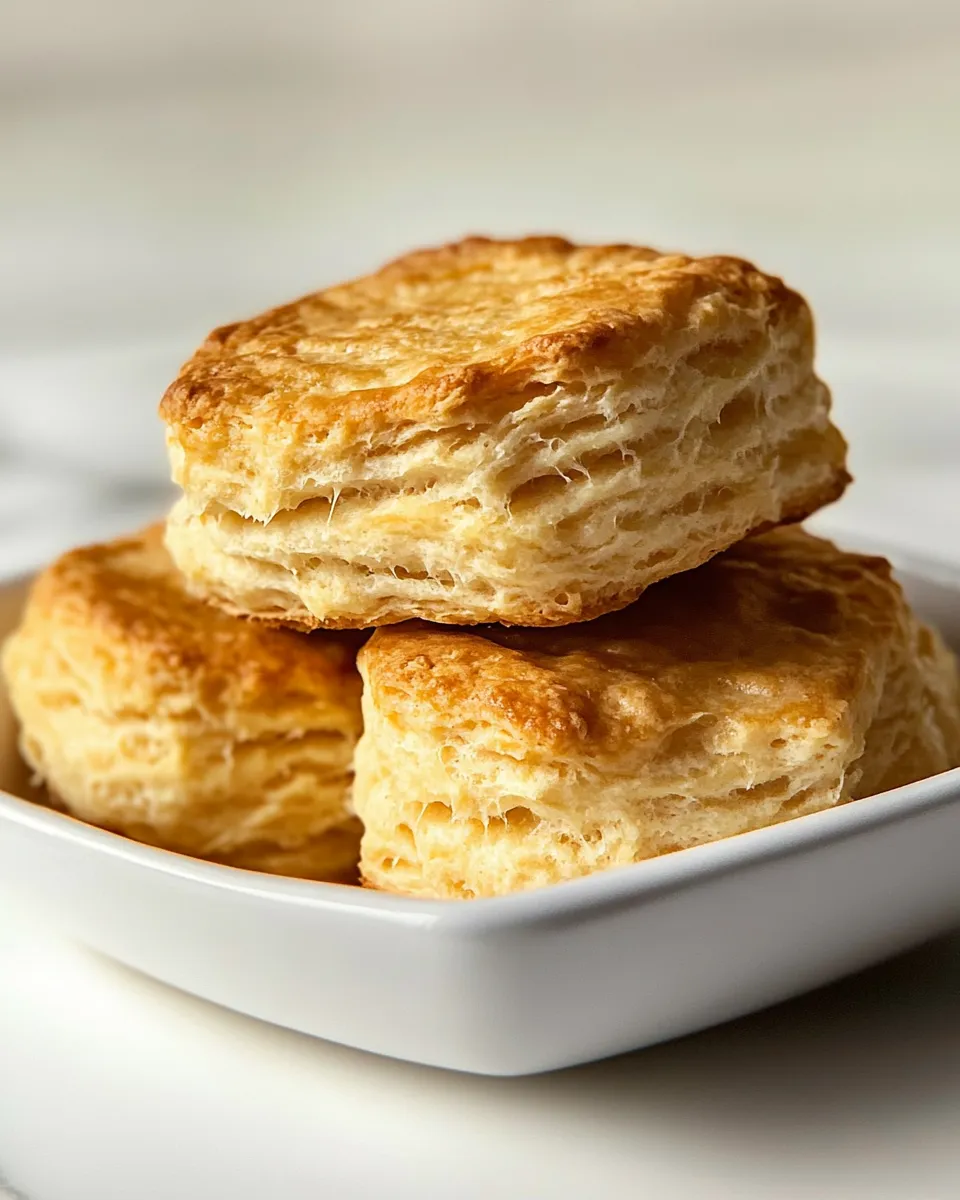
There are a few small decisions here that make a big difference. First, the combination of baking powder and a touch of baking soda—paired with cold buttermilk—creates an immediate chemical lift and a tender crumb. The butter is cut into the flour until it resembles coarse peas; those pockets of butter steam in the oven and form flaky layers.
Another distinguishing point is texture control through placement on the sheet. When biscuits touch, they rise up and support one another for soft sides. When spaced apart, they brown and crisp all around. This recipe keeps things simple and reliable, and lets you pick the finish you prefer.
Finally, there’s the high baking temperature: 450°F gives a quick burst of heat that helps the biscuits puff before the exterior sets, resulting in height and a light interior.
Substitutions by Category
Flour
- All-purpose flour: If you want a slightly denser, nuttier biscuit, use a blend with part whole wheat flour. Don’t replace all the all-purpose flour—start with a 25% swap and evaluate texture.
Butter & Fat
- Cold unsalted butter: You can use salted butter if that’s what you have—omit or reduce added salt to taste. Cold store-bought shortening can be used for a different kind of flakiness, but butter gives the best flavor.
Liquid
- Buttermilk: Cultured buttermilk is ideal. If you don’t have it, a plain cultured yogurt thinned with a little milk or milk soured slightly with an acid can work; the key is acidity to react with the baking soda.
Leavening
- Baking powder and baking soda: Keep both. If you only have baking powder, the rise will still happen but you’ll lose some of the tenderizing effect the baking soda provides when paired with buttermilk.
What’s in the Gear List
- Large mixing bowl — for combining dry ingredients and cutting in butter.
- Sifter or fine-mesh sieve — to aerate the flour and evenly distribute leavening.
- Pastry blender, two knives, or fingertips — for cutting butter into flour until it resembles coarse peas.
- Measuring cups and spoons — accuracy matters with baking powder and salt.
- Spatula or wooden spoon — for gently bringing the dough together without overworking.
- Lightly floured work surface — for patting and cutting the dough.
- 2-inch round cutter — for classic biscuit rounds; a straight-sided cutter is important to preserve lift.
- Baking sheet and parchment paper — parchment prevents sticking and promotes even browning.
- Pastry brush — for brushing melted butter on top before and after baking.
Errors to Dodge
Cold butter, cold buttermilk, and minimal handling are the three big rules. Warm butter or overworked dough are the quickest ways to a tough, flat biscuit.
Cutting motion matters: don’t twist the cutter when you press down. Twisting seals the edges and keeps the biscuit from rising straight up. Press straight down and lift straight up.
Also, don’t under- or over-measure flour. Spoon the flour into the measuring cup and level it with a straight edge instead of scooping directly from the bag; scooping compacts flour and yields dry, dense dough.
Finally, don’t skip the high heat. Baking at a lower temperature will dry the biscuits out and prevent that initial burst of steam that creates lift.
Health-Conscious Tweaks
To lighten these without changing the result drastically, replace a portion of the flour with a whole-grain alternative. Start at a 25% swap and keep the rest all-purpose so you don’t sacrifice rise and tenderness. Use a good-quality cultured low-fat buttermilk to reduce calories in the liquid component while maintaining acidity.
If you want less butter on top, skip the final brushing and just use a light spritz of oil or leave them plain—the interior will still be tender. For a lower-saturated-fat approach overall, experiment with a mix of butter and an unsaturated oil in the dough, but keep some butter for flavor.
Chef’s Notes
Butter Temperature
Butter should be as cold as possible—straight from the fridge—and cut into small cubes. If it warms too much while you work, pop the bowl in the fridge for 10 minutes to firm the butter back up.
Handling the Dough
Less is more. Pat the dough to thickness, then cut. Re-rolling scraps should be done only once or twice; the more you work the dough, the tougher the biscuits become.
Cutting Technique
Flour the cutter and press straight down—no twisting. A clean cut lets the layers rise upward. If your cutter sticks, press with slightly less force and ensure it’s floured well each time.
Oven Variations
Every oven behaves differently. If your first batch bakes faster and browns too dark, lower the rack one level or reduce time by a couple of minutes for subsequent batches. Keep the oven at the stated 450°F to preserve rise; adjust time as needed.
Leftovers & Meal Prep
Cool completely before storing to avoid sogginess. For short-term storage, keep biscuits in an airtight container at room temperature for up to two days. Reheat gently in a 300°F oven for 5–8 minutes to revive crispness.
For longer storage, freeze biscuits on a tray until firm and then transfer to a freezer bag. Reheat from frozen in a 350°F oven for about 12–15 minutes, or until warmed through. Split and toast for quick breakfasts, or repurpose into breakfast sandwiches with eggs and cheese.
Popular Questions
Can I make the dough ahead? You can mix the dry ingredients and keep the cubed butter chilled separately in the fridge. Assemble the dough just before cutting and baking to keep the butter cold. Fully assembled dough can be chilled briefly if you need a short pause, but long refrigeration will reduce rise.
Why aren’t my biscuits tall? Check the temperature of your butter and oven. Warm butter, overworking the dough, or using a dull cutter that crushes the dough can all prevent height. Also ensure your leavening is fresh—expired baking powder or soda will reduce lift.
Can I use a different cutter shape? Yes. A 2-inch round cutter gives classic results. A square or biscuit tin will also work; tins yield very tall biscuits with soft sides because the batter supports the rise.
Do I have to brush with melted butter? No, but it adds flavor and a soft, glossy top. Skip it if you prefer to keep things lighter or brush with a little milk for a paler crust.
Bring It Home
These Southern biscuits are uncomplicated but mighty. Keep butter cold, keep your hands light, and trust the oven. Once you get comfortable with the rhythm—measure, cut butter, stir, pat, cut—you’ll be making biscuits that rise tall and taste like mornings at home.
Try them warm with butter and honey, split and filled with ham and egg, or simply as an accompaniment to a bowl of stew. Make a batch, take notes on your oven and technique, and adjust only one variable at a time. The next time you serve them, someone will ask for the recipe—and you’ll know exactly what to tell them.

Southern Biscuit Recipe
Ingredients
Ingredients
- 3 cupsall-purpose flourplus extra for dusting
- 4 1/2 teaspoonsbaking powder
- 3/4 teaspoonbaking soda
- 1 1/4 teaspoonssalt
- 4 ouncescold unsalted buttercubed
- 1 cupcold buttermilkplus more as needed
- Melted butter for brushing
Instructions
Instructions
- Preheat oven to 450°F and line a baking sheet with parchment paper.
- In a large bowl, sift together 3 cups all-purpose flour, 4 1/2 teaspoons baking powder, 3/4 teaspoon baking soda, and 1 1/4 teaspoons salt.
- Add 4 ounces cold unsalted butter, cut into cubes. Using a pastry blender, two knives, or your fingertips, cut the butter into the dry ingredients until the mixture looks like coarse peas.
- Pour in 1 cup cold buttermilk and stir gently with a spatula or wooden spoon until the dough just comes together. If the dough seems dry, add additional cold buttermilk a little at a time until it holds together.
- Turn the dough onto a lightly floured surface (use extra flour for dusting) and pat it into a rectangle about 1 inch thick. Handle the dough as little as possible.
- Dip a 2-inch round cutter into flour and cut straight down into the dough without twisting. Re-roll scraps as needed and repeat cutting.
- Place the biscuits on the prepared baking sheet. For soft sides, set them so they touch; for crusty sides, space them about 2 inches apart.
- Brush the tops of the biscuits with melted butter.
- Bake in the preheated oven until the biscuits are puffed and lightly golden, about 12–16 minutes.
- Remove the biscuits from the oven, brush with additional melted butter if desired, and serve warm.
Equipment
- Baking Sheet
- Parchment Paper
- Large Bowl
- Sifter
- pastry blender or two knives
- Spatula
- Wooden Spoon
- 2-inch round cutter