Copycat Cheesecake Factory Original Cheesecake Recipe
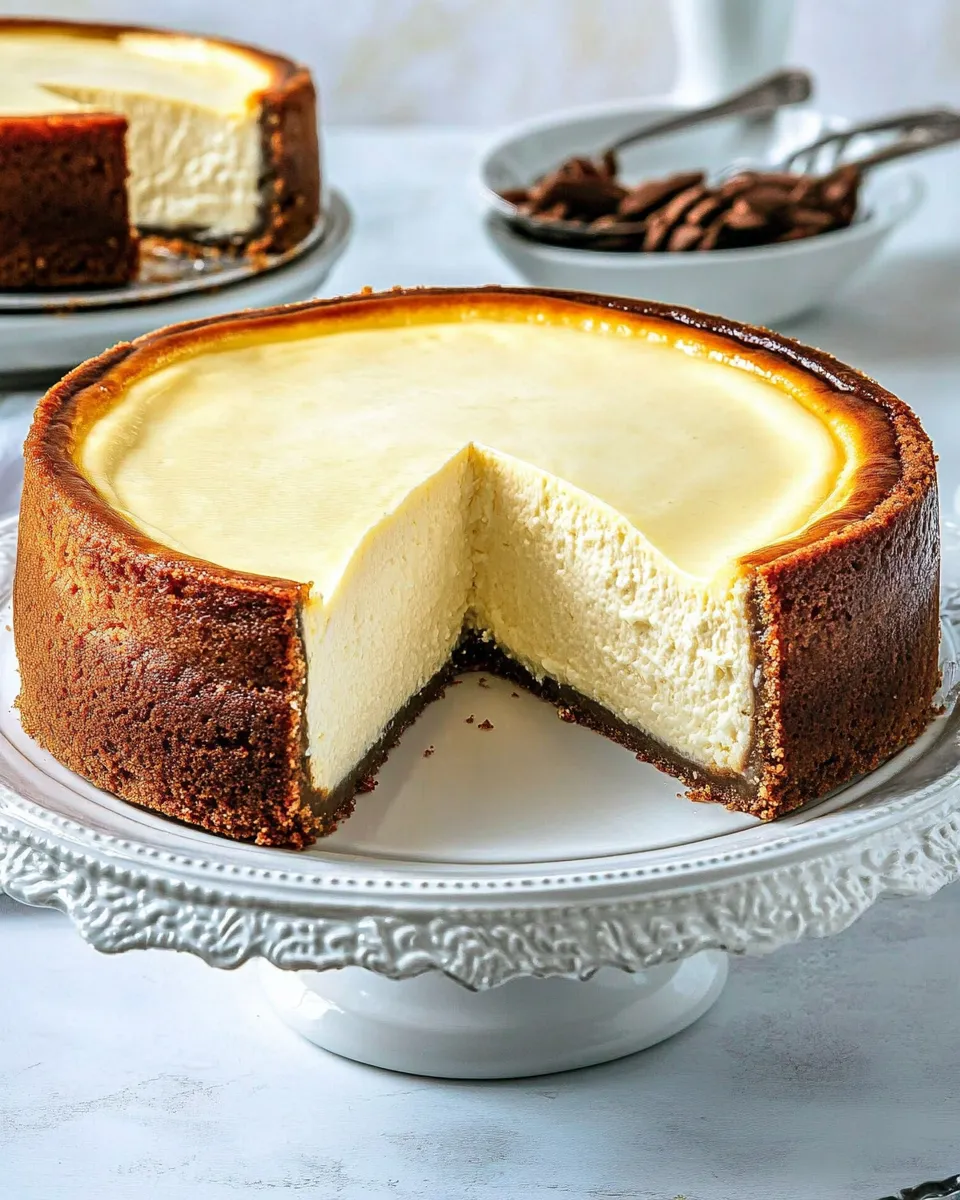
I make this cheesecake when I want something reliably impressive without fuss. It pulls from the flavors and textures people expect from the Cheesecake Factory’s Original Cheesecake: a nut-and-wafers crust, a dense smooth filling, and a clean finish that lets toppings shine. It takes attention, not drama.
This recipe follows the original proportions and method closely. Read through the steps before you start, have your ingredients at room temperature, and plan for an overnight chill. The payoff is a slice that slices clean and tastes rich—great for a dinner party or a quiet, indulgent weekend.
Ingredient Checklist

- 1/4 cup finely chopped pecans — adds nutty flavor and texture to the crust.
- 1/4 cup finely chopped almonds — balances sweetness and gives depth to the crust.
- 1/4 cup finely chopped walnuts — adds richness and a slightly bitter counterpoint.
- 3/4 cup finely chopped vanilla wafers — the primary crumb component; brings sweetness and structure.
- 2 tablespoons melted butter — binds the crust so it holds together after baking.
- 1 1/2 pounds cream cheese — the core of the filling; use full-fat and room temperature for best texture.
- 1 1/3 cups sugar — sweetens and helps the filling set; add gradually while mixing.
- 5 eggs — build structure and richness; add one at a time.
- 16 ounces sour cream — adds tang and a creamier finish to the filling.
- 1/4 cup flour — stabilizes the batter so the cake keeps its shape.
- 2 teaspoons vanilla — flavor enhancer; use good-quality vanilla.
- 2 teaspoons lemon juice — brightens the overall flavor and balances the richness.
Make Cheesecake Factory Original Cheesecake: A Simple Method
- Preheat the oven to 325°F. Butter a springform pan.
- In a bowl (or food processor), combine the 1/4 cup finely chopped pecans, 1/4 cup finely chopped almonds, 1/4 cup finely chopped walnuts, 3/4 cup finely chopped vanilla wafers, and 2 tablespoons melted butter. Stir or pulse until the dry ingredients are evenly moistened.
- Press the mixture firmly into the buttered springform pan, spreading it over the bottom and about 1½ inches up the sides. Set the prepared crust aside.
- Fit a mixer with the paddle or beaters and keep it on the low speed for all mixing steps. Add 1 1/2 pounds cream cheese to the mixer bowl and beat on low until light and fluffy.
- With the mixer running on low, add 1 1/3 cups sugar a little at a time and continue beating until the mixture is smooth and creamy. Stop occasionally to scrape the bowl sides as needed.
- Add the 5 eggs one at a time, beating on low and mixing each egg in completely before adding the next. Mix only until each egg is incorporated.
- Add 1/4 cup flour, 2 teaspoons lemon juice, and 2 teaspoons vanilla; mix on low until combined.
- Add 16 ounces sour cream and beat on low until the batter is smooth and evenly combined.
- Pour the cream cheese filling into the prepared crust and smooth the top. Place the pan on the middle oven rack and bake at 325°F for 1 hour and 15 minutes.
- When baking is finished, turn off the oven, prop the oven door open about 1 inch, and let the cheesecake sit in the oven for 1 hour.
- Remove the cheesecake from the oven, allow it to cool until it is safe to handle and not hot, then refrigerate for 24 hours before serving.
Top Reasons to Make Cheesecake Factory Original Cheesecake
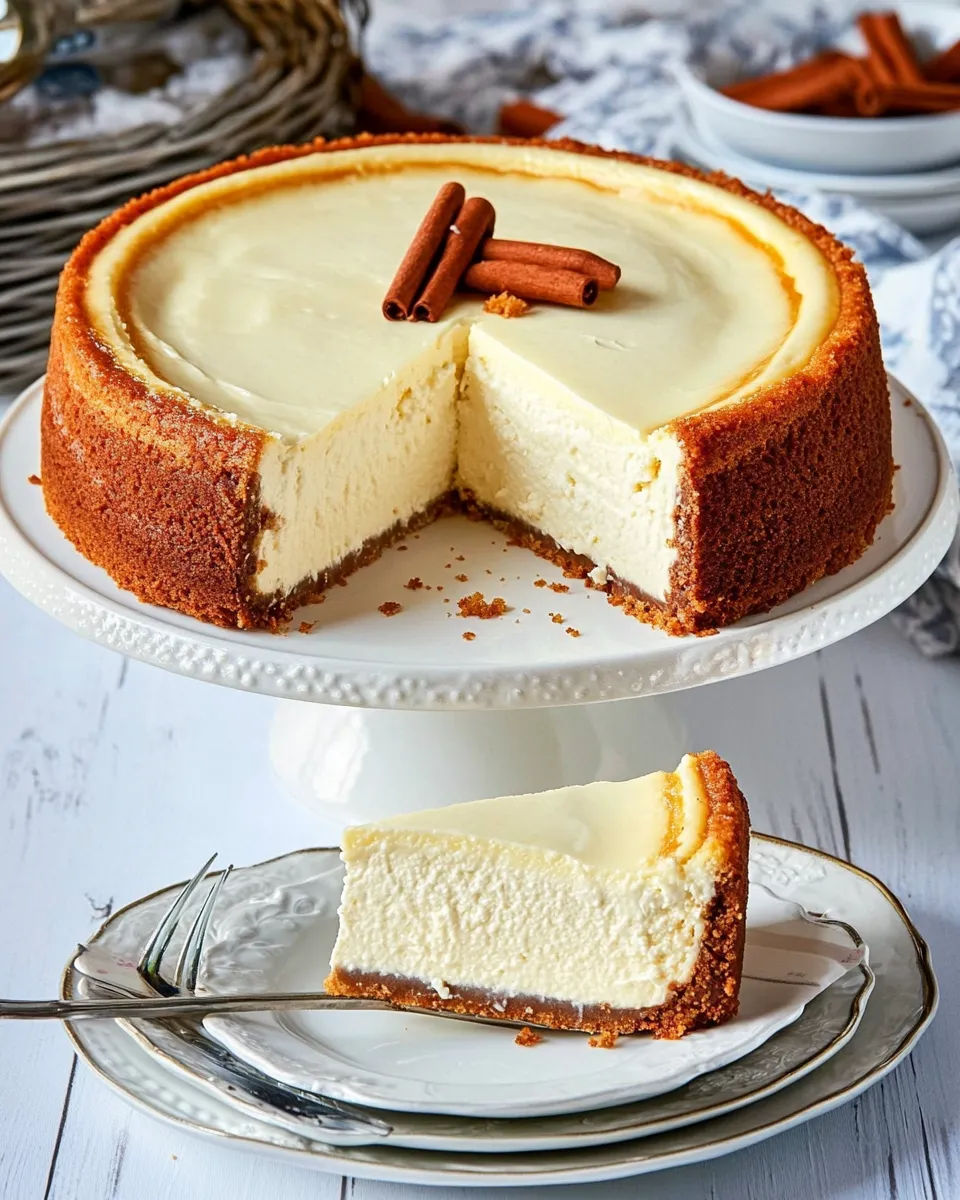
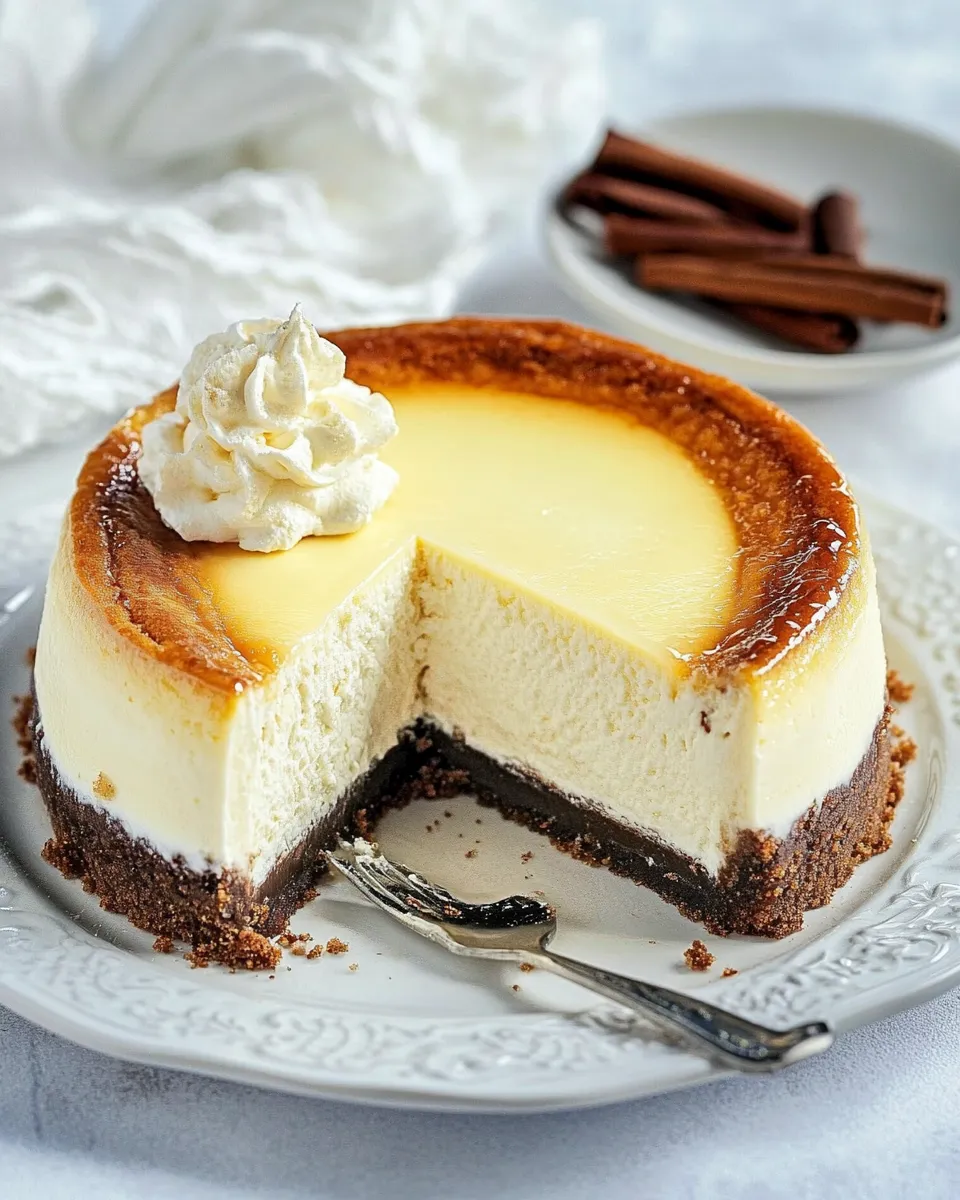
This recipe gives you that dense, creamy texture people expect from a restaurant-style cheesecake. It slices neatly and holds up to toppings—fruit, ganache, or caramel—without collapsing. If you want a dessert that feels special but follows a straightforward method, this is it.
It’s also forgiving in small ways. The slow mixing on low and the gradual addition of sugar and eggs reduce the chance of over-aerating the batter. The chilling time helps the flavors to settle and the texture to firm up, so you get a slice with good mouthfeel and clean edges.
What to Use Instead
Don’t have one nut listed for the crust? Use more of the wafers or another nut you have on hand—the goal is a combined 1 cup of chopped nuts and wafers. If you prefer a simpler crust, crushed graham crackers can replace the wafer-nut mix.
If sour cream isn’t available, full-fat plain Greek yogurt can be used as a substitute for a tangy finish. Be cautious about changing cream cheese; lower-fat versions alter texture noticeably, and non-dairy swaps will give a very different result.
Recommended Tools
- Springform pan (9-inch or similar) — the recipe assumes a pan you can remove the sides from for clean slices.
- Stand mixer or hand mixer with paddle attachment — keeps mixing consistent and gentle.
- Food processor or a sturdy bowl and a wooden spoon — for chopping and combining the crust ingredients.
- Offset spatula or large spoon — to smooth the filling cleanly.
- Oven thermometer — optional, but helpful for verifying your oven is at 325°F.
Errors to Dodge
Overmixing at any stage is the most common issue. Keep the mixer on low as directed. Overbeating introduces air that causes the cheesecake to rise and then crack or sink.
Adding eggs too quickly is another trap. Beat each egg in completely before the next goes in. This maintains a uniform batter and helps the final texture.
Don’t skip the resting time in the oven once baking is done. The gradual cooling period prevents shocks that lead to cracks. And chill for 24 hours—cutting into it early will give you a softer, not-quite-set center.
Seasonal Flavor Boosts
Autumn: Fold in a teaspoon of ground cinnamon to the filling or top with a spiced pumpkin compote.
Winter: Warm a chocolate ganache and drizzle over the top for a richer, holiday-friendly version.
Spring and Summer: Bright fruit toppings work best—a lemon curd, macerated strawberries, or a mixed berry compote provide a fresh counterpoint to the dense filling.
Chef’s Notes
Room temperature ingredients matter here. Cold cream cheese or eggs force you to overmix to get smoothness, which introduces unwanted air.
Keep the mixer on low for every step that calls for it. Low speed gives a smooth, dense batter without whipping it. Scrape the sides occasionally so everything is evenly incorporated.
Crust technique: press the crumb mixture firmly into the pan and up the sides. A compact crust supports the filling and prevents gaps between crust and filling after baking.
Save It for Later
Refrigerate the finished cheesecake, covered, for up to 5 days. Store slices in an airtight container to prevent flavor transfer. For longer storage, you can freeze the whole cheesecake or individual slices. Wrap tightly in plastic wrap and then foil; freeze for up to 1 month. Thaw in the fridge overnight before serving.
Popular Questions
Can I use a water bath? Yes. A water bath can reduce the chance of cracks and promote even baking. If you opt for it, wrap the pan’s outside in foil to prevent leaks and place it in a larger pan with hot water coming halfway up the springform side.
Why did my cheesecake crack? Cracks usually come from too much air in the batter, baking at too high a temperature, or removing the cake from heat too quickly. Mix on low, follow the bake and cool steps exactly, and prop the oven door as instructed.
Can I halve the recipe? You can scale the recipe, but be mindful of pan size and bake time differences. A smaller pan will bake faster; start checking doneness earlier and watch the center for the subtle wobble that indicates doneness.
Before You Go
Follow the method here and plan ahead—the 24-hour chill is not optional if you want those neat, restaurant-style slices. Make sure to let your ingredients come to room temperature, mix gently, and give the cake time to cool slowly.
If you try this, leave a note about what topping you used or how the texture came out. I tweak little things based on occasion—sometimes a lightly salted caramel, sometimes a simple dusting of powdered sugar. Either way, you’ll have a dependable, satisfying cheesecake.
Copycat Cheesecake Factory Original Cheesecake Recipe
Ingredients
Ingredients
- 1/4 cupfinely chopped pecans
- 1/4 cupfinely chopped almonds
- 1/4 cupfinely chopped walnuts
- 3/4 cupfinely chopped vanilla wafers
- 2 tablespoonsmelted butter
- 1 1/2 poundscream cheese
- 1 1/3 cupssugar
- 5 eggs
- 16 ouncessour cream
- 1/4 cupflour
- 2 teaspoonsvanilla
- 2 teaspoonslemon juice
Instructions
Instructions
- Preheat the oven to 325°F. Butter a springform pan.
- In a bowl (or food processor), combine the 1/4 cup finely chopped pecans, 1/4 cup finely chopped almonds, 1/4 cup finely chopped walnuts, 3/4 cup finely chopped vanilla wafers, and 2 tablespoons melted butter. Stir or pulse until the dry ingredients are evenly moistened.
- Press the mixture firmly into the buttered springform pan, spreading it over the bottom and about 1½ inches up the sides. Set the prepared crust aside.
- Fit a mixer with the paddle or beaters and keep it on the low speed for all mixing steps. Add 1 1/2 pounds cream cheese to the mixer bowl and beat on low until light and fluffy.
- With the mixer running on low, add 1 1/3 cups sugar a little at a time and continue beating until the mixture is smooth and creamy. Stop occasionally to scrape the bowl sides as needed.
- Add the 5 eggs one at a time, beating on low and mixing each egg in completely before adding the next. Mix only until each egg is incorporated.
- Add 1/4 cup flour, 2 teaspoons lemon juice, and 2 teaspoons vanilla; mix on low until combined.
- Add 16 ounces sour cream and beat on low until the batter is smooth and evenly combined.
- Pour the cream cheese filling into the prepared crust and smooth the top. Place the pan on the middle oven rack and bake at 325°F for 1 hour and 15 minutes.
- When baking is finished, turn off the oven, prop the oven door open about 1 inch, and let the cheesecake sit in the oven for 1 hour.
- Remove the cheesecake from the oven, allow it to cool until it is safe to handle and not hot, then refrigerate for 24 hours before serving.
Equipment
- Equipment
- 10-inch spring form pan