Sweet Challah Bread
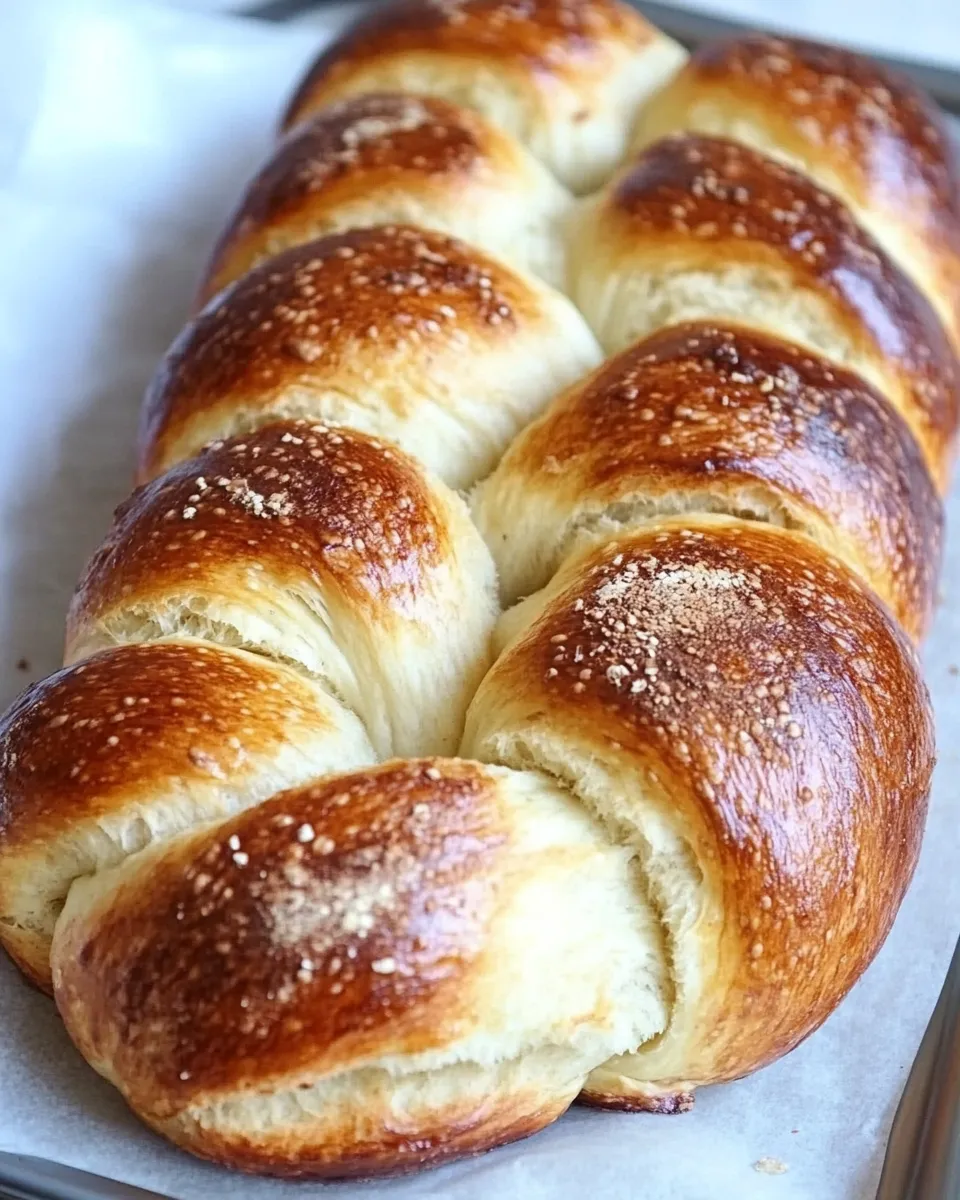
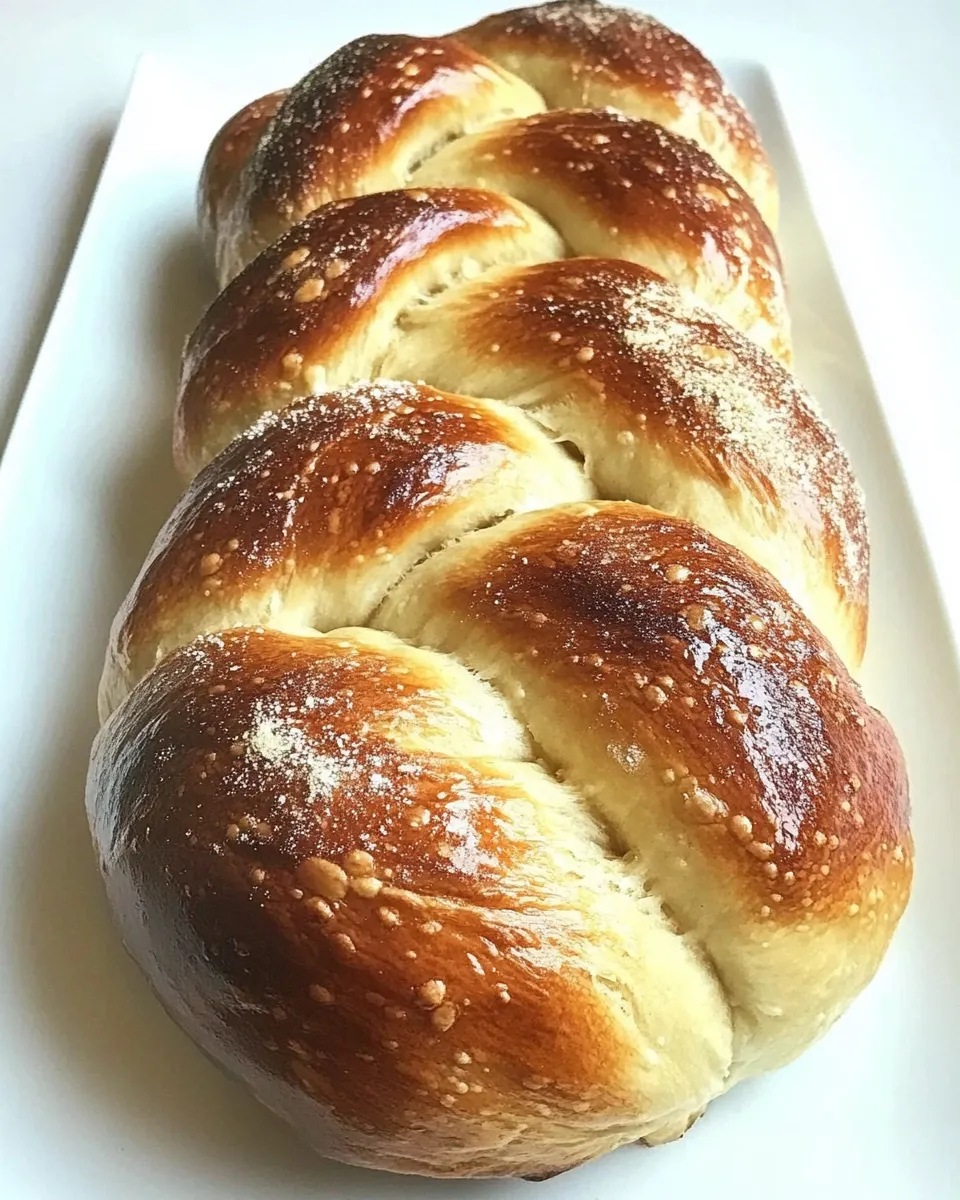
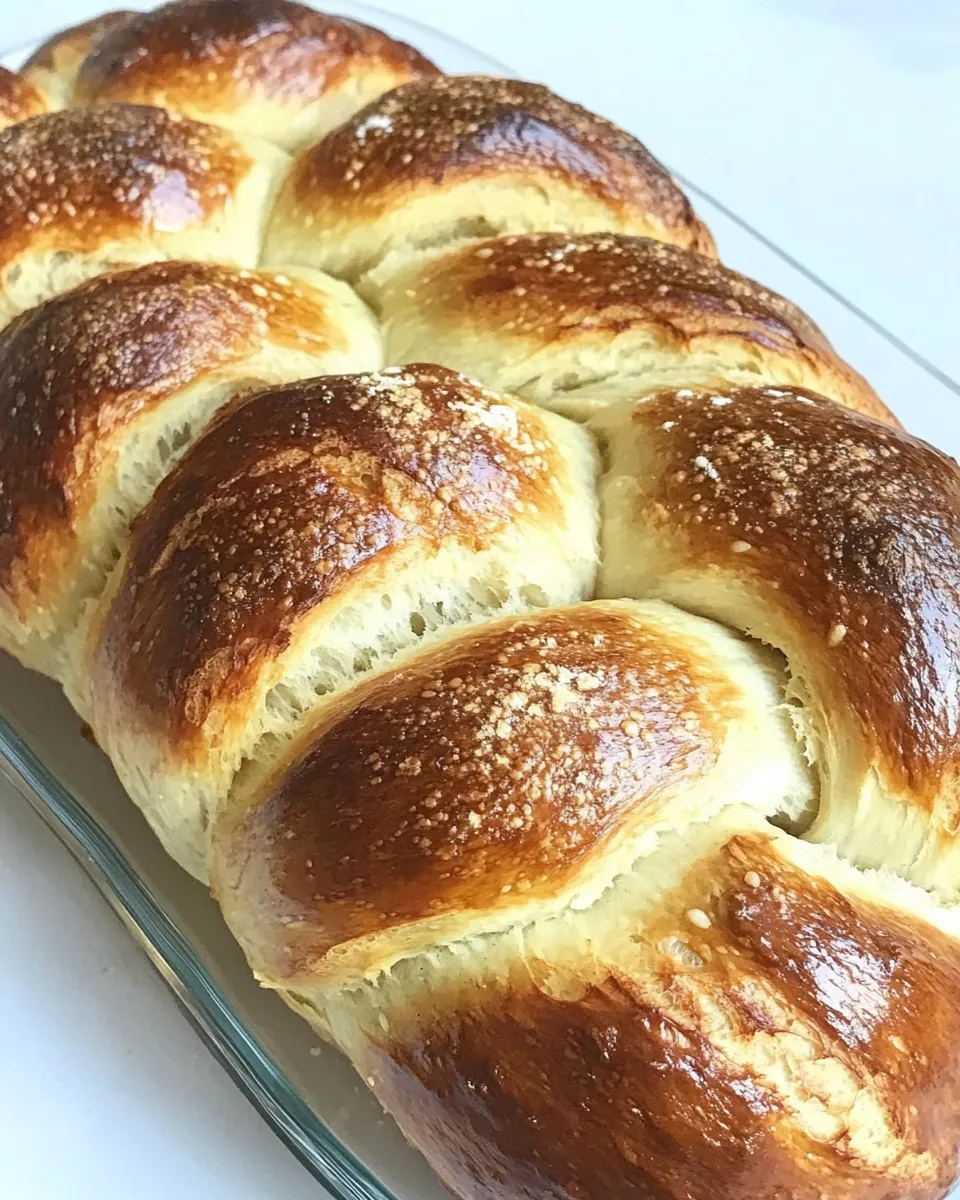
This is a straightforward, reliable challah that comes out soft, slightly sweet, and perfectly braided. The dough is forgiving: a quick yeast proof, a single-handed mixing step, two rises, and a short braid before a glossy egg wash. You get a loaf that’s tender inside with a golden, slightly shiny crust.
I bake this on slow mornings and when I need something that makes toast better by a mile. The method is simple enough to fit into a weekend routine and patient enough to teach someone how to braid. Expect a loaf that slices cleanly and holds jam or savory fillings without falling apart.
Below you’ll find clarifications on the ingredients, a step-by-step method that follows the recipe exactly, troubleshooting tips, equipment you’ll need, and practical serving and storage advice so your loaves stay great for days.
Ingredient Notes

Ingredients
- One 1.25-ounce envelope active dry yeast — the leavener; proof it to confirm it’s active.
- 2 tablespoons granulated white sugar — for proofing the yeast; feeds the yeast so it foams.
- 1½ cups warm water (110 to 115 degrees F.), divided — divided between yeast proofing and dough; warm but not hot to protect yeast.
- 5 cups all purpose flour, divided — 4½ cups added to dough and ½ cup reserved for dusting and adjusting stickiness.
- 2 teaspoons salt — balances sweetness and strengthens the dough structure.
- 2 large eggs, beaten — enrich the dough and add color, texture, and structure.
- 2 tablespoons canola or vegetable oil — tenderizes the crumb and adds moisture.
- ½ cup granulated white sugar — sweetens the dough and gives challah its signature mild sweetness.
- 1 large egg yolk, slightly beaten — used as an egg wash to produce a glossy, deep-golden crust.
- 2 tablespoons poppy seeds, optional — optional finishing touch for texture and mild flavor contrast.
Stepwise Method: Sweet Challah Bread
- In a small bowl combine one 1.25-ounce envelope active dry yeast, 2 tablespoons granulated sugar, and 1/4 cup warm water (110–115°F). Stir gently and let stand 5 minutes, until foamy.
- Sift 4 1/2 cups all-purpose flour and 2 teaspoons salt into a large mixing bowl. Make a well in the center of the flour.
- Beat the 2 large eggs. Add the beaten eggs, 2 tablespoons canola or vegetable oil, the remaining 1 1/4 cups warm water, 1/2 cup granulated sugar, and the yeast mixture into the well. Mix with your hands or a spatula until the liquids are incorporated and a shaggy dough forms.
- Reserve the remaining 1/2 cup flour for dusting. Turn the dough onto a floured board or silicone mat and knead 5 to 8 minutes, adding small pinches of the reserved flour only if the dough is too sticky, until the dough is smooth and elastic.
- Lightly oil a clean mixing bowl. Place the kneaded dough in the bowl and turn it once so the top is lightly coated with oil.
- Cover the bowl loosely with a clean dishtowel and let the dough rise in a warm place for about 1 hour, or until it has noticeably increased in size.
- Punch down the dough to release the gas, then cover and let it rise again until doubled in bulk, about 45–60 minutes.
- Turn the dough out onto the floured board. Divide the dough into 3 equal pieces to make one large loaf, or into 6 equal pieces to make two smaller loaves.
- Flour your hands and roll each piece into a rope of equal length. For each loaf, braid three ropes together and pinch the ends to seal. Place the braided loaf(s) on a greased cookie sheet.
- Cover the braided loaf(s) loosely and let rise in a warm place until doubled in size, about 30–45 minutes. Preheat the oven to 375°F while the loaves are finishing this rise.
- Brush the risen loaves with the slightly beaten large egg yolk. If desired, sprinkle 2 tablespoons poppy seeds over the top.
- Bake at 375°F for 38 to 45 minutes, or until the loaves are deep golden brown. Remove from the oven and cool on a wire rack before slicing.
Why This Recipe Belongs in Your Rotation
This challah is dependable. The formula balances sugar and fat for a tender crumb without making the dough sticky or fragile. It produces a loaf with a soft interior and a durable crust that holds up to slicing, toasting, and light assembly for sandwiches.
The steps are straightforward, making it a good introduction to enriched doughs and braiding. Two rises give you time to get other things done and develop flavor. It also rewards small hands that want to help roll and braid—great for family baking sessions.
Finally, the loaf keeps well. Brought back to life with a quick toast or brief reheat, this bread stretches across several meals, which makes it worth the time investment.
Ingredient Flex Options
- Oil choice — the recipe lists canola or vegetable oil; use either as written.
- Loaf size — divide the dough into 3 ropes for one large loaf or 6 ropes to make two smaller loaves, per the method.
- Topping — the recipe includes an optional 2 tablespoons poppy seeds; use them or leave the loaves plain.
Tools & Equipment Needed
- Small bowl — for proofing the yeast and sugar.
- Large mixing bowl — for combining flour and shaping the dough.
- Sifter or fine mesh — to sift 4½ cups flour and salt (sifting is in the method).
- Spatula or hands — the method allows either for mixing into a shaggy dough.
- Floured board or silicone mat — for kneading and rolling ropes.
- Clean mixing bowl and a little oil — to proof the dough between rises.
- Clean dishtowel — to cover dough during rises.
- Greased cookie sheet — to bake the braided loaf(s).
- Pastry brush — to apply the slightly beaten egg yolk for a glossy crust.
- Wire rack — to cool loaves before slicing.
- Oven capable of 375°F — consistent baking temperature is important for color and crumb.
Common Errors (and Fixes)
- Yeast doesn’t foam — water temperature was likely too hot or too cool. Use water between 110–115°F. If the mixture doesn’t foam in 5–10 minutes, start over with fresh yeast.
- Dough too sticky after kneading — resist adding a lot of flour. Use the reserved 1/2 cup flour in very small pinches while kneading until the dough is smooth and elastic.
- Dough doesn’t rise — check your proofing environment. Place the bowl in a slightly warm (not hot), draft-free spot. Oven with just the light on often works well.
- Dense loaf — usually under-kneading or not allowing full rises. Knead 5–8 minutes as directed and allow both rises to reach the indicated volume changes.
- Top browns too quickly — loosely tent with foil for the last part of baking, checking doneness at the end of the time window.
Seasonal Twists
Play with presentation to match the season while keeping the recipe intact. Form smaller individual braids for spring brunches or longer, flatter braids to make stuffing-free sandwich loaves for summer picnics. For holidays, make two smaller loaves and gift-wrap one while leaving the other for the table. The optional poppy seeds add a pleasing look that reads festive year-round.
Cook’s Notes
Measure flour by spooning it into the measuring cup and leveling it off, or weigh if you prefer precision. Keep the water temperature in the 110–115°F range when proofing yeast; warmer water can kill it. When you mix the wet into the well of flour, work until a shaggy dough forms—don’t try to get a perfectly smooth ball right away. The 5–8 minute knead develops gluten; stop when the dough feels springy and holds its shape.
Turn the dough into a lightly oiled bowl to rise; oiling the top helps prevent drying. After the first rise and punch-down, allow the second rise to double — that second fermentation is where the loaf gains its interior lightness. Brush with the slightly beaten yolk right before baking and add poppy seeds if you like the look and crunch.
Keep-It-Fresh Plan
Cool the loaf completely on a wire rack before storing. At room temperature keep it wrapped in a clean kitchen towel or in a breathable paper bag for 1–2 days; place in a plastic bag if you prefer softer crust for up to 3 days. For longer storage, freeze a whole loaf or slices in airtight freezer bags for up to 3 months. Thaw overnight at room temperature or toast slices directly from frozen.
Questions People Ask
- Can I use instant yeast? — Yes. If you choose instant yeast, you can usually skip the separate proof step and add the yeast directly to the dry ingredients; follow package guidance. You may still want to check that the dough rises as expected.
- Why two rises? — Two rises develop flavor and a lighter crumb. The first rise builds bulk and gas; punching down relaxes the gluten and redistributes yeast activity for a more even second rise.
- How do I know it’s done? — The loaves should be deep golden brown and sound hollow when tapped on the bottom. Internal temperature for enriched breads often lands around 190–200°F, but color and sound are reliable here.
- Can I shape differently? — Yes. The method calls for three-strand braids, but you can also divide into different portions as the recipe directs (three for one large loaf or six for two smaller loaves).
Bring It to the Table
Serve slices warm or at room temperature. This challah shines simply with butter or jam, as the base of indulgent French toast, or as a sturdy sandwich bread for folded fillings. For gatherings, slice and arrange on a platter with small bowls of butter, preserves, and salted ricotta or cream cheese. It’s both pretty and practical: impressive to bring out and easy to eat.
Make it the centerpiece of a slow weekend breakfast, or bake a loaf to give as a homemade gift. Either way, the method here gives you a dependable, delicious challah every time.
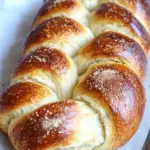
Sweet Challah Bread
Ingredients
Ingredients
- One.25 ounce envelopeactive dry yeast
- 2 tablespoonsgranulated white sugar
- 1 1/2 cupswarm water 110 to 115 degrees F., divided
- 5 cupsall purpose flour divided
- 2 teaspoonssalt
- 2 largeeggs beaten
- 2 tablespoonscanola or vegetable oil
- 1/2 cupgranulated white sugar
- 1 largeegg yolk slightly beaten
- 2 tablespoonspoppy seeds optional
Instructions
Instructions
- In a small bowl combine one 1.25-ounce envelope active dry yeast, 2 tablespoons granulated sugar, and 1/4 cup warm water (110–115°F). Stir gently and let stand 5 minutes, until foamy.
- Sift 4 1/2 cups all-purpose flour and 2 teaspoons salt into a large mixing bowl. Make a well in the center of the flour.
- Beat the 2 large eggs. Add the beaten eggs, 2 tablespoons canola or vegetable oil, the remaining 1 1/4 cups warm water, 1/2 cup granulated sugar, and the yeast mixture into the well. Mix with your hands or a spatula until the liquids are incorporated and a shaggy dough forms.
- Reserve the remaining 1/2 cup flour for dusting. Turn the dough onto a floured board or silicone mat and knead 5 to 8 minutes, adding small pinches of the reserved flour only if the dough is too sticky, until the dough is smooth and elastic.
- Lightly oil a clean mixing bowl. Place the kneaded dough in the bowl and turn it once so the top is lightly coated with oil.
- Cover the bowl loosely with a clean dishtowel and let the dough rise in a warm place for about 1 hour, or until it has noticeably increased in size.
- Punch down the dough to release the gas, then cover and let it rise again until doubled in bulk, about 45–60 minutes.
- Turn the dough out onto the floured board. Divide the dough into 3 equal pieces to make one large loaf, or into 6 equal pieces to make two smaller loaves.
- Flour your hands and roll each piece into a rope of equal length. For each loaf, braid three ropes together and pinch the ends to seal. Place the braided loaf(s) on a greased cookie sheet.
- Cover the braided loaf(s) loosely and let rise in a warm place until doubled in size, about 30–45 minutes. Preheat the oven to 375°F while the loaves are finishing this rise.
- Brush the risen loaves with the slightly beaten large egg yolk. If desired, sprinkle 2 tablespoons poppy seeds over the top.
- Bake at 375°F for 38 to 45 minutes, or until the loaves are deep golden brown. Remove from the oven and cool on a wire rack before slicing.
Notes
Leftover challah bread makes great French toast!