Best Buttermilk Pancakes
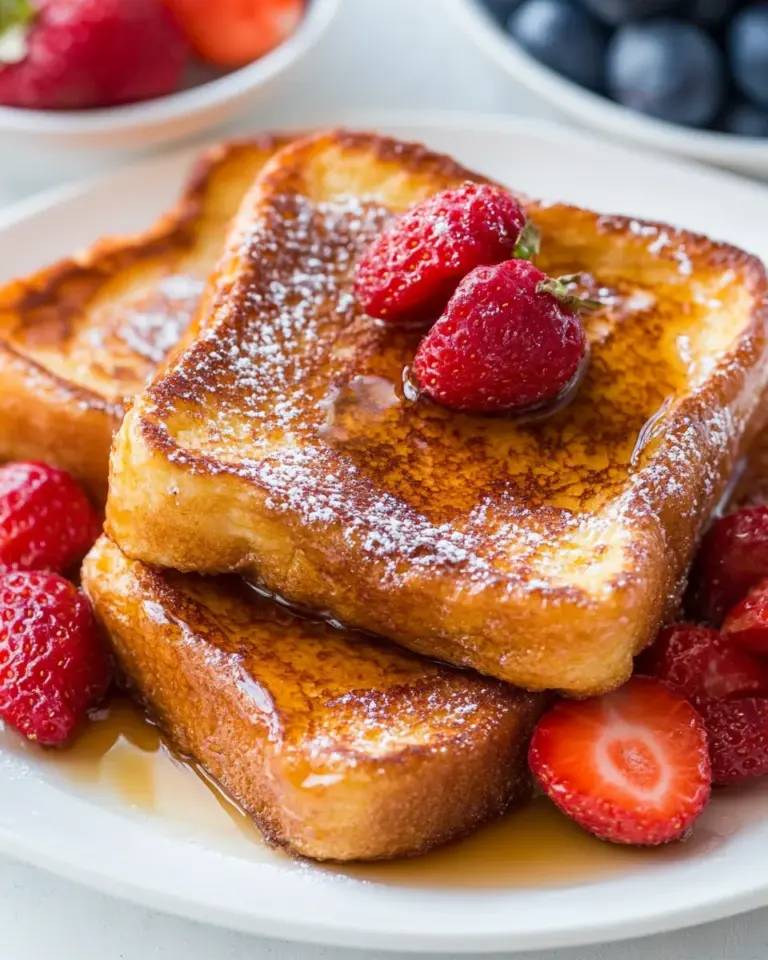
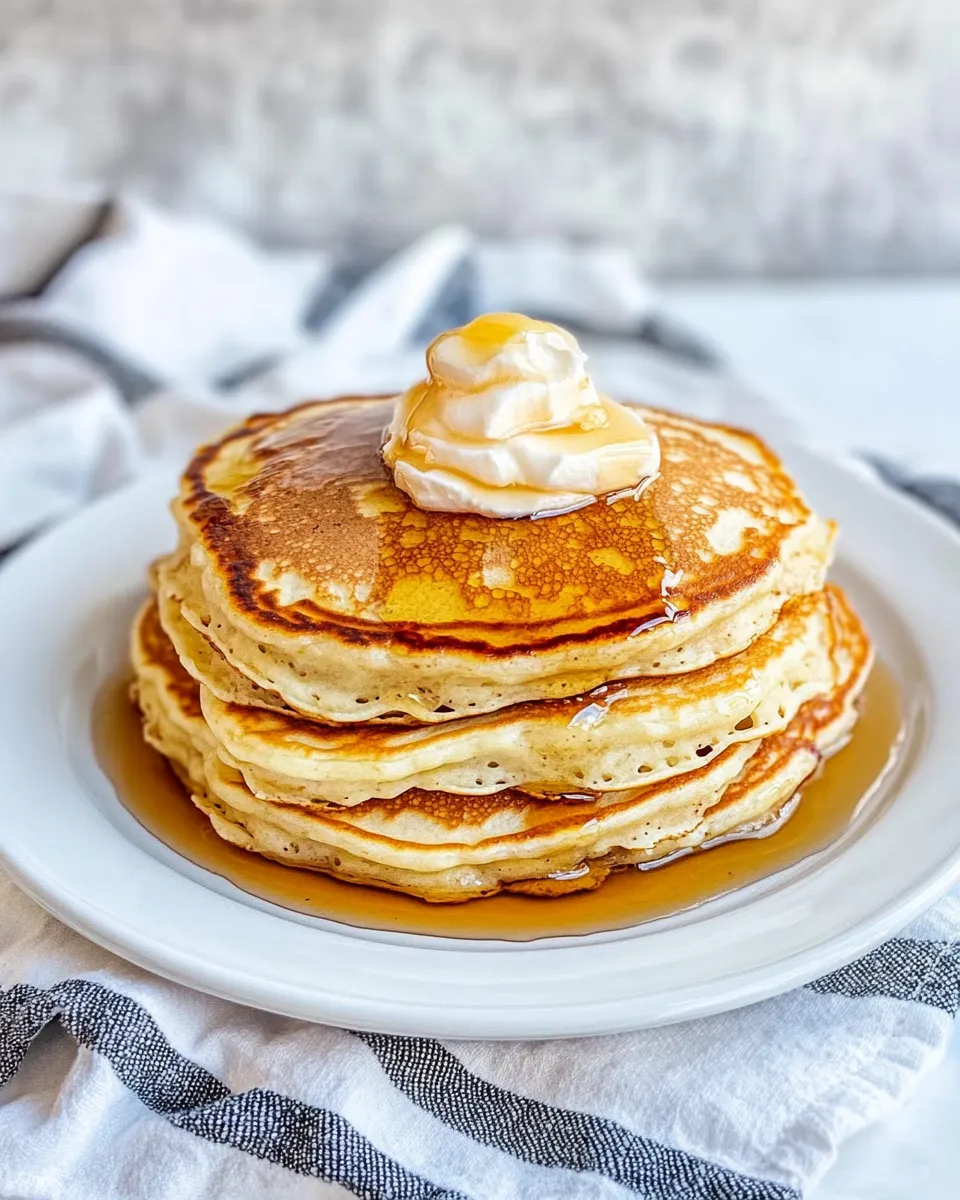
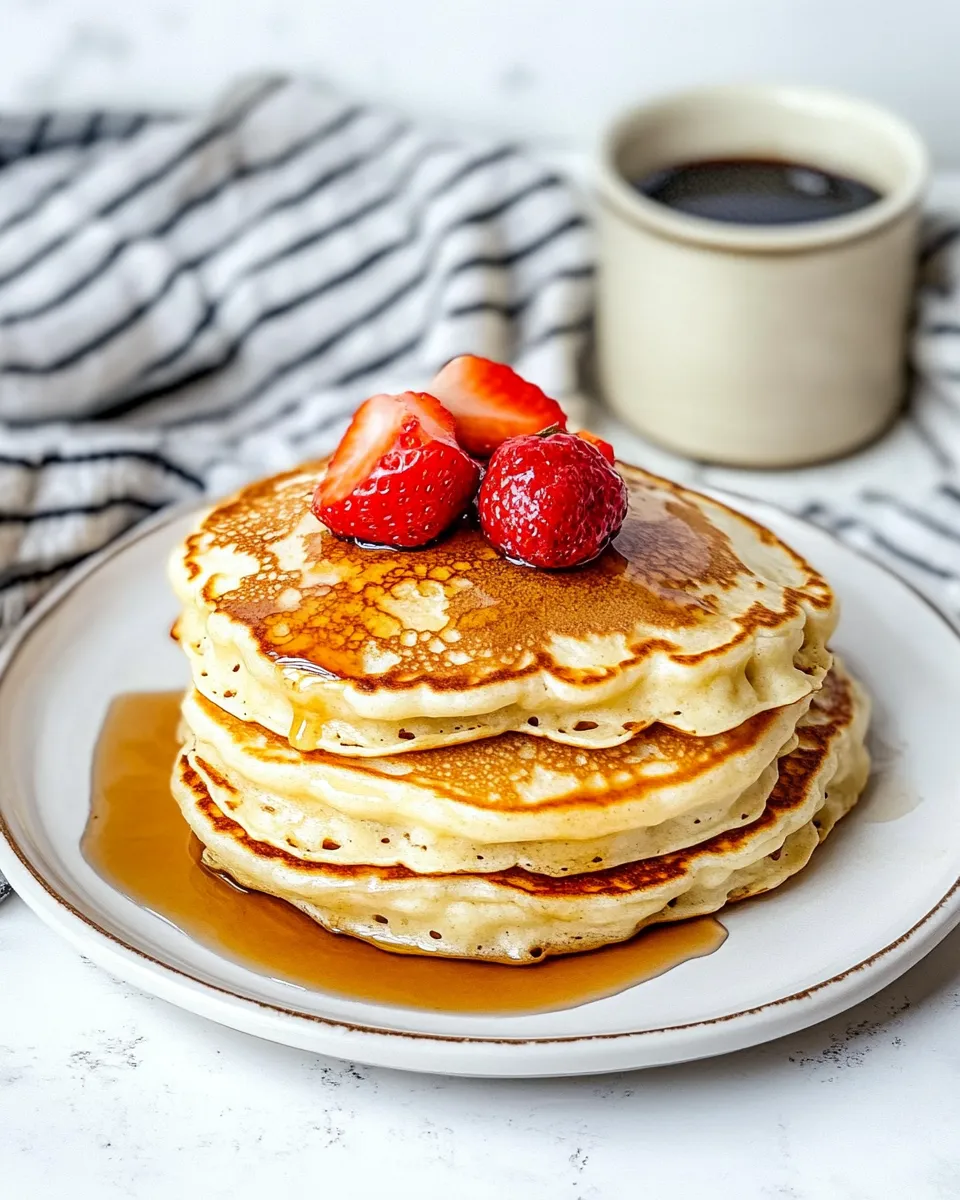
I love a recipe that reliably delivers soft, tall pancakes without fuss. This buttermilk pancake recipe is exactly that: simple ingredients, straightforward steps, and a griddle temperature that does most of the work. I reach for it on slow weekend mornings and when guests drop by unexpectedly. It never disappoints.
There’s no need for special equipment beyond an electric griddle and a few bowls. The formula pairs three cups of buttermilk with a sturdy amount of flour and a mix of baking powder and baking soda to get lift, while melted butter and eggs add flavor and structure. The result: pancakes with tender interiors and golden edges.
Below I walk you through the exact ingredients and the step-by-step directions I follow every time. I’ll also explain why each choice matters, offer safe swaps, and share troubleshooting tips so you can perfect your batch consistently.
Gather These Ingredients

- 2 1/2 cups all-purpose flour — the bulk of the structure; use a spoon-and-level measuring technique for accuracy.
- 2 tablespoons granulated sugar — adds a touch of sweetness and helps with browning.
- 4 teaspoons baking powder — primary leavening to create lift and fluff.
- 1 teaspoon baking soda — reacts with buttermilk’s acidity to add extra rise and a light crumb.
- 3/4 teaspoon fine sea salt — balances sweetness and enhances overall flavor.
- 3 cups buttermilk, at room temperature — acidity for tender crumb and flavor; room temperature prevents chilling the batter.
- 1/4 cup unsalted butter, melted and cooled to room temperature — adds richness and helps the pancakes brown evenly.
- 2 large eggs, at room temperature, slightly beaten — binders that add structure and a silkier texture.
- 1 teaspoon pure vanilla extract — gentle aromatic note that complements the batter.
- Additional butter for cooking pancakes — for greasing the griddle; a thin layer prevents sticking and enhances flavor.
- Pure maple syrup and butter, for serving, if desired — finishing touches that amplify the pancake experience.
Build Buttermilk Pancakes Step by Step
- Preheat an electric griddle to 375°F.
- In a large bowl, whisk together the 2 1/2 cups all-purpose flour, 2 tablespoons granulated sugar, 4 teaspoons baking powder, 1 teaspoon baking soda, and 3/4 teaspoon fine sea salt.
- In a medium bowl, whisk the 3 cups buttermilk (room temperature), 1/4 cup melted and cooled unsalted butter, 2 large eggs (slightly beaten), and 1 teaspoon pure vanilla extract until combined.
- Pour the liquid mixture into the dry ingredients and whisk gently until just combined. Do not overmix—the batter should be somewhat lumpy.
- Let the batter rest for 10 minutes while the griddle finishes heating.
- Grease the hot griddle with a thin layer of the additional butter.
- Pour about 1/2 cup of batter onto the griddle for each pancake, leaving space between pancakes.
- Cook until bubbles form on the surface and the edges look set, about 3 minutes.
- Flip each pancake and cook until golden brown and cooked through, about 2 to 3 minutes more.
- Continue cooking the remaining batter, adding more butter to the griddle as needed.
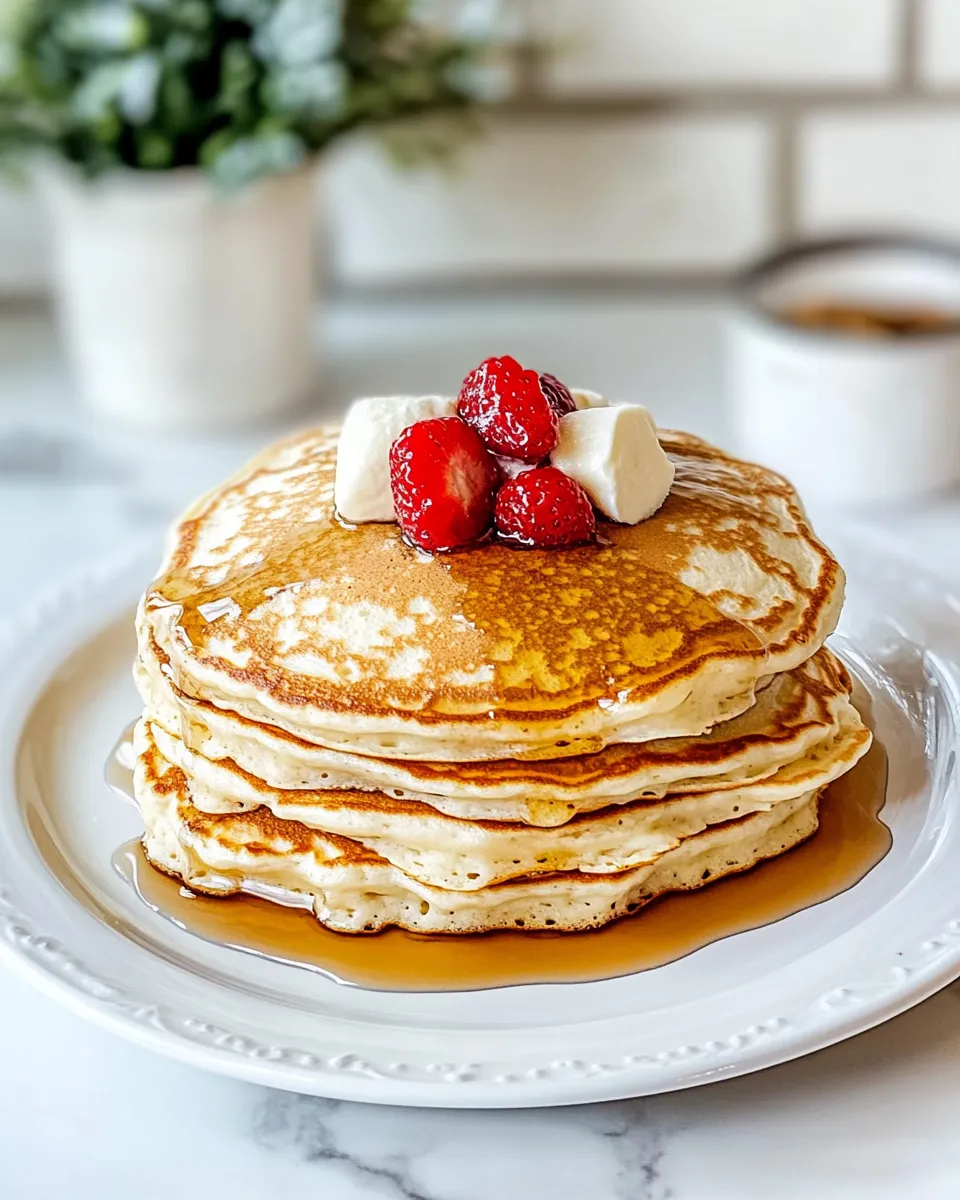
- Serve the pancakes immediately with butter and pure maple syrup, if desired.
Why It Works Every Time
This recipe is built around predictable chemistry and sensible technique. The combination of baking powder and baking soda gives two forms of lift: baking powder provides steady rise while baking soda reacts with the acidity in buttermilk for an immediate lift and tender crumb. The ratio of three cups of buttermilk to 2 1/2 cups of flour makes a thick but pourable batter that yields tall pancakes rather than flat crepes.
Room-temperature ingredients matter. Cold eggs or butter can cool the batter and slow the rise on the griddle, so letting elements warm slightly helps set the interior while the exterior browns. The brief 10-minute rest hydrates the flour and allows the leavening agents to start working, so you get consistent texture without extra mixing.
Finally, the griddle temperature—375°F—is chosen to brown the pancakes without burning them. At this heat, the surface sets and bubbles form predictably, giving you a clear cue to flip: when bubbles appear and the edges look set, the underside will be nicely caramelized and the interior nearly cooked through.
What to Use Instead
- Buttermilk — cultured buttermilk is ideal. If you don’t have it, plain yogurt thinned to a pourable consistency will work in a pinch.
- Unsalted butter — if you only have salted butter, use it but taste the batter (or reduce added salt slightly) to keep the balance right.
- All-purpose flour — whole-wheat pastry flour or a blend formulated for pancakes can be used for a nuttier flavor; expect a slightly denser result.
- Eggs — eggs give structure and richness; for specialized diets, use a commercial egg replacer designed for baking (follow the product instructions).
- Sugar — granulated sugar drives browning; you can use a light brown sugar for a deeper caramel note if preferred.
What’s in the Gear List
- Electric griddle — gives even heat and consistent temperature across a wide cooking surface.
- Large mixing bowl — for whisking dry ingredients and combining with liquids.
- Medium bowl — for mixing the wet ingredients separately.
- Whisk — quick and effective for combining dry and wet components without overworking the batter.
- Measuring cups and spoons — accurate measurements keep the batter’s texture reliable.
- 1/2-cup measure or ladle — handy for consistent pancake size.
- Spatula — a wide, thin spatula makes flipping clean and easy.
- Pastry brush or paper towel — to grease the griddle with a thin layer of butter.
- Serving platter and warming oven (optional) — keep finished pancakes warm at low oven temperature if cooking in batches.
Problems & Prevention
- Pancakes are flat — likely causes: overmixed batter (develops gluten), expired leavening agents, or a griddle that’s too cool. Mix gently, check dates on baking powder/soda, and confirm the griddle is at 375°F before pouring.
- Raw center after flipping — batter was either too thick or flipped too early. Wait for the surface bubbles and set edges before flipping; use the 2–3 minute guideline on the second side.
- Burnt underside, pale top — griddle is too hot. Lower the temperature slightly and allow the griddle to stabilize. Use a thin coating of butter rather than excess to reduce smoking.
- Sticking to the griddle — not enough butter or a griddle that isn’t fully preheated. Grease between batches as needed and wipe excess browned bits off the griddle surface.
- Tough or chewy texture — overmixing or packing batter when scooping. Stir just until combined and pour rather than patting pancakes down.
Customize for Your Needs
These pancakes are a forgiving base for personalization. Fold fresh berries, chocolate chips, or a pinch of cinnamon directly into the batter for different flavor profiles. For a citrus lift, add a little lemon or orange zest to the wet ingredients. To make mini pancakes, use a smaller portion scoop and reduce cooking time by roughly a minute per side.
If you want a richer finish, brown the additional butter briefly before greasing the griddle; it adds a toasty, nutty aroma. For a lighter option, use a neutral oil for greasing instead of butter, which reduces the buttery finish but still prevents sticking.
Cook’s Notes
Use the 1/2-cup scoop for consistent pancakes; they’ll be tall and tender. Let the batter rest the full 10 minutes—this step is small but meaningful. If you’re cooking multiple batches, wipe the griddle lightly between rounds so browned residue doesn’t affect the next ones.
If the batter thickens a lot while resting, give it a gentle stir; avoid vigorous whisking. Keep cooked pancakes warm on a baking sheet in a low oven while you finish the batch, but don’t stack them tightly or they’ll steam and lose crisp edges.
Best Ways to Store
- Short-term (refrigerator) — cool pancakes completely before stacking in an airtight container; they will keep for up to 3 days.
- Long-term (freezer) — freeze cooled pancakes in a single layer on a tray, then transfer to a freezer bag with parchment layers between them; they keep well for up to 2 months.
- Reheating — reheat gently in a toaster or under a low oven until warmed through. For a quick fix, a microwave works but will soften edges; finish in a hot, dry skillet for a minute to restore some texture.
Your Questions, Answered
- Can I make the batter ahead of time? You can mix the batter and refrigerate briefly, but for best rise and texture use it within a few hours. Give it a gentle stir before cooking.
- Why do my pancakes come out uneven in color? Uneven heat on the cooking surface or leftover residue can cause patchy browning. Wipe and re-butter the griddle occasionally and verify the temperature is steady.
- Is an electric griddle essential? It’s not essential but it makes batch cooking easier because the surface stays consistently heated. A heavy skillet or cast-iron pan also works if it holds a steady medium heat.
- Can I reduce the sugar? Yes. These pancakes are not overly sweet, so you can cut the sugar slightly if you prefer a less sweet base.
Bring It Home
These buttermilk pancakes are my go-to when I want something straightforward and reliably delicious. The recipe’s balance of buttermilk, flour, and leavening gives a tender interior and a perfectly golden exterior. Follow the steps, mind the griddle temperature, and treat the batter gently—those small choices make all the difference.
Make a weekend ritual of it: a hot griddle, fresh butter, and a bottle of good maple syrup. Serve immediately and watch the smiles. If you try this recipe, tell me how you like to customize it—I’m always experimenting with add-ins and texture tweaks in my kitchen.
Best Buttermilk Pancakes
Ingredients
Ingredients
- 2 1/2 cupsall-purpose flour
- 2 tablespoonsgranulated sugar
- 4 teaspoonsbaking powder
- 1 teaspoonbaking soda
- 3/4 teaspoonfine sea salt
- 3 cupsbuttermilk at room temperature
- 1/4 cupunsalted butter melted and cooled to room temperature
- 2 large eggs at room temperature, slightly beaten
- 1 teaspoonpure vanilla extract
- Additional butter for cooking pancakes
- Pure maple syrup and butter for serving, if desired
Instructions
Instructions
- Preheat an electric griddle to 375°F.
- In a large bowl, whisk together the 2 1/2 cups all-purpose flour, 2 tablespoons granulated sugar, 4 teaspoons baking powder, 1 teaspoon baking soda, and 3/4 teaspoon fine sea salt.
- In a medium bowl, whisk the 3 cups buttermilk (room temperature), 1/4 cup melted and cooled unsalted butter, 2 large eggs (slightly beaten), and 1 teaspoon pure vanilla extract until combined.
- Pour the liquid mixture into the dry ingredients and whisk gently until just combined. Do not overmix—the batter should be somewhat lumpy.
- Let the batter rest for 10 minutes while the griddle finishes heating.
- Grease the hot griddle with a thin layer of the additional butter.
- Pour about 1/2 cup of batter onto the griddle for each pancake, leaving space between pancakes.
- Cook until bubbles form on the surface and the edges look set, about 3 minutes.
- Flip each pancake and cook until golden brown and cooked through, about 2 to 3 minutes more.
- Continue cooking the remaining batter, adding more butter to the griddle as needed.
- Serve the pancakes immediately with butter and pure maple syrup, if desired.
Equipment
- electric griddle
- Large Bowl
- Medium Bowl
- Whisk
- Spatula
- Measuring Cups
- Measuring Spoons
Notes
If you don’t have a griddle, you can cook the pancakes on the stove in a skillet.
To keep pancakes warm, put pancakes on a large baking sheet in a single layer and put in a 200 °F until ready to eat.
Pancakes will keep wrapped in the fridge for up to 5 days. To freeze, wrap cooled pancakes with plastic wrap and put in a freezer bag. Freeze for up to 1 month.