The Best Thai Peanut Sauce Recipe
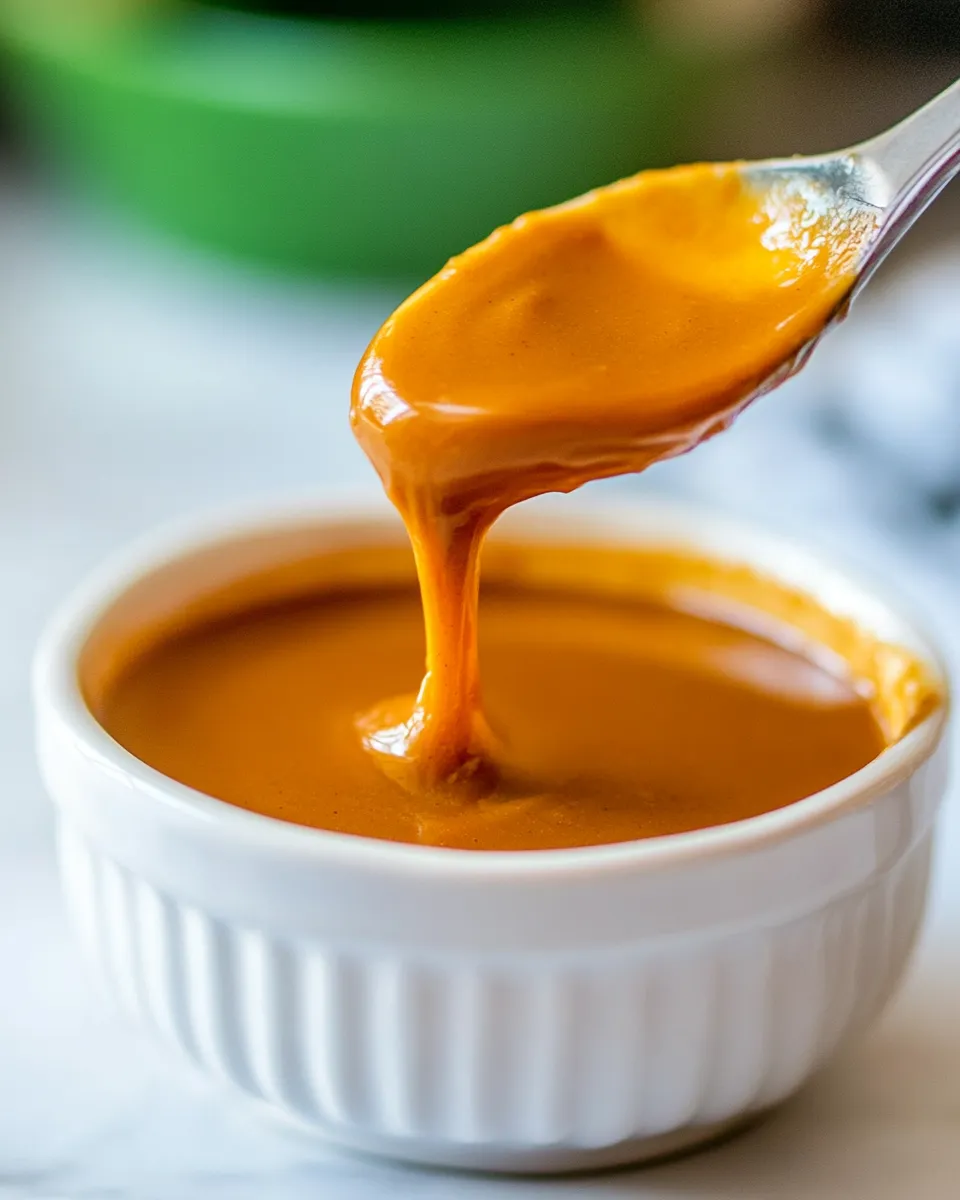
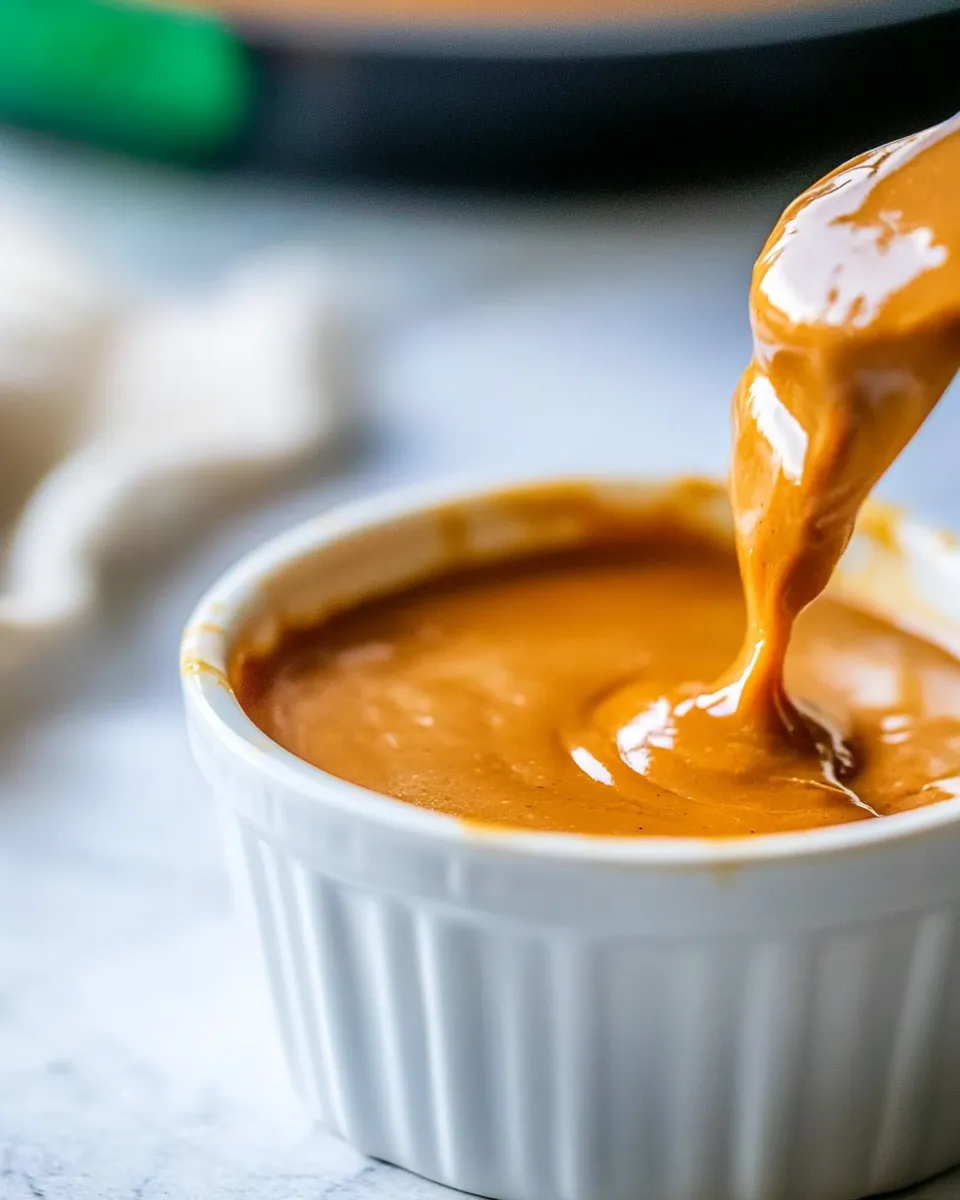
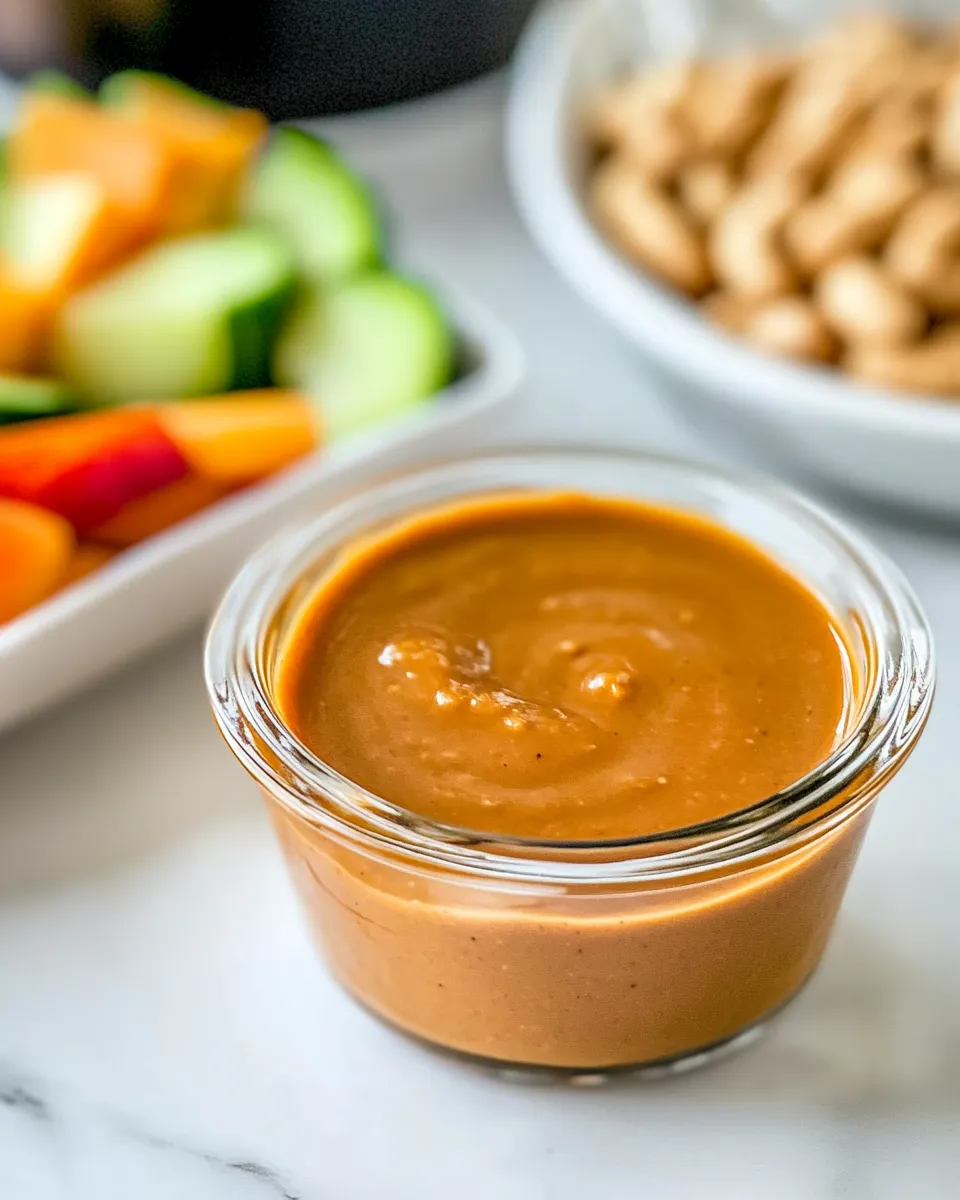
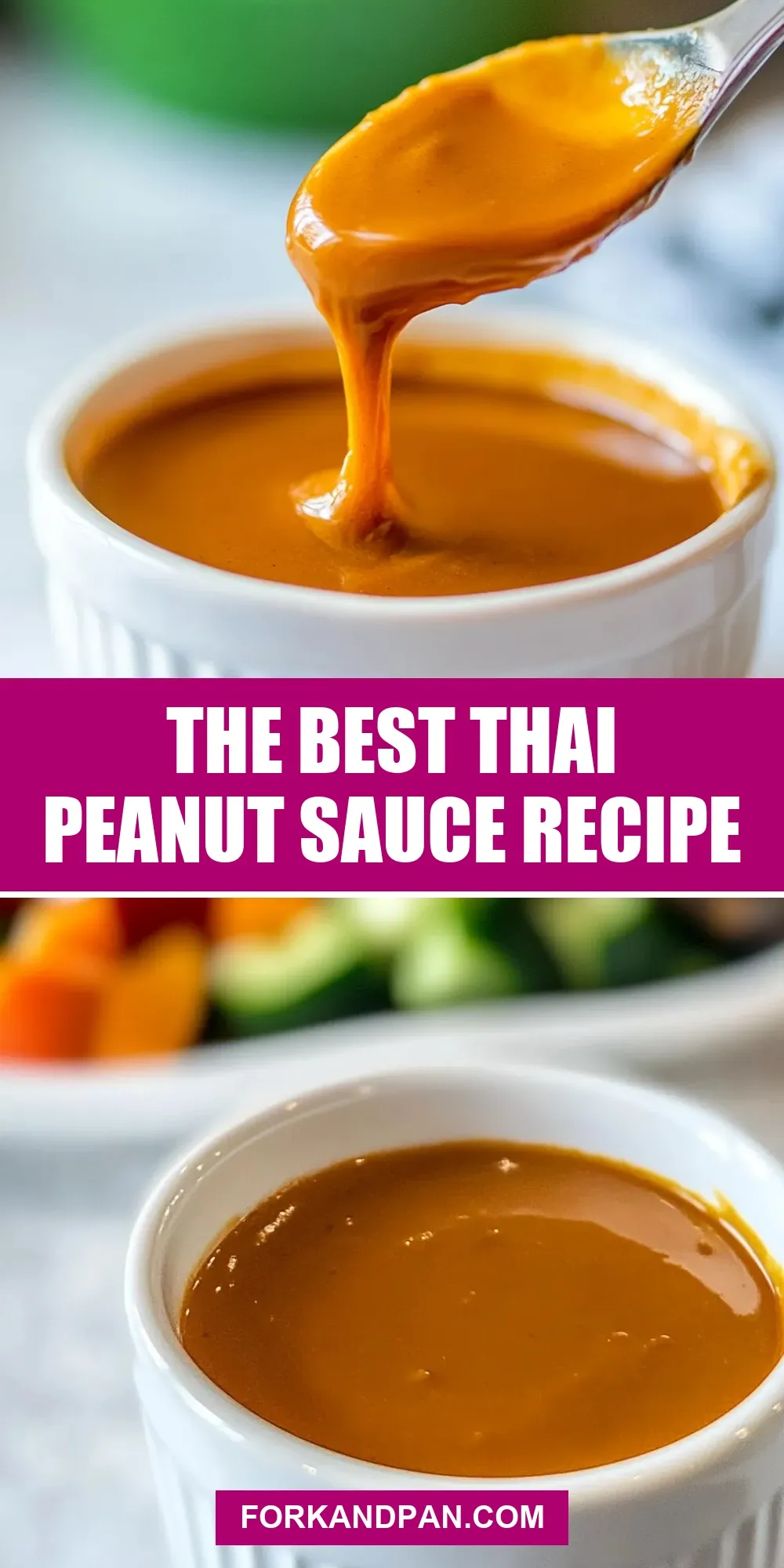
I fell for this Thai peanut sauce the first time I whisked it together on a rainy weeknight. It’s one of those sauces that turns plain grilled chicken, steamed vegetables, or a simple noodle bowl into something comforting and bright. The texture is rich and silky; the flavor balances salty, sweet, tangy, and spicy in a way that feels effortless.
This recipe is straightforward and forgiving. It uses pantry staples, comes together in one bowl, and you control the consistency with warm water — thicker for dipping, thinner for drizzling. I’ll walk you through the exact measurements and the small tricks that keep it smooth and stable.
Make it this evening for satay, use it as a salad dressing tomorrow, or keep a jar in the fridge for snacks all week. It’s versatile, reliably delicious, and a must-have for anyone who likes bold, nut-forward sauces with a little kick.
Ingredient Checklist

- 1/2 cup peanut butter, natural, unsweetened — provides the creamy, nutty base; choose smooth for a silky sauce.
- 2 tablespoons low-sodium soy sauce — adds savory saltiness; swap for tamari or coconut aminos for gluten-free.
- 1 tablespoon rice vinegar — brings bright acidity to balance the richness.
- 2 tablespoons brown sugar — rounds the flavors with gentle sweetness and a hint of molasses.
- 2 teaspoons chili garlic sauce — supplies heat and garlicky depth; add more or less to taste.
- 1 tablespoon fresh lime juice — fresh citrus lift; don’t use bottled if you can help it.
- 3 garlic cloves — pressed or grated for immediate, even flavor distribution.
- 1 tablespoon ginger root — grated to introduce warm, aromatic spice and a little bite.
- 2–4 tablespoons warm water — used to thin the sauce to your desired consistency; add gradually.
The Method for Thai Peanut Sauce Recipe
- Measure and prep the aromatics: press or grate the 3 garlic cloves and grate the 1 tablespoon ginger root.
- In a medium bowl add 1/2 cup natural unsweetened peanut butter, 2 tablespoons low-sodium soy sauce (or tamari/coconut aminos for gluten-free), 1 tablespoon rice vinegar, 2 tablespoons brown sugar, 2 teaspoons chili garlic sauce, 1 tablespoon fresh lime juice, the pressed garlic, and the grated ginger.
- Whisk all those ingredients together vigorously until the mixture is smooth and uniform, using a spatula to scrape down the sides of the bowl as needed.
- With the mixture smooth, add warm water 1 tablespoon at a time, whisking after each addition, until you reach your desired consistency. Typical amounts: about 2 tablespoons for a thicker dipping sauce, up to 4 tablespoons if you want a pourable dressing.
- Taste and adjust heat by adding more or less chili garlic sauce as desired; whisk again to combine.
- Use immediately or transfer to a container and refrigerate until needed.
What You’ll Love About This Recipe
It’s fast. From prep to finish, you can have a smooth peanut sauce in ten minutes or less. No cooking, no special equipment, and the whisking gives you a glossy result every time.
It’s flexible. The texture is yours to control: thick for dipping fresh vegetables or satay, thinner for noodle bowls and salads. The heat level adjusts without changing the core balance.
It’s pantry-friendly. Most of the ingredients are staples — peanut butter, soy, sugar, vinegar — so you can pull this together when dinner plans change or guests arrive unexpectedly.
Allergy-Friendly Substitutes
- Peanut allergy: Use sunflower seed butter or tahini in an equal amount. Expect a slightly different flavor profile; sunflower butter mimics the creaminess best.
- Gluten sensitivity: Replace low-sodium soy sauce with tamari or coconut aminos (as noted in the recipe).
- Low-sodium needs: Use a reduced-sodium soy or tamari and taste before adding any extra salt; the brown sugar and lime help compensate for reduced saltiness.
- Reduced sugar: Cut the brown sugar in half and rely more on lime juice to brighten; you’ll keep the balance but with less sweetness.
- No garlic or ginger: If you truly must omit, increase lime slightly and add a pinch of ground coriander for complexity, but fresh aromatics are best here.
Recommended Tools
- Medium mixing bowl — roomy enough to whisk without splashing.
- Whisk — a balloon whisk speeds smoothing, but a fork will do in a pinch.
- Spatula — for scraping the bowl so nothing sticks to the sides.
- Measuring spoons and cups — precise amounts keep the balance right.
- Microplane or fine grater — makes quick work of ginger and garlic if you prefer grating.
- Storage jar with lid — for refrigerating leftovers and shaking before use.
What Not to Do
Don’t rush the whisking. Peanut butter can be stubborn. Vigorous, patient whisking yields a smoother texture than dumping in water and stirring lazily.
Don’t add all the water at once. The recipe calls for 2–4 tablespoons of warm water depending on desired consistency. Add it gradually — one tablespoon at a time — to avoid making the sauce too thin.
Don’t use cold water straight from the tap. Warm water helps the peanut butter loosen and incorporate smoothly, preventing clumps and excessive stirring.
Avoid bottled lime juice if you can. Fresh lime juice brightens the sauce and balances the sweetness in a way bottled juice can’t quite match.
Make It Fit Your Plan
Meal prep: This sauce keeps well in the refrigerator for 5–7 days in an airtight container. Make a double batch on Sunday and you’ll have flavor ready for lunches, snacks, and quick dinners all week.
For meal plans that need portion control: spoon the sauce into small condiment containers or ice cube trays, freeze, then thaw cubes as needed for exact portions. Each tablespoon has a decent hit of calories, so portion consciously if you track intake.
If you’re serving for a party: offer the thicker version as a dip with skewers of grilled meat and raw veggies, and set out a separate bowl of thinned sauce for drizzling over cold noodle salads. Label the bowl with the heat level so guests can choose.
Cook’s Commentary
I keep the peanut butter and chili garlic sauce consistent because they anchor the profile. But I often tweak the sweet–sour balance depending on the dish I’m pairing it with. For a heavier, grilled-meat pairing I’ll nudge the brown sugar up a touch; for a bright salad, more lime.
Texture matters. If your peanut butter is a little dry, the sauce can feel pasty. Warm water fixes that quickly. If it ever splits (rare with this recipe), whisk in a tiny extra spoonful of peanut butter and a splash of warm water to re-emulsify.
One small habit I recommend: taste after the initial whisk and before adding water. The concentrated flavor is easier to adjust for salt, acid, and heat before you dilute it.
Save It for Later
Store the sauce in a sealed jar in the fridge for up to a week. If it thickens slightly when chilled, stir in 1 teaspoon of warm water and give it a good stir or quick shake in a lidded jar.
Freezing is possible but not necessary for most home cooks. If you freeze, use ice-cube trays and transfer the frozen cubes to a labeled freezer bag; thaw a cube in the microwave or at room temperature before using.
Thai Peanut Sauce Recipe Q&A
Can I make this nut-free?
Yes. Substitute sunflower seed butter or tahini in equal measure. Expect a slightly different, but still delicious, flavor and similar creaminess.
How spicy is this sauce?
The base version has a moderate heat thanks to 2 teaspoons of chili garlic sauce. It’s adjustable: add more for a stronger kick or start with 1 teaspoon if you prefer mild heat.
Will this separate in the fridge?
Separation is unlikely because the recipe is emulsified with peanut butter and acidic ingredients. If separation occurs, whisk in a teaspoon of warm water or shake the jar vigorously before using.
Can I use crunchy peanut butter?
Yes, but the texture will be chunkier. For a classic smooth sauce, use smooth peanut butter. If you like texture, crunchy works fine.
What dishes pair best with this sauce?
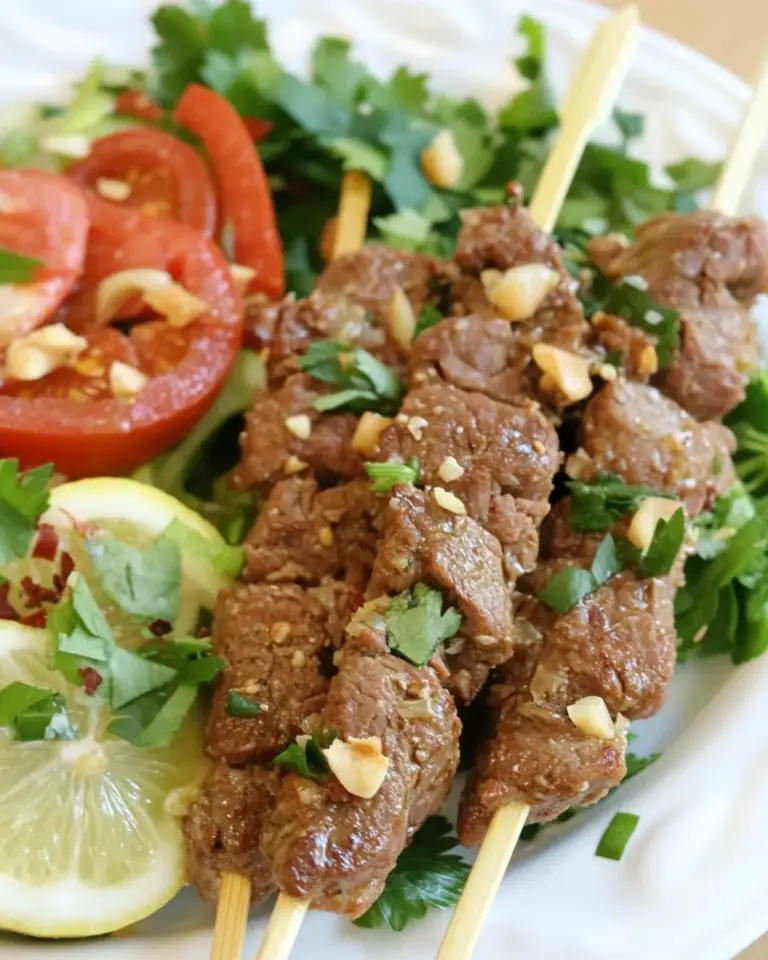
Use it as a dip for skewered satay, a dressing for noodle salads, a sauce for grilled chicken or tofu, or a drizzle over steamed vegetables. It’s versatile and elevates simple foods quickly.
Ready, Set, Cook
Gather your ingredients, press and grate the aromatics, and set a timer for ten minutes. Whisk patiently, taste as you go, and adjust the heat and consistency to suit your meal. This Thai Peanut Sauce Recipe is one of those small efforts that pays off every single time — keep a jar in the fridge and you’ll see why.
The Best Thai Peanut Sauce Recipe
Ingredients
Ingredients
- 1/2 cuppeanut butternatural unsweetened
- 2 tablespoonslow sodium soy sauceuse tamari or coconut aminos for gluten free
- 1 tablespoonrice vinegar
- 2 tablespoonsbrown sugar
- 2 teaspoonschili garlic saucemore or less to taste
- 1 tablespoonfresh lime juice
- 3 garlic clovespressed or grated
- 1 tablespoonginger rootgrated
- 2-4 tablespoonswarm water
Instructions
Instructions
- Measure and prep the aromatics: press or grate the 3 garlic cloves and grate the 1 tablespoon ginger root.
- In a medium bowl add 1/2 cup natural unsweetened peanut butter, 2 tablespoons low-sodium soy sauce (or tamari/coconut aminos for gluten-free), 1 tablespoon rice vinegar, 2 tablespoons brown sugar, 2 teaspoons chili garlic sauce, 1 tablespoon fresh lime juice, the pressed garlic, and the grated ginger.
- Whisk all those ingredients together vigorously until the mixture is smooth and uniform, using a spatula to scrape down the sides of the bowl as needed.
- With the mixture smooth, add warm water 1 tablespoon at a time, whisking after each addition, until you reach your desired consistency. Typical amounts: about 2 tablespoons for a thicker dipping sauce, up to 4 tablespoons if you want a pourable dressing.
- Taste and adjust heat by adding more or less chili garlic sauce as desired; whisk again to combine.
- Use immediately or transfer to a container and refrigerate until needed.
Equipment
- Medium Bowl
- Whisk
- Spatula
- Measuring Spoons
- Measuring cup
Notes
I use unsweetened peanut butter. If you use conventional peanut butter the sauce may turn out too sweet. Try reducing the brown sugar to 1 tablespoon.