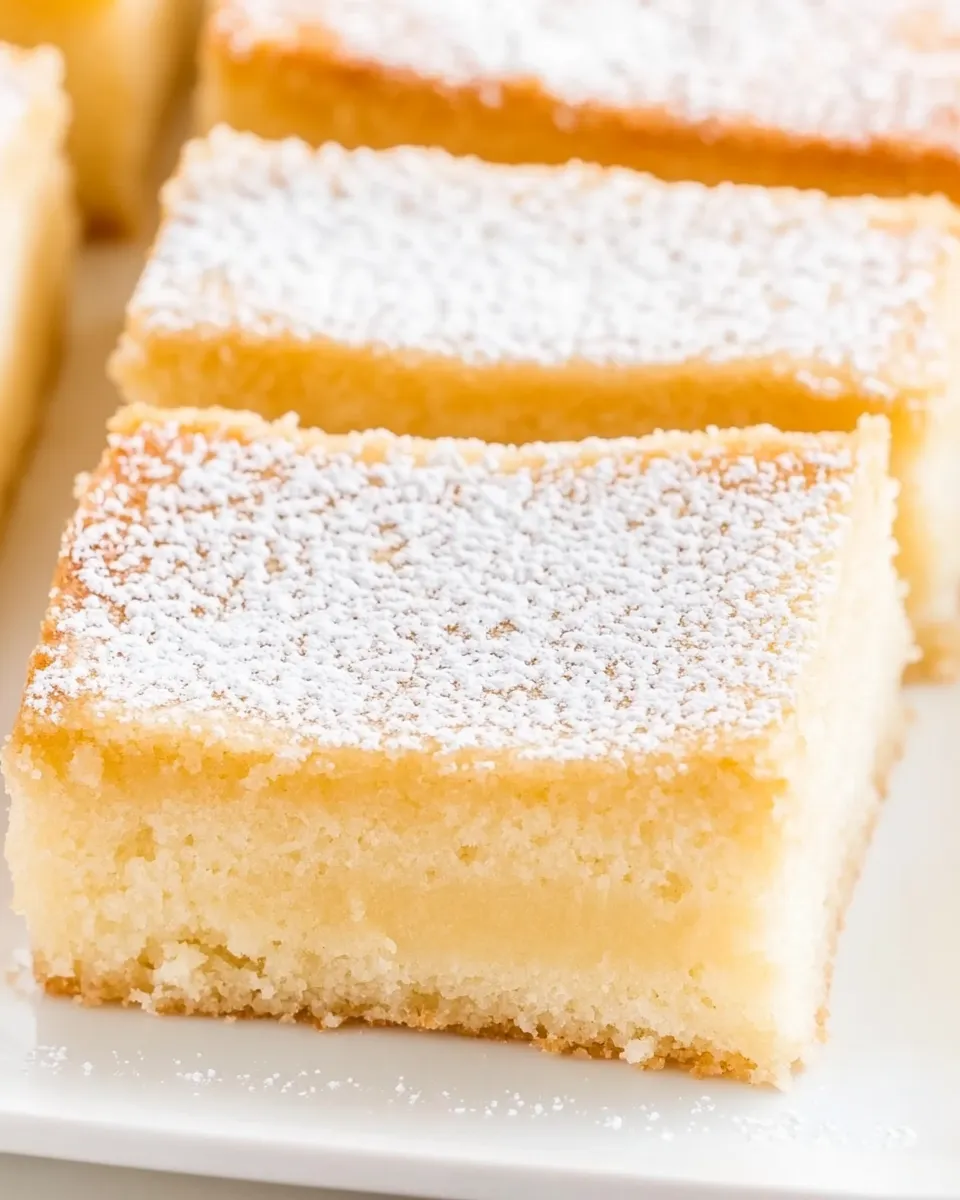
Keto Lemon Bars
Bright, tangy lemon bars don’t have to be off-limits on a low-carb plan. This recipe gives you a tender, almond-flour-based bar with a creamy, lemon-forward filling. It’s straightforward, forgiving, and uses simple keto pantry staples.
I test this version to be reliable: room-temperature eggs, very soft butter, and powdered erythritol for a clean, smooth sweetness. The bars look fragile when they come out of the oven but firm up as they cool — that’s normal for almond-based bakes.
Read through the steps once, assemble your gear, and you’ll have a tray of glossy, tart squares in under an hour of hands-on time. I include tips for texture, storage, and a few common fixes so you get consistent results every time.
What You’ll Gather

Here are the exact ingredients used in this recipe with a short note about what each one does and how to work with it.
- 4 large eggs — room temperature; beaten to add structure and lift to the batter.
- ½ cup / 120 g sour cream — room temperature; adds moisture and a slight tang to balance the lemon.
- ½ cup / 120 g butter — must be very soft; provides richness and helps the bars set without being oily.
- ¼ cup / 4 tbsp lemon juice — I used 1 ½ lemons; supplies the bright citrus flavor at the heart of the bars.
- zest of 1 lemon — concentrates aromatic lemon oils for depth of flavor.
- 2 cup / 200 g almond flour — the low-carb base; if using super-fine almond flour, use 2 tablespoons less before mixing.
- 2 teaspoon baking powder — gives a gentle lift and prevents the bars from being too dense.
- ⅓ cup / 40 g powdered erythritol — powdered form helps with a smooth texture; use more to taste if you like sweeter bars.
Keto Lemon Bars: From Prep to Plate
- Preheat the oven to 175°C / 350°F and place a rack in the middle position.
- Line a 9 x 6-inch pan with parchment paper, leaving an overhang on two sides for easy removal.
- In a large bowl, beat 4 large room-temperature eggs until frothy (about 1–2 minutes) using an electric mixer or a whisk.
- Add ½ cup / 120 g sour cream and ½ cup / 120 g very soft butter to the eggs. Blend with an electric mixer or food processor until smooth and combined, scraping down the bowl as needed.
- Add ¼ cup / 4 tbsp lemon juice and the zest of 1 lemon, then add ⅓ cup / 40 g powdered erythritol. Mix until evenly incorporated. Taste the batter and add more powdered erythritol if you want it sweeter (ingredient list allows adjusting to taste).
- In a separate bowl (or add directly), combine 2 cups / 200 g almond flour and 2 teaspoons baking powder. If using super-fine almond flour, use 2 tablespoons less almond flour before adding.
- Add the almond flour–baking powder mixture to the wet ingredients and mix on low speed or fold with a spatula until you have a smooth, uniform batter. Scrape the sides and bottom of the bowl to ensure everything is mixed.
- Transfer the batter into the prepared pan and spread it evenly with a spatula.
- Bake on the middle oven rack for 35–40 minutes, until the top is lightly browned and a skewer inserted into the center comes out clean.
- Remove the pan from the oven and cool completely on a wire rack before cutting or removing from the pan—almond flour cakes are fragile when hot but firm up as they cool.
- Use the parchment overhang to lift the bars from the pan, then cut into portions once fully cooled.
Why It Works Every Time
This recipe balances moisture, fat, and structure in a way that suits almond flour. Almond flour doesn’t absorb liquid the same way wheat flour does, so the mix leans on eggs and sour cream to give body and set the crumb without drying out.
Very soft butter folds into the batter cleanly, distributing fat without creating layers that would make the bars greasy. Powdered erythritol dissolves more readily than granulated sweeteners, preventing a sandy mouthfeel and giving you an even sweetness across the tray.
Baking at 175°C / 350°F is a gentle but effective temp for almond-based bakes: it browns the top lightly and bakes the interior through without over-baking the edges. The final cooling step is critical. As those almond-flour proteins and eggs cool, the bars firm up and slice cleanly.
Low-Carb/Keto Alternatives
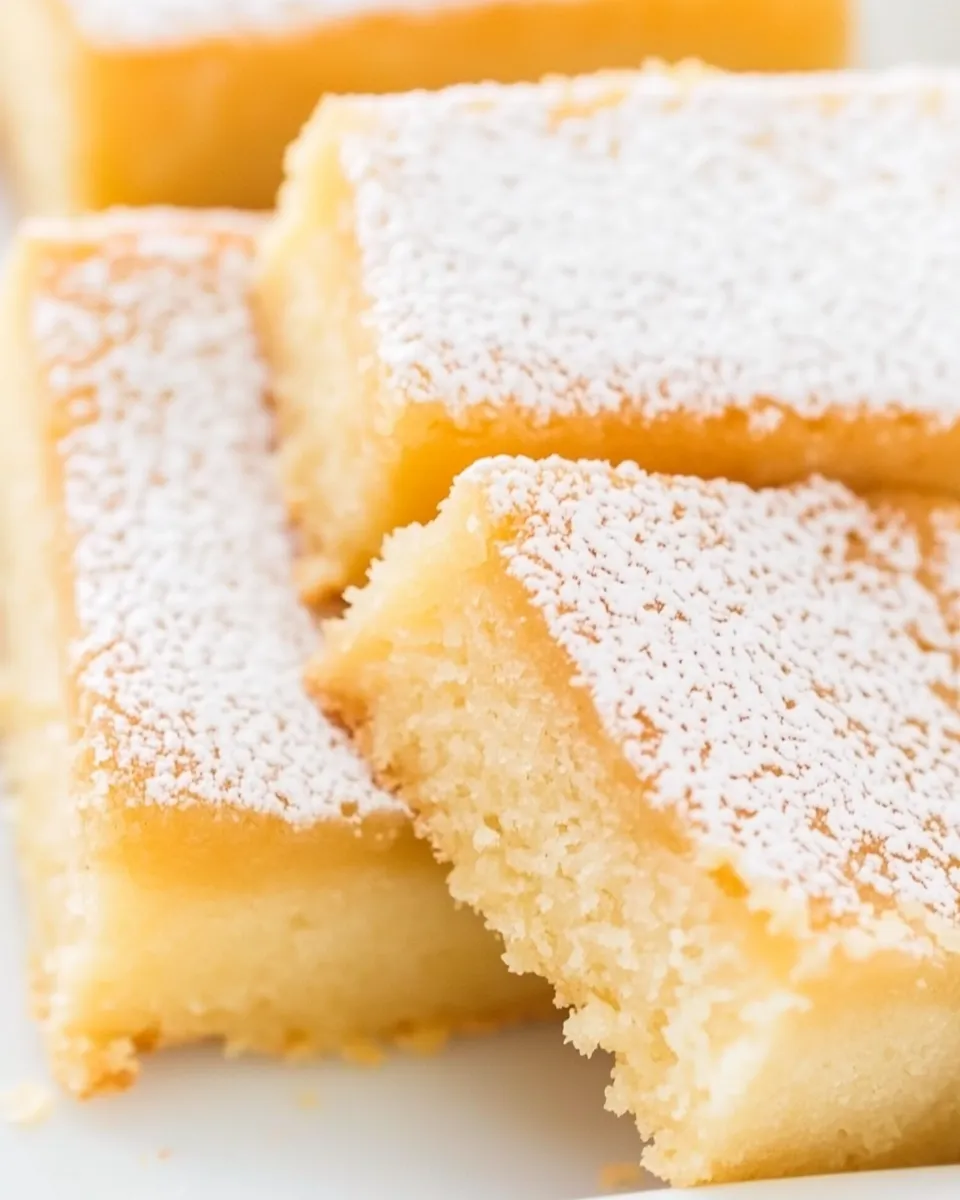
If you want to tweak the sweetener, powdered forms of monk fruit or allulose can replace powdered erythritol in a 1:1 ratio depending on the product — check your brand’s conversion. Keep the sweetener powdered to avoid a grainy texture.
Almond flour is the primary low-carb binder here. Coconut flour is not a straight swap because it soaks up much more liquid; substituting would require a different recipe and big adjustments to eggs and liquids. If you need a nut-free option, search specifically for low-carb nut-free bars rather than swapping ingredients here.
What’s in the Gear List
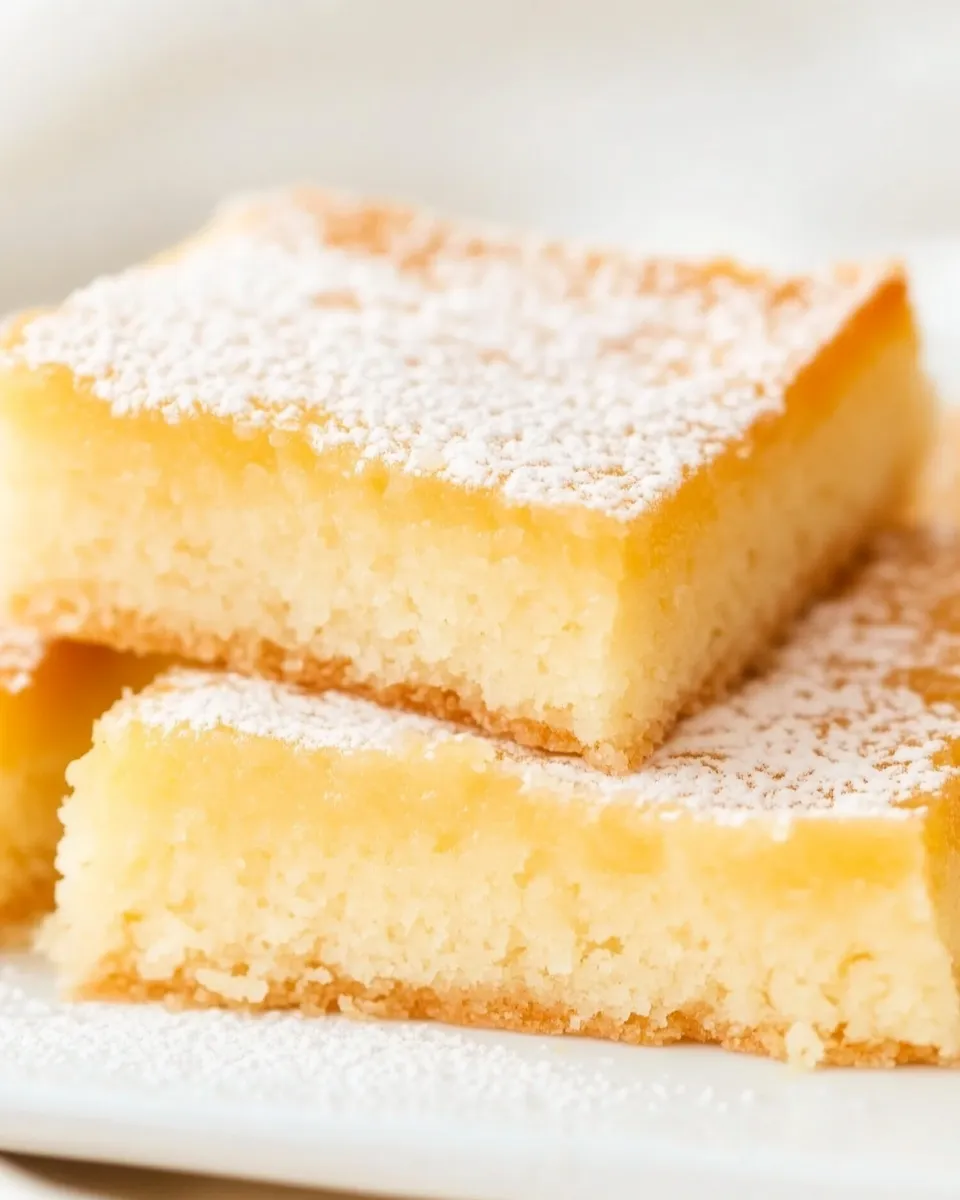
- 9 x 6-inch baking pan lined with parchment paper (with overhang)
- Electric mixer or a good whisk (mixer speeds up frothing the eggs)
- Mixing bowls for wet and dry ingredients
- Spatula for folding and spreading the batter
- Wire rack for cooling
- Skewer or toothpick to test doneness
Things That Go Wrong
Underbaked center: If the skewer comes out wet, give the pan the full 40 minutes and check again. Almond flour-based bakes can look set at the edges while the middle needs a little more time.
Bars too dense: Make sure your eggs are room temperature and beaten until frothy. That initial aeration contributes to lift. Also confirm that baking powder is fresh — expired leavening will reduce rise.
Gritty texture: This usually comes from using granulated instead of powdered erythritol. Powder it in a small blender if needed, or use a powdered keto sweetener to keep the crumb smooth.
Top too browned before center is done: Move the rack lower in the oven and tent the pan with foil for the remaining bake time to prevent additional browning while the center finishes.
Warm & Cool Weather Spins
Warm-weather serving: Chill the bars thoroughly and slice with a warm, dry knife for neat squares. Serve cold; the texture is dense, firm, and refreshing when chilled.
Cool-weather serving: Serve slightly chilled or at room temperature with a dollop of unsweetened whipped cream or a spoonful of mascarpone to add richness. A light dusting of extra powdered erythritol can brighten the presentation without adding moisture.
Notes on Ingredients
Almond flour: Use blanched almond flour for the best color and texture. If yours is super-fine, reduce by 2 tablespoons before adding as the recipe notes.
Eggs and sour cream: Room temperature ingredients incorporate more easily and give better rise. If your kitchen is cold, leave eggs and sour cream out for 20–30 minutes before starting.
Butter: Very soft butter blends smoothly. If the butter is too cold, the batter will be lumpy; if it’s melted, the texture can become greasy. Aim for soft but still solid.
Lemon: Fresh lemon juice and zest make a noticeable difference versus bottled juice. The zest contains aromatic oils that lift the flavor beyond acidity alone.
Sweetener: Powdered erythritol is specified to avoid grittiness. Taste the batter and adjust — the recipe allows a bit more if you prefer sweeter bars.
How to Store & Reheat
Storage: Store cooled, cut bars in an airtight container in the refrigerator for up to 5–7 days. Keep layers separated with parchment or wax paper to prevent sticking.
Freezing: Freeze wrapped bars (individually or in a single layer) for up to 2 months. Thaw in the refrigerator overnight before serving.
Reheating: These are best served cold or at room temperature. If you prefer a warmer bite, return a single portion to a 150°C / 300°F oven for 5–7 minutes, but keep an eye on them — over-heating can dry out almond flour bakes.
Your Top Questions
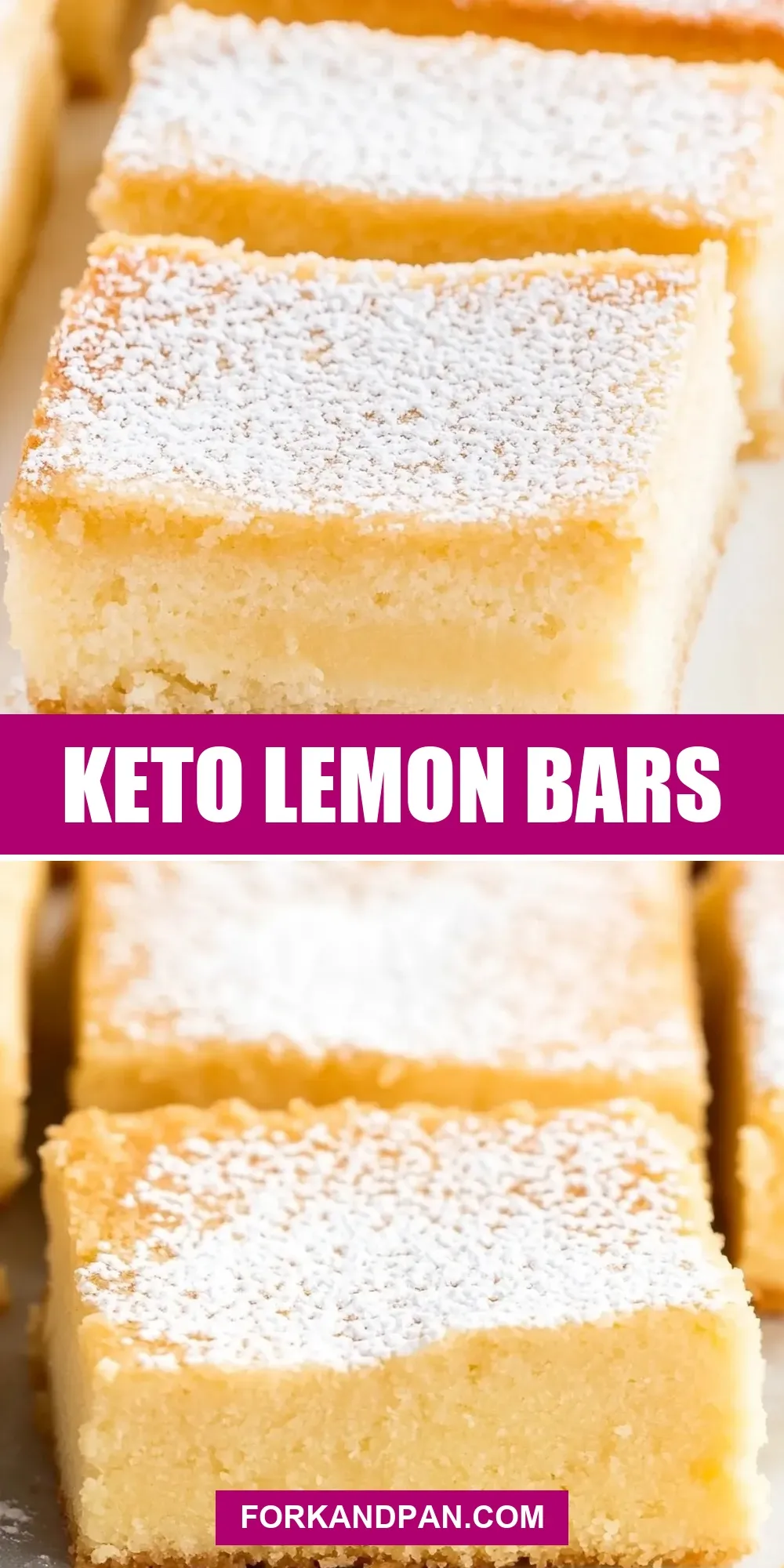
- Can I use granulated erythritol? — You can, but powdered erythritol is recommended to avoid a slightly grainy finish. Blitz granulated erythritol in a blender to powder it if needed.
- Can I make this in a different pan size? — The recipe is written for a 9 x 6-inch pan. A slightly larger pan will yield thinner bars and a shorter bake time; a smaller pan will produce thicker bars and may need more time. Adjust and watch the skewer test.
- Can I swap almond flour for another low-carb flour? — Almond flour is the recipe’s foundation. Coconut flour is not a 1:1 swap and will require recipe changes because it absorbs much more liquid.
- My bars are fragile when hot — is that normal? — Yes. Almond flour bakes set as they cool. Remove from the pan only after they’re completely cool for the cleanest slices.
Final Thoughts
These Keto Lemon Bars are deliberately simple and adaptable. They deliver bright lemon flavor without a high-carb hit and are forgiving if you follow the main points: room-temperature wet ingredients, very soft butter, powdered sweetener, and full cooling time.
Make them a day ahead for neat slicing and better flavor melding. If you try a tweak, note it so you can repeat your favorite version. I hope they become a dependable, tangy treat in your low-carb rotation—let me know how yours turn out.
Keto Lemon Bars
Ingredients
Ingredients
- 4 eggslarge room temperature
- 1/2 cup /120 gsour creamroom temperature
- 1/2 cup /120 gbuttermust be very soft
- 1/4 cup /4 tbsplemon juiceI used1 1/2 lemons
- zestof1 lemon
- 2 cup /200 galmond flourUse2 tablespoons less for super-fine almond flour
- 2 teaspoonbaking powder
- 1/3 cup /40 gpowdered erythritolor more to taste.
Instructions
Instructions
- Preheat the oven to 175°C / 350°F and place a rack in the middle position.
- Line a 9 x 6-inch pan with parchment paper, leaving an overhang on two sides for easy removal.
- In a large bowl, beat 4 large room-temperature eggs until frothy (about 1–2 minutes) using an electric mixer or a whisk.
- Add ½ cup / 120 g sour cream and ½ cup / 120 g very soft butter to the eggs. Blend with an electric mixer or food processor until smooth and combined, scraping down the bowl as needed.
- Add ¼ cup / 4 tbsp lemon juice and the zest of 1 lemon, then add ⅓ cup / 40 g powdered erythritol. Mix until evenly incorporated. Taste the batter and add more powdered erythritol if you want it sweeter (ingredient list allows adjusting to taste).
- In a separate bowl (or add directly), combine 2 cups / 200 g almond flour and 2 teaspoons baking powder. If using super-fine almond flour, use 2 tablespoons less almond flour before adding.
- Add the almond flour–baking powder mixture to the wet ingredients and mix on low speed or fold with a spatula until you have a smooth, uniform batter. Scrape the sides and bottom of the bowl to ensure everything is mixed.
- Transfer the batter into the prepared pan and spread it evenly with a spatula.
- Bake on the middle oven rack for 35–40 minutes, until the top is lightly browned and a skewer inserted into the center comes out clean.
- Remove the pan from the oven and cool completely on a wire rack before cutting or removing from the pan—almond flour cakes are fragile when hot but firm up as they cool.
- Use the parchment overhang to lift the bars from the pan, then cut into portions once fully cooled.
Equipment
- Oven
- 9 x 6-inch pan
- Parchment Paper
- Mixing Bowl
- Electric Mixer or Whisk
- Food Processor (optional)
- Spatula
- Wire Rack
Notes
3.5g net carbs per bar. Makes 8 bars.
For me, 1 ½ lemons yielded ¼ cup lemon juice. For extra zing, you could increase the amount of lemon juice by up to 2 additional tablespoons.
Wait until the cake is COMPLETELY cooled before dusting with powdered sweetener. If it's still warm, the erythritol melts into an unsightly sludge.
Please see the post for topping ideas, from sugar-free lemon drizzle to lemon curd frosting.
Store in the fridge for up to 5 days or freeze pre-sliced for up to 3 months.