Texas Roadhouse Rolls
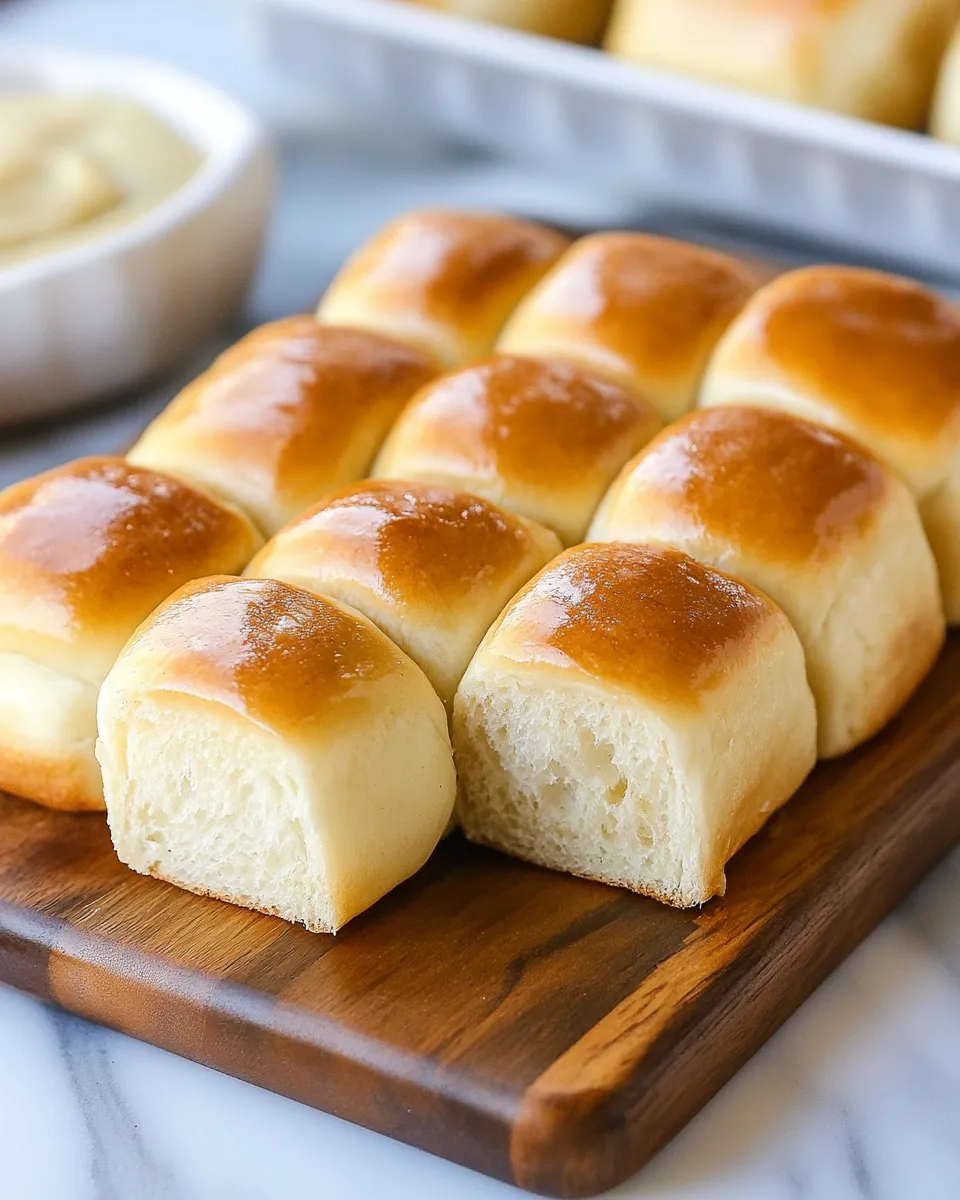
These rolls are the kind that disappear fast at family dinners and weekend cookouts. Soft, slightly sweet, and brushed with butter while they’re still warm, they make the table feel complete. I test recipes until they behave predictably, and this one gives the same tender crumb every time when you follow the steps.
I keep the technique simple because the magic is in timing and temperature more than in complicated ingredients. There’s a little yeast, a bit of honey, and a short rise. That combination yields rolls with a fine, slightly sweet interior and a golden exterior after a quick 15-minute bake.
If you want the look and comfort of the restaurant version without surprise results, stick to the process here. I’ll walk you through the ingredients, the step-by-step method, substitutions that actually work, and common pitfalls so you get consistent, buttery rolls.
Shopping List

- Milk — whole or 2% depending on preference.
- Unsalted butter — you’ll need it melted and divided.
- Eggs — use one at room temperature.
- Honey — the sweetener that gives these rolls their signature flavor.
- Instant dry yeast — the leavening agent for a reliable rise.
- All-purpose flour — the bulk of the dough; the recipe references 4 cups.
- Salt — a small amount to balance flavor.
- Baking sheet and parchment — for an even bake and easy cleanup.
- Stand mixer with a dough hook (or be prepared to knead by hand).
Ingredients
- 1 ¼ cups (300 ml) milk, warm but not hot — warms the yeast and hydrates the dough; aim for about body temperature.
- 2 tablespoons (28 g) melted unsalted butter, divided — part goes into the dough and the rest finishes the rolls for shine and flavor.
- 1 egg, at room temp — adds richness and helps with structure and color.
- ¼ cup (6 oz, 85 g) honey — primary sweetener; it gives the rolls their characteristic sweetness and tender crumb.
- 2 teaspoons instant dry yeast Note 1 — use instant yeast for a faster, more predictable rise.
- 4 cups (480 g) all purpose flour I added +1.5 cups — the main structure builder; you may need a touch more if dough is sticky.
- ½ teaspoon salt — balances the sweetness and strengthens the dough.
Texas Roadhouse Rolls: How It’s Done
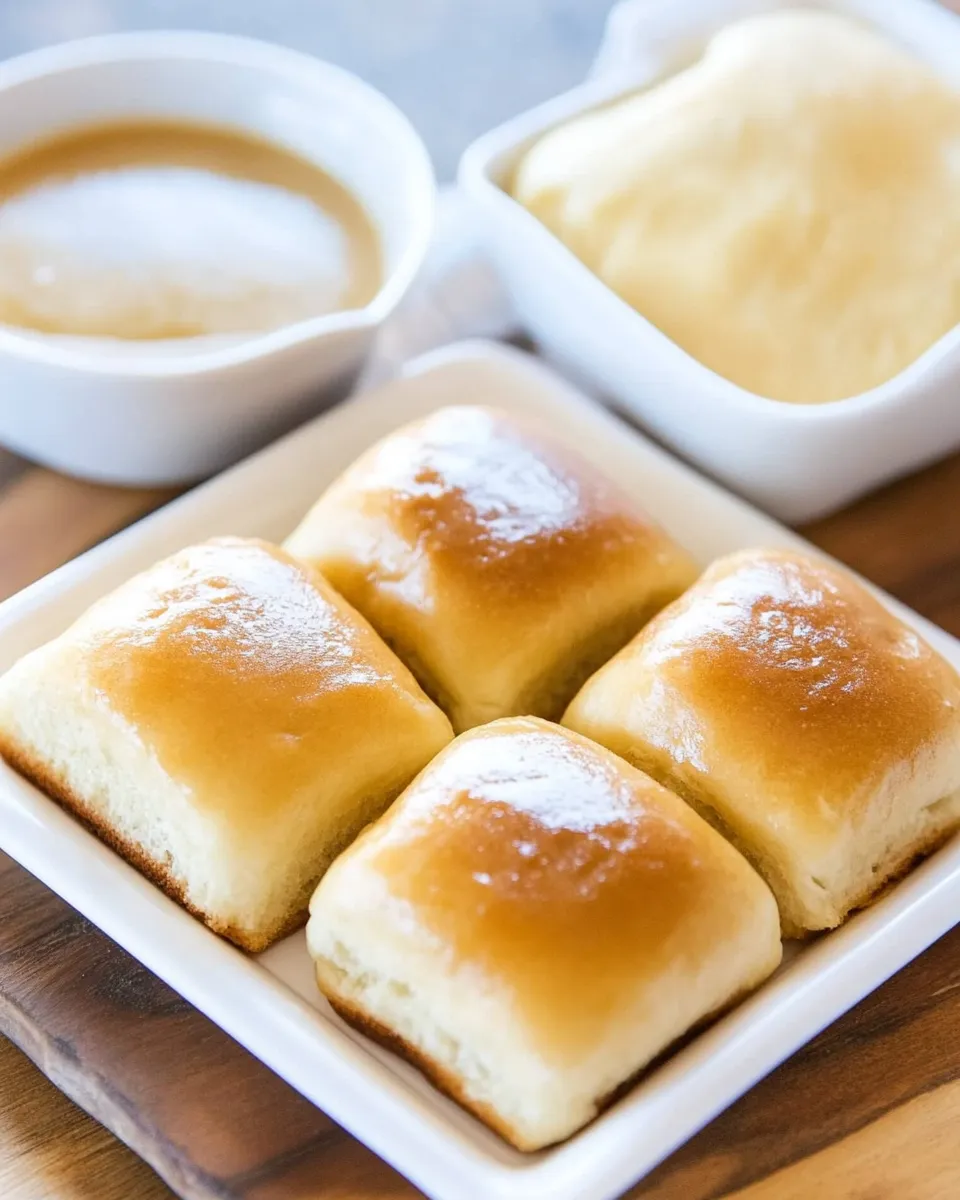
- Warm the milk until warm but not hot and pour it into the bowl of a stand mixer. Crack the egg into a small bowl and beat it with a fork, then add the beaten egg, honey, and 1 tablespoon of the melted butter to the milk. Sprinkle the instant dry yeast over the liquid. Using the dough hook, mix on low speed for about 30 seconds to combine.
- Add the flour and salt to the mixer. Knead on medium speed for 3–4 minutes, until the dough forms a smooth, slightly tacky ball and clears the sides of the bowl. If the dough sticks excessively, add small amounts of additional flour, 1 tablespoon at a time, until the sides of the bowl come clean.
- Lightly grease a clean bowl with oil or nonstick spray. Transfer the dough to the greased bowl, turn it once to coat all sides with grease, cover the bowl loosely, and let the dough rise until doubled in size, about 1 hour.
- After the dough has doubled, punch it down and knead it briefly for about 10 seconds on a lightly floured surface.
- Roll the dough into a rectangle about 1 inch thick.
- Using a bench scraper or knife, cut the dough into 2-inch squares. Place the squares on a baking sheet lined with parchment paper or a silicone mat, leaving about 1/2 inch between pieces.
- Cover the arranged dough squares with a towel and let them rise for 30 minutes. Preheat the oven to 350°F (180°C) while they are rising.
- Bake the rolls in the preheated oven for 15 minutes, or until lightly golden.
- Remove the rolls from the oven and immediately brush them with the remaining melted butter. Serve warm.
Why I Love This Recipe
It’s straightforward and forgiving. The method doesn’t hide behind fancy techniques; the dough comes together quickly in a mixer and rewards you with a consistent texture. The short bake time means you get fresh rolls without a long wait, and brushing them with butter right out of the oven is a simple finishing touch that elevates the experience.
These rolls adapt to company size, too. Make a single pan for a small dinner or scale up easily for holidays. They pair with everything from steak to soup and are one of those kitchen wins you can rely on when you want comfort without fuss.
Smart Substitutions
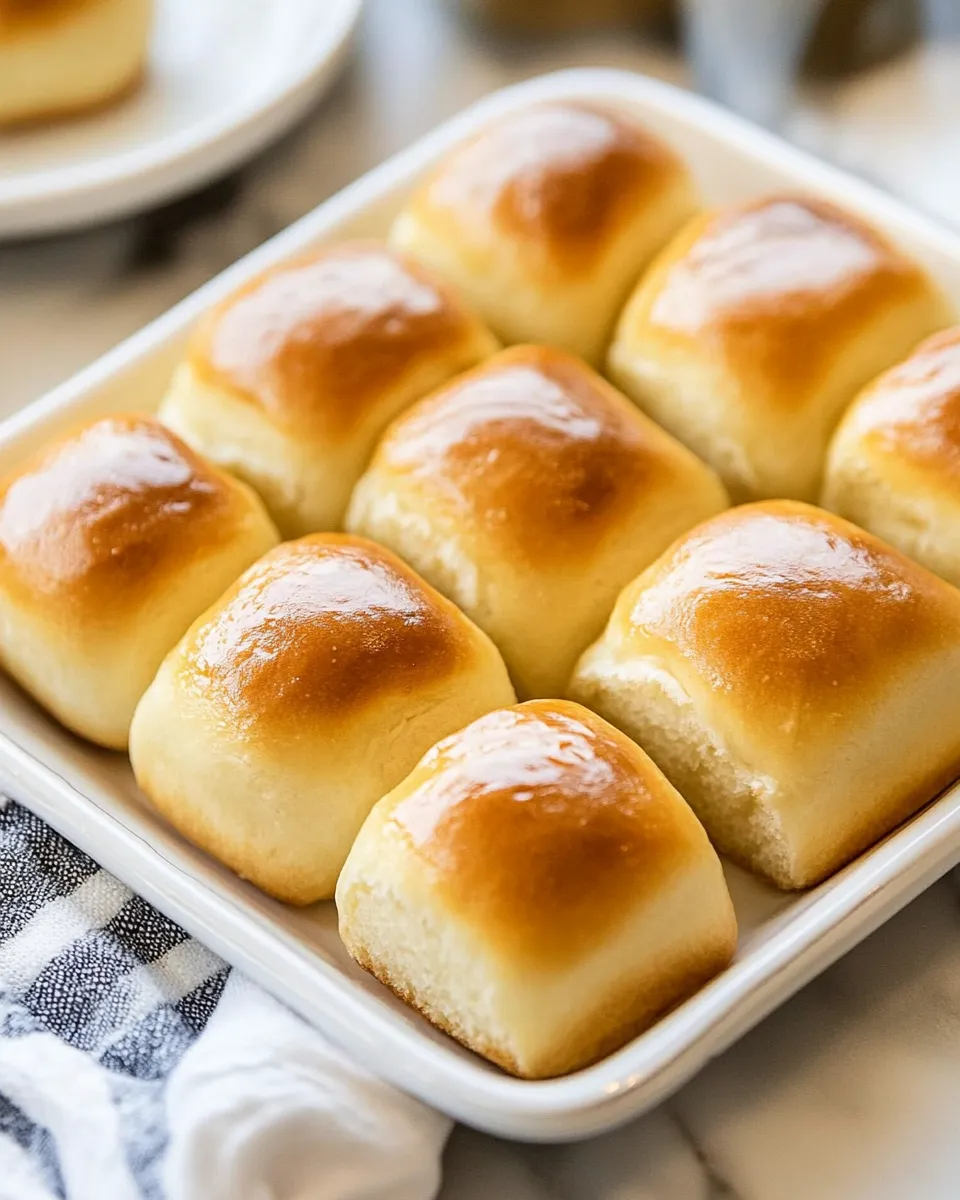
- Milk: If you only have skim, they’ll still work, but whole milk yields a richer crumb. Plant-based milks (unsweetened) can be used, though texture will vary slightly.
- Butter: Salted butter can replace unsalted — just skip or reduce the added salt to taste.
- Flour: Bread flour will give a chewier, slightly taller roll because of the higher protein. All-purpose is fine and produces a tender result.
- Yeast: Instant yeast is specified for convenience. If you must use active dry yeast, proof it first in warm milk and allow a few minutes for it to froth; expect similar timing but be attentive to rise.
- Sweetener: Pure maple syrup or light corn syrup can work in a pinch, but honey is closest to the original flavor profile.
Equipment Breakdown
- Stand mixer with dough hook — speeds up kneading and creates consistent gluten development. If you don’t have one, plan for 8–10 minutes of hand kneading.
- Baking sheet lined with parchment or silicone mat — prevents sticking and encourages even browning.
- Bench scraper or sharp knife — for cleanly cutting the dough into uniform 2-inch squares.
- Clean bowl for proofing — greased to prevent sticking and to allow the dough to expand freely.
- Pastry brush — for brushing melted butter over the hot rolls for shine and flavor.
Errors to Dodge
- Using milk that’s too hot: it can kill the yeast. Aim for warm to the touch, not hot.
- Adding too much flour at once: add flour gradually if needed. Over-flouring makes dense, dry rolls.
- Rushing the rises: cutting them short will yield tight, heavy rolls. Let the dough double and then complete the second rise.
- Skipping the final butter brush: that quick step gives the rolls their characteristic sheen and flavor — don’t skip it.
Health-Conscious Tweaks
If you want to trim calories or sugar without compromising the structure too much, reduce the honey slightly (a tablespoon or two less) and brush with a light brushing of butter rather than fully coating. Using 2% milk instead of whole milk lowers fat modestly. For a heart-health angle, consider swapping half the butter for a neutral oil, but note the texture will be a little different.
What Could Go Wrong
If your dough never rises, check the yeast: it might be old or was exposed to overly hot milk. If rolls are gummy inside after baking, they were likely underbaked or the dough was too dense due to excess flour. If the top browns too quickly, tent with foil for the last few minutes of baking. Most issues trace back to either temperature control or incorrect flour ratios — small adjustments during mixing will fix these.
Leftovers & Meal Prep
Stored in an airtight container at room temperature, these rolls keep for 2 days and stay soft. For longer storage, freeze wrapped rolls for up to 3 months; reheat in a low oven (about 300°F) or steam briefly to restore softness. To reheat straight from frozen, wrap in foil and warm at 325°F for 10–15 minutes, then brush with butter.
Popular Questions
- Can I make the dough ahead? Yes. After the first rise, you can refrigerate the dough for up to 24 hours. Bring it back to room temperature, then proceed with shaping and the second rise.
- Why are my rolls tough? Likely overworked dough or too much flour. Knead until smooth and slightly tacky, not dry.
- Can I shape these as dinner rolls instead of squares? Absolutely. Divide the dough into equal pieces, shape into rounds, and place in a greased pan spaced slightly apart for pull-apart rolls.
- Is the 15-minute bake time critical? It’s a guideline. Ovens vary. Look for a light golden color and test one roll — it should sound hollow when tapped lightly.
Hungry for More?
If you enjoyed these rolls, try experimenting with add-ins like a light garlic butter brush or a sprinkle of coarse sea salt before serving. For a slightly sweeter take, warm honey in the melted butter and use that for the finishing brush. Keep notes on small tweaks so you can repeat the version your family prefers.
These rolls are dependable, comforting, and quick enough for weeknight dinners yet elegant enough for a special occasion. Follow the steps, respect the rises, and you’ll have a pan of buttery, soft rolls every time.
Texas Roadhouse Rolls
Ingredients
Ingredients
- ?1 1/4 cups 300 mlmilkwarm but not hot
- ?2 tablespoons 28 gmelted unsalted butterdivided
- ?1 eggsat room temp
- ?1/4 cup 6 oz, 85 ghoney
- ?2 teaspoonsinstant dry yeastNote 1
- ?4 cups 480 gall purpose flourI added +1.5 cups
- ?1/2 teaspoonsalt
Instructions
Instructions
- Warm the milk until warm but not hot and pour it into the bowl of a stand mixer. Crack the egg into a small bowl and beat it with a fork, then add the beaten egg, honey, and 1 tablespoon of the melted butter to the milk. Sprinkle the instant dry yeast over the liquid. Using the dough hook, mix on low speed for about 30 seconds to combine.
- Add the flour and salt to the mixer. Knead on medium speed for 3–4 minutes, until the dough forms a smooth, slightly tacky ball and clears the sides of the bowl. If the dough sticks excessively, add small amounts of additional flour, 1 tablespoon at a time, until the sides of the bowl come clean.
- Lightly grease a clean bowl with oil or nonstick spray. Transfer the dough to the greased bowl, turn it once to coat all sides with grease, cover the bowl loosely, and let the dough rise until doubled in size, about 1 hour.
- After the dough has doubled, punch it down and knead it briefly for about 10 seconds on a lightly floured surface.
- Roll the dough into a rectangle about 1 inch thick.
- Using a bench scraper or knife, cut the dough into 2-inch squares. Place the squares on a baking sheet lined with parchment paper or a silicone mat, leaving about 1/2 inch between pieces.
- Cover the arranged dough squares with a towel and let them rise for 30 minutes. Preheat the oven to 350°F (180°C) while they are rising.
- Bake the rolls in the preheated oven for 15 minutes, or until lightly golden.
- Remove the rolls from the oven and immediately brush them with the remaining melted butter. Serve warm.
Equipment
- Stand mixer
- dough hook
- Mixing Bowl
- Baking Sheet
- Parchment Paper or Silicone Mat
- bench scraper or knife
- Oven
- towel
Notes
Brush with melted butter while the rolls are still warm.