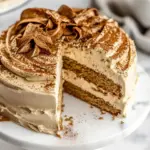
Biscoff Cake
Biscoff Cake is the ultimate treat for anyone who loves…
Servings: 16 servings
Ingredients
Ingredients
- 2/3 cupunsalted butter room temperature (150 grams)
- 1 cupgranulated sugar 200 grams
- 1 teaspoonvanilla extract
- 3 large eggs room temperature
- 2 Tablespoonssour cream 30 grams
- 14 oz containercookie butter divided (400 grams)
- 2 cupsall-purpose flour 250 grams
- 2 teaspoonsbaking powder
- 1 teaspoonkosher salt
- 3/4 cupwhole milk at room temperature (180 ml)
- 1/2 cupunsalted butter slightly cold (115 grams)
- 2 1/2 – 3 1/2 cupspowdered sugar 300-440 grams
- 1/2 cupcookie butter from 14 oz container above, plus set aside some for additional drizzling at the end (120 grams)
- 2-3 Tablespoonsmilk any kind
- 2 Biscoff cookies crushed (optional)
Instructions
Instructions
- Preheat oven to 350°F (175°C). Line the bottoms of two 8-inch (20 cm) cake pans with parchment paper and spray or grease the pans. Set pans aside.
- In a large bowl using an electric mixer or a stand mixer fitted with the paddle attachment, beat 2/3 cup unsalted butter (150 g) and 1 cup granulated sugar (200 g) on medium-high speed until light and fluffy, about 2–4 minutes.
- Add 1 teaspoon vanilla extract, then add the 3 large eggs one at a time, mixing each egg until incorporated before adding the next.
- Add 2 tablespoons sour cream (30 g) and 1/2 cup cookie butter (120 g) measured from the 14 oz container. Mix on medium speed until fully combined and smooth.
- In a separate bowl, whisk together 2 cups all-purpose flour (250 g), 2 teaspoons baking powder, and 1 teaspoon kosher salt.
- With the mixer on low speed, add the dry mixture and 3/4 cup whole milk (180 ml) to the batter in alternating additions, beginning and ending with the dry mixture (dry — milk — dry — milk — dry). Scrape the bowl as needed and mix just until no streaks of flour remain.
- Divide the batter evenly between the two prepared 8-inch pans, smoothing the tops. Bake for 22–27 minutes, or until a toothpick inserted into the center comes out clean or with a few moist crumbs.
- Remove the pans from the oven and let the cakes cool in the pans for 5–10 minutes. Run a knife around the edges if needed, then invert the cakes onto a wire cooling rack and remove the parchment. Cool completely before frosting.
- For the buttercream: cut 1/2 cup unsalted butter (115 g), slightly cold, into pieces. In a stand mixer fitted with the paddle attachment or using a hand mixer, combine the butter pieces, 2 1/2 cups powdered sugar (300 g), and 1/2 cup cookie butter (120 g) measured from the 14 oz container. Beat on low to start, then increase speed and beat until smooth.
- Add 2–3 tablespoons milk, one tablespoon at a time, and continue beating until the frosting is fluffy but thick and spreadable. If the frosting is too thin, add more powdered sugar up to 3 1/2 cups (440 g) until you reach the desired consistency.
- Reserve some of the remaining cookie butter from the 14 oz container for drizzling. Melt a few spoonfuls of the reserved cookie butter in the microwave in short bursts (5–10 seconds), stirring between bursts, until runny. Make sure any aluminum seal is removed from the container before microwaving.
- Assemble the cake: place one cooled cake layer on a serving plate or cake board. Spread a thin layer of buttercream on top of that layer. Spoon and smooth most of the melted cookie butter over the buttercream, leaving about a 1-inch border around the edge.
- Place the second cake layer on top. Apply a thin layer of frosting all over the cake to create a crumb coat. Refrigerate the cake for 20 minutes or place in the freezer for 10 minutes to set the crumb coat.
- After the crumb coat has set, add a final thicker layer of frosting and smooth as desired.
- Decorate: pipe decorative swirls of frosting around the outer top edge if desired. Drizzle the reserved melted cookie butter in lines across the top of the cake. Sprinkle the optional 2–3 crushed Biscoff cookies on top for garnish.
- Slice and serve. Store any leftovers covered at room temperature for up to 1 day or refrigerated for longer storage.
Equipment
- Cake Pans
- Piping Bag
- Wilton 1M Piping Tip
Notes
Notes
Make Ahead Instructions:
Make the frosting ahead of time and store in the fridge. Remove from fridge for 30 minutes, then re-whip, adding a splash of milk if needed, until smooth and fluffy. The cake layers can be made ahead and frozen, covered well, for up to 3 months.
Freezing Instructions:
The assembled cake can be frozen for up to 3 months. Flash freeze uncovered in the freezer for 30 minutes, then cover very well with plastic wrap and aluminum foil and freeze for up to 3 months. The baked cake layers and frosting could also be frozen seperatly and assembled after thawing the frosting.
Make Ahead Instructions:
Make the frosting ahead of time and store in the fridge. Remove from fridge for 30 minutes, then re-whip, adding a splash of milk if needed, until smooth and fluffy. The cake layers can be made ahead and frozen, covered well, for up to 3 months.
Freezing Instructions:
The assembled cake can be frozen for up to 3 months. Flash freeze uncovered in the freezer for 30 minutes, then cover very well with plastic wrap and aluminum foil and freeze for up to 3 months. The baked cake layers and frosting could also be frozen seperatly and assembled after thawing the frosting.