How to Grill the Perfect Steak
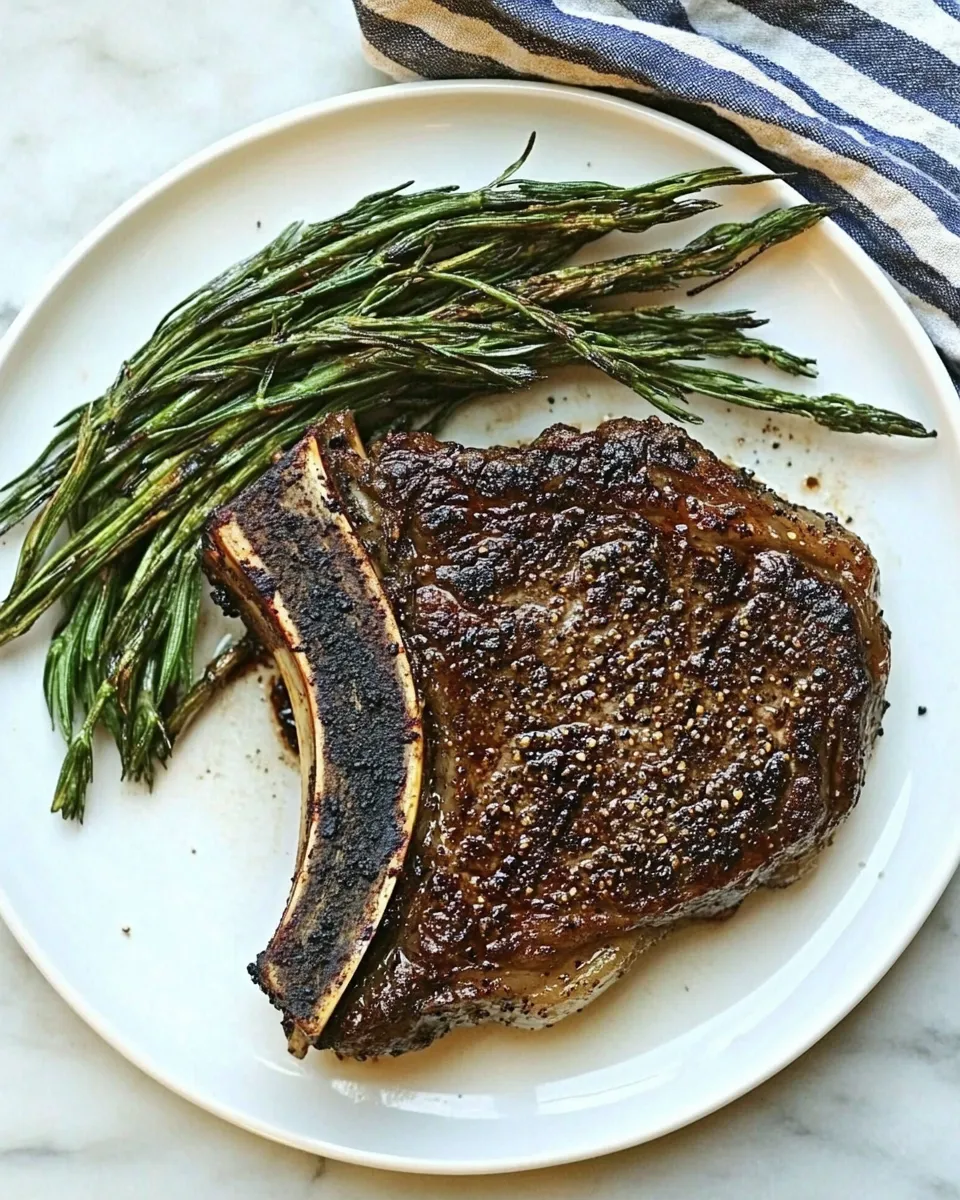
There’s nothing quite like the sizzle of a ribeye hitting a hot grill. When done right, grilled steak becomes an experience: a deeply caramelized crust, a tender and juicy interior, and that smoky barbecue flavor that makes every bite memorable. Today I’ll walk you through exactly How to Grill the Perfect Steak using two 1-1/2-inch thick bone-in ribeye steaks and just a few pantry-friendly ingredients. The method is straightforward, reliable, and perfect for a weekend cookout or a quiet, special dinner for two.
Why this method works

Thick, bone-in ribeyes benefit from a two-zone fire and a brief rest after cooking. The high heat builds a beautiful crust while the lower indirect heat allows the interior to reach a perfect medium-rare or medium without overcooking the outside. A little butter added toward the end gives richness and helps finish the steak with a glossy, flavorful finish. Using bold, balanced seasonings on the outside makes every bite sing without hiding the beef’s natural flavor.
Ingredients
- 2 (1-1/2 inch thick) bone-in ribeye steak
- 4 tablespoons unsalted butter
- McCormick Montreal steak seasoning
- Chef Paul blackened steak seasoning
Equipment you’ll need
- Gas or charcoal grill with a lid
- Long-handled tongs
- Instant-read thermometer
- Aluminum foil or a small pan for resting
- Brush or spoon for butter
Prep tips before you start
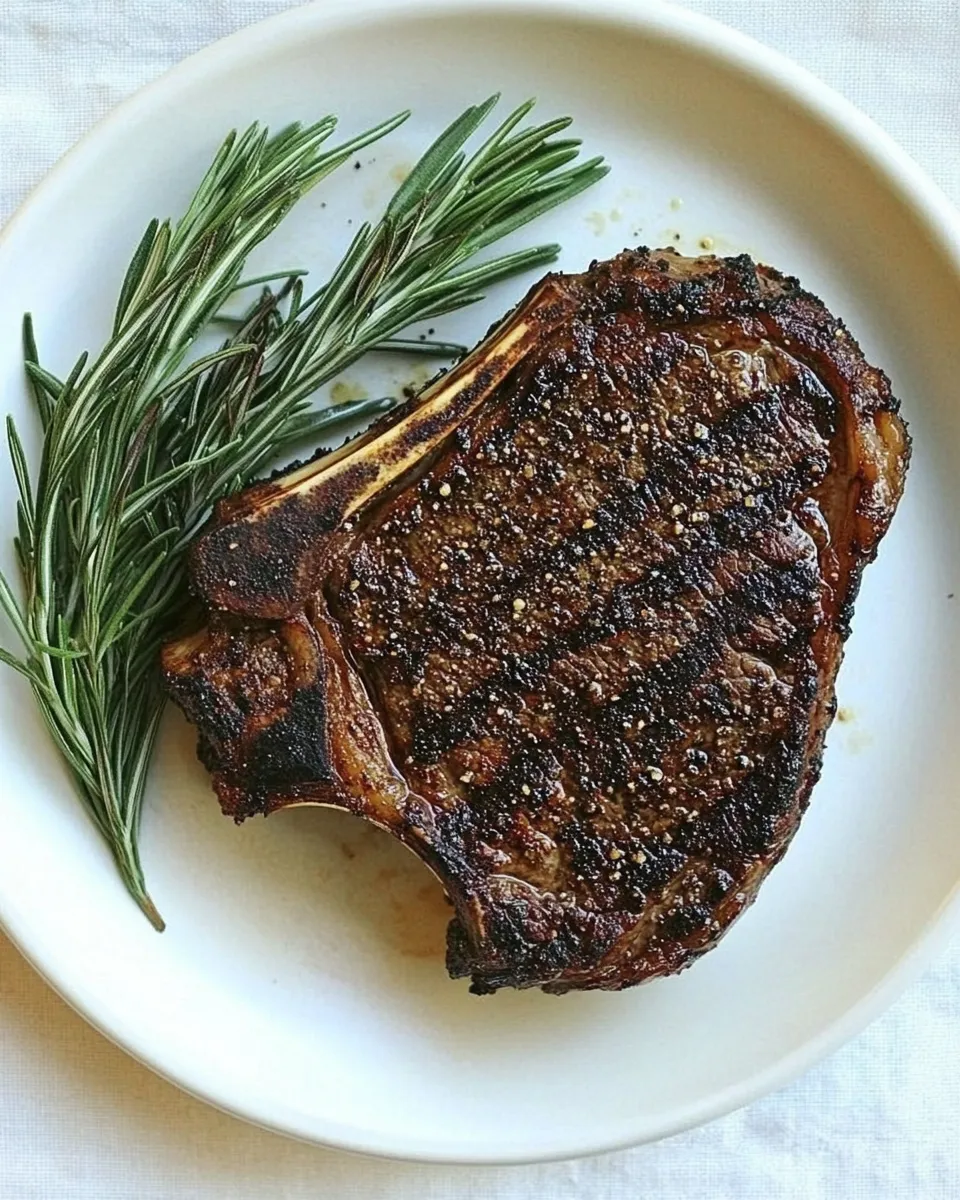
Bring the steaks to room temperature for 30 to 45 minutes before grilling. This helps them cook more evenly and shortens overall grill time. Pat the steaks dry with paper towels to promote a better sear. Measure out the butter and have your seasonings within reach. Set up your grill for two-zone cooking: one side at high heat for searing and one side with reduced heat for finishing.
Seasoning strategy
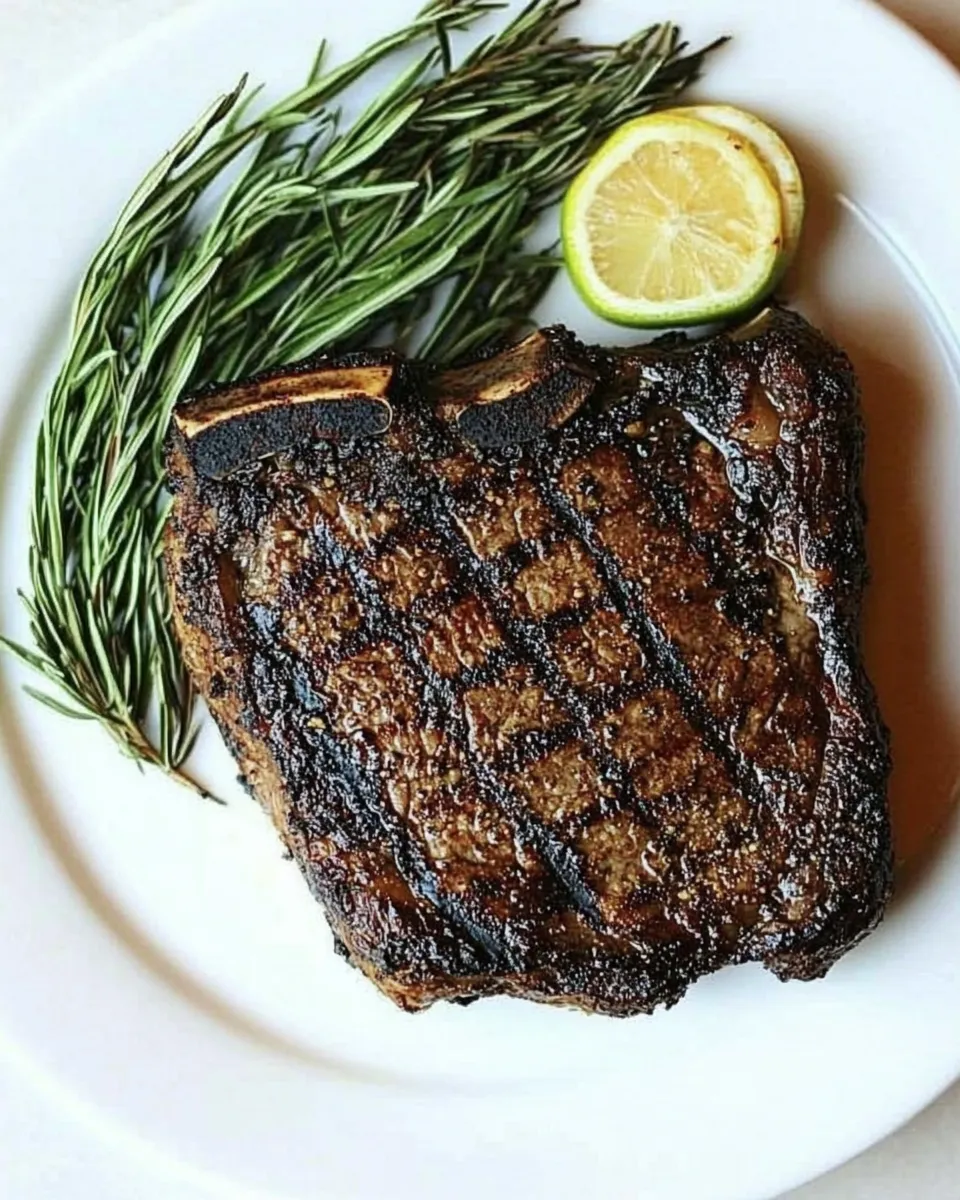
With just a couple of robust seasonings—McCormick Montreal steak seasoning and Chef Paul blackened steak seasoning—you’ll layer flavor without overcomplicating the process. Season generously on both sides and around the exposed bone; the seasoning will form the crust that contrasts with the tender meat inside.
How to Grill the Perfect Steak: Step-by-step instructions
Follow these rewritten, clear steps that preserve the ingredient amounts and overall order while making each action explicit and easy to follow.
- Bring steaks to room temperature. Remove the two 1-1/2-inch thick bone-in ribeye steaks from the refrigerator and let them sit on the counter for 30 to 45 minutes. Pat both sides and the fat edge dry with paper towels.
- Season the steaks. Sprinkle McCormick Montreal steak seasoning evenly over both sides of each steak and the exposed bone. Next, sprinkle Chef Paul blackened steak seasoning evenly over both sides as well. Press the seasonings gently into the meat with your hands so they adhere. Use as much seasoning as you prefer, but be sure both sides and the edges receive coverage.
- Preheat and arrange your grill. Light your grill and preheat one zone to high heat (direct heat) and leave the other zone at medium-low or off (indirect heat). If using a gas grill, turn one side to high and the other to low. If using charcoal, bank the coals to one side to create a hot direct zone and a cooler indirect zone.
- Sear the steaks. Place the steaks over the hottest part of the grill to sear. Sear for 2 to 3 minutes without moving them to develop a deep crust, then flip and sear the other side for another 2 to 3 minutes. If you like crosshatch grill marks, rotate each steak 45 degrees halfway through each side’s searing time.
-
Move to indirect heat to finish cooking. After searing both sides, transfer the steaks to the indirect heat zone. Close the grill lid and allow the steaks to continue cooking until they reach about 10°F (6°C) below your target internal temperature. Use an instant-read thermometer inserted into the thickest part of the meat, avoiding bone contact.
- For rare: remove at 120°F (49°C)
- For medium-rare: remove at 125°F (52°C)
- For medium: remove at 135°F (57°C)
Because these are thick, bone-in steaks, plan on 6 to 12 minutes over indirect heat depending on grill temperature and doneness preference.
- Add butter and rest. When the steaks reach your target temperature minus about 10°F, move them off the grill. Place each steak on a cutting board or plate. Spoon 2 tablespoons unsalted butter on top of each steak while they rest. Tent loosely with aluminum foil and let them rest for 5 to 10 minutes. The butter will melt into the crust and the carryover cooking will gently raise the internal temperature to your desired doneness.
- Slice and serve. After resting, slice the steaks against the grain and serve immediately, spooning any melted butter from the board over the slices. The result should be a deeply seared exterior, a juicy center, and a rich buttery finish.
Timing and internal temperatures
Thick bone-in steaks vary based on grill heat and ambient conditions. The instant-read thermometer is your best ally. Expect the process to take roughly:
- 8 to 10 minutes total for a narrower time on very hot grills for medium-rare (including sear + finish),
- 10 to 16 minutes for slightly lower heat or a more medium finish.
Always remove the steak a few degrees below your target temp because the final resting period will increase the temperature by a few degrees.
Common mistakes and how to avoid them
- Cooking straight from the fridge: Cold meat leads to uneven cooking. Let it sit at room temperature first.
- Squeezing or pressing the steak on the grill: This releases juices and prevents a great sear. Use tongs and let the steak sit undisturbed while searing.
- Skipping rest time: Cutting too soon wastes flavorful juices. A 5-10 minute rest is essential.
- Over-seasoning or under-seasoning: Be generous but balanced. Both listed seasonings are bold—apply evenly and press them in so they form a crust rather than falling off.
Finishing touches and serving ideas
A simple compound butter (mix softened butter with a pinch of one of the steak seasonings and some minced parsley) spread over the resting steaks is a decadent finishing touch. Serve with grilled vegetables, a crisp salad, or a baked potato for a classic pairing. For a bright contrast, a squeeze of lemon over sliced steak can lift the richness, and a few crunchy sea salt flakes sprinkled right before serving add texture and depth.
Storage and reheating
Leftover steak keeps well for 3 to 4 days refrigerated. Reheat gently in a low oven (about 250°F / 120°C) until warmed through, then sear quickly in a hot skillet for a refreshed crust. Alternatively, slice cold steak thinly and use in sandwiches or salads.
Troubleshooting tips
If your crust doesn’t brown properly, your grill isn’t hot enough. Increase the heat and ensure the grate is clean and dry before searing. If your steak is overcooked in the center but perfect on the exterior, move the searing stage to a shorter period and extend the indirect cooking time at lower heat next time.
Why bone-in ribeye?
The bone conducts heat and adds flavor complexity while the high marbling of ribeye creates natural juiciness and tenderness. The combination of bone, fat, and muscle makes this cut ideal for grilling—especially when you want big steakhouse flavors at home.
Wrapping up
This simple method answers the question of How to Grill the Perfect Steak with reliable steps and minimal fuss. Two 1-1/2-inch thick bone-in ribeyes, a few bold seasonings, a couple tablespoons of butter per steak, and the right approach to searing and finishing are all you need. Treat the process with patience—room temperature, hot sear, indirect finish, and a restful finish—and you’ll consistently get a beautifully cooked, tender steak every time.
Quick recap
- Bring steaks to room temperature and pat dry.
- Season both sides and edges with McCormick Montreal steak seasoning and Chef Paul blackened steak seasoning.
- Preheat grill for two-zone cooking.
- Sear 2–3 minutes per side on direct high heat.
- Move to indirect heat and finish to desired internal temperature.
- Top each steak with 2 tablespoons unsalted butter and rest 5–10 minutes.
- Slice against the grain and serve.
Now fire up your grill, listen for that satisfying sizzle, and enjoy the payoff: a perfectly grilled ribeye with a caramelized crust, tender inside, and buttery finish. Happy grilling!
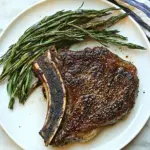
How to Grill the Perfect Steak
Ingredients
- 2 bone-in ribeye steaks (1 to 1-1/2 inch thick)
- 4 tablespoons unsalted butter about 1 tablespoon per side per steak
- McCormick Montreal steak seasoning to taste, for top and bottom of steaks
- Chef Paul blackened steak seasoning to taste, for top and bottom of steaks
Instructions
- About 1 hour before grilling, take the steaks out of the refrigerator and place them on a plate or tray at room temperature.
- Place butter in a small bowl and soften slightly if needed, then rub butter over both sides of each steak (about 1 tablespoon per side).
- Season both sides of each steak with the Montreal steak seasoning and the Chef Paul blackened steak seasoning, using as much as you prefer to coat the surface.
- Let the seasoned steaks rest on the counter for about 1 hour to come closer to room temperature.
- Preheat your grill on high heat until very hot.
- Place the steaks on the hot grill and expect occasional flare-ups from the butter; when flames occur, reduce the heat to medium to control charring.
- Grill the steaks about 5 minutes on the first side, until dark brown with clear grill marks, then flip and grill about 5 minutes more on the second side.
- Check doneness with an instant-read thermometer or by touch: rare 120°F, medium-rare 130°F, medium 140°F, medium-well 150°F, well 160°F.
- Remove the steaks from the grill and let rest at least 5 minutes before cutting, as internal temperature will rise slightly while resting.
- Serve sliced or whole as desired.
Equipment
- Gas or charcoal grill
- Tongs
- Instant-read thermometer
- Small Bowl
- Plate or tray
Notes
- This recipe uses a gas grill but works on charcoal as well.
- Use an instant-read thermometer for reliable doneness.
- Letting steaks come to room temperature helps them cook evenly.
- Season to taste; amount of seasoning is personal preference.
- Expect flare-ups from butter—reduce heat if flames get high.