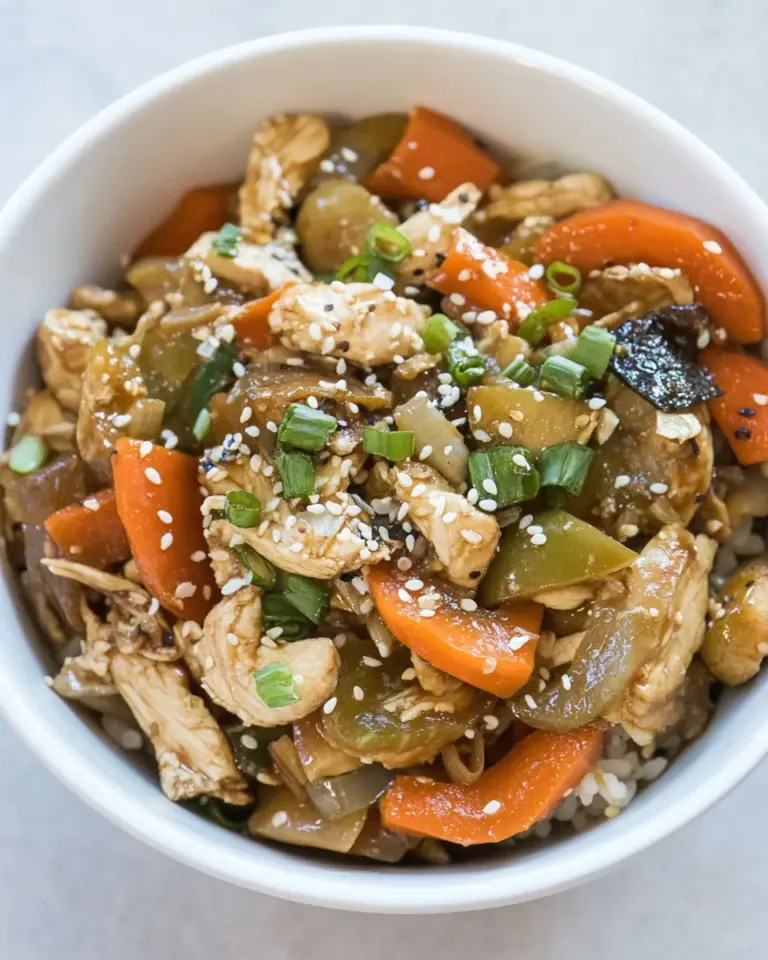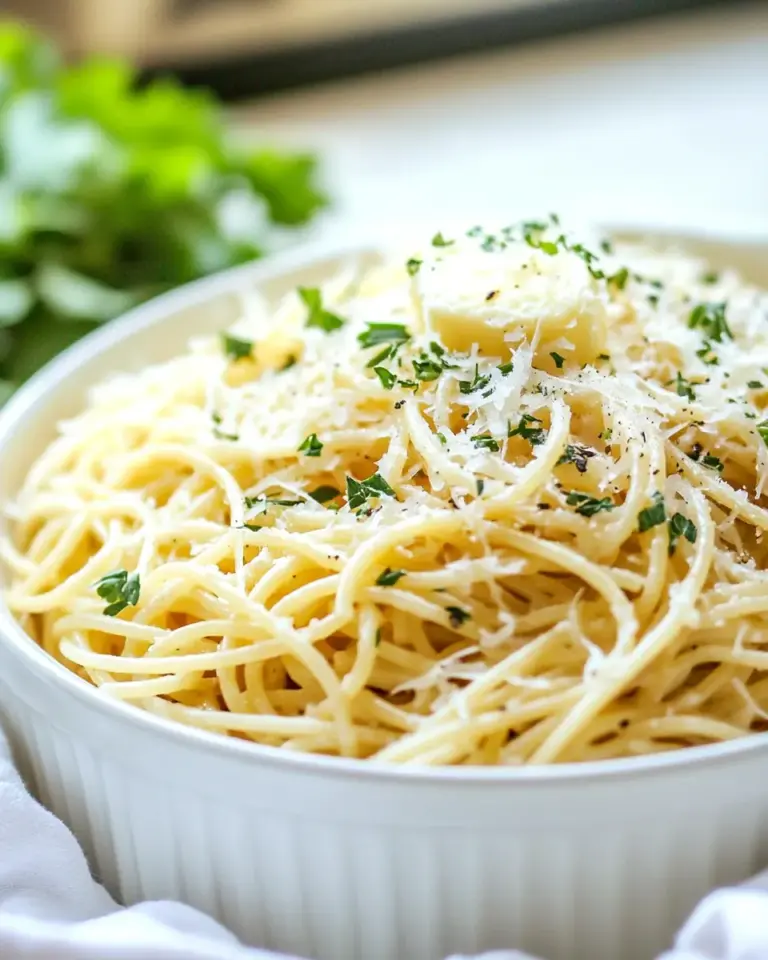
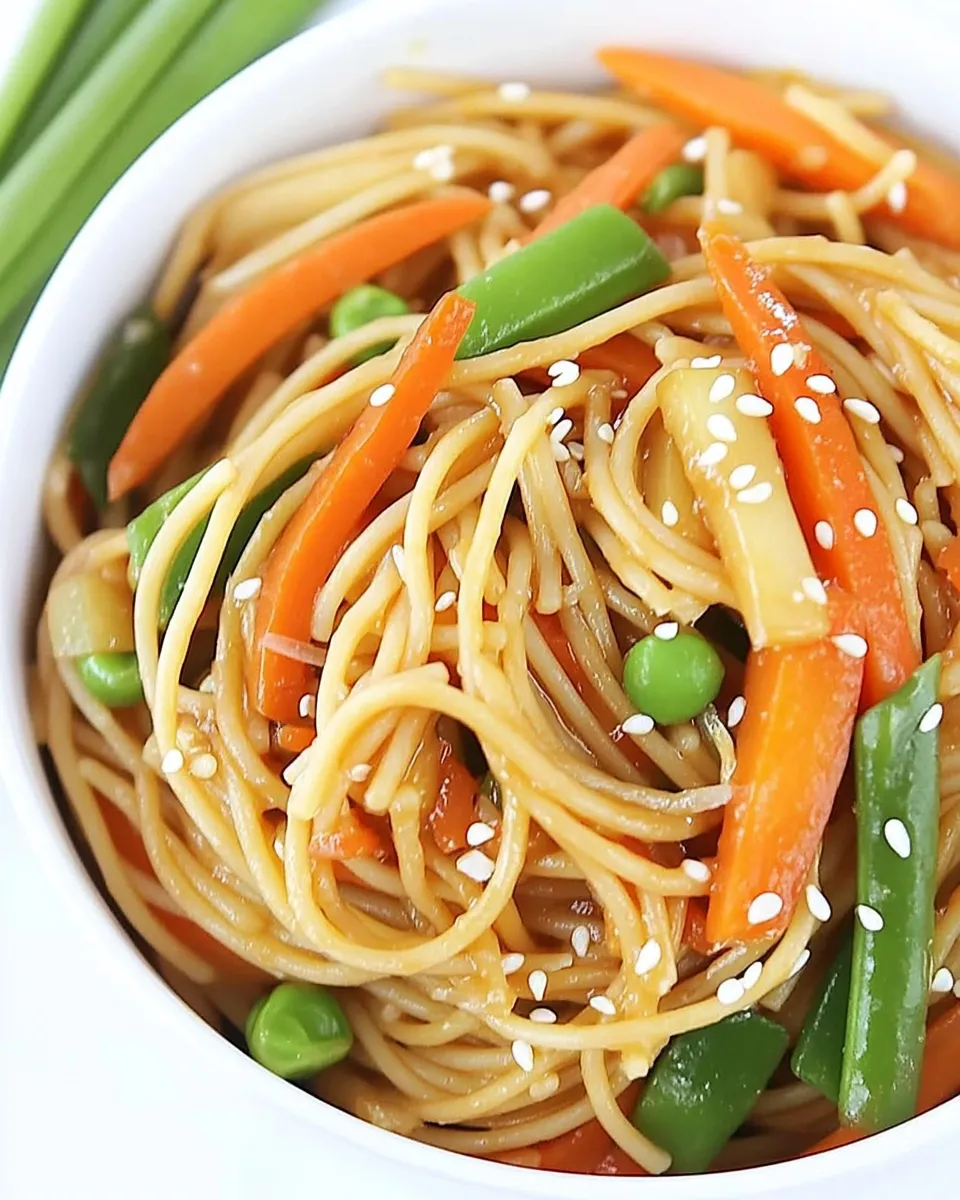
Asian Spaghetti with Garlic and Vegetables
This is one of those weeknight favorites that tastes like you put in much more effort than it actually takes. Bright vegetables, earthy mushrooms, and simple pantry staples come together with a garlicky sauce that clings to each strand of spaghetti. It’s fast, flexible, and full of texture—perfect for a solo dinner, family meal, or easy meal prep. Asian Spaghetti with Garlic and Vegetables balances savory tamari, tender-crisp snow peas, and the mellow sweetness of carrots into a single-skillet moment of comfort. The recipe below keeps things simple but you can easily dress it up with toasted sesame seeds or crunchy mung bean sprouts if you like.
Why this recipe works

This dish is all about contrast: tender pasta meets crisp veggies and soft, meaty mushrooms. The sauce is minimal—just tamari, garlic, and optional toasted sesame oil and ginger—so the fresh flavors of the vegetables shine through. Using spaghetti keeps the dish approachable and familiar for everyone at the table, and swapping to gluten-free spaghetti is an effortless option. The recipe comes together quickly because the noodles cook while you prep and sauté the vegetables, so timing and pacing are the keys to a successful, glossy plate of pasta.
Ingredients
- 8 oz. spaghetti (gluten-free if desired)
- 8 oz. mushrooms (I use cremini)
- 5 oz. snow peas (about 1.5 cups)
- 2 medium carrots
- 6 green onions
- 3–4 cloves garlic
- 1/4 cup tamari (or less)
- Optional: 1/2 tsp. freshly grated ginger, 2 tsp. toasted sesame oil
- Optional garnish: sesame seeds, mung bean sprouts
Equipment
- Large pot for boiling pasta
- Large skillet or wide sauté pan
- Colander
- Chef’s knife and cutting board
- Grater or microplane (for ginger, optional)
- Tongs or pasta fork
Taste and texture notes
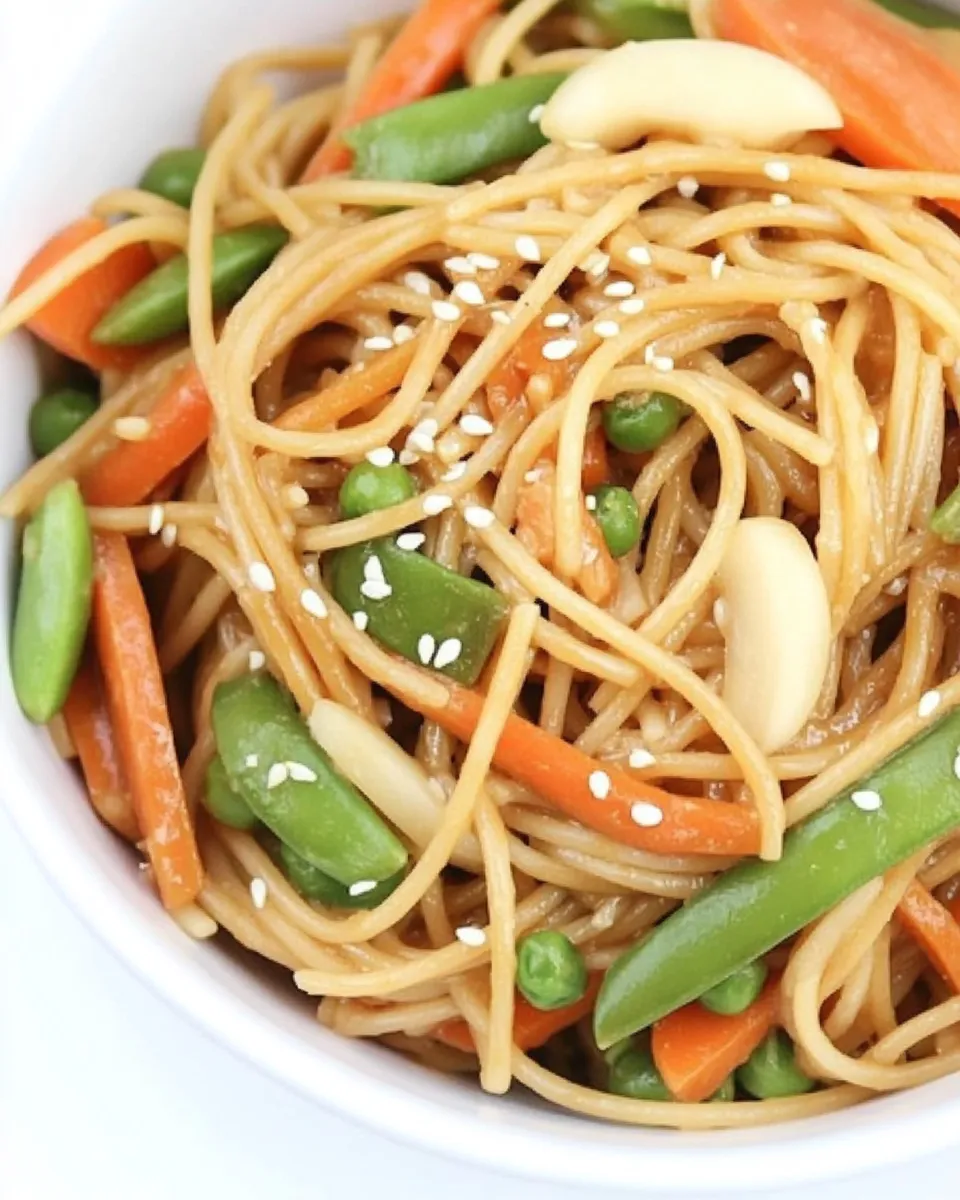
The mushrooms bring savory depth while the snow peas add a bright snap. Carrots introduce subtle sweetness and color, and green onions lend a fresh bite. Garlic is the backbone of the flavor profile—crisped just enough to be aromatic without burning. The tamari gives salt and umami; adjust it down if you prefer a lighter hand. If you add the toasted sesame oil, you’ll get an instant toasty aroma that pairs beautifully with sesame seeds sprinkled at the end. Mung bean sprouts add a refreshing crunch if you choose to top the finished dish with them.
Step-by-step instructions
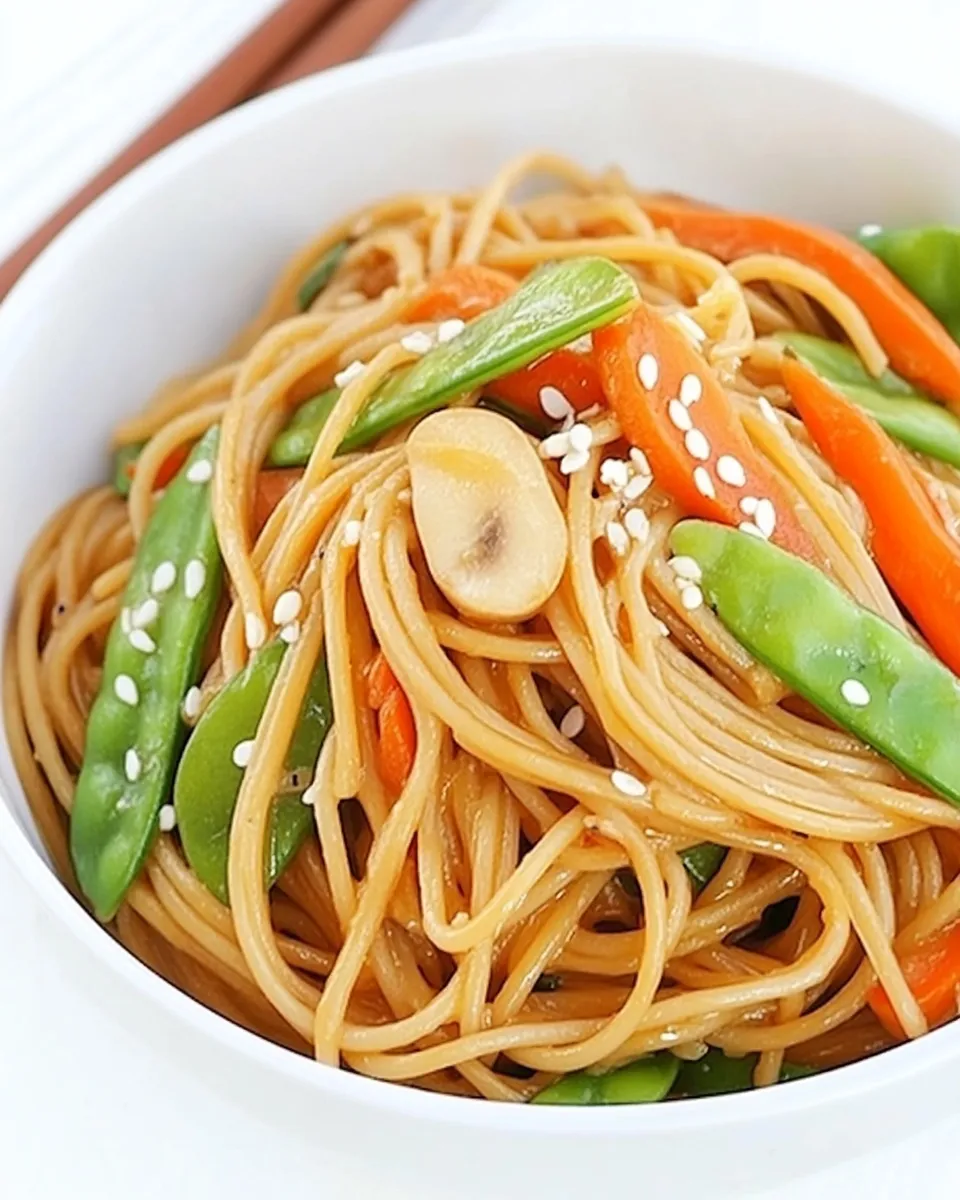
Below are precise, rewritten directions that follow the original recipe order and ingredient amounts. Follow them to achieve bright vegetables, al dente spaghetti, and a balanced garlic-forward sauce.
- Bring a large pot of salted water to a rolling boil over high heat. Add 8 oz. spaghetti and cook according to package directions until al dente. Reserve about 1/2 cup of the pasta cooking water before draining.
- While the pasta cooks, prepare the vegetables. Trim and clean 8 oz. cremini mushrooms, then slice them into even pieces. Trim and string the 5 oz. snow peas if needed, and set aside. Peel and julienne or thinly slice 2 medium carrots. Trim and thinly slice 6 green onions, keeping the white and green parts separate if you like a little color contrast.
- Peel and finely mince 3–4 cloves garlic. If you’re using the optional fresh ginger, peel and grate 1/2 teaspoon now so it’s ready to go.
- Heat a large skillet or wide sauté pan over medium-high heat. Once hot, add a small drizzle of neutral oil (such as vegetable or canola oil) to lightly coat the pan. Add the sliced mushrooms in a single layer and let them sear without moving them too much for 2–3 minutes, until they develop a golden brown edge. Stir and continue cooking another 1–2 minutes until they release their juices and are tender.
- Add the julienned carrots to the pan with the mushrooms and sauté for about 2 minutes, stirring, until the carrots begin to soften but remain crisp. Add the snow peas and cook for another 1–2 minutes so they stay bright and tender-crisp.
- Push the vegetables to one side of the pan. Add the minced garlic (and the grated ginger if using) into the cleared space and sauté for 20–30 seconds, just until fragrant. Be careful not to let the garlic brown—this keeps the flavor fresh and vibrant.
- Add the cooked and drained spaghetti directly to the skillet, tossing it with the vegetables. Pour in 1/4 cup tamari (add less if you prefer a milder salt level). If you kept some pasta water, add a splash (start with 2–3 tablespoons) to loosen the sauce and help the tamari cling to the noodles. Toss everything together over medium heat until the spaghetti is heated through and well coated, about 1–2 minutes.
- If using the optional 2 teaspoons toasted sesame oil, drizzle it over the pasta now and toss to combine. Taste and adjust: add a little more tamari if it needs salt, or a tablespoon of reserved pasta water if the dish feels dry. Stir in the sliced green onion whites during the final toss and reserve most of the green tops for garnish.
- Transfer the pasta to plates or a large serving bowl. Scatter the remaining green onion tops over the dish. Sprinkle toasted sesame seeds and mung bean sprouts on top if you’re using them. Serve immediately while hot and fragrant.
Serving suggestions and variations
This recipe is a wonderful blank canvas. Here are a few ways to customize it while keeping the core ingredients and proportions intact:
- Add protein: Pan-seared tofu or shredded cooked chicken can be stirred in at the same time as the noodles for a heartier meal.
- Swap vegetables: Snap peas, bell pepper strips, or baby bok choy make great substitutes for snow peas and carrots if you want a change.
- Make it spicy: Add a pinch of red pepper flakes, a drizzle of chili-garlic sauce, or a dash of Sriracha when you add the tamari.
- Brighten it up: A squeeze of fresh lime or lemon just before serving lifts the whole dish.
Meal prep and storage
If you want to make this ahead, cook the spaghetti and vegetables separately and store them in airtight containers in the refrigerator for up to 3 days. Reheat gently in a skillet with a splash of water or reserved pasta water to loosen the sauce and refresh the texture. Avoid microwaving for too long—short, quick reheating yields the best bite.
Notes on ingredients
- Spaghetti: Any long pasta will work; use gluten-free spaghetti if you prefer. Cook it to al dente for the best texture after tossing with the vegetables.
- Tamari: Tamari provides a deep, savory flavor. Start with 1/4 cup, taste, and add less if you prefer a milder seasoning.
- Mushrooms: Cremini are my pick for their meaty texture, but white button mushrooms or shiitake would also be lovely.
- Optional aromatics: Freshly grated ginger and toasted sesame oil are small additions that elevate the aroma and flavor without overpowering the simple garlic-tamari base.
Frequently asked questions
Can I make this gluten-free? Yes—swap in gluten-free spaghetti and confirm that your tamari is labeled gluten-free.
Can I use dry frozen vegetables? Fresh delivers the best texture here. If you use frozen, thaw and pat them dry first to avoid adding extra moisture to the pan.
How can I keep the vegetables crisp? High heat and quick cooking are key. Add vegetables in stages—firmer ones first, tender ones later—to maintain structure and color.
Final thoughts
This recipe delivers a flavorful, unfussy meal that comes together in about 20 minutes from start to finish. Asian Spaghetti with Garlic and Vegetables is proof that a handful of fresh ingredients and a simple sauce can produce something vibrant, satisfying, and weeknight-friendly. Keep the pantry basics on hand and you’ll have a go-to dinner that’s always ready to shine.
Enjoy this bright, garlicky bowl of spaghetti and vegetables—quick enough for hectic evenings and pretty enough for guests. If you try any variations, garnish choices, or protein additions, they’ll slot into the same straightforward method without missing a beat.
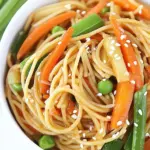
Asian Spaghetti with Garlic and Vegetables
Ingredients
- 8 oz spaghetti gluten-free if desired; break in half before cooking if preferred
- 8 oz mushrooms cremini recommended, sliced
- 5 oz snow peas about 1.5 cups
- 2 medium carrots cut into matchsticks or julienned
- 6 green onions cut into 1/2" pieces
- 3-4 cloves garlic minced
- 1/4 cup tamari or less to taste; start with 2-3 Tbsp for less salty
- 1/2 tsp fresh ginger optional, freshly grated
- 2 tsp toasted sesame oil optional
- sesame seeds for topping, optional
- mung bean sprouts optional, for serving
Instructions
- Bring a large pot of salted water to a boil and cook the spaghetti according to package directions until al dente. Drain and set aside.
- While the pasta cooks, slice the mushrooms, cut green onions into 1/2" pieces, julienne or matchstick the carrots, and mince the garlic. If using ginger, grate it now.
- Heat a large skillet or wok over medium-high heat. For an oil-free method, add 1–3 tablespoons water or broth; otherwise add toasted sesame oil if using. Add the sliced mushrooms and sauté 2–3 minutes until they begin to soften.
- Add the snow peas, carrots, and green onions to the skillet and cook about 5 minutes, stirring, until the vegetables are crisp-tender.
- Reduce heat to medium, add the minced garlic (and grated ginger if using), and sauté for about 1 minute until fragrant.
- Add the cooked spaghetti and tamari to the skillet. Toss thoroughly to combine and heat through for 2–3 minutes, adjusting tamari to taste.
- Remove from heat, sprinkle with sesame seeds and/or mung bean sprouts if desired, and serve warm or chilled.
Equipment
- Large Pot
- Large Skillet or Wok
- Colander
- Knife
- Cutting Board
- Tongs or spatula
Notes
- Break long noodles in half before cooking for easier handling.
- Start with less tamari and add more to taste to control saltiness.
- Use 1–3 tablespoons water or broth to sauté if avoiding oil.
- Cremini mushrooms work well, but any variety is fine.
- Optional sesame oil and ginger add extra flavor.