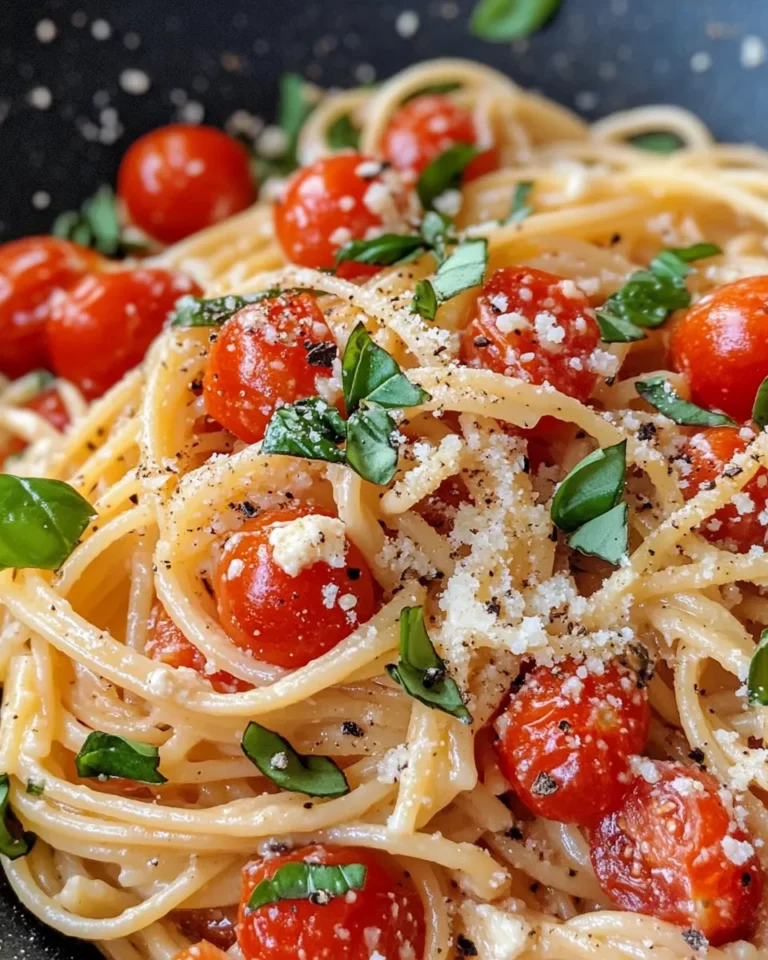
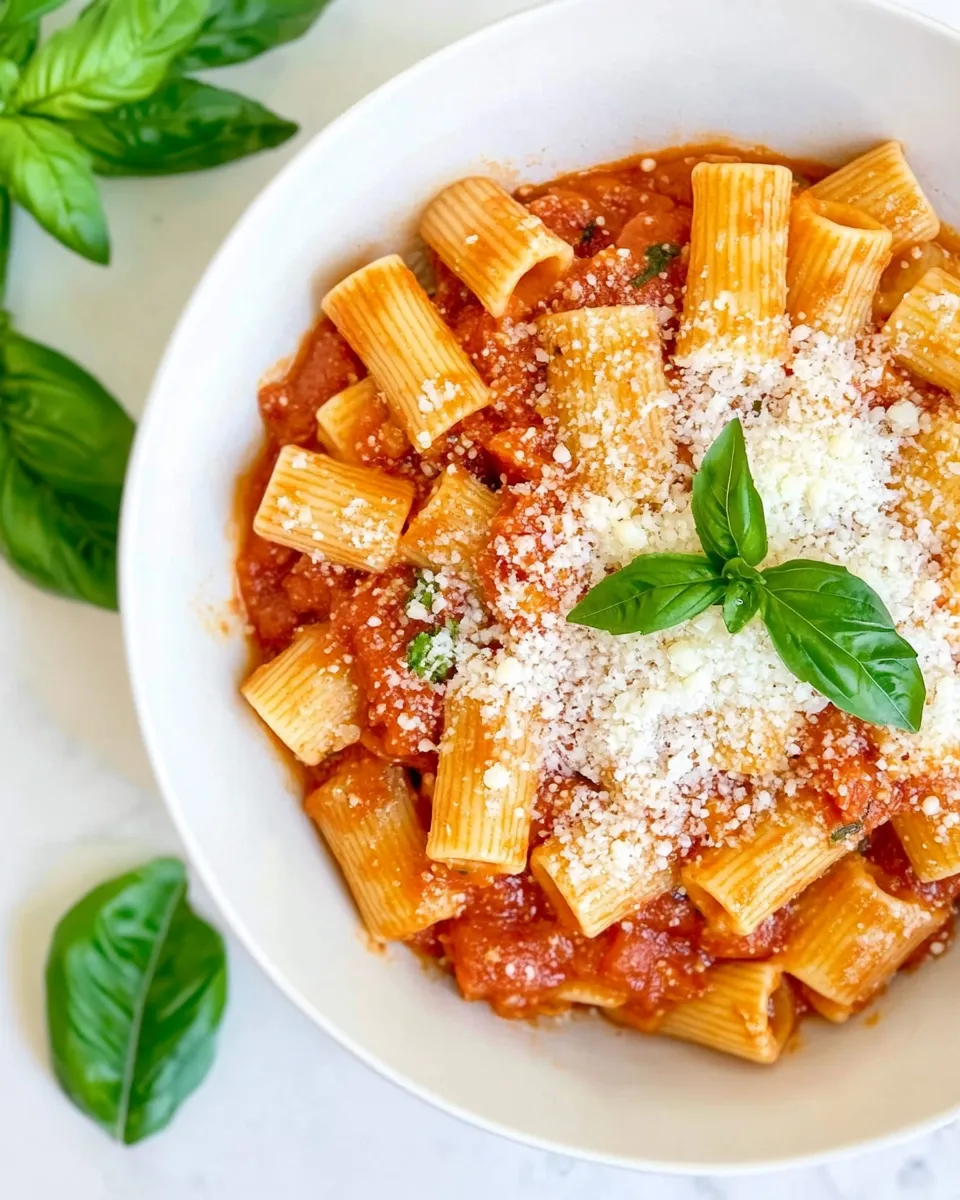
Rigatoni Pomodoro
There’s something deeply comforting about a bowl of pasta dressed in a bright, tomato-forward sauce that tastes like sunshine. This Rigatoni Pomodoro recipe is simple, elegant, and built on a few pantry staples done exceptionally well. With crushed garlic, fruity extra virgin olive oil, and a single can of whole peeled Italian tomatoes, this dish comes together quickly and sings with fresh basil, a touch of sugar, and a shower of grated cheese. It’s the kind of dinner you’ll make on a weeknight but feel proud enough to serve to guests.
The technique is straightforward and forgiving: coax flavor out of tomatoes with slow, patient simmering; build aroma with garlic and oil; finish with basil for brightness; and toss with perfectly cooked rigatoni so each tube holds a taste of sauce. Below you’ll find a friendly, step-by-step recipe and notes to help you get great results every time.
Why this version works

This takes the classic pomodoro approach—simple ingredients, clean flavors—and gives you a sauce with real depth without complicated steps. Using a 28-ounce can of whole peeled Italian tomatoes lets you control texture: crush them by hand or with a fork for rustic chunks, or blend briefly for silkier sauce. A small pinch of sugar balances acidity so the tomatoes sing without tasting sharp. Generous olive oil and the garlic aroma build the backbone of the sauce, and finishing with fresh basil keeps the dish lively.
Ingredients
- 6 cloves garlic, crushed/minced
- ¼ cup extra virgin olive oil
- 1 can whole peeled Italian tomatoes (28 oz / 800 g can)
- 8 fresh basil leaves
- salt and pepper
- sugar (Note 1)
- 1 tablespoon salt
- 10 oz rigatoni (Note 2)
- salt and pepper
- fresh basil for garnish
- grated parmesan for garnish
- extra virgin olive oil for garnish
Notes
Note 1: Sugar is used sparingly to balance the tomatoes’ natural acidity. Add a small pinch at first, then adjust to taste.
Note 2: Rigatoni is chosen because its ridges and hollow center catch sauce beautifully. Use any tubular pasta you prefer if needed.
Equipment you’ll need
- Large pot for boiling pasta
- Wide sauté pan or shallow saucepan for the sauce
- Wooden spoon or spatula
- Colander
- Knife and cutting board
- Measuring spoons and cups
Make-ahead and storage tips
This sauce keeps well: refrigerate in an airtight container for up to 3 days or freeze for up to 3 months. Reheat gently on the stove with a splash of water or olive oil to loosen before tossing with pasta.
Step-by-step recipe
The following instructions rewrite the original directions into a clear, stepwise format while preserving ingredient amounts and the sequence of cooking. Read through first, then cook.
-
Prep the aromatics and tomatoes.
Peel and crush or mince 6 cloves garlic. Open the 28 oz (800 g) can of whole peeled Italian tomatoes and set it within reach. Tear or roughly chop 8 fresh basil leaves and reserve some whole leaves for garnish.
-
Heat the oil and cook the garlic.
Pour ¼ cup extra virgin olive oil into a wide sauté pan set over medium-low heat. Once the oil is warm but not smoking, add the crushed/minced garlic. Stir frequently and cook for about 1 to 2 minutes until the garlic becomes fragrant and just begins to take on a faint golden edge. Be careful not to let it burn; lower the heat if it starts browning too quickly.
-
Add the canned tomatoes.
Carefully pour the whole peeled tomatoes into the pan with the garlic and oil. Use your spoon or a wooden spoon to break the tomatoes into bite-sized pieces in the pan. You can leave some chunkiness for texture or break them down further if you prefer a smoother sauce.
-
Season and simmer the sauce.
Add a pinch of sugar and some salt and pepper to taste. Bring the sauce up to a gentle simmer over medium heat, then reduce the heat to low so it maintains an easy, steady simmer. Allow the sauce to cook, uncovered, for about 15 to 20 minutes. During this time, stir occasionally and taste. Adjust salt, pepper, or sugar as needed to balance the acidity and bring out the tomato flavor.
-
Stir in fresh basil.
When the sauce has thickened slightly and the tomatoes have broken down, stir in the 8 fresh basil leaves (torn or chopped). Continue to cook for another 1 to 2 minutes to let the basil soften and perfume the sauce.
-
Bring a large pot of water to a boil and season it.
While the sauce simmers, fill a large pot with water and bring it to a rolling boil. Add 1 tablespoon salt to the boiling water. This will season the pasta as it cooks and make the rigatoni taste more vibrant.
-
Cook the rigatoni.
Add 10 oz rigatoni to the boiling, salted water and cook, stirring occasionally, until the pasta is al dente according to package timing—usually 9 to 12 minutes depending on the brand. Reserve about ½ cup of pasta cooking water just before draining; it can be used to loosen the sauce if needed.
-
Combine pasta and sauce.
Drain the rigatoni in a colander and add it directly to the pan with the pomodoro sauce. Toss gently to coat every piece of rigatoni. If the sauce feels too thick, add a splash of the reserved pasta water to achieve a glossy, silky consistency that clings to the tubes. Taste and correct seasoning with salt and pepper if necessary.
-
Finish and garnish.
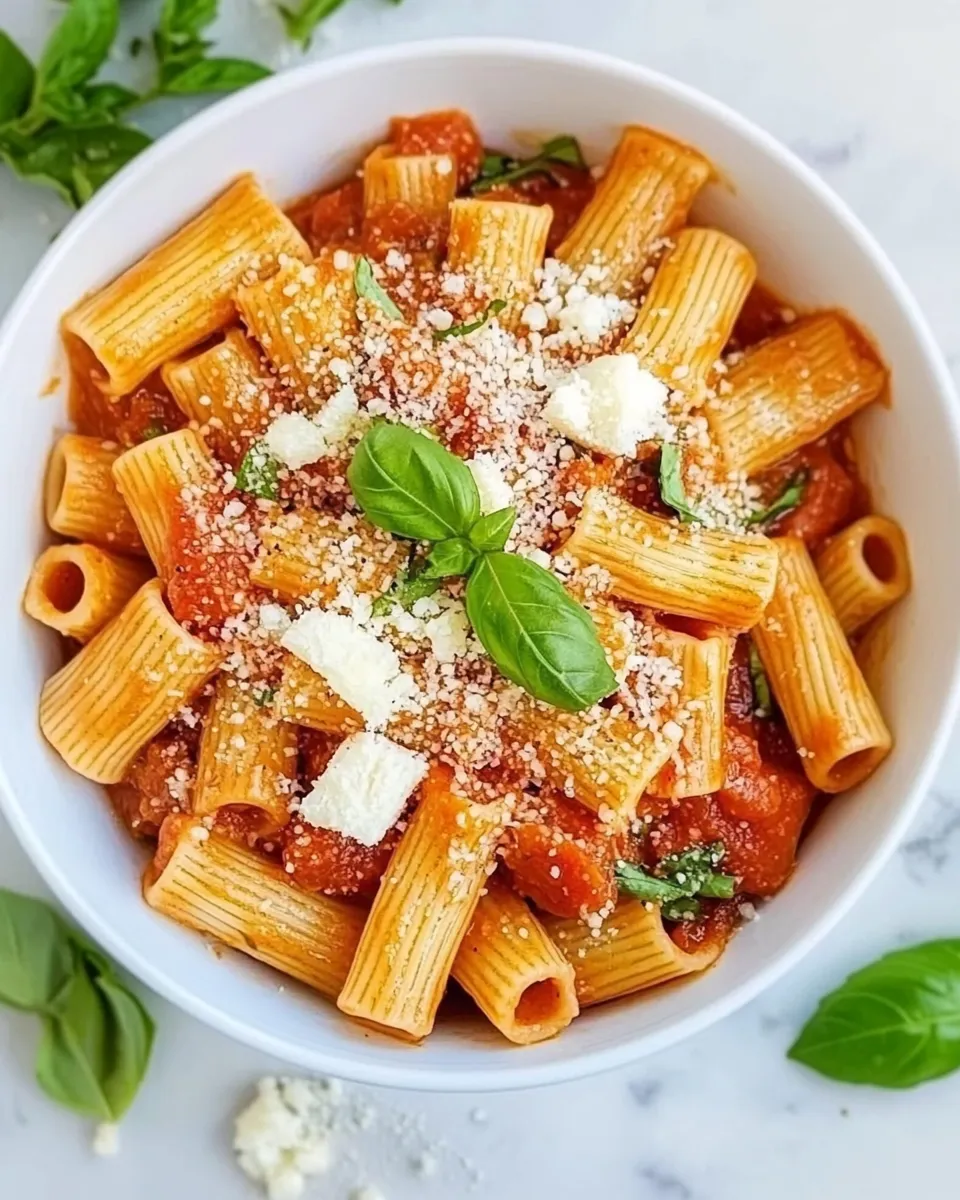
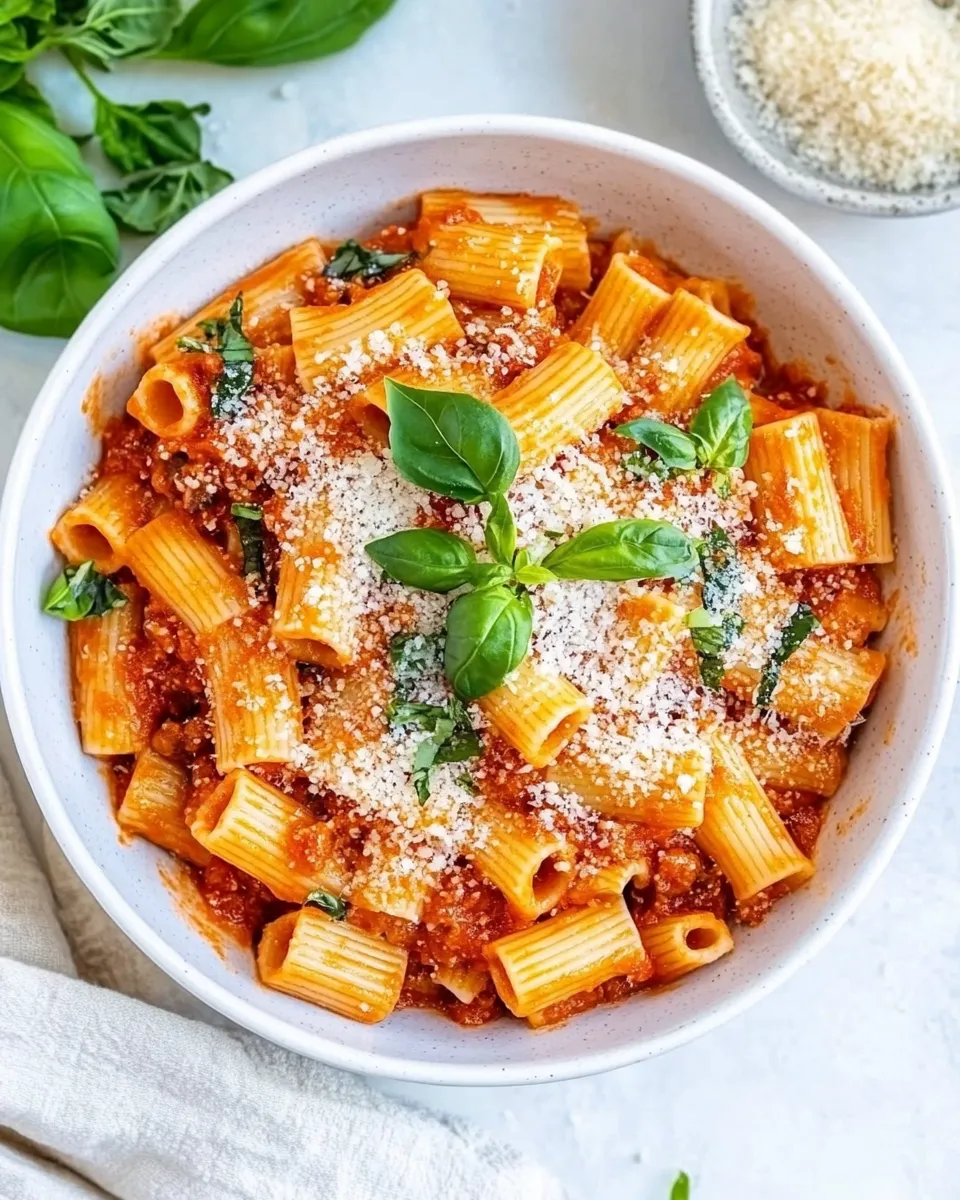
Plate the rigatoni and finish each serving with torn fresh basil leaves, a generous sprinkle of grated parmesan, and a drizzle of extra virgin olive oil. Grind fresh black pepper over the top if you like a little heat.
Serving suggestions
This Rigatoni Pomodoro is lovely on its own or paired with a simple green salad dressed with lemon and olive oil. A crusty bread or garlic-free flatbread makes a nice accompaniment for sopping up any remaining sauce. For a heartier meal, serve with roasted vegetables or a small side of braised greens.
Common troubleshooting
- Sauce too acidic: Add a tiny pinch more sugar and a few more minutes of simmering.
- Sauce too thick: Stir in reserved pasta water a tablespoon at a time until you reach the right consistency.
- Garlic burned: If the garlic darkens too quickly, remove the pan from heat and start again with fresh oil and garlic. Burnt garlic tastes bitter and will affect the whole sauce.
Flavor variations
If you want to play with the basic framework, try stirring in a handful of sautéed mushrooms or diced roasted peppers at the same time you add the tomatoes. For a touch of richness, finish with a spoonful of ricotta stirred through individual plates. To keep things light, add a squeeze of lemon to the finished pasta for a bright lift.
Nutrition snapshot
This recipe leans on wholesome, familiar ingredients: canned tomatoes, olive oil, garlic, fresh basil, and pasta. The olive oil provides healthy monounsaturated fats, while tomatoes deliver vitamin C and lycopene. Adjust portion sizes and garnishes according to dietary needs or preferences.
Final thoughts
Simplicity is the point here: a handful of quality ingredients transformed through careful timing and gentle heat. The recipe’s beauty is how each component is allowed to shine without competing. Whether you make it for a casual weeknight or a sit-down dinner, this Rigatoni Pomodoro feels like a small celebration of good food done well.
Now heat the oil, let that garlic perfume the kitchen, and let the tomatoes do the rest. Buon appetito!

Rigatoni Pomodoro
Ingredients
- 6 cloves garlic crushed or minced
- 1/4 cup extra virgin olive oil
- 1 can whole peeled Italian tomatoes 28 oz (800 g) can
- 8 fresh basil leaves
- salt to taste, plus 1 tablespoon for pasta water
- black pepper to taste
- sugar optional, to taste (see notes)
- 1 tablespoon salt for pasta water
- 10 oz rigatoni
- fresh basil for garnish
- grated Parmesan for garnish
- extra virgin olive oil for drizzle to serve
Instructions
- Heat 1/4 cup extra virgin olive oil in a large pan over low heat. Add the crushed garlic and cook gently for 2–3 minutes until fragrant and softened but not browned.
- Add the whole peeled tomatoes with their juice and 8 basil leaves to the pan. Break the tomatoes up with the back of a spoon or spatula.
- Simmer the tomatoes on low for about 20 minutes, stirring occasionally and continuing to break them down until the sauce is reduced.
- Puree the sauce until smooth with a blender or immersion blender, then return the sauce to the pan and cook over low heat for 10 more minutes. Season with salt, pepper, and sugar as needed.
- Meanwhile, bring a large pot of water to a boil. Add 1 tablespoon salt, then add 10 oz rigatoni and cook until 1 minute less than the package instructions.
- Reserve 1 cup of the pasta cooking water, then drain the rigatoni.
- Add the drained pasta to the sauce and toss with tongs over low heat until fully coated. Add some reserved pasta water a little at a time if the sauce needs loosening and cook for about 1 minute to marry the pasta and sauce.
- Adjust seasoning, then serve topped with extra basil leaves, grated Parmesan, and a drizzle of extra virgin olive oil.
Equipment
- large frying pan or sauté pan
- Large Pot
- Wooden spoon or spatula
- Blender or immersion blender
- Colander
- Tongs
Notes
- If using non-Italian canned tomatoes, add a pinch of sugar to balance acidity.
- Swap rigatoni for penne or fusilli if desired.
- You can also use long pasta such as spaghetti or linguine.